Car cloning is one of the fastest-growing vehicle crimes in the UK. Criminals copy your registration number, fit it to a similar vehicle, and drive around committing offences in your name. The first sign most drivers get is a penalty notice for a journey they never made.
In this guide, we explain exactly how car cloning works in the UK, the warning signs to watch for, what to do if your car has been cloned, and — most importantly — how to protect yourself before it happens.
What is car cloning?
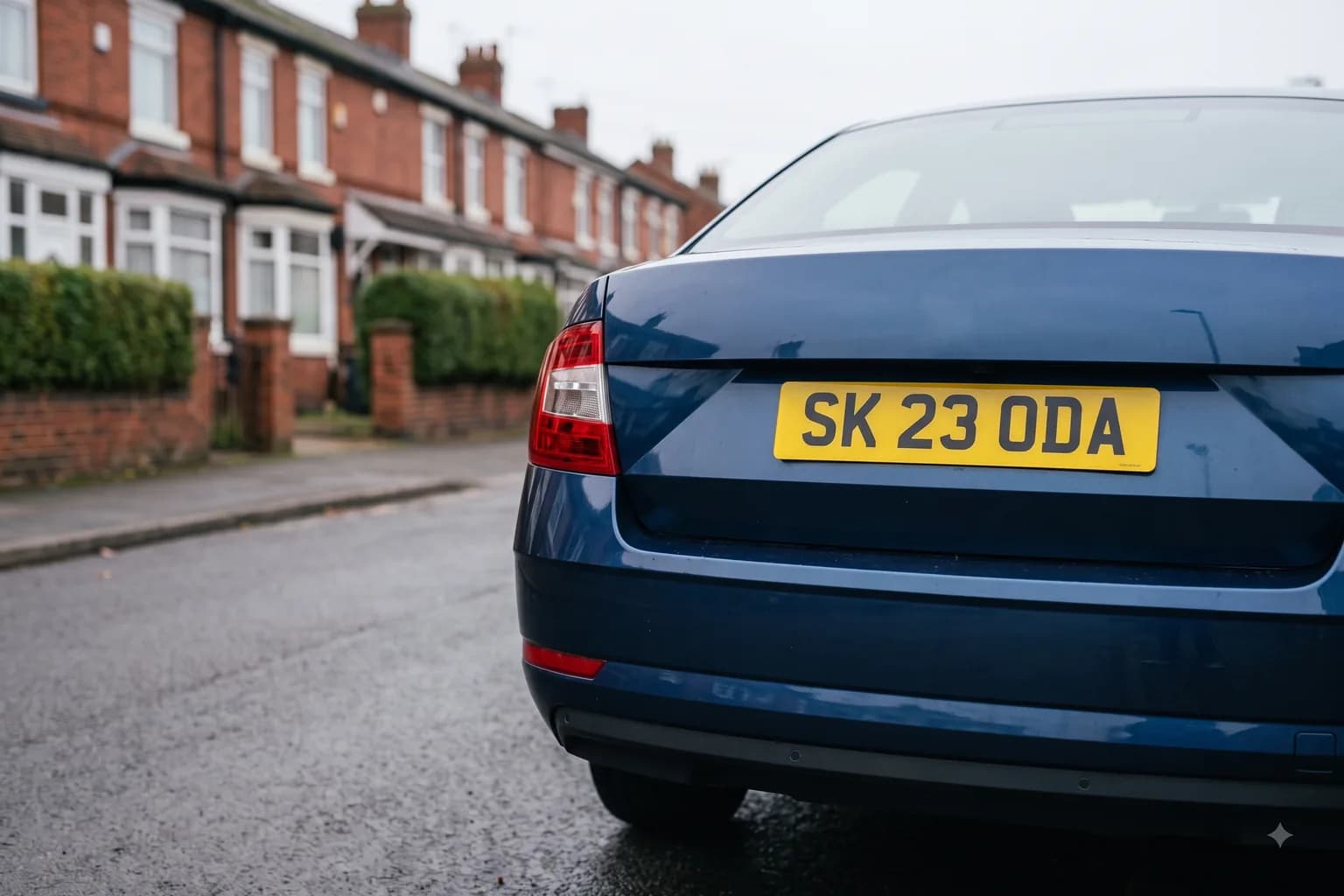
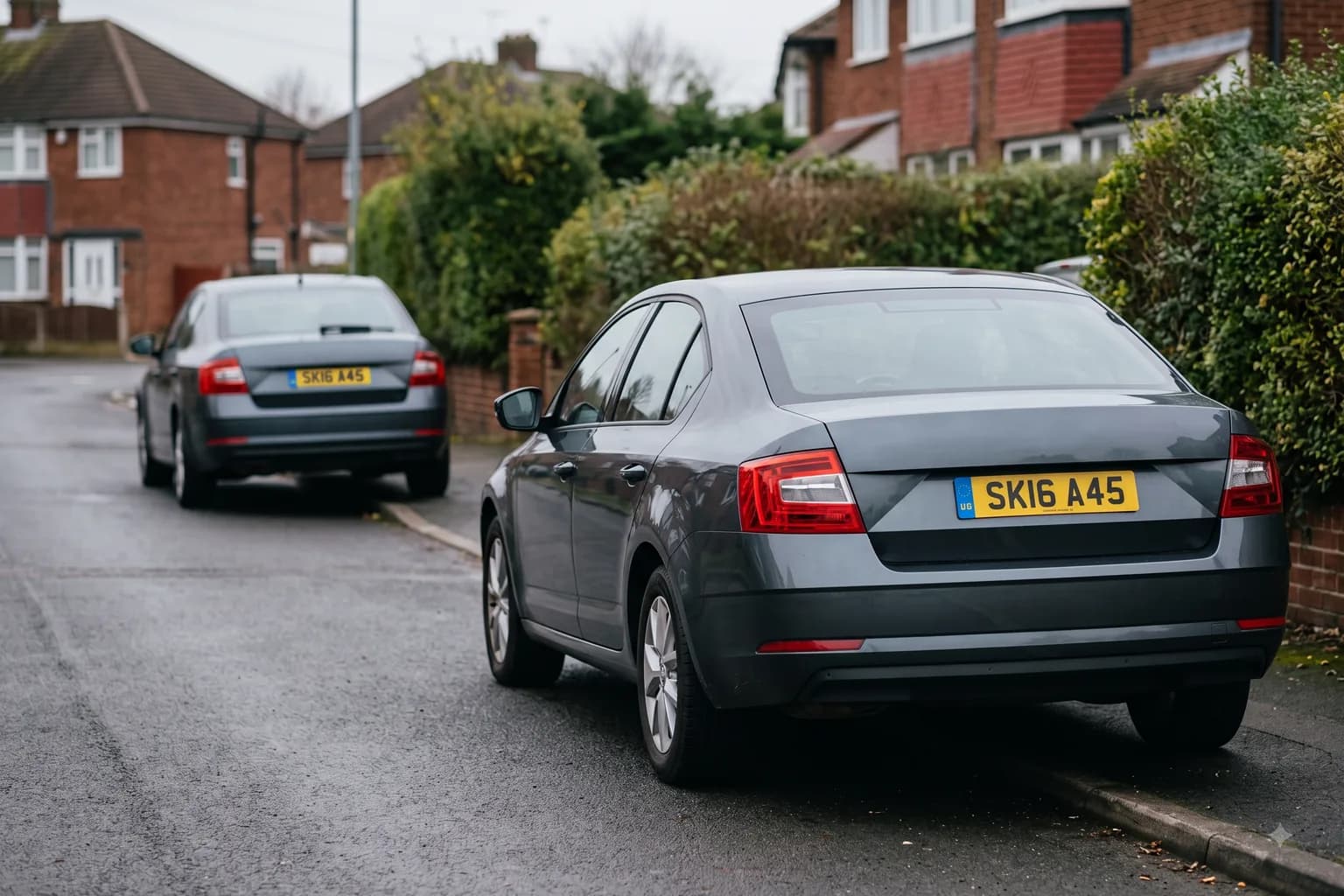
Car cloning is the criminal practice of copying a vehicle's registration number and using it on another vehicle. The cloned car is typically a similar make, model and colour to the original, making it harder for cameras, police or parking wardens to tell the difference.
The cloned plates allow the criminal to:
- Avoid congestion charges, ULEZ fees and tolls
- Escape parking fines and penalty charge notices
- Evade speed cameras and average speed checks
- Commit fuel theft or drive-off offences
- Disguise an uninsured, untaxed or stolen vehicle
- Carry out more serious criminal activity without traceability
For the innocent registered keeper, the consequences can be serious. You may receive fines, penalty notices, police visits and insurance complications — all for journeys your vehicle never made.
How common is car cloning in the UK?
Car cloning is a significant and growing problem. A Guardian investigation in June 2025 found that more than 130 official number plate suppliers in the UK were willing to sell cloned plates without proper identity checks — despite legal requirements under the Registered Number Plate Supplier (RNPS) scheme.
The BBC has described car cloning as "a menace of modern day motoring", with victims often waiting weeks or months before realising their registration has been compromised.
Because many cases go unreported or are dismissed as admin errors, the true scale of car cloning in the UK is difficult to measure. But the trend is clear: as ANPR cameras, congestion zones and ULEZ expand, the incentive to clone plates grows with them.
How car cloning happens
Car cloning can happen in several ways.
1. Physical theft of number plates
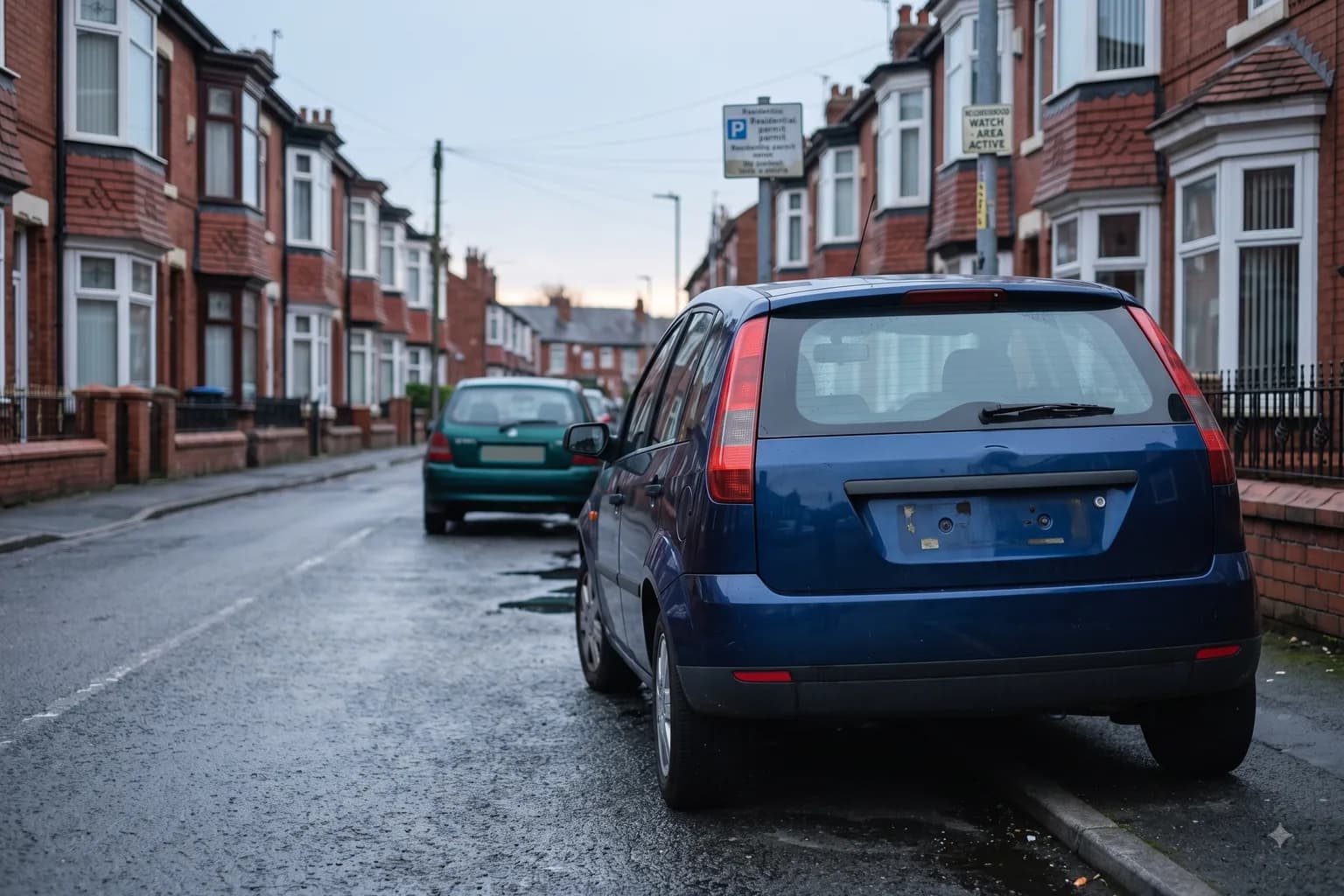
Criminals steal plates directly from parked vehicles, often at night or in unlit areas. This is the crudest method but still common.
2. Copying registration details from public sources
Criminals scan social media posts, car sale listings (AutoTrader, eBay, Gumtree) and public car parks for visible registration numbers. They then order duplicate plates from a supplier — sometimes online, sometimes in person.
3. Fraudulent plate purchase
Some criminals use stolen or fake identity documents to obtain plates from registered suppliers who fail to carry out proper checks. The Guardian investigation showed this is alarmingly common.
4. Online plate suppliers
Some websites sell plates without verifying the buyer's identity or entitlement to the registration number, making it trivially easy for anyone to order a copy of any UK plate.
Warning signs your car has been cloned
The following signs may indicate your vehicle has been cloned:
- A parking fine or penalty charge notice from a location you have never visited
- A congestion charge or ULEZ notice for a date your vehicle was elsewhere
- A speeding ticket or NIP (Notice of Intended Prosecution) you cannot explain
- A toll charge or Dartford Crossing notice for a journey you did not make
- Police contact about an incident involving your registration
- An insurance query or premium increase you cannot account for
- A failed vehicle sale because a history check flags offences against your registration
- MOT or tax reminders that do not match your records
If any of these happen, do not ignore them. Treat them as a potential cloning incident and act immediately.
What to do if your car has been cloned
If you suspect your car has been cloned, follow these steps.
Step 1: Report it to the police
Call 101 or report online via your local police force's website. Ask for a crime reference number. This is your proof that you have reported the issue and are contesting fraudulent use of your registration.
Step 2: Contact the DVLA
Notify the DVLA that your plates may have been cloned. You can do this by writing to them with your crime reference number. The DVLA may advise you to apply for a new registration number.
Step 3: Dispute any fines or penalty notices
Contact the issuing authority for every fine or notice you receive. Provide evidence that your vehicle was elsewhere — dashcam footage, fuel receipts, CCTV, telematics data, or witness statements. Include your police crime reference number.
Step 4: Inform your insurance provider
Check whether your policy requires you to notify them of cloning incidents. Some insurers treat cloning as a notifiable event that could affect your cover.
Step 5: Report your plate as stolen
If you use a stolen plate reporting service such as Protect A Plate, you can flag your registration as stolen. That flags your registration across the connected supplier network, so further attempts to manufacture plates using your registration can be challenged before production.
Step 6: Consider changing your registration
In serious or repeat cases, the DVLA may allow you to transfer to a new registration number. This effectively renders the cloned plates useless.
Step 7: Replace your physical plates
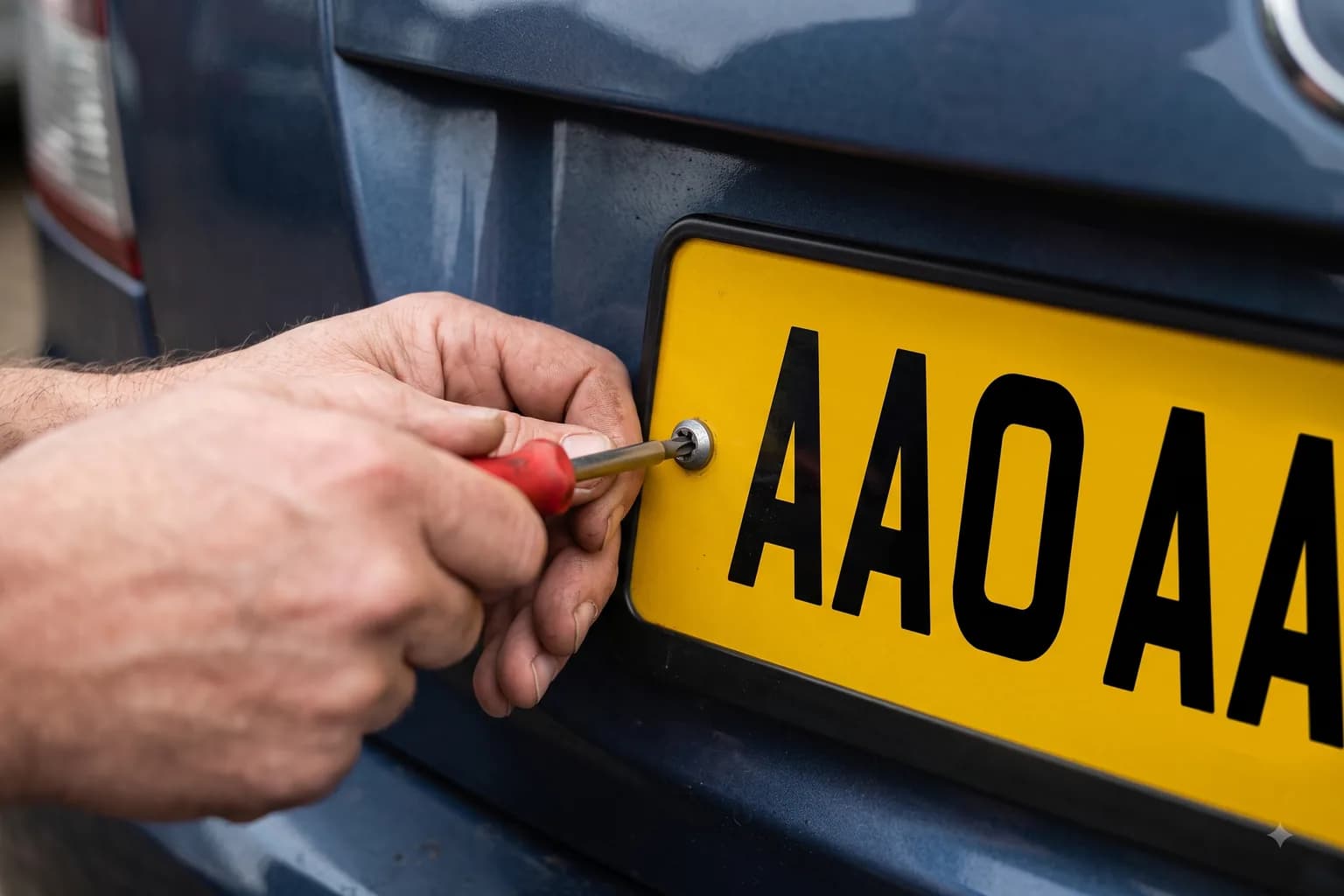
If your plates were physically stolen, replace them through a registered supplier. Use anti-theft security screws to make future theft harder.
How to protect yourself from car cloning
Prevention is better than dealing with the fallout. Here are the most effective ways to reduce your risk.
Register your vehicle with Protect A Plate
The most effective protection is proactive monitoring. When you register your plate with Protect A Plate, your registration is added to an encrypted verification network. If a supplier receives a request to make plates with your registration, you receive an alert — before any crime is committed. The point is to warn you before the fines arrive, rather than after.
Use anti-theft security screws
Replace standard screws with tamper-proof security screws. These require a special tool to remove and act as a strong visual deterrent. Most cost under £10 and take minutes to fit.
Do not post photos of your vehicle online
Criminals actively scan social media, marketplace listings and forums for clear photos showing registration numbers. If you must post photos, blur or crop out your plate.
Remove old marketplace listings
If you have sold a car, ask the new owner to remove any adverts showing the registration. Old listings on AutoTrader, eBay and Gumtree remain searchable and are a goldmine for cloners.
Park securely
Where possible, park in a garage, on a private driveway, or in well-lit areas with CCTV. Avoid leaving your vehicle on unlit public streets overnight.
Check for existing images of your vehicle
Search your registration on Google and social media. If you find images from previous owners or old adverts, request their removal.
Car cloning vs number plate cloning: is there a difference?
The terms "car cloning" and "number plate cloning" are often used interchangeably, and in practice they describe the same crime. Both involve copying a vehicle's registration and using it on another vehicle. The term "car cloning" tends to be used more in media coverage, while "number plate cloning" is more common in official guidance and police communications.
The important thing is not the terminology but the impact: if someone is driving around with your registration, you carry the risk until the issue is challenged.
How Protect A Plate helps prevent car cloning
Most advice on car cloning is reactive — telling you what to do after you receive a fine. Protect A Plate takes a different approach:
- Registration: your plate and VIN are registered to create a secure digital record
- Supplier verification: when a registered supplier receives a request to make plates with your registration, Protect A Plate verifies it against your record
- Instant alerts: you receive an immediate alert if someone tries to have plates made with your registration — before any crime is committed
- Stolen plate reporting: if your plate is stolen, you can report it via the app or website, which flags your registration across the connected supplier network
This proactive approach means you can act before fines, penalties or police visits — not after. You can read more about the process on our how it works page.
Frequently asked questions
Is car cloning illegal in the UK?
Yes. Under the Road Vehicles (Display of Registration Marks) Regulations 2001 and the Fraud Act 2006, cloning a number plate is a criminal offence. Penalties can include fines, prosecution and imprisonment.
Will I have to pay fines caused by a cloned plate?
No, not if you can prove your vehicle was not involved. Contact the issuing authority with evidence of your vehicle's actual location and your police crime reference number. Most authorities will cancel the fine once cloning is established.
Can I get a new registration number if my car is cloned?
Yes. In cases of confirmed cloning, the DVLA may allow you to transfer to a new registration number. You will need your crime reference number and evidence of the cloning.
How long does it take to resolve a cloning case?
It varies. Disputing individual fines can take weeks. Getting a new registration number from the DVLA can take several months. This is why prevention matters so much — the process is slow and stressful.
Does car insurance cover cloning?
Most standard policies do not specifically cover cloning, but you should still inform your insurer. Some comprehensive policies may help with replacement plates or legal costs.
If your registration has already been misused, our guide on what to do if your number plate is cloned walks through the dispute process in more detail.