Receiving a fine or penalty notice for a journey you never made is one of the first signs that your number plate has been cloned. It is stressful, confusing, and frustrating — but there are clear steps you can take to resolve it and protect yourself going forward.
In this guide, we will walk you through exactly what to do if you suspect your number plate has been cloned, how to appeal fines, and how to stop it happening again.
Get early warning. Protect A Plate alerts you the moment someone requests your plate from a supplier — before the clone is even made. Protect your plate.
Step 1: Report It to the Police Immediately
This is the most important step. You need a paper trail showing you have reported the cloning.
- Call 101 (the police non-emergency number) or visit your local police station
- Explain that you believe your number plate has been cloned
- Ask for a crime reference number — you will need this for every fine you appeal
- Report it online via your local force website if phone is not available
Some forces (like Avon and Somerset) have dedicated online cloning report forms. Check your local force website.
Step 2: Contact the DVLA
Notify the DVLA that your plate has been cloned. This creates a flag on your vehicle record and helps if the issue persists.
- Call the DVLA on 0300 790 6801
- Or write to: DVLA, Swansea, SA99 1BA
- Provide your crime reference number from the police
In serious or persistent cases, the DVLA may issue you a completely new registration number.
Step 3: Appeal All Fines and Penalty Notices
Any fine you receive for a journey you did not make should be appealed. Use your crime reference number as evidence.
For PCNs (Parking Charge Notices and Penalty Charge Notices)
- Do not pay the fine — paying it means you accept liability
- Write to the issuing authority (council or private company) explaining your plate was cloned
- Include your crime reference number
- Include any evidence that you were not there (e.g. dashcam footage, parking receipts, fuel receipts, work records)
For speeding tickets and NIPs
- Return the NIP form stating you were not the driver
- Explain that your plate has been cloned
- Include your crime reference number
- The police should investigate and close the case against you
For ULEZ / congestion charges
- TfL and other transport authorities have dedicated appeals processes for cloned plates
- Contact them with your crime reference number and vehicle details
- They typically suspend enforcement while investigating
Step 4: Notify Your Insurance Company
Let your insurer know your plate has been cloned. This protects you if the cloned vehicle is involved in an accident or claim. Your insurer may also want to add a note to your policy file.
Step 5: Gather and Keep Evidence
Evidence is your strongest defence. Collect and keep:
- Dashcam footage showing your car at a different location when the offence occurred
- Parking receipts, fuel receipts, or toll payments with timestamps
- Work records or witness statements confirming your whereabouts
- Photos of your vehicle showing its condition (if the clone has damage differences)
- Your crime reference number and all correspondence with police, DVLA, and fine issuers
Step 6: Prevent It Happening Again
Once you have dealt with the immediate aftermath, take steps to prevent future cloning:
- Register with Protect A Plate — Get instant alerts the moment someone requests your plate from a supplier. This gives you early warning before a cloned plate is even made.
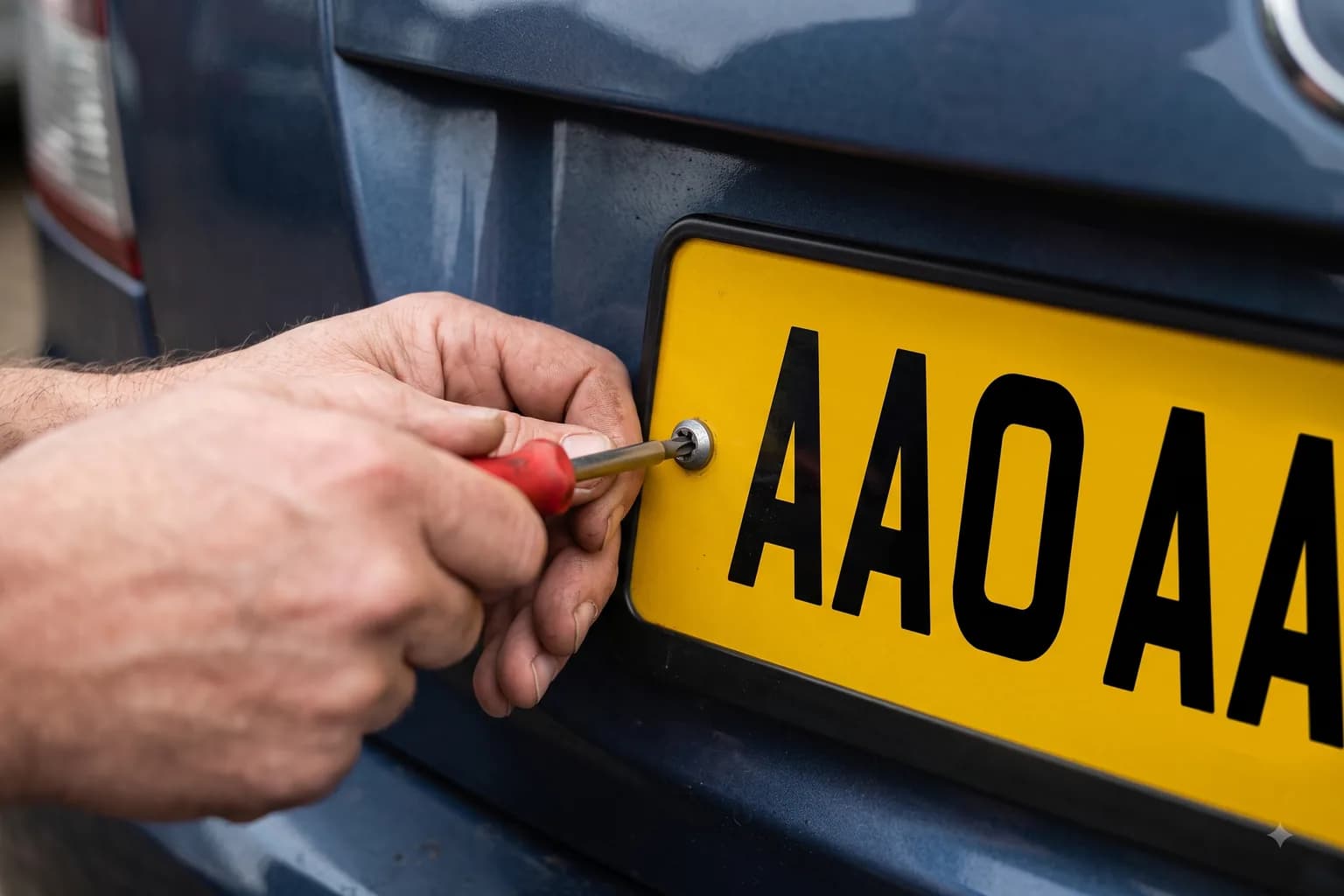
- Fit anti-theft screws — Tamper-proof screws make it harder for thieves to physically steal your plates from your car.
- Be careful on social media — Avoid posting photos that clearly show your registration number.
- Park securely — Use garages, driveways, or well-lit car parks where possible.
Do not wait for the next fine. Protect A Plate monitors your registration across UK suppliers and alerts you instantly if your plate is requested — so you can act before any offences are committed. Register your plate today.
Common Questions
Do I have to pay fines if my plate was cloned?
No. If you provide a crime reference number and evidence that you were not at the location, fines should be cancelled. Do not pay the fine — this can be taken as accepting liability.
How long does it take to resolve a cloning case?
It varies. Some fines are cancelled within weeks; others may take longer if the police need to investigate. Keep your crime reference number and follow up regularly.
Will cloning affect my insurance premium?
If your plate has been cloned, your insurer should not penalise you as long as you have reported it. Notify them immediately so they have it on record.
Can I get a new number plate?
In persistent cases, the DVLA may issue a new registration. You would need to contact them with evidence of ongoing cloning and your police crime reference.
Want to Know More About Cloning?
For a full overview of what number plate cloning is, how it works, and how it is increasing in the UK, read our complete guide to number plate cloning.
Protect A Plate is a UK-based company providing vehicle registration verification and number plate protection. See how it works.