Number plate fraud affects thousands of UK drivers every year. Criminals copy, steal or misuse registration plates to avoid charges, evade detection and commit offences in someone else's name. The victim is usually the last to know.
This guide explains what number plate fraud is, the different types, how to spot the warning signs, how to report it, and — crucially — how to protect yourself before it happens.
What is number plate fraud?
Number plate fraud is any act of dishonestly using, copying or misrepresenting a vehicle registration plate. It covers a wide range of offences, from cloning a plate to avoid a congestion charge, to using a stolen plate to commit fuel theft or more serious crime.
The key issue is identity. A number plate is a vehicle's public identifier — linked to the registered keeper, the vehicle's MOT, tax, insurance and enforcement records. When that identity is stolen or copied, the consequences fall on the innocent owner.
Types of number plate fraud in the UK
1. Number plate cloning
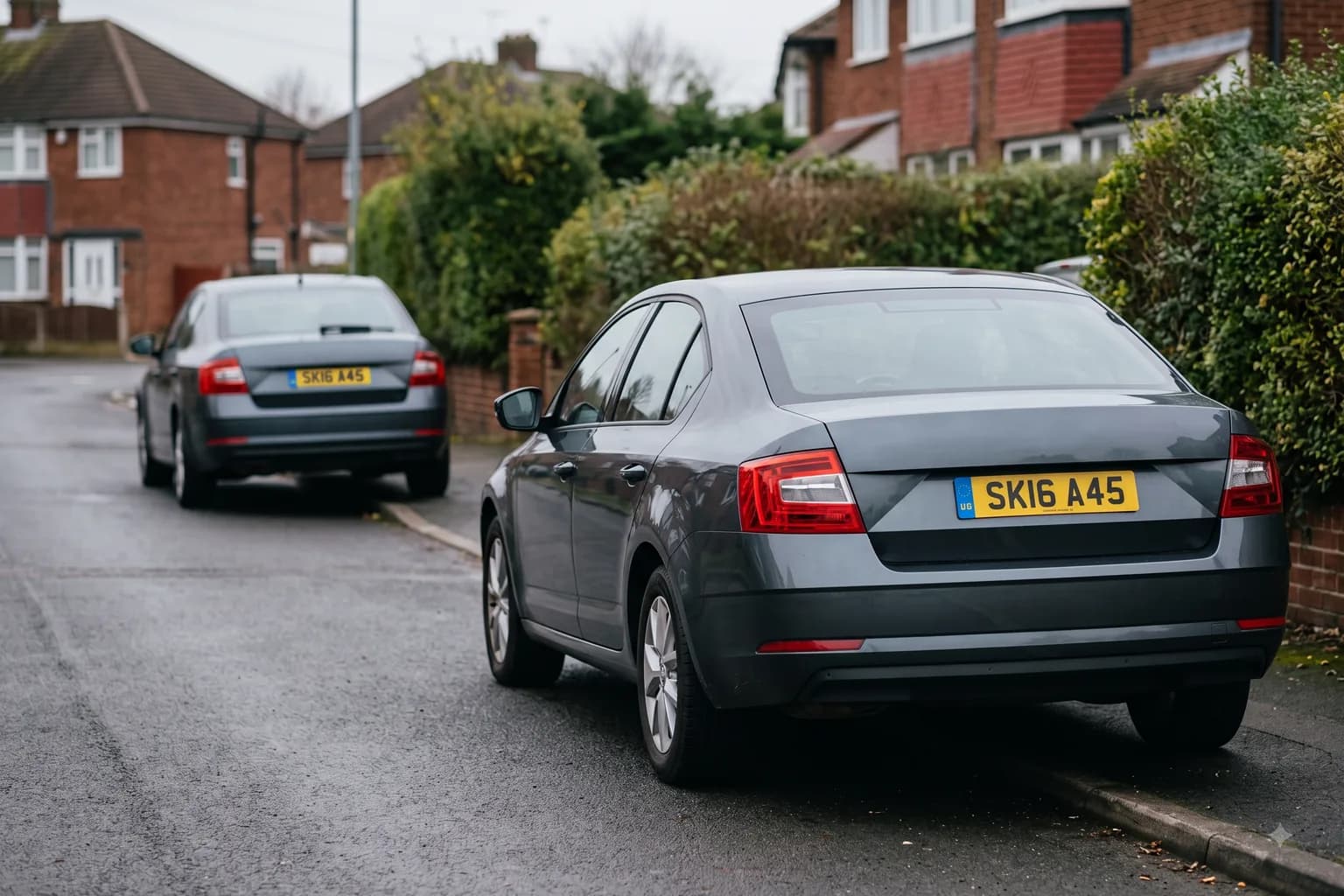
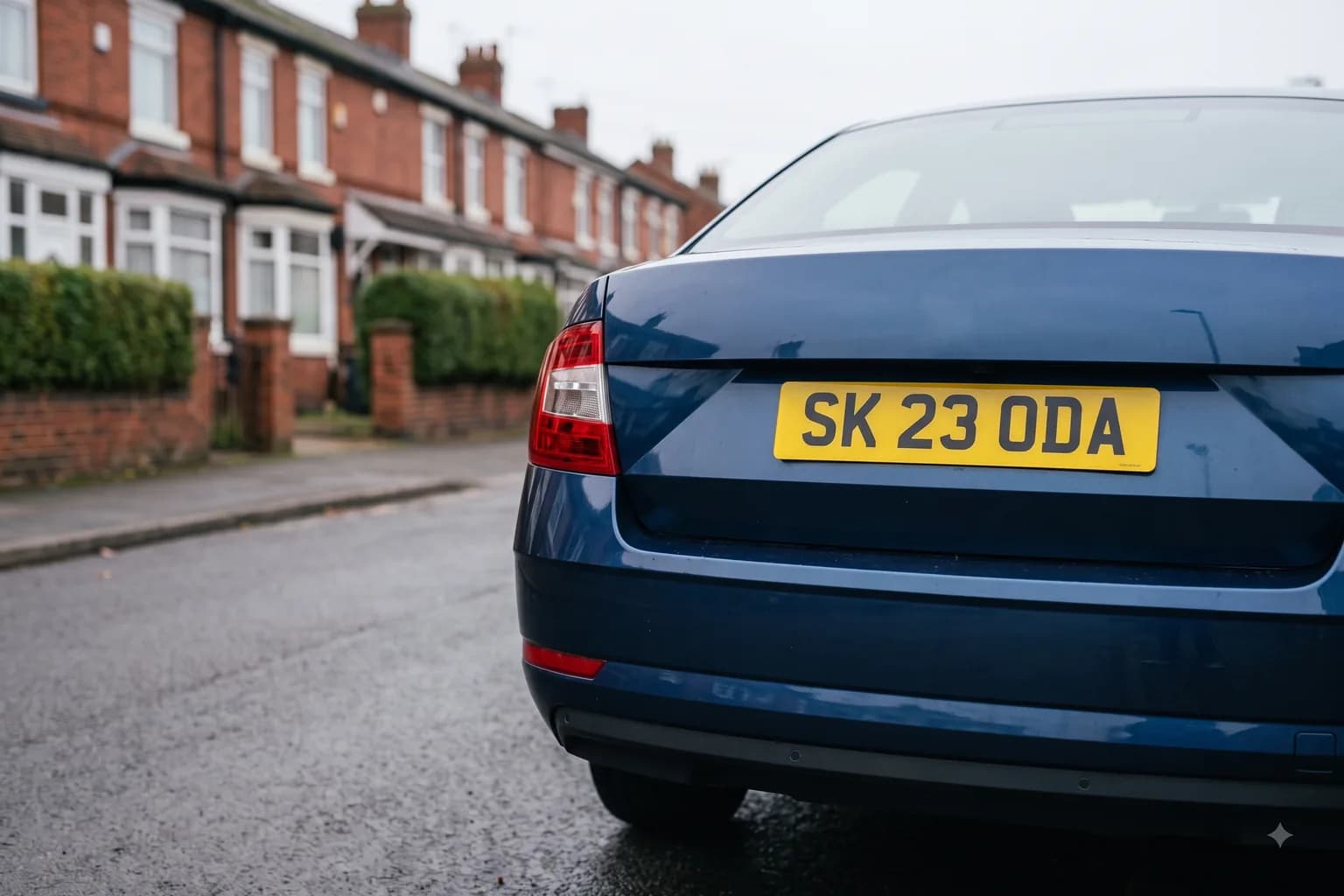
The most common form. A criminal copies your registration and fits it to a similar vehicle. They then drive around committing offences — speeding, parking illegally, avoiding tolls — while all the evidence points to your vehicle. Read our complete guide to car cloning in the UK.
2. Stolen number plates
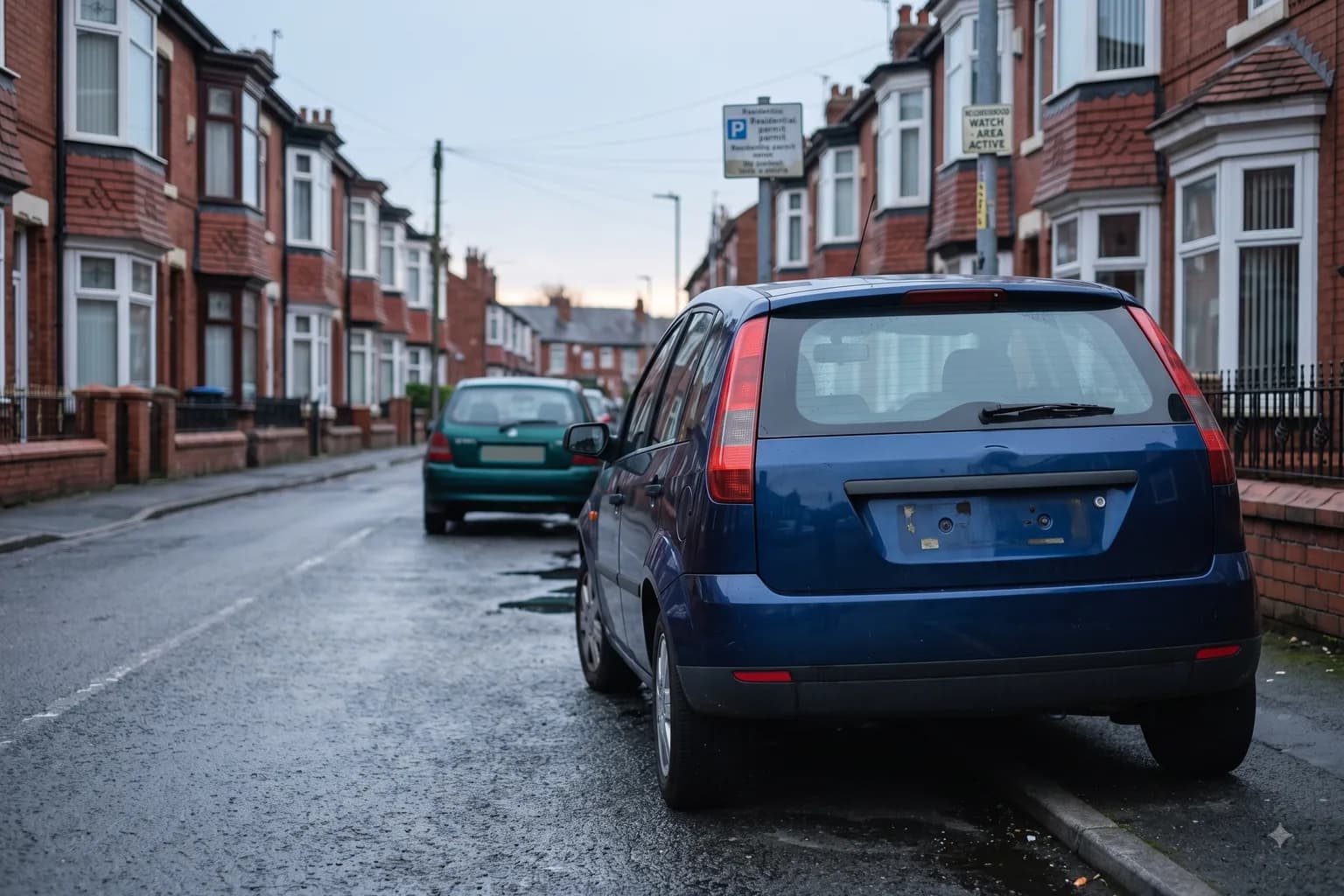
Criminals physically remove plates from parked vehicles. The stolen plates are then used on another vehicle or sold on. Unlike cloning, you will usually notice the theft quickly — but by then, the plates may already be in use elsewhere.
3. Fraudulent plate manufacturing
A criminal obtains plates from a supplier using stolen or fake identity documents. A Guardian investigation in 2025 found that over 130 registered UK suppliers were willing to sell plates without proper checks. This is a supply chain problem, not just a driver problem.
4. Misrepresented or altered plates
Some offenders alter existing plates — changing characters, spacing or fonts — to evade ANPR cameras. This is illegal under the Road Vehicles (Display of Registration Marks) Regulations 2001 and can result in a £100 fine and MOT failure.
5. Ghost plates
A growing trend. "Ghost plates" are plates coated with a reflective material that makes them difficult for ANPR cameras to read when photographed with a flash. They are illegal and increasingly targeted by police operations.
6. Using a plate on an uninsured or untaxed vehicle
Some drivers fit plates from a legitimate, taxed and insured vehicle onto one that is none of those things. This allows them to drive without valid documentation while appearing legitimate to cameras and automated checks.
The scale of number plate fraud in the UK
Number plate fraud is difficult to measure precisely because many cases go unreported. But the available evidence points to a serious and growing problem:
- The Guardian found 130+ suppliers willing to sell cloned plates
- The BBC has described cloning as "a menace of modern day motoring"
- Police forces across the UK report rising cases of plate theft and cloning
- The expansion of ULEZ, congestion zones and ANPR cameras has increased the incentive to clone plates
The most common sanction for drivers caught with cloned plates is a £100 fine. But for victims, the cost is often much higher — in time, stress, disputed fines and insurance complications.
Warning signs of number plate fraud
Watch for these signs that your registration may have been compromised:
- A parking fine, congestion charge or toll notice from a location you have never visited
- A speeding ticket or Notice of Intended Prosecution for a journey your vehicle did not make
- Police contact about an incident linked to your registration
- An unexplained insurance query or premium increase
- A vehicle history check flagging offences against your registration
- A missing, damaged or tampered plate on your vehicle
- ANPR alerts or police stops where officers mention conflicting records
If any of these occur, do not dismiss them as admin errors. Treat them as potential fraud and act immediately.
How to report number plate fraud
Step 1: Report to the police
Call 101 or report online via your local police force. Ask for a crime reference number. This is essential for disputing fines and proving you have reported the fraud.
Step 2: Notify the DVLA
Contact the DVLA to notify them that your registration has been compromised, quoting your crime reference number. Check the current guidance on GOV.UK for the reporting route that applies to your case. In serious cases, the DVLA may issue you a new registration number.
Step 3: Dispute every fine and notice
For each fine or penalty notice, contact the issuing authority. Provide your crime reference number and evidence that your vehicle was elsewhere — dashcam footage, fuel receipts, CCTV, parking permits, or witness statements.
Step 4: Inform your insurer
Check your policy terms. Many insurers require you to notify them of any incident affecting your vehicle identity. Failing to do so could affect future claims.
Step 5: Report your plate as stolen
If you use a stolen plate reporting service such as Protect A Plate, you can flag your registration as stolen. That alerts connected number plate suppliers, so further attempts to manufacture plates using your registration can be challenged before production.
Step 6: Replace your plates through a registered supplier
If your plates were stolen or damaged, have them replaced by a DVLA-registered supplier. Use anti-theft security screws to make future theft more difficult.
How to dispute fines caused by number plate fraud
If you receive a fine or penalty notice that you believe was caused by cloning or plate fraud:
- Do not pay the fine — paying may be treated as accepting liability
- Write to the issuing authority — explain that you believe your plate has been cloned or stolen
- Include your crime reference number — this proves you have reported the matter to the police
- Provide evidence your vehicle was elsewhere — photos, receipts, dashcam footage, telematics data
- Request photographic evidence — ask the authority for the ANPR or camera image. If the vehicle in the image is a different make, model or colour, this strengthens your case
- Follow up in writing — keep copies of all correspondence and note reference numbers
Most authorities have a formal appeals process. If they reject your initial appeal, you can escalate to an independent adjudicator (for parking charges) or a magistrates' court (for speeding offences).
How to prevent number plate fraud
The most effective protection is proactive, not reactive.
Register your vehicle with Protect A Plate
Register your plate to create a secure digital record of your registration and VIN. When a supplier in the network receives a request to make plates with your registration, Protect A Plate verifies it — and you receive an instant alert if the request is suspicious. The aim is to warn you before a crime is committed, rather than after.
Report stolen plates immediately
If your plate is stolen, report it to the police and flag it on Protect A Plate. That flags your registration at the supplier level, so an attempt to have replacement plates made using your registration can be stopped before production. Read our guide on how to report cloned number plates.
Use anti-theft screws
Fit tamper-proof security screws to your plates. They cost under £10 and require a special tool to remove, making opportunistic theft much harder.
Keep your plates out of photos
Do not post photos of your vehicle online with the registration visible. Remove old sale listings. Check Google and social media for existing images of your plate.
Park securely
Park in garages, driveways or well-lit areas with CCTV. Avoid leaving your vehicle on unlit streets overnight, especially if it is a common make and model.
The legal position on number plate fraud
Number plate fraud is covered by several pieces of UK legislation:
- Road Vehicles (Display of Registration Marks) Regulations 2001 — governs how plates must be displayed and manufactured
- Fraud Act 2006 — covers dishonest use of a registration for gain
- Road Traffic Act 1988 — covers driving with a false or altered plate
- Vehicle Excise and Registration Act 1994 — covers registration offences
Penalties for offenders can include a £100 on-the-spot fine, prosecution, points on a licence, vehicle seizure and imprisonment for serious cases.
For victims, the position is clear: you should not be held liable for offences committed by someone using a cloned or stolen plate, provided you can demonstrate that your vehicle was not involved. Every case is assessed on its own facts, and this guide is general information rather than legal advice.
How Protect A Plate helps prevent number plate fraud
Protect A Plate is built around a simple principle: prevention is better than dispute resolution.
| Traditional advice | Protect A Plate |
|---|---|
| Wait for a fine, then dispute it | Get alerted before the plate is even made |
| Report to police after the damage | Flag the registration at supplier level |
| Manually check for stolen plates | Automatic monitoring and instant alerts |
| Reactive — deal with the fallout | Proactive — act before it starts |
The service works by:
- Registering your plate and VIN to create a secure digital record
- Verifying any supplier request to make plates with your registration against that record
- Alerting you instantly if a request is suspicious or unauthorised
- Flagging your registration across the supplier network if your plate has been reported stolen
You can read more about the process on our how it works page.
Frequently asked questions
What should I do if I receive a fine I didn't incur?
Do not pay it. Report the suspected cloning to the police by calling 101, get a crime reference number, and write to the issuing authority with evidence that your vehicle was elsewhere.
Can someone clone my number plate from a photo?
Yes. Criminals can copy your registration from any clear photo showing your plate. Always blur or crop out your registration when posting photos online.
Do I need to tell the DVLA if my plates are stolen?
Yes. You should notify the DVLA if your physical plates are stolen, and provide your police crime reference number. Check the current guidance on GOV.UK for the reporting route that applies to your situation.
Will my insurance go up if my plate is cloned?
It should not, provided you report the cloning and can prove your vehicle was not involved. However, you should still inform your insurer.
How can I check if someone is using my number plate?
The most effective way is proactive monitoring. Register with Protect A Plate to receive instant alerts if a supplier receives a request to make plates with your registration.