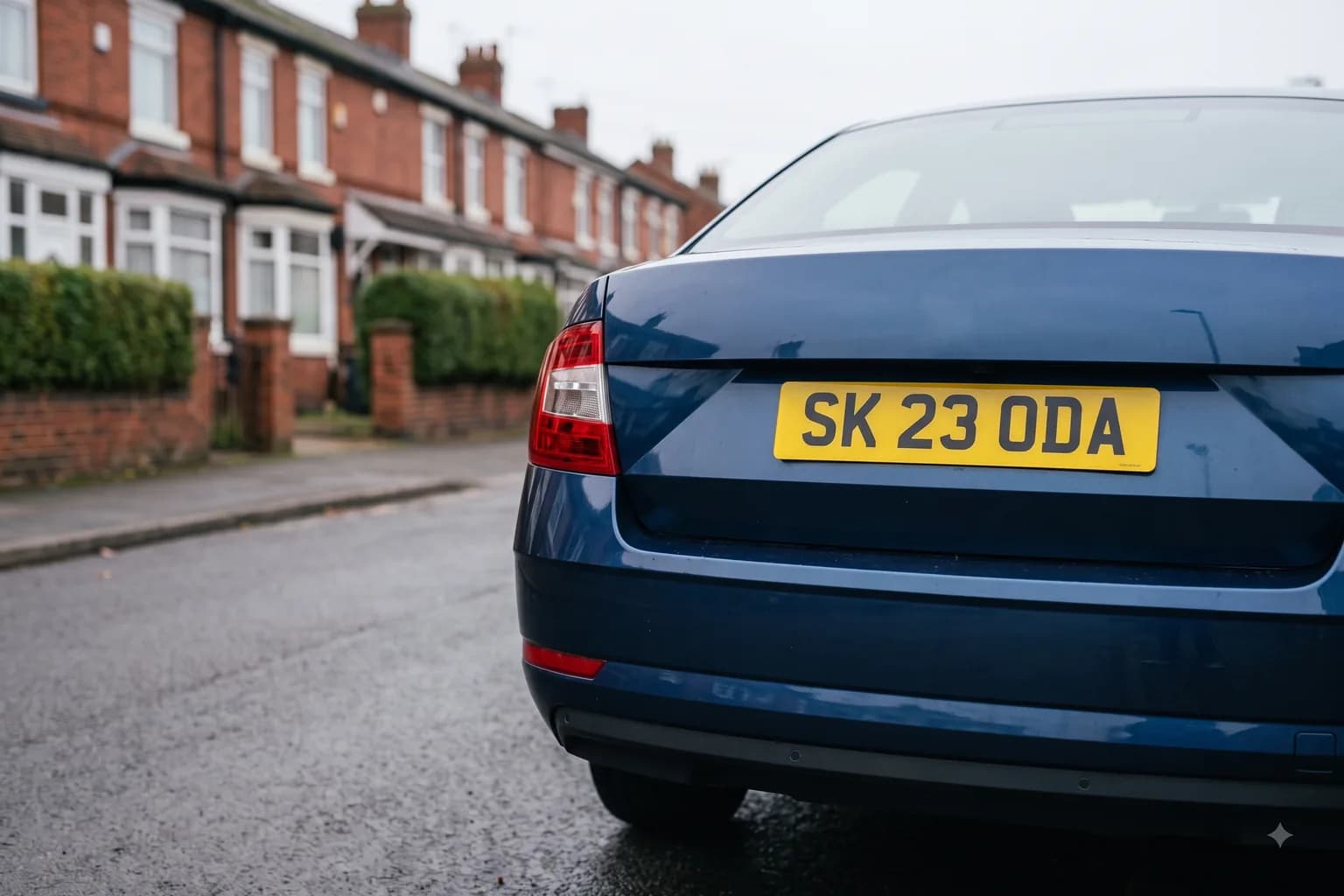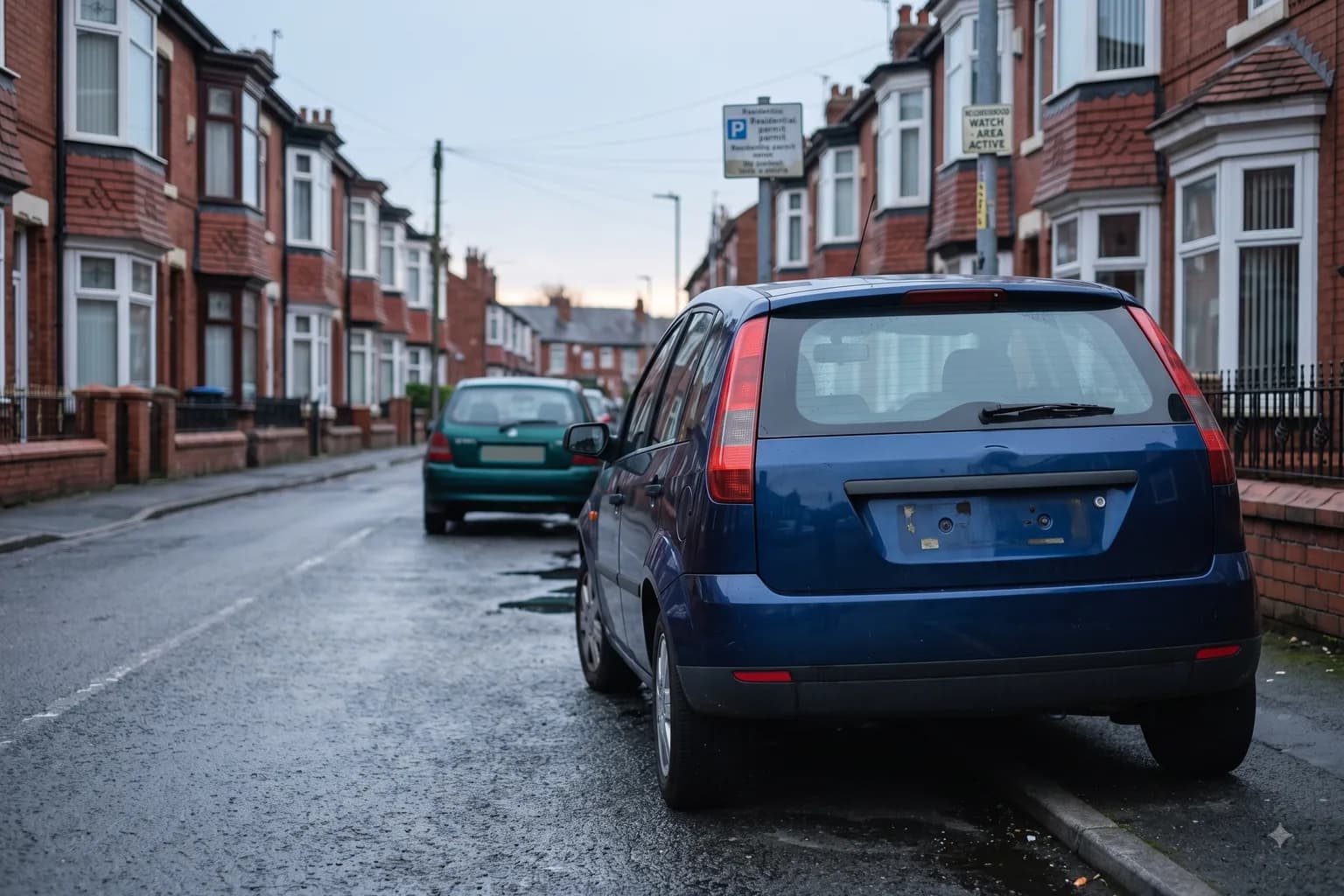
Having your number plates stolen is more than an inconvenience. It is the first step in a chain of fraud that can leave you dealing with fines, police visits and insurance complications for weeks or months.
The good news: if you act fast, you can minimise the damage. This guide explains exactly how stolen number plate reporting works in the UK, who to contact, and — most importantly — how to make it harder for criminals to use your stolen plates to obtain cloned copies.
Why stolen number plates are so dangerous
When a criminal steals your number plates, they can:
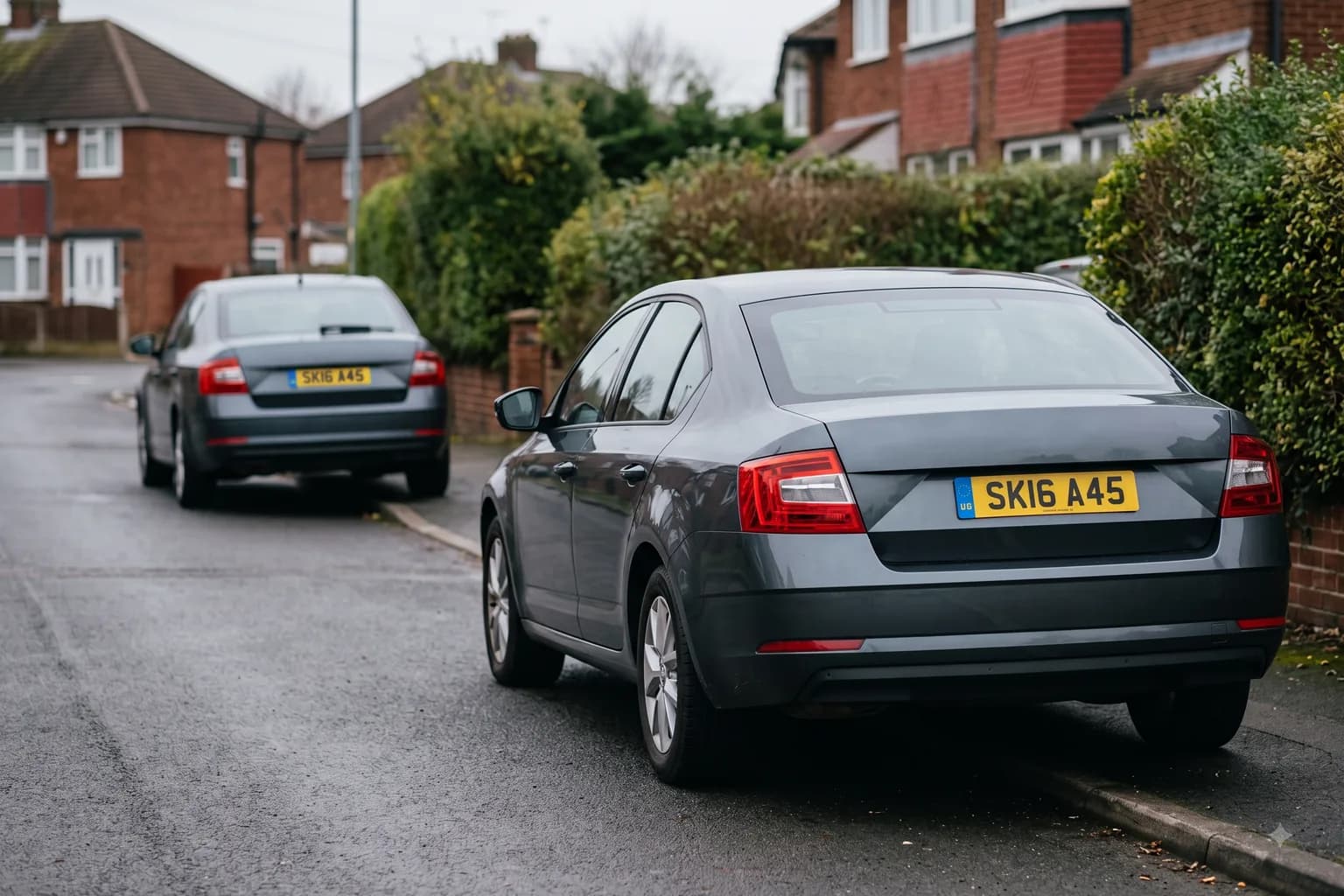
- Clone your vehicle identity onto another car
- Avoid congestion charges, ULEZ fees, tolls and parking fines
- Evade speed cameras and ANPR systems
- Commit fuel theft or drive-off offences
- Disguise an uninsured or stolen vehicle
- Carry out more serious criminal activity under your registration
Every offence committed with your stolen plates generates a record against your registration. The longer you wait to report it, the more records pile up — and the harder it becomes to clear your name.
How to report stolen number plates in the UK
Follow these steps as soon as you discover your plates are missing.
Step 1: Report the theft to the police
Call 101 or report online via your local police force's website. You will need:
- Your vehicle registration number
- The make, model and colour of your vehicle
- Where the vehicle was parked when the theft occurred
- The approximate time you discovered the theft
- Any CCTV or dashcam footage of the area
Ask for a crime reference number. You will need this for every subsequent step — disputing fines, notifying the DVLA and dealing with your insurer.
Step 2: Notify the DVLA
Contact the DVLA to report that your number plates have been stolen. You can do this by:
- Writing to the DVLA at: DVLA, Swansea, SA99 1DZ
- Including your crime reference number
- Explaining that your plates have been stolen and may be used for cloning
For a standard private vehicle, the important thing is creating a dated written record with the DVLA that includes your crime reference number. Check the current guidance on GOV.UK before sending anything, as the reporting route depends on your circumstances.
Step 3: Report your plate as stolen on Protect A Plate
This is the step most people miss — and it is one of the most effective.
If you are registered with Protect A Plate, you can report your plate as stolen via the website or mobile app. This immediately:
- Flags your registration as stolen across the Protect A Plate supplier network
- Returns a stolen status to any supplier in the network who checks that registration before manufacturing plates, so they can refuse the order
- Sends you an alert if someone attempts to order plates with your registration
- Creates a timestamped record that you reported the theft
The value here is timing. Instead of waiting for a criminal to use your stolen plates and then disputing the fines afterwards, the flag is in place at the point where replacement plates would be ordered.
Step 4: Inform your insurance provider
Check your policy terms. Many insurers require you to notify them if your vehicle is involved in any theft, including number plate theft. Failing to report could affect future claims.
Step 5: Replace your plates
Order replacement plates from a DVLA-registered supplier. You will need:
- Your V5C logbook
- Proof of identity
- Your crime reference number (some suppliers may ask for this)
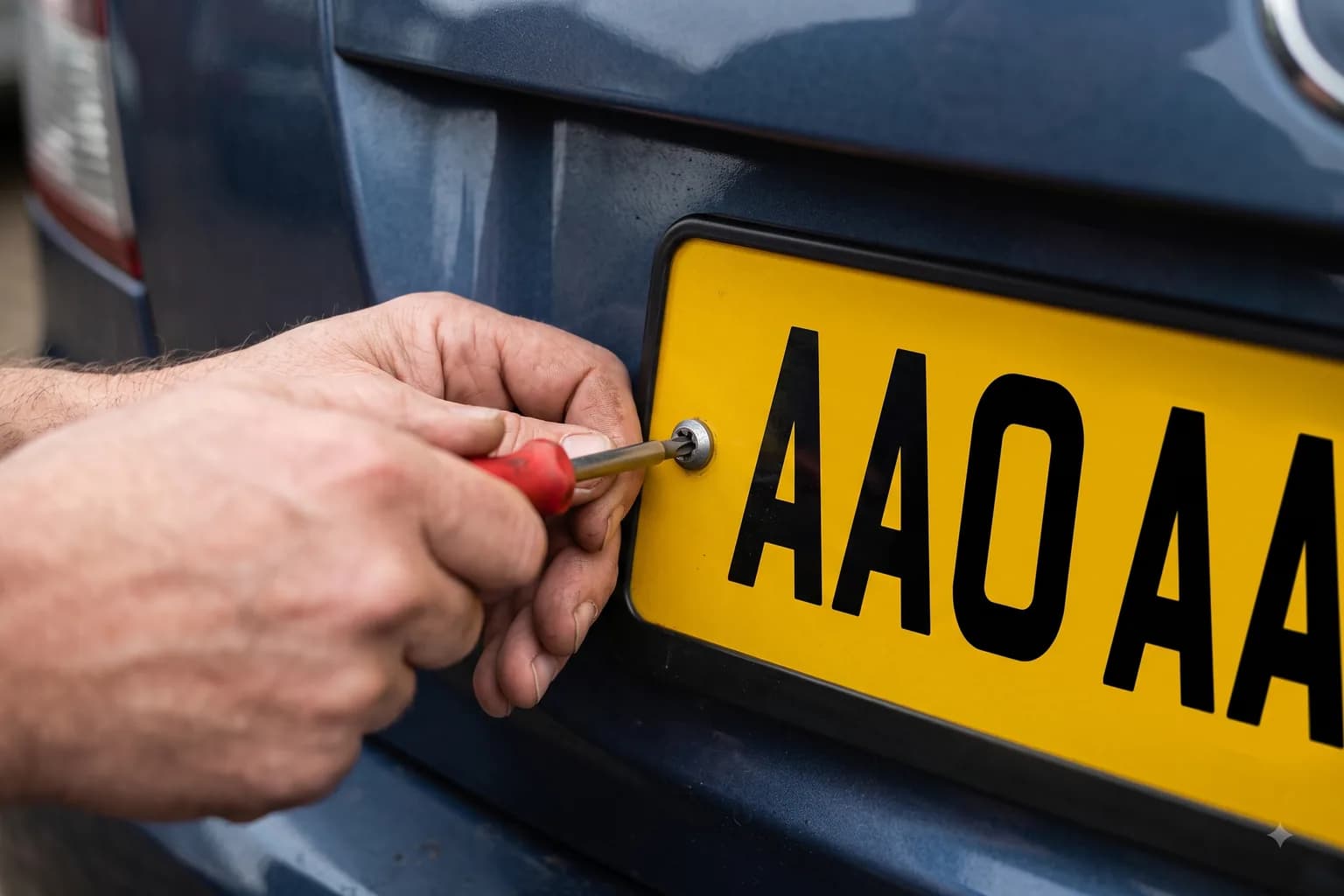
Fit the new plates with anti-theft security screws to make future theft harder.
Step 6: Dispute any fines or notices
If you receive fines or penalty notices for offences committed with your stolen plates:
- Do not pay them — paying may be treated as accepting liability
- Contact the issuing authority with your crime reference number
- Provide evidence that your vehicle was elsewhere (dashcam, CCTV, fuel receipts, witness statements)
- Request photographic evidence from the authority — if the vehicle in the image is different, this supports your case
What happens after you report stolen plates?
Once you have reported the theft, the following should happen.
From the police: you will receive a crime reference number. The theft will be recorded, though police may not actively investigate unless the plates are linked to more serious offences.
From the DVLA: they will note the theft on your record. If cloning is confirmed through repeated offences, they may offer you a new registration number.
From Protect A Plate: your registration is flagged as stolen across the supplier network, and you receive an alert if someone attempts to have plates made with it.
From your insurer: they will note the incident on your file. Your premium should not increase unless you are found to be at fault for the offences committed with your stolen plates.
From fine-issuing authorities: once you provide your crime reference number and evidence, most authorities will cancel fines linked to your stolen plates. This can take several weeks.
How long does it take to resolve?
- Police report: immediate — you get a crime reference number straight away
- DVLA notification: allow 2–4 weeks for a response
- Fine disputes: typically 2–6 weeks per fine
- New registration number (if needed): can take several months
- Protect A Plate flag: instant — your plate is flagged immediately
This is why speed matters. The sooner you report, the fewer offences can accumulate against your registration.
How to prevent number plate theft
Prevention is always better than dealing with the aftermath.
Register with Protect A Plate before anything happens
Registering your plate and VIN means that if your plates are ever stolen, you can report it instantly and have the registration flagged at supplier level. You also receive alerts if someone tries to order plates with your registration — before any crime is committed.
Use anti-theft security screws
Replace standard plate screws with tamper-proof security screws. They require a special tool to remove and are a strong visual deterrent. Most cost under £10 and take minutes to fit.
Park securely
Park in a garage, on a driveway, or in well-lit areas with CCTV. Avoid leaving your vehicle on unlit streets overnight, especially if it is a popular make and model that is easy to clone.
Keep your plates out of photos
Do not post photos of your vehicle online with the registration visible. Remove old sale listings from AutoTrader, eBay and Gumtree. Criminals scan these for easy targets.
Stolen plates vs cloned plates: what's the difference?
| Stolen plates | Cloned plates | |
|---|---|---|
| What happens | Physical plates are taken from your vehicle | Your registration is copied — no physical theft |
| How you notice | Usually obvious — plates are missing | Usually subtle — first sign is a fine you didn't incur |
| Who reports it | You, immediately | You, after receiving an unexpected fine |
| How to report | Police + DVLA + Protect A Plate | Police + DVLA + fine-issuing authority + Protect A Plate |
| Can it be flagged? | Yes — the registration is flagged so suppliers can refuse replacements | Yes — you are alerted when plates are requested |
Both are forms of number plate fraud, and both are easier to handle with proactive monitoring in place. If your registration has been copied rather than physically taken, our guide to car cloning in the UK covers that scenario in detail.
Who to contact: quick reference
| Organisation | When to contact | How to contact |
|---|---|---|
| Police | As soon as you discover the theft | Call 101 or report online via your local force |
| DVLA | After reporting to police | Write to DVLA, Swansea, SA99 1DZ with crime reference |
| Protect A Plate | After reporting to police | Report via app or website — registration flagged instantly |
| Your insurer | After reporting to police | Check policy for required notification |
| Fine-issuing authority | When you receive any fine | Contact with crime reference number and evidence |
| Registered plate supplier | When ordering replacements | Bring V5C, ID and crime reference number |
Frequently asked questions
How do I report stolen number plates in the UK?
Call 101 or report online via your local police force website. Ask for a crime reference number. Then notify the DVLA, inform your insurer, and report the theft on Protect A Plate so suppliers in the network see the registration flagged as stolen.
Do I need to report stolen number plates to the DVLA?
Yes. Write to the DVLA with your crime reference number to create a record of the theft. This helps if you need to dispute fines or apply for a new registration number later.
Can someone use my stolen number plates to clone my car?
Yes. Criminals can use stolen plates directly on another vehicle, or use your registration number to order duplicate plates from a supplier. Reporting the theft on Protect A Plate flags your registration so suppliers in the network can refuse the order.
What if I don't realise my plates are stolen?
If your plates are stolen without your knowledge, the first sign is usually an unexpected fine or police contact. Report to the police immediately, check your physical plates, and follow the reporting steps in this guide.
Will I have to pay fines caused by my stolen plates?
No, not if you can prove the offences were not committed by you. Provide your crime reference number and evidence that your vehicle was elsewhere. Most authorities will cancel the fines once theft or cloning is established.
Can I get new number plates if mine are stolen?
Yes. Order replacements from a DVLA-registered supplier. You will need your V5C logbook, proof of identity, and your crime reference number. Use anti-theft screws on the new plates.
How does Protect A Plate help stop stolen plates being used?
When you report your plate as stolen, your registration is flagged in the system. When a supplier in the network checks that registration before manufacturing, the stolen status is returned so they can refuse the order, and you receive an alert that someone attempted it. You can read more on our how it works page.