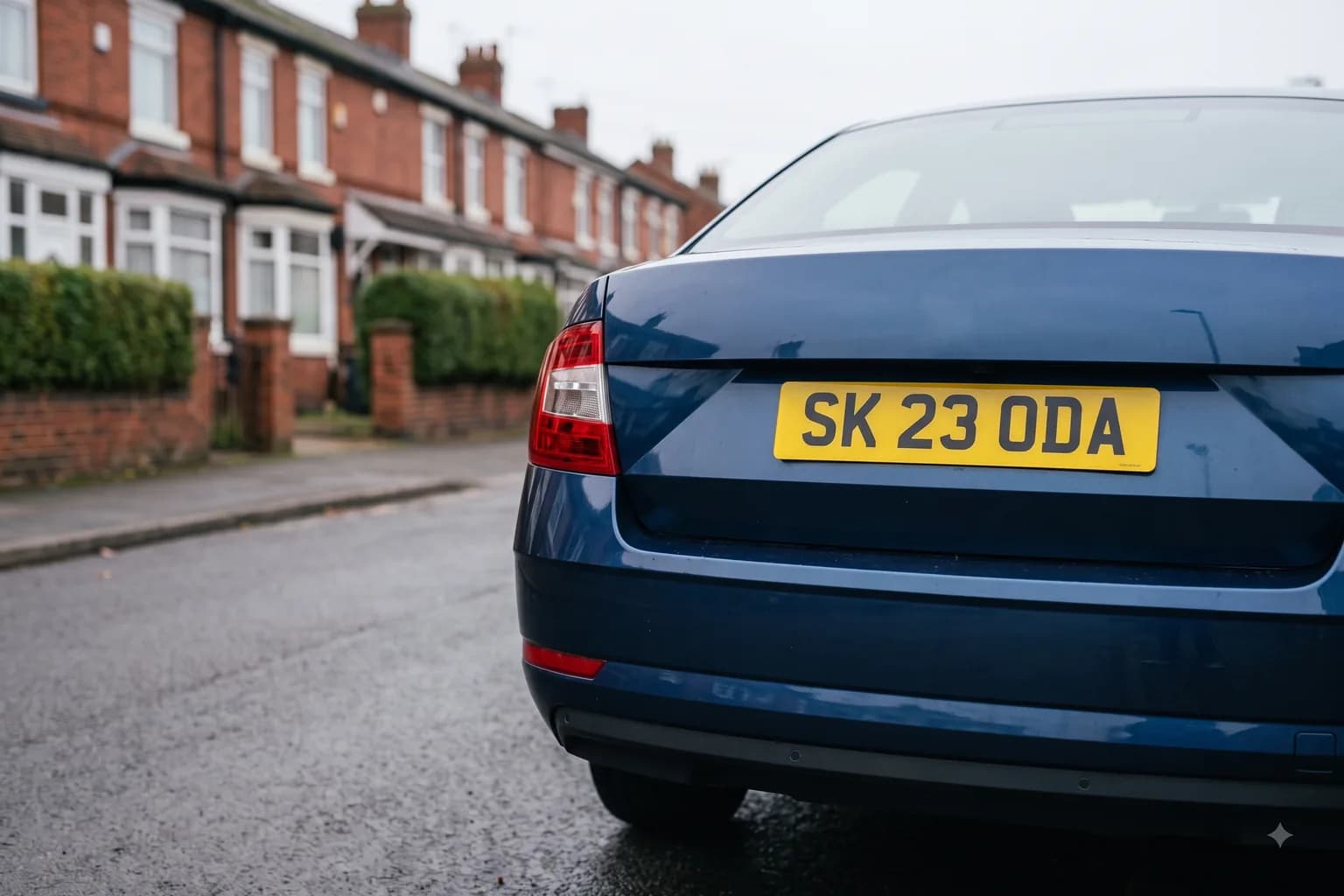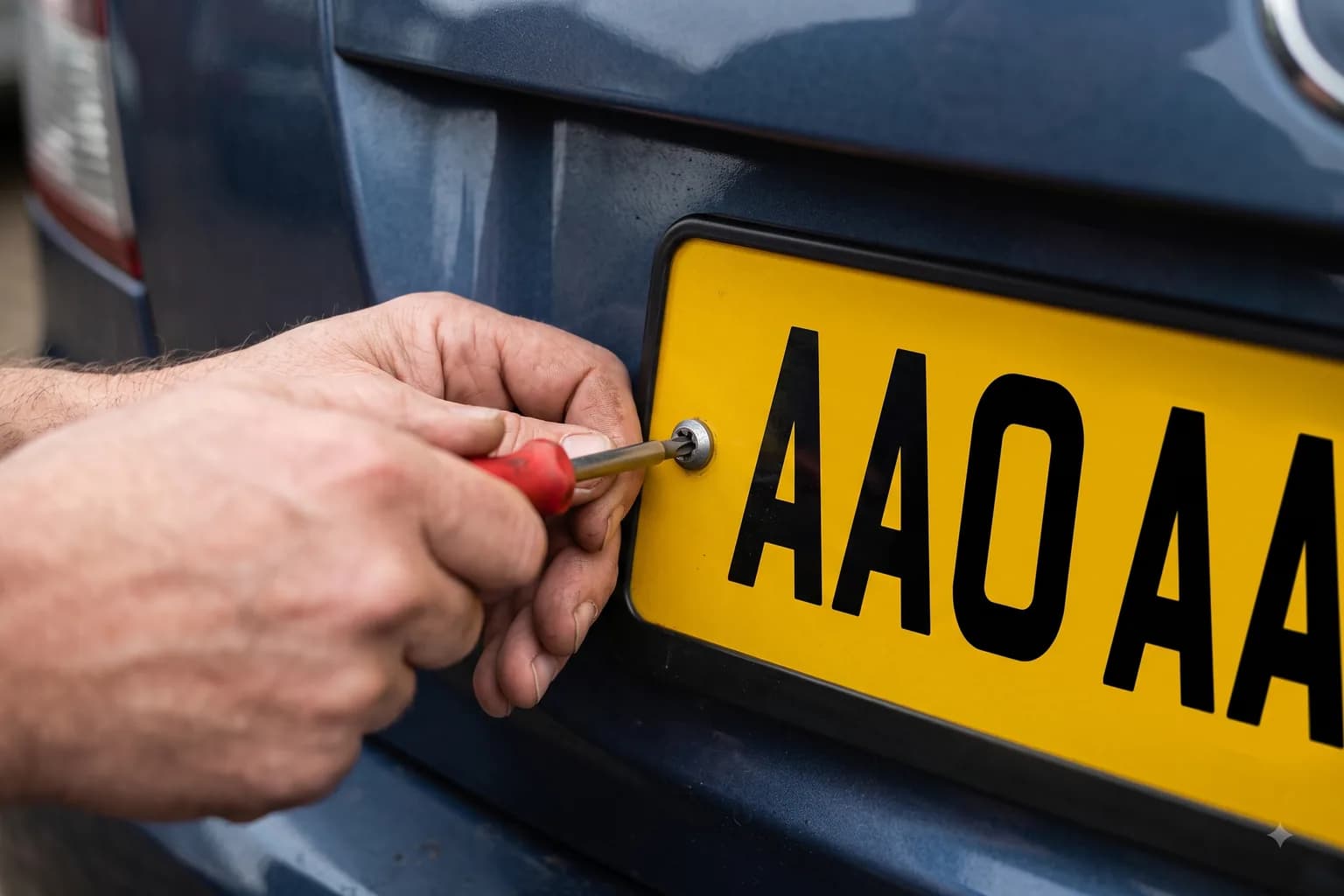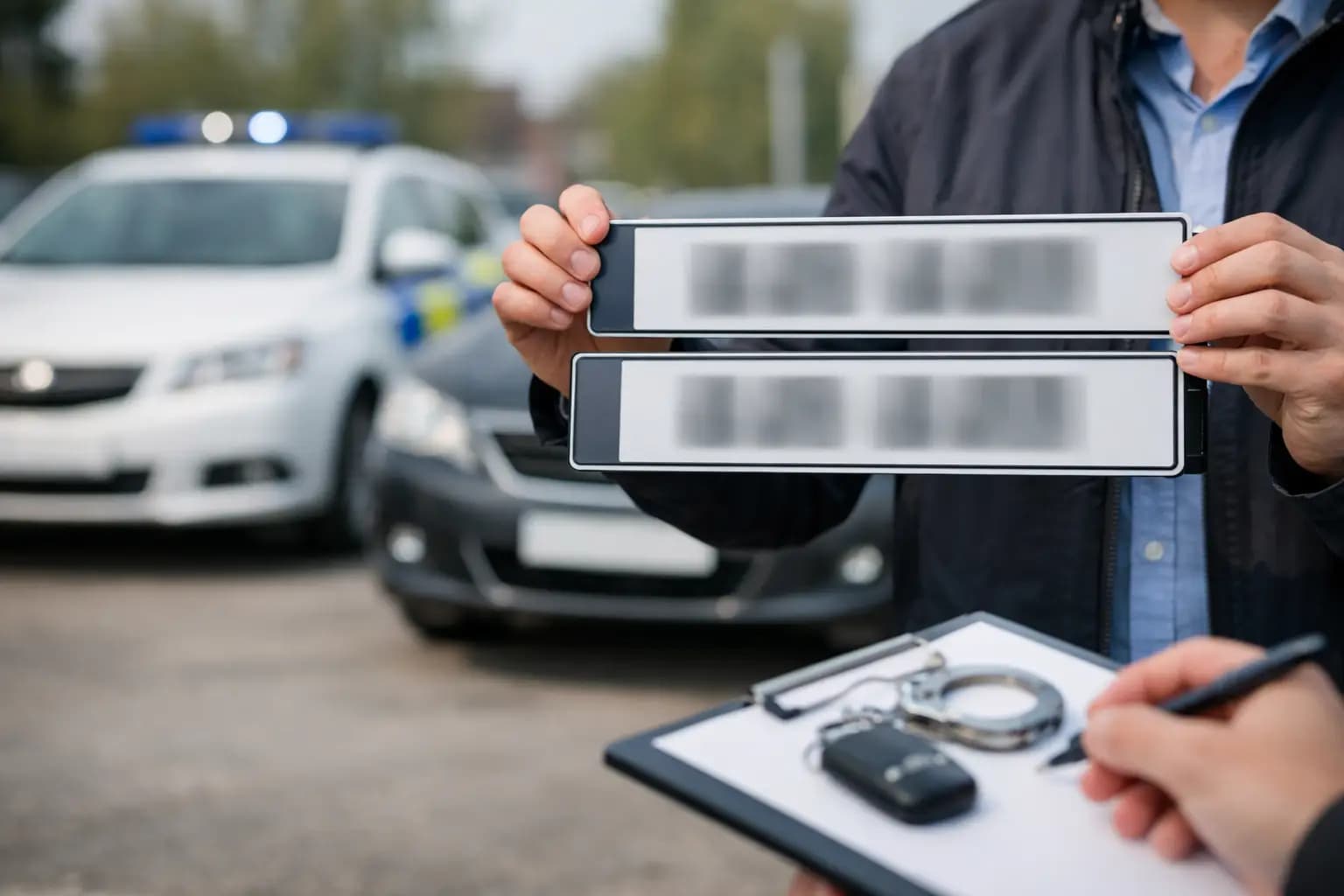
A penalty notice lands on your doormat for a place your vehicle has never been. Then another follows. For many drivers, that is the moment they realise they need to report cloned number plates - not as an admin task, but as an urgent security response.
Number plate cloning is not a minor inconvenience. It can trigger parking fines, congestion charges, speeding allegations, insurance complications and repeated questions about your vehicle's movements. If you run a fleet, the risk grows quickly. One cloned registration can disrupt operations, create compliance headaches and damage trust with drivers and customers.
The key is speed. The sooner you identify suspicious activity, preserve evidence and notify the right organisations, the stronger your position will be.
Why cloned plates need an immediate response
A cloned number plate is a copied registration used on another vehicle, usually to avoid detection after fuel theft, toll evasion, parking offences or more serious criminal activity. The copied plate may be attached to a vehicle of the same make and model to reduce suspicion, but that is not always the case.
The real problem is that enforcement systems often read the registration first. If your plate details are being used elsewhere, the burden can shift to you to prove your vehicle was not involved. That takes time, records and persistence.
This is why drivers should treat cloning as vehicle identity fraud. You are not simply disputing a fine. You are dealing with unauthorised duplication tied to your registration, your vehicle record and potentially your name and address.
How to spot signs before you report cloned number plates
In some cases, the first warning is an unexpected letter. In others, the signs are more subtle. You might notice fines from roads you have not used, enquiries about incidents in another town, or failed toll payments linked to journeys you did not make. Some drivers become aware only when police stop them because their registration has been flagged.
Look closely at dates, locations and camera images. If a notice shows your registration in Manchester while your vehicle was parked in Bristol at the same time, that is a strong indicator. If the photographed vehicle has different trim, badges, wheel design or body damage, keep that evidence immediately.
For fleet operators, central oversight matters. Repeated notices across multiple sites, unexplained route conflicts or duplicated plate activity on different vehicles can point to a broader security issue rather than a one-off administrative error.
What to do first
Before you contact anyone, gather your proof. A calm, evidence-led response is far more effective than a rushed complaint.
Start with the notice, letter or reference number that raised concern. Then collect dated photos of your actual vehicle, including front and rear plates, make, model, colour and any distinctive features. If possible, pull together supporting records that place your vehicle elsewhere at the relevant time. That may include dash cam footage, CCTV, workplace parking logs, delivery records, fuel receipts or location data.
If your vehicle was at home, private CCTV or a neighbour's camera may help. If it was in use for business, driver schedules and telematics can be particularly strong evidence.
The aim is simple: show that your vehicle identity has been copied and that your actual vehicle was somewhere else.
Where to report cloned number plates in the UK
You should report the matter to the police using the non-emergency route unless there is an immediate threat or active criminal incident. In most cases, that means reporting through 101 or your local police reporting channel. Explain clearly that you believe your registration has been cloned and that offences or notices are being attributed to your vehicle in error.
Ask for a crime reference number or incident reference number. This matters. You may need it when challenging penalties, updating insurers or responding to future enforcement notices.
You should also contact the issuing authority for any fine or charge. That may be a police force, local authority, private parking operator or tolling body. Send a concise explanation, include your evidence and provide the police reference if available. Do not assume one report will automatically update every organisation involved.
If you suspect the issue relates to unlawful plate supply or duplication, it may also be sensible to review who has had access to your registration details and where your plate may have been displayed publicly.
What to say when you report it
Clarity helps. State that your number plate appears to have been cloned, identify the notice or incident, and explain why it cannot relate to your vehicle. Avoid vague wording. Be direct.
For example, you can say that your registration has been used on another vehicle without authorisation, that your vehicle was in a different location at the time, and that you have supporting evidence available. Include the vehicle make, model and colour of your actual car or van and mention any mismatch shown in the notice image.
This is also the point to flag repeat incidents. If you have received more than one fine or enquiry, say so. A pattern helps demonstrate that this is not an isolated dispute.
After you report cloned number plates, what happens next?
There is no single national process that resolves every cloning case overnight. Outcomes depend on who issued the notice, how strong your evidence is and whether further offences are linked to the cloned registration.
Some authorities will cancel charges quickly once they see a clear mismatch. Others may ask for more documentation. Police may record the matter and use the information operationally, but that does not always stop future notices from being generated straight away. That is the frustrating part.
This is why ongoing monitoring matters. A cloned plate problem is rarely solved by one phone call. If your registration remains exposed, you may need to respond more than once while records catch up and enforcement systems are updated.
Prevention matters more than replacement
Many drivers only act after fraud has already caused cost and stress. By then, the focus is reactive - disputing notices, contacting insurers and proving innocence. That is necessary, but it is not enough.
The stronger approach is to reduce the chance of prolonged misuse in the first place. That means treating your registration as a security asset, not just a legal identifier attached to your vehicle.
A specialist system built around registration, detection and alerting gives drivers and fleet operators far more control. Instead of waiting for a letter weeks later, you are working from a security-led model that tracks suspicious duplication activity and supports rapid response. That is where a platform such as Protect A Plate fits naturally, using proprietary tech and an encrypted global tracking database to help identify misuse earlier and support verification when questions arise.
The trade-off: standard reporting versus active monitoring
It depends on your level of risk. If you drive occasionally and have never seen suspicious activity, basic awareness and prompt reporting may be enough for now. But if you travel widely, park in public locations often, operate commercial vehicles or have already experienced cloning once, relying only on reactive reporting leaves a gap.
Standard reporting deals with the aftermath. Active monitoring is designed to detect warning signs before the damage spreads. For private motorists, that can mean less stress and faster evidence gathering. For fleets, it can mean protecting multiple registrations at scale and reducing admin time spent untangling false penalties.
The trade-off is straightforward. Prevention requires a proactive mindset. But compared with repeated fines, operational delays and reputational risk, many drivers will see that as a sensible layer of control.
Protecting your records from this point on
Once your plate has been cloned, keep a structured file. Save every notice, every email, every reference number and every image. Take fresh photographs of your vehicle and plates regularly, especially if anything changes such as damage, repairs or replacements.
If you sell the vehicle, update records promptly and keep proof of transfer. If you run a fleet, make sure drivers know how to escalate suspicious notices immediately rather than leaving them in a depot office for a week.
Good records do not prevent cloning by themselves, but they shorten the gap between accusation and proof. That can make a real difference when time, money and vehicle credibility are on the line.
A cloned plate problem can feel personal because it is your registration, your post and your liability being questioned. The right response is not panic. It is fast reporting, clear evidence and stronger control over your vehicle identity from this point forward.