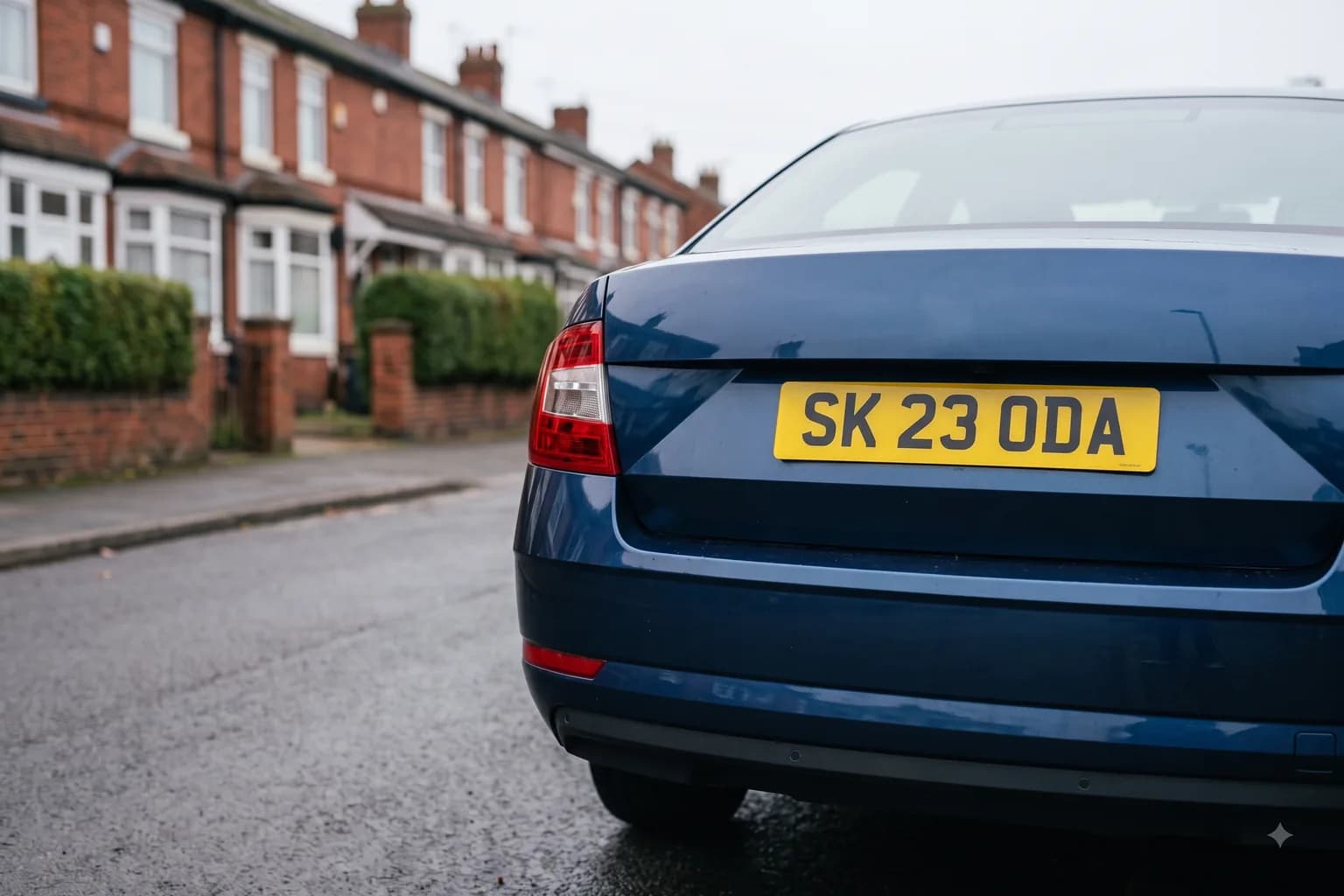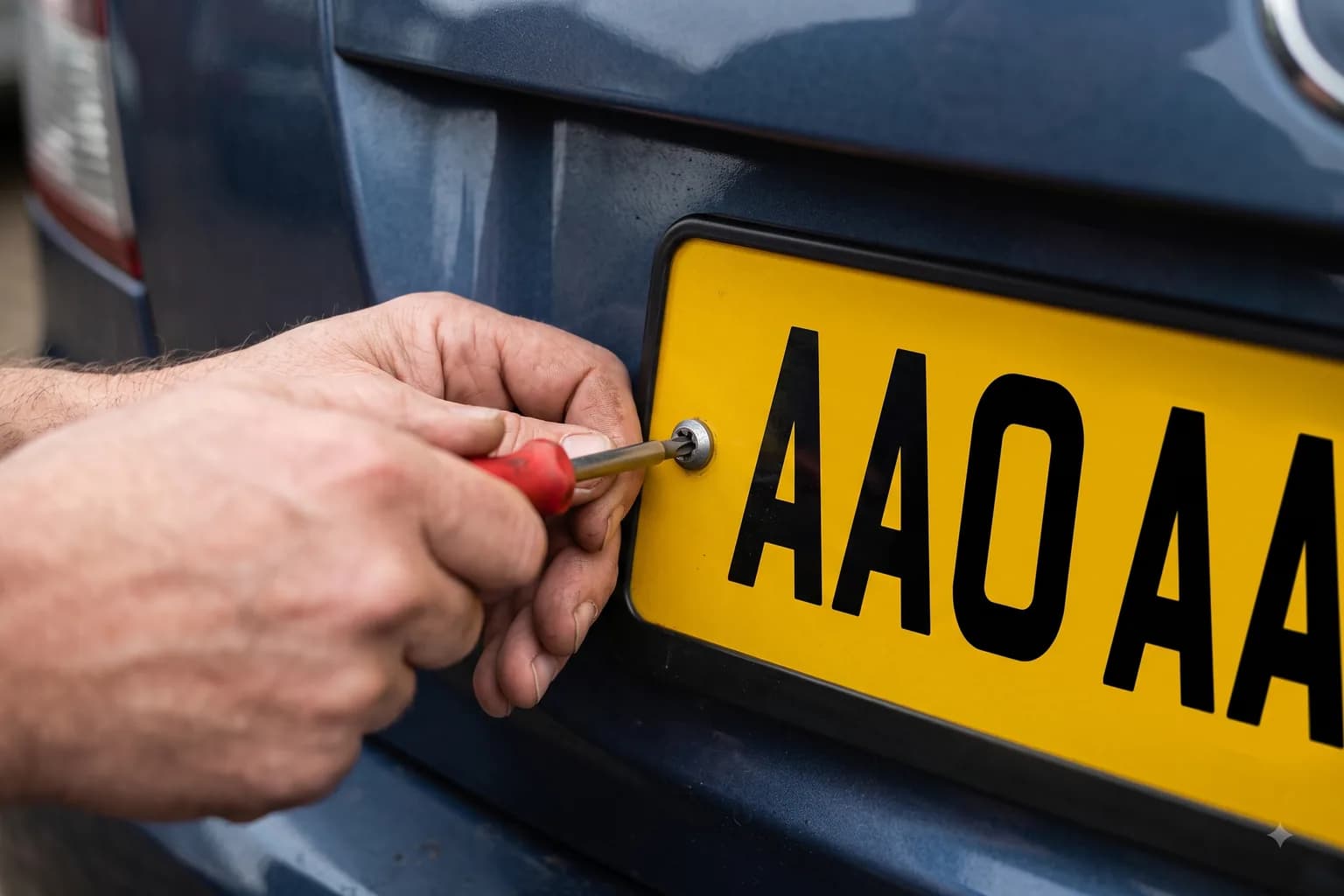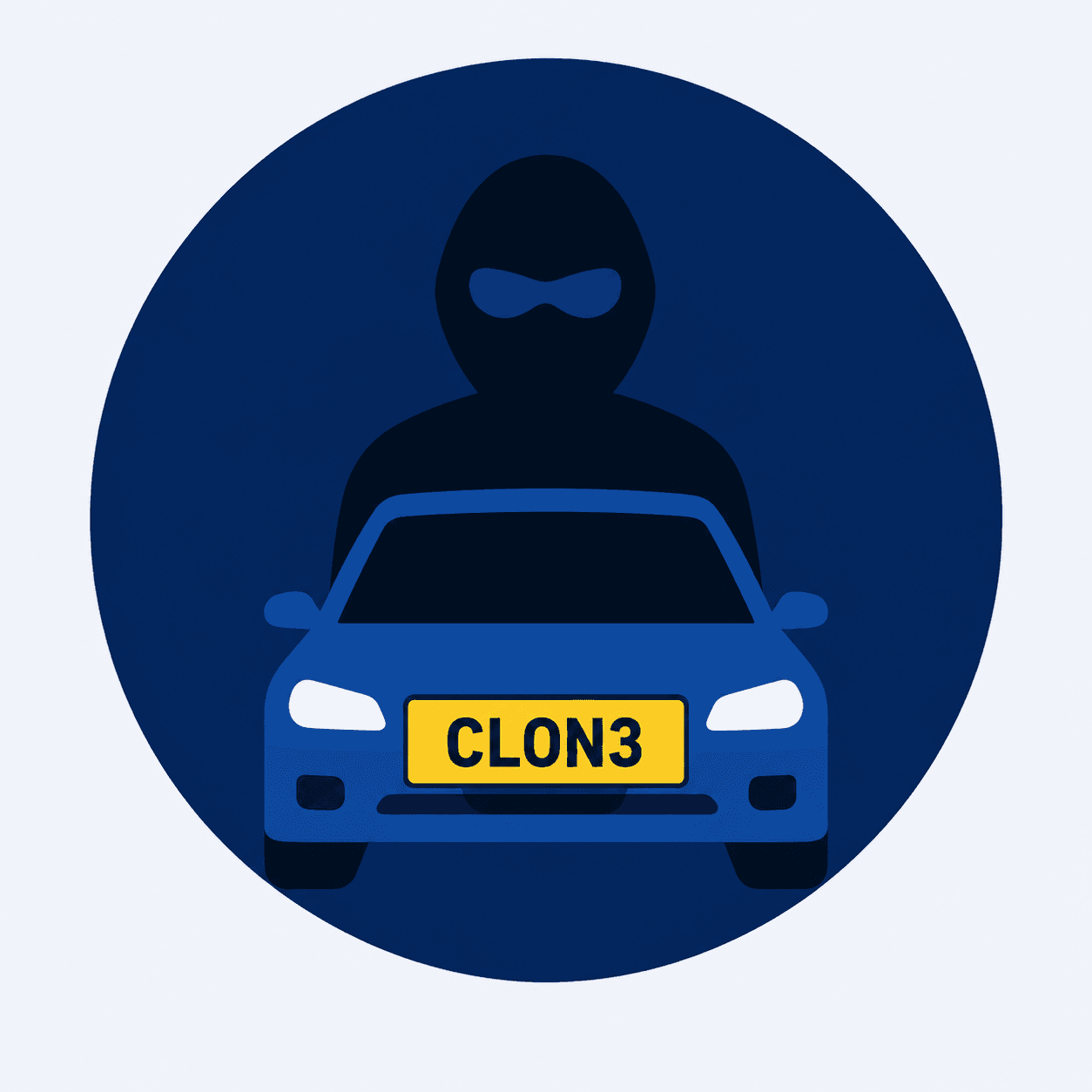
Number plate cloning is one of the fastest-growing forms of vehicle fraud in the UK. Criminals copy your registration number, attach it to another vehicle, and then commit offences — speeding, running red lights, evading congestion and ULEZ charges — all in your name.
If your plate is cloned, you could receive fines, penalty notices, and even police visits for crimes you didn't commit. In this guide, we will explain exactly what number plate cloning is, how it happens, how to spot the warning signs, and most importantly, how to protect yourself.
Shield your plate today. Protect A Plate monitors your registration and alerts you instantly if someone requests your plate from a supplier. Register your plate here.
What Is Number Plate Cloning?
Number plate cloning is the illegal practice of copying a vehicle's registration number onto a fake or duplicate set of number plates. Criminals then fit these plates to a different vehicle — typically one that looks similar to yours — so they can drive undetected by ANPR cameras and avoid tolls, fines, and fuel charges.
The cloned vehicle effectively becomes a "ghost car" — it carries your identity but is driven by someone else entirely. Any offences committed by that vehicle are traced back to your registration, and you are the one who receives the fines, the penalty points, and the police attention.
According to a 2025 Guardian investigation, more than 130 official number plate suppliers in the UK were willing to sell cloned plates without proper checks — highlighting just how easy it has become for criminals to obtain copies of your registration.
How Does Number Plate Cloning Work?
Cloning typically follows one of two methods:
Method 1: Supplier fraud
Criminals visit a number plate supplier with false or stolen documents claiming they need a replacement set of plates. Some suppliers fail to carry out proper document checks, meaning the criminal walks away with a legitimate-looking set of plates bearing your registration number.
Method 2: Online purchase
Some criminals source plates online from suppliers that do not require proof of entitlement. They simply enter a registration number they have spotted on a parked car and receive plates through the post.
In both cases, the criminal now has a set of plates that look identical to yours and will pass most visual checks. ANPR cameras read the plate and log it against your vehicle — not theirs.
Why Is Number Plate Cloning Increasing?
Several factors have contributed to the rise in cloning:
- ULEZ and clean air zones: Drivers in cities like London face daily charges of £12.50 or more. Cloning a plate lets criminals avoid these fees entirely.
- Speed cameras and ANPR: With over 11,000 speed cameras and widespread ANPR coverage across the UK, cloning offers criminals a way to evade detection.
- Fuel theft: Drive-offs at petrol stations are often committed using cloned plates so the theft cannot be traced.
- Easy access: As the Guardian investigation showed, obtaining cloned plates is disturbingly simple.
Warning Signs Your Plate May Have Been Cloned
You might not know your plate has been cloned until it is too late. Here are the warning signs to watch for:
- Unexpected fines or penalty notices — PCNs, speeding tickets, or ULEZ charges for journeys you did not make
- NIPs (Notice of Intended Prosecution) — postal letters accusing you of driving offences
- Police contact — officers visiting your home or sending correspondence about incidents involving your registration
- Fuel drive-off notices — petrol stations reporting your plate for unpaid fuel
- Insurance irregularities — your insurer raising questions about claims or incidents you are unaware of
- DVLA queries — receiving correspondence about your vehicle that does not make sense
If you spot any of these signs, follow our step-by-step guide on what to do if your plate is cloned.
What to Do If Your Number Plate Is Cloned
If you suspect your plate has been cloned, act quickly:
- Report it to the police — Call 101 or visit your local station. Ask for a crime reference number. This is essential for appealing fines.
- Notify the DVLA — Contact the DVLA to flag the cloning on your vehicle record.
- Appeal any fines — Use your crime reference number to challenge PCNs, speeding tickets, and ULEZ charges. Most issuing authorities will suspend enforcement while investigating.
- Inform your insurer — Let your insurance company know, as cloned plates can affect claims and premiums.
- Keep evidence — Dashcam footage, parking receipts, fuel receipts, and anything that proves where you were when the offence occurred.
- Consider replacing your plates — In some cases, getting a new set of plates with a slight variation (if the DVLA allows) can stop the cloning.
Get early warning with Protect A Plate. We monitor your registration and send you an instant alert the moment someone requests your plate from a supplier — giving you early warning before the cloned plate is even fitted. Sign up and protect your plate.
How to Prevent Number Plate Cloning
While you cannot stop someone from copying your registration number, you can take steps to detect it early and protect yourself:
- Register with Protect A Plate — Get instant alerts if your plate is requested by a supplier, so you know immediately and can act before offences are committed.
- Use anti-theft screws — Tamper-proof number plate screws make it harder for thieves to physically steal your plates.
- Park in secure locations — Where possible, park in well-lit areas or secure car parks to deter plate theft.
- Do not share your plate publicly — Be mindful of photos on social media that clearly show your registration.
- Check your post — Open all post promptly so you catch any unexpected fines or notices early.
Number Plate Cloning — Frequently Asked Questions
Is number plate cloning illegal?
Yes. Under the Road Vehicles (Registration and Licensing) Regulations 2002, it is illegal to display a number plate that does not belong to the vehicle. Cloning is fraud and can result in prosecution.
How common is number plate cloning in the UK?
Cloning is increasing rapidly. A 2025 Guardian investigation found over 130 suppliers willing to sell cloned plates. ULEZ expansion and rising fuel costs have made cloning more attractive to criminals.
Will I have to pay fines if my plate is cloned?
No — if you can prove your plate was cloned, the fines should be cancelled. Report to the police immediately and use the crime reference number to appeal all penalties.
Can I get a new number plate if mine is cloned?
In some cases, the DVLA may issue you a new registration number if cloning persists. You would need to contact the DVLA and provide evidence of the ongoing issue.
How does Protect A Plate detect cloning?
Protect A Plate works with registered number plate suppliers across the UK. When a supplier receives a request to make up a plate bearing your registration, we send you an instant alert — so you know before the plate is even produced.
How much does number plate protection cost?
Protect A Plate offers affordable protection plans. Visit our registration page to sign up and protect your vehicle today.
Take Action Today
Number plate cloning is not going away. As ANPR coverage expands and city charges increase, criminals will continue to exploit cloned plates. The best defence is early detection — knowing the moment someone tries to copy your plate.
Register your plate with Protect A Plate today and get instant alerts if your registration is ever requested by a supplier. Do not wait for the first fine to find out you have been cloned.
Protect A Plate is a UK-based company providing vehicle registration verification and number plate protection services. Learn how it works.