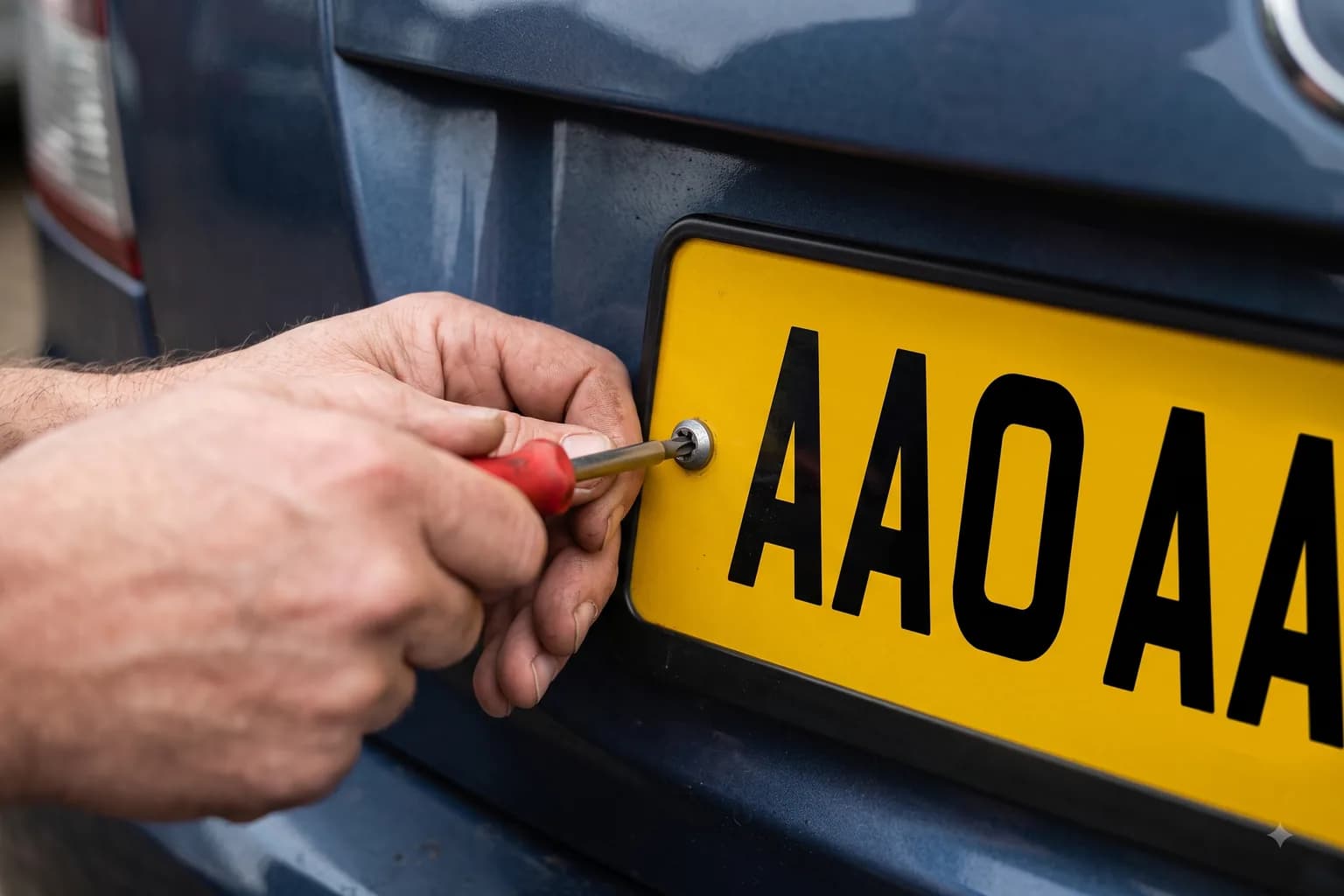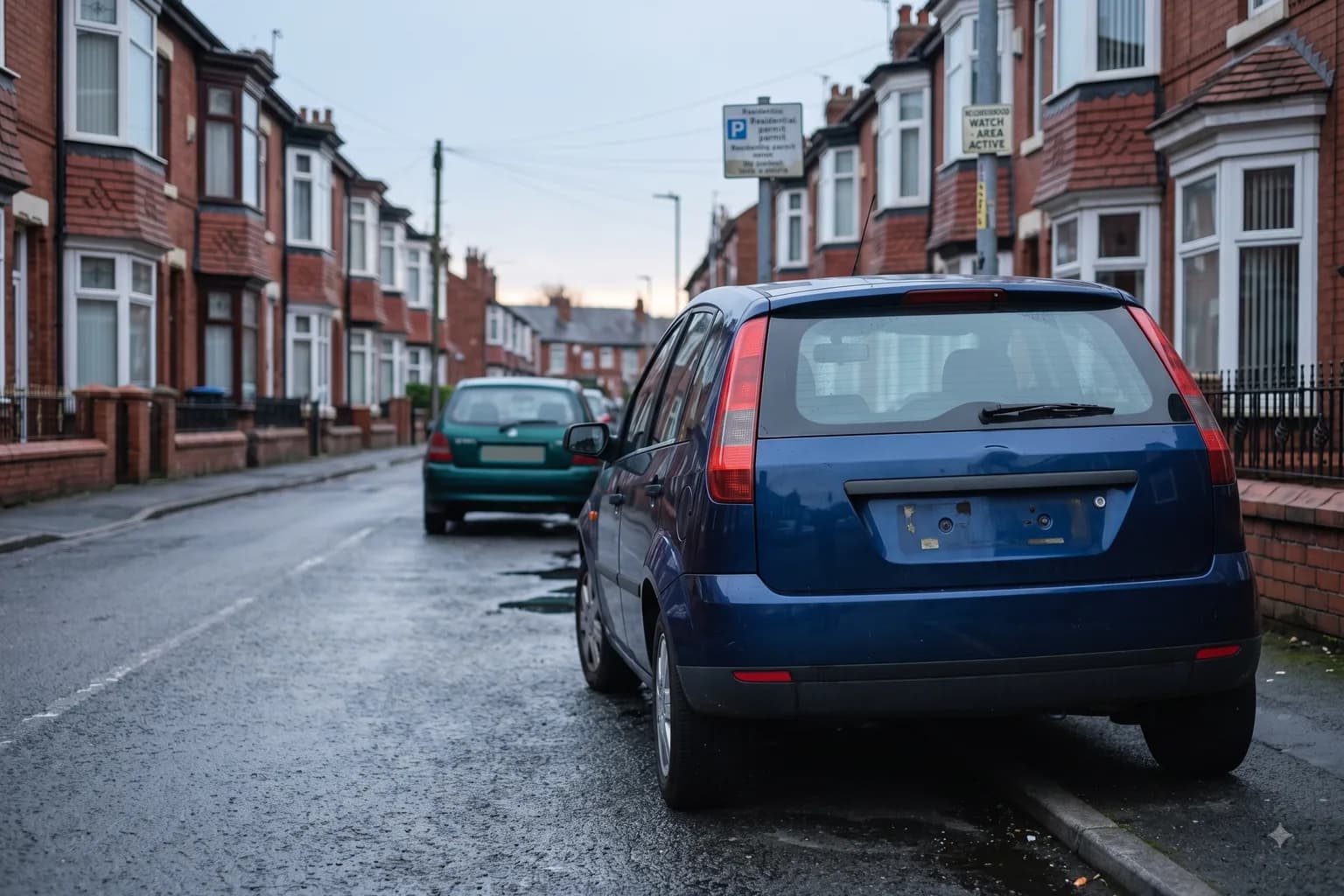
A cloned number plate can create a problem long before you see the first penalty notice. Another vehicle may be using your registration mark for fuel theft, congestion charges, parking contraventions or more serious offences, while your vehicle is parked safely at home. The question is not simply why register number plate credentials, but how quickly you can establish control when someone attempts to misuse your automotive identity.
Number plate cloning relies on a gap in visibility. A criminal copies a legitimate registration mark, fits it to another vehicle and counts on the real keeper having no immediate way to identify or challenge the duplication. Registering plate credentials closes that gap with a secure, traceable record built for verification, detection and rapid response.
What number plate credentials actually protect
Your number plate is more than a piece of reflective material. It is a public identifier connected to your vehicle, your journeys and, potentially, enforcement activity assigned to that registration mark. When that identifier is copied, the consequences can reach you first, even when you have done nothing wrong.
Number plate credentials create a protected digital record of the legitimate plate and its associated ownership information. In a properly designed system, that record can be checked against duplication activity and used to support a swift response when something does not look right. It gives your registration mark a security status rather than leaving it as an identifier that can be copied without warning.
This does not replace your legal vehicle records or remove the need to maintain accurate details with the relevant authorities. It adds a dedicated layer of protection around the identity displayed on your vehicle, where cloning begins.
Why register number plate credentials before fraud happens?
Waiting for a fine, letter or police contact is passive protection. By that point, the cloned plate may already have been used repeatedly, and you may be faced with the practical burden of proving that your vehicle was not involved. Registering early means the plate has an established security record before it becomes a target.
An encrypted tracking database can provide a clear point of reference: this registration mark has been registered, verified and placed under active monitoring. That matters when suspicious duplication is identified, because there is no delay while ownership details are assembled from scratch.
Early registration also improves the quality of your evidence. If you need to challenge an allegation, a dated record showing when your plate was protected and how it was registered can help demonstrate that you acted responsibly to secure your vehicle identity. It will not automatically cancel an enforcement notice, and every case must be assessed on its facts, but it can strengthen your position when you need to explain a cloning risk.
A stronger claim to your vehicle identity
A registration mark can be copied in minutes. Establishing a reliable ownership and verification trail after a fraud incident can take much longer. Plate credential registration reverses that imbalance.
The record links the genuine vehicle and registered user to the plate protection system, creating a recognised reference for future checks. For private motorists, this means greater confidence that there is a clear, accessible record behind the plate. For fleets, it provides a controlled way to protect multiple vehicle identities without relying on separate, informal records.
This is particularly valuable when a vehicle changes hands, is used by several authorised drivers or forms part of a high-mileage commercial operation. The more people and systems connected to a vehicle, the more useful a centralised, secure record becomes.
Detection changes the speed of response
Cloning is difficult to deal with when the first sign is a demand for payment. A proactive system is designed to identify suspicious duplication activity and raise an alert while the issue can still be investigated promptly.
Protect A Plate combines registration, detection and alerting in one security-led process. When your plate credentials are registered in an encrypted global tracking database, proprietary technology can support checks for potential unauthorised duplication. Alerts through email, SMS or push notification help ensure the right person is informed without relying on post alone.
Speed is not a minor benefit. It can affect the evidence you retain, the action you take and how quickly you can report a concern. A clear alert gives you the opportunity to check your vehicle, preserve relevant information and respond before uncertainty becomes a prolonged dispute.
Registration is a practical security control
Security only works if it can be used consistently. The strongest reason to register plate credentials is not theoretical protection. It is the ability to put a straightforward control in place before an incident tests you.
The process begins by registering the plate and the relevant credentials through a secure platform. Those details are recorded and protected within the tracking system, giving the plate a verifiable security status. Monitoring then provides ongoing oversight for suspicious duplication activity, while the alerting function brings concerns directly to your attention.
Verification is equally important. A searchable plate status tool can help confirm whether a plate has protection in place, supporting confidence for drivers, plate manufacturers and other legitimate stakeholders. This creates a more accountable environment around plate creation and distribution, rather than treating number plates as products with no security trail once they leave the supplier.
For a plate manufacturer, secure registration workflows can support responsible supply practices and provide clearer evidence of how legitimate plates are handled. For vehicle owners, the same infrastructure offers a direct route to active protection. The needs differ, but the objective is the same: make unauthorised duplication harder to hide.
What registration can and cannot do
Number plate credential registration is a preventative measure, not a guarantee that cloning will never be attempted. Determined criminals may still copy a registration mark, and drivers should continue to keep vehicle documents secure, inspect their vehicle regularly and act quickly if they receive an unexpected notice.
It also does not remove the need to challenge incorrect penalties through the appropriate process. If a cloned plate has been used, you may still need to provide evidence, contact enforcement bodies or report the matter to the police. The benefit of registration is that you are not starting from zero. You have an established record, monitoring history and a prompt alert mechanism behind you.
The level of protection required depends on your circumstances. A private driver may want reassurance against a growing and disruptive fraud risk. A fleet operator may need visibility across dozens or hundreds of registration marks, where one cloned plate can create administrative disruption and reputational concern. Plate manufacturers need controls that support legitimate production and help distinguish compliant activity from suspicious requests.
In each case, the cost of reacting late is often greater than the effort of registering early. Lost time, disputed fines, repeated phone calls and uncertainty over your vehicle's identity can quickly become more than an inconvenience.
Make your plate easier to verify, not easier to copy
A standard number plate shows a registration mark. A protected number plate has a security record behind it. That difference gives legitimate owners a clearer route to detection, verification and action when duplication is suspected.
If you rely only on the hope that your registration mark will not be copied, you leave control with the person willing to exploit it. Register your plate credentials while your vehicle identity is clear, your details are current and you can act from a position of evidence rather than uncertainty.