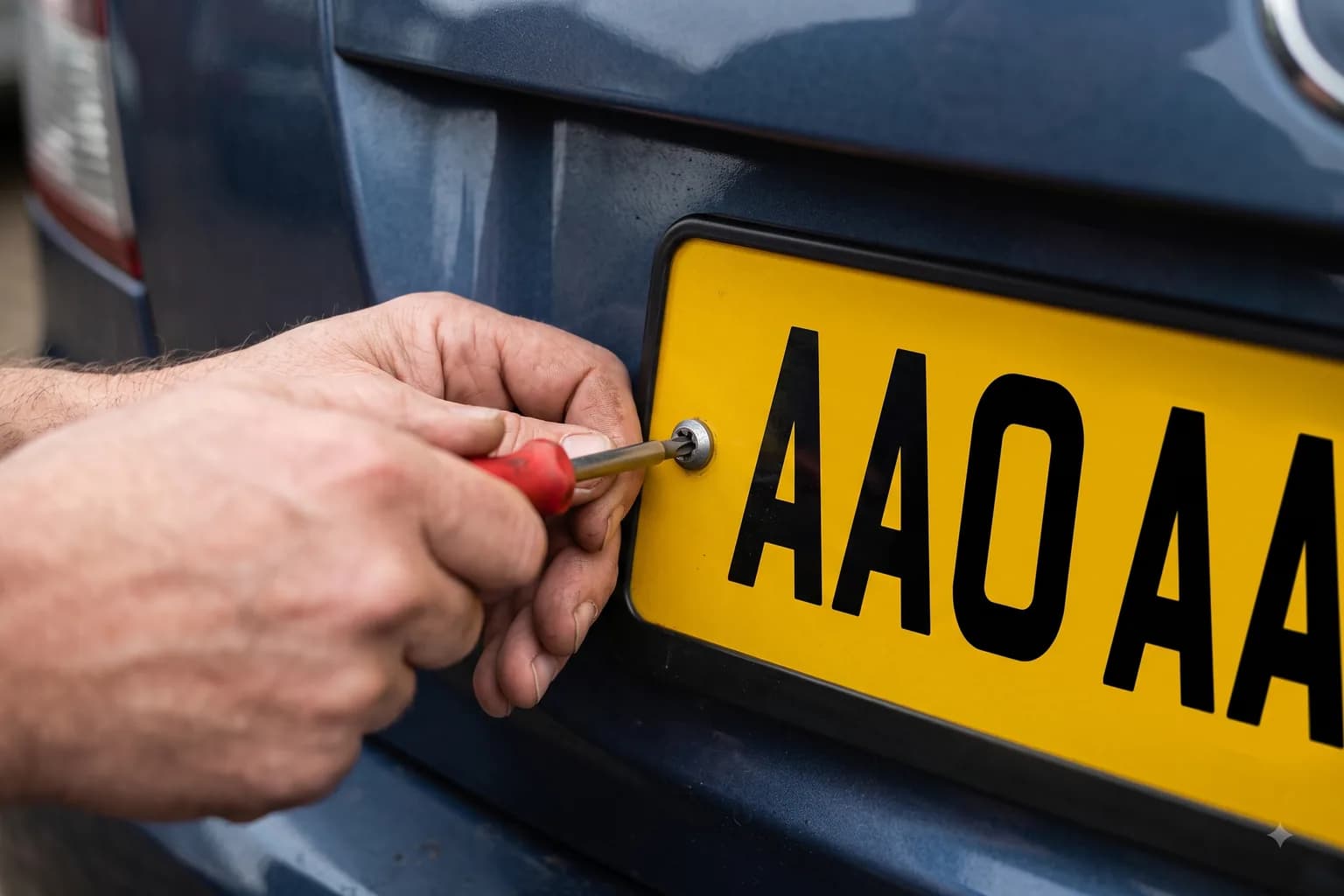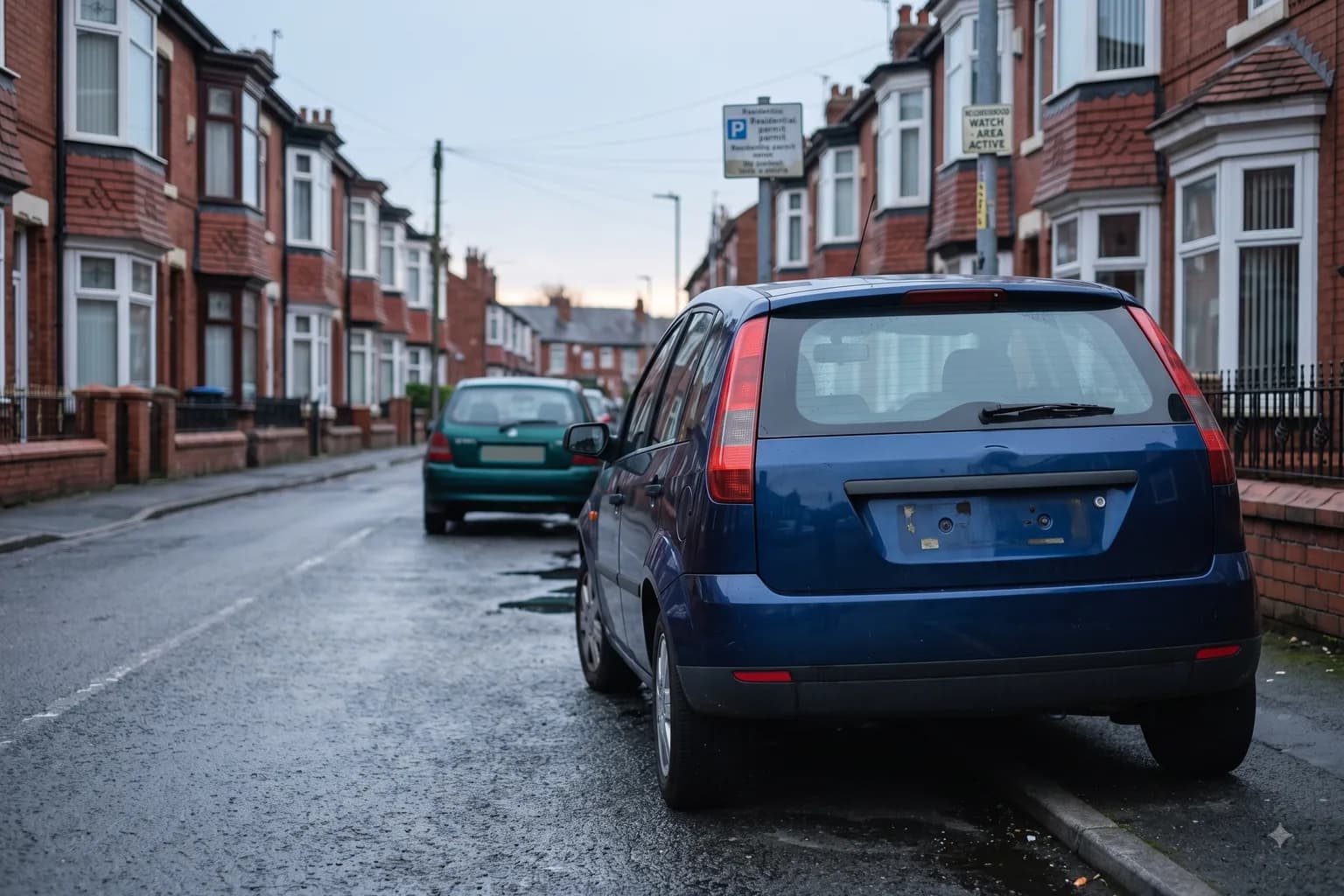
A cloned plate rarely announces itself. It shows up as a parking charge from a town you have never visited, a speeding notice tied to a journey you did not make, or a phone call that leaves you trying to prove a negative. That is exactly why a number plate security system matters. If your registration is your vehicle's public identity, protecting it should not start after fraud has already happened.
For many UK drivers, number plate fraud still feels like a niche problem until it lands on their doormat. In practice, the damage can spread quickly. A cloned registration can be used to dodge charges, conceal criminal activity, trigger enforcement action and create a paper trail that points straight at the wrong driver. Replacement plates and manual reports may form part of the response, but they do not prevent misuse in the first place. Prevention, monitoring and rapid verification do.
What a number plate security system actually does
A number plate security system is not just a database entry and it is not the same as ordering a plate with extra fixings or a branded frame. A proper security-led platform is built to establish plate ownership, track suspicious activity and support fast action when something looks wrong.
At its core, the model is simple. The legitimate plate details are registered into a secure system. Those details are then monitored against signs of duplication or misuse. If an issue is detected, the registered user receives an alert and can move quickly to verify status, challenge activity or escalate the case.
That matters because number plate cloning is fundamentally an identity problem. Once someone copies your registration, the issue is no longer only physical. It becomes digital, legal and administrative. A security system needs to reflect that reality.
Why passive protection is no longer enough
A plate can be copied without your vehicle ever being touched. That is the uncomfortable part. Drivers often assume risk begins with theft or tampering, when in many cases all a fraudster needs is a visible registration and a matching vehicle type. By the time the first fine or notice arrives, the cloned identity may already have been used multiple times.
Traditional responses are often reactive. You gather evidence, contact the police, challenge tickets and inform the DVLA or relevant issuer. Sometimes that works quickly. Sometimes it becomes a drawn-out process of documentation, appeals and repeated explanations.
A number plate security system changes the position you start from. Instead of trying to rebuild the story after the fact, you have a pre-registered security record, an audit trail and a mechanism for early detection. That can reduce confusion, shorten response times and give both private owners and fleet operators more control when every hour counts.
The three functions that matter most
The strongest systems tend to revolve around three connected functions - registration, detection and alerting.
Registration creates a trusted record
Registration is the foundation. If there is no verified record of plate ownership and status, every later dispute starts from a weaker position. Secure registration ties the plate to legitimate credentials within an encrypted environment, helping establish a clear reference point if duplication is suspected.
For individual motorists, that means less ambiguity. For commercial users, it means a more reliable process across multiple vehicles and users. For manufacturers, it introduces better control around how legitimate plates are recorded and tracked.
Detection gives you visibility before the fallout spreads
Detection is where many standard approaches fall short. Most motorists only learn of cloning through external enforcement or third-party contact. By then, the issue has already escaped into the real world.
A security-focused platform is designed to identify suspicious duplication signals earlier. The exact indicators depend on the system architecture, but the principle is constant: if a registration appears to be active in a way that does not match its legitimate profile, the user should know quickly.
Early visibility does not remove every risk, but it shifts the balance. Instead of being the last person to know, the legitimate plate holder is brought into the process fast.
Alerting turns detection into action
Detection alone is not enough if the warning arrives too late or in the wrong place. Alerting needs to be immediate and practical. Email, SMS and push notifications all have their place, especially when the goal is to reduce delay and prompt a documented response.
That speed matters for more than convenience. Fraud issues tend to compound. The longer a cloned registration remains unchecked, the more notices, queries and liability concerns can follow. A fast alert gives the owner a chance to verify status, preserve evidence and begin the response before the situation becomes harder to untangle.
Who needs number plate protection most
Private motorists are obvious candidates, but they are not the only ones. Any driver whose registration is regularly visible in public has exposure, and some groups carry greater operational risk than others.
Fleet operators face a wider threat surface because they manage multiple vehicles, multiple drivers and multiple locations. If even one registration is cloned, the administrative drag can spread across transport teams, compliance staff and customer service functions. Lost time becomes a real cost.
Security-conscious drivers are another important group. These are the motorists who understand that prevention is usually cheaper than dispute resolution. They do not want to wait for a fine to discover that their registration has been copied.
Plate manufacturers also have a role to play. If legal plate production is not connected to a secure registration and tracking framework, fraud prevention remains fragmented. A stronger workflow at the point of issue helps tighten control across the supply chain.
What to look for in a number plate security system
Not every service offers the same level of protection. Some focus on plate products. Others focus on record keeping. The more effective model is platform-based and service-led, with clear workflows for registration, monitoring, verification and response.
Look for encrypted data handling, real-time or near real-time alerting, and a searchable plate status function that supports quick checks when concerns arise. Just as important is usability. Security only works if drivers, administrators and manufacturers can use it quickly under pressure.
It is also worth considering the difference between a general vehicle admin tool and a specialist anti-cloning system. General tools may store vehicle details, but they are not always designed around duplication risk. A specialist platform is built for a narrower threat, which usually means faster workflows and clearer decision points when something suspicious appears.
There is, however, a trade-off. A dedicated system asks users to take action before anything goes wrong. Some drivers delay because they have not personally experienced fraud. That hesitation is understandable, but it is exactly what reactive fraud depends on.
Why verification is as important as detection
Detection tells you there may be a problem. Verification helps prove what is legitimate. That distinction matters when you are challenging a charge, speaking to an enforcement body or reviewing activity across a fleet.
A searchable plate status tool can make that process cleaner. Instead of relying on fragmented records or ad hoc communications, users can check the registered status of a plate and support their case with a stronger evidence base. For businesses, that also improves internal coordination. Teams can see the same status quickly and respond from the same position.
This is one reason security platforms are becoming more relevant than one-off anti-fraud products. Cloning is not a single event. It is a chain of risk that needs continuous oversight.
A stronger position for UK drivers
For UK motorists, the central question is not whether number plate fraud is possible. It is whether you want to discover it through a letterbox shock or through a controlled security process designed to catch warning signs early.
That is where specialist systems are leading the way. A service built around encrypted registration, detection, instant alerting and verification gives drivers a practical layer of control over an area of vehicle identity that has often been left exposed. Protect A Plate is built around that exact principle - proactive defence rather than passive replacement.
If your registration can be copied in minutes, your protection needs to start before the first notice arrives. The sensible move is not to hope it never happens. It is to make sure your plate has a system behind it.