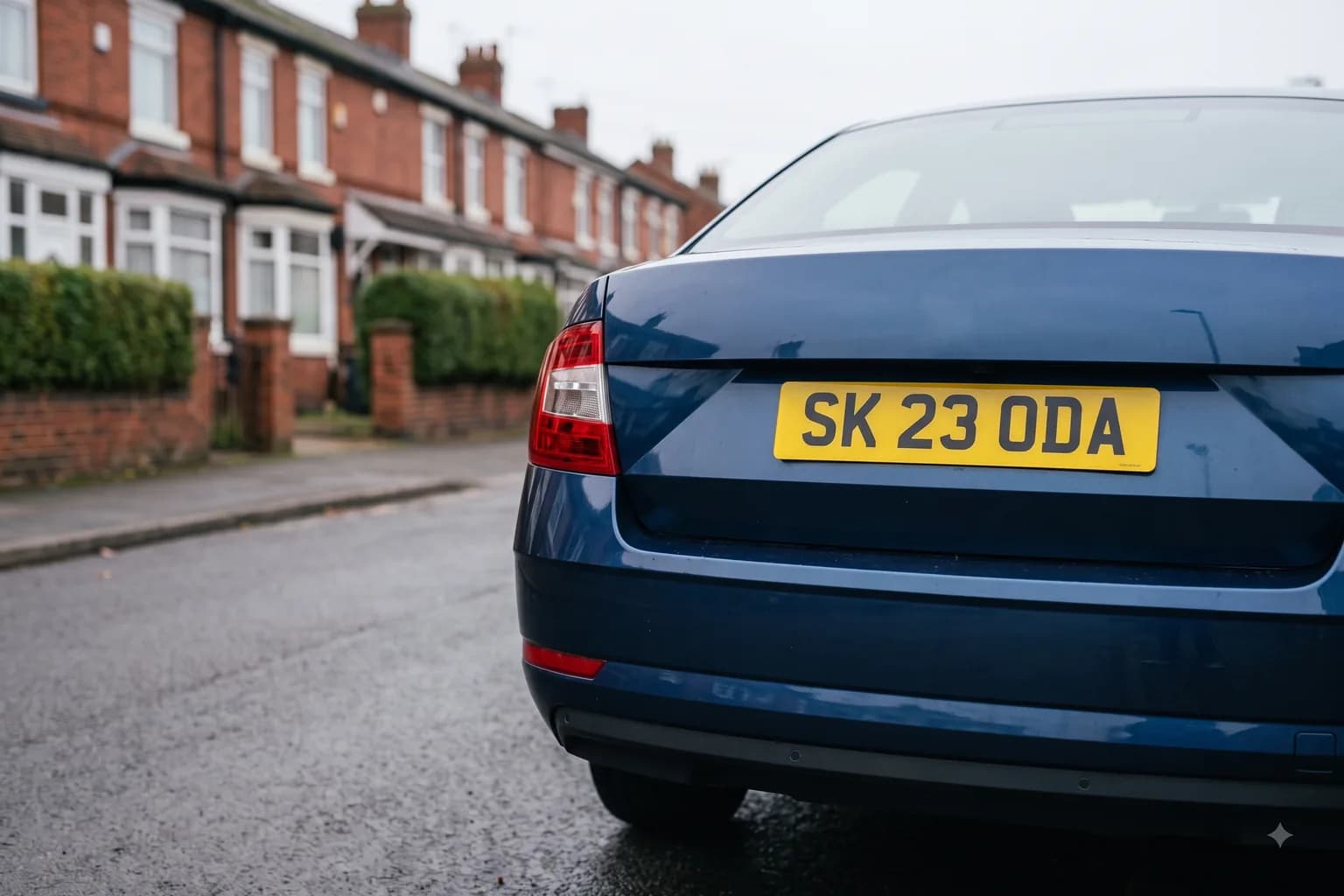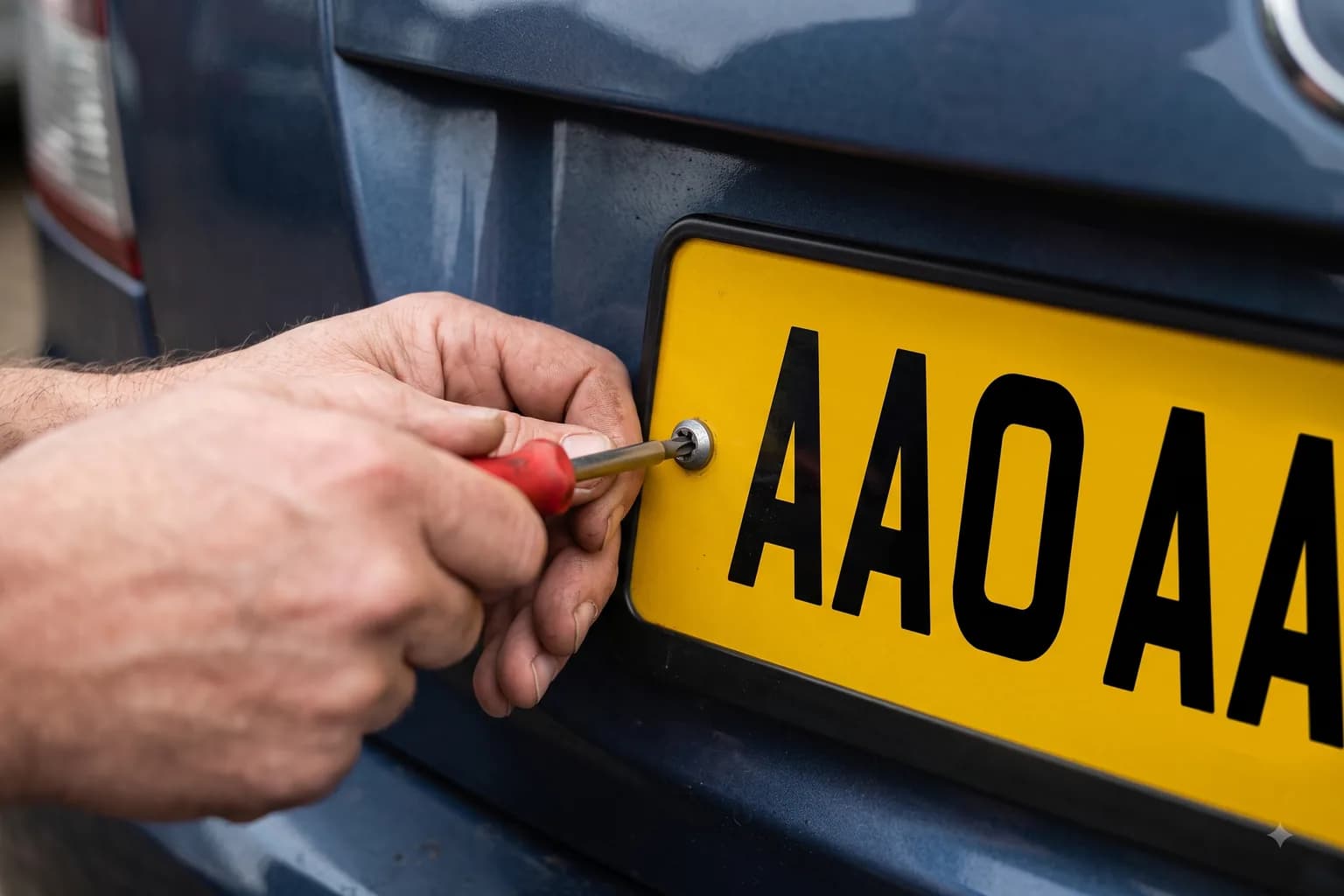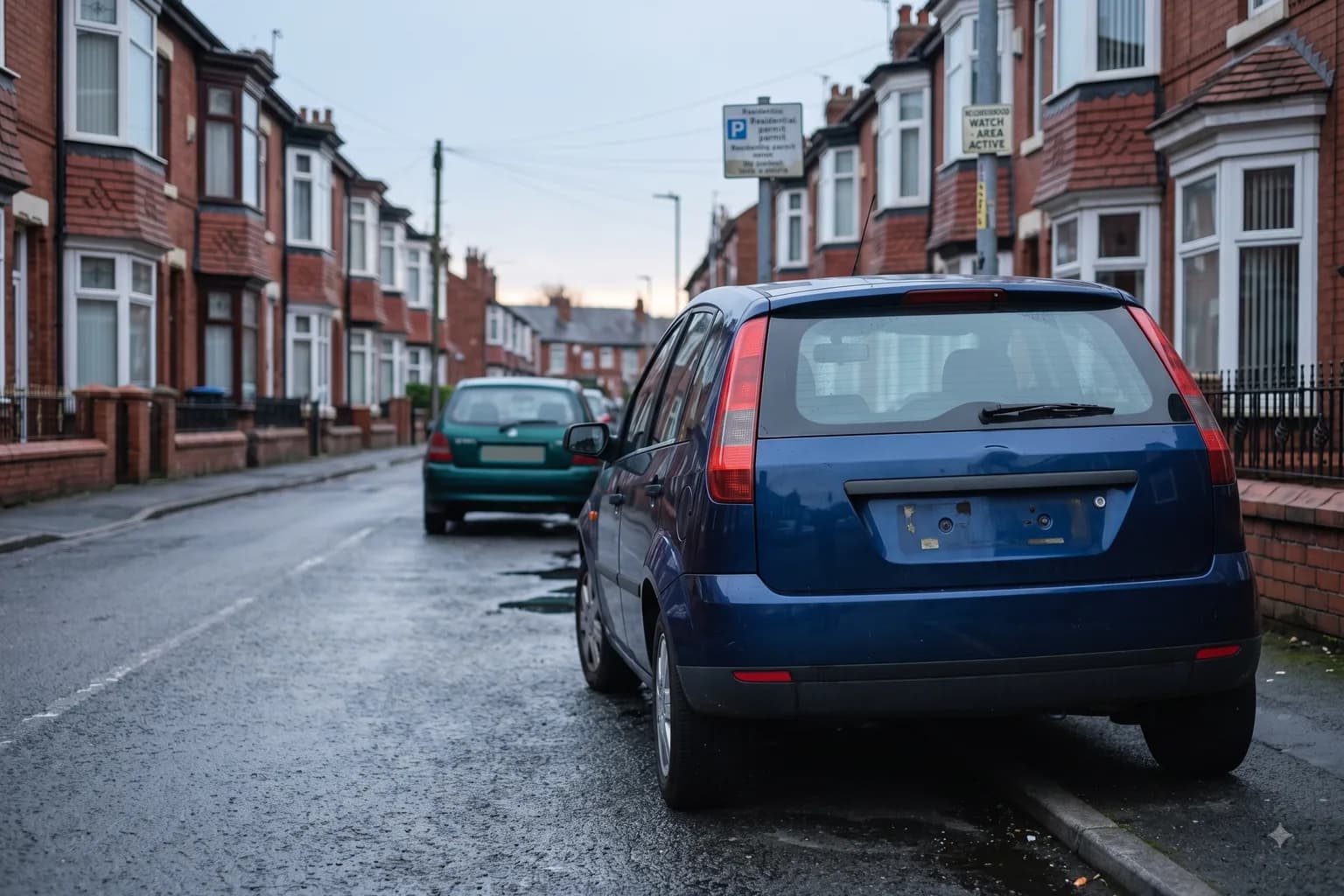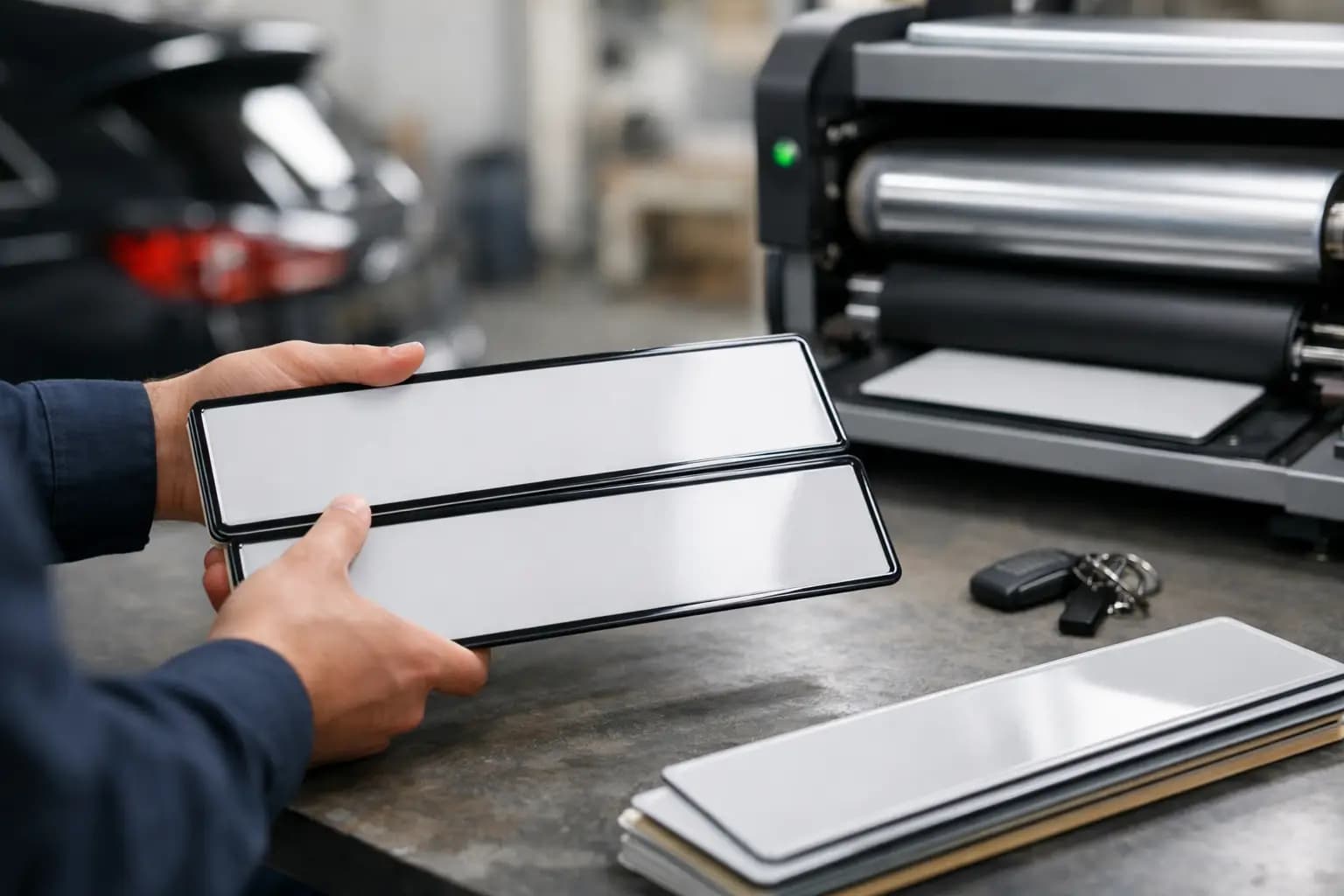
A lost, damaged or faded registration plate should be simple to replace. But the question of who can duplicate number plates matters because the same process that helps a legitimate motorist can be exploited by criminals cloning a vehicle’s identity. The difference lies in supplier checks, traceable records and whether the plate is made for lawful use on the road.
For UK drivers, fleet operators and plate manufacturers, number plate security is not a cosmetic issue. A cloned registration can leave the genuine keeper dealing with parking penalties, speeding notices, congestion charges or allegations linked to a vehicle they have never seen. Prevention starts with understanding exactly who is allowed to make replacement plates and what they must verify first.
Who can duplicate number plates in the UK?
A registered number plate supplier can make a legal replacement number plate for a vehicle. In Great Britain, suppliers that produce plates for road use must be registered with the Driver and Vehicle Licensing Agency (DVLA) under the Registered Number Plate Supplier scheme.
This includes many reputable motor factors, garages, dealerships, locksmiths and specialist plate businesses. Registration is not a badge that can be assumed from a professional-looking website or shopfront. A legitimate supplier should follow the identity and entitlement checks required before producing a plate.
The legal process is designed to prevent anyone from walking in with a registration number and leaving with plates for a vehicle they do not own or have authority to represent. That control is essential. A registration mark is a visible part of a vehicle’s identity, and unauthorised duplication can create serious consequences for the registered keeper.
What a legal supplier must check
Before producing a road-legal number plate, a registered supplier needs evidence of two things: your identity and your entitlement to use that registration mark.
Proof of identity may include a photocard driving licence, passport or another accepted document. Proof of entitlement is usually vehicle documentation that links you to the registration, such as a V5C registration certificate. Other accepted documents can apply in specific circumstances, including a new keeper supplement, a vehicle registration certificate from another authority, or relevant documentation for a fleet or hire vehicle.
The precise documents depend on the situation, but the principle does not change: the supplier should be able to establish who is ordering the plates and why they have the right to do so. They must also keep records of the transaction. Those records create accountability and give law enforcement a route to investigate if plates later appear to have been used unlawfully.
If a business offers to make road-legal plates with no meaningful questions, no documentation and no traceable order process, treat that as a warning sign rather than a convenience.
Road-legal plates are not the same as show plates
Some businesses sell so-called show plates, novelty plates or display-only plates. These may be intended for private land, exhibitions, photography or decorative use. They are not a lawful substitute for a compliant registration plate on a vehicle used on public roads.
A show-plate seller may not be operating as a registered number plate supplier for road-use plates, and the product may not meet required standards for lettering, spacing, reflectivity, markings or durability. The fact that a plate looks convincing does not make it legal.
This distinction matters for two reasons. First, fitting non-compliant plates can lead to enforcement action and MOT issues. Second, weak controls around display-only products can create an avoidable route for number plate misuse. A responsible vehicle owner should never assume that a plate advertised online is suitable for road use simply because it carries a familiar registration format.
Legal plates must meet the applicable British Standard and display the required supplier and standard markings. They must also use the correct character style, spacing and colours. Altered fonts, mis-spaced characters, tinted covers and fixing methods that obscure the registration can all make a plate non-compliant or difficult to read.
When is a duplicate plate legitimate?
There are many valid reasons to order replacement plates. A plate may be cracked after a minor collision, badly faded, stolen, lost or damaged by road debris. Owners may also need a second physical plate where the original has become unreadable.
Fleet managers often need a controlled replacement process too. Vehicles cover higher mileages, operate in harsher conditions and may be handled by multiple drivers or maintenance providers. That makes clear authorisation, supplier records and fast reporting especially valuable.
A legitimate duplicate should match the vehicle’s registered mark and be produced through the proper checks. It should not be used to conceal a vehicle’s identity, avoid road charges, imitate another car or make enforcement notices land with an innocent keeper.
The key question is not whether a plate can physically be copied. It can. The question is whether its production is authorised, documented and compliant.
How number plate cloning happens
Cloning occurs when criminals copy the registration of a legitimate vehicle and fit it to another vehicle, often one of a similar make, model and colour. The cloned vehicle may then be used for speeding, fuel theft, uninsured driving, crime or avoiding tolls and charges.
Criminals can obtain registration details from vehicles parked on the road, photographs in online adverts or images shared on social media. They do not always need access to the genuine vehicle. Once a copied plate is fitted to a similar vehicle, cameras and witnesses can struggle to distinguish the offender’s car from yours.
The first sign is often a letter through the post: a parking charge, penalty notice, speeding allegation or enforcement correspondence relating to a place you have not visited. That is why passive replacement after a problem occurs is not enough. The financial, administrative and reputational impact can build quickly while you work to prove the vehicle was not yours.
Signs your registration may have been cloned
Do not ignore official correspondence simply because you believe it is wrong. Compare the date, time, location and vehicle details with your own movements. Check whether the image shows a different model, colour, body style, wheel design, stickers or damage.
You should also act quickly if you receive notices from unfamiliar parts of the country, repeated allegations that do not match your journeys, or requests for payment connected with offences you did not commit. Keep every letter, notice and image. A clear evidence trail will help when challenging penalties and reporting suspected cloning.
Report the matter to the police using the appropriate non-emergency route unless there is an immediate risk. Contact the issuing authority promptly to dispute the notice and provide supporting evidence where available. If the issue involves vehicle records or a replacement registration, follow the relevant DVLA process as well.
Speed matters. Delays can make deadlines harder to meet and allow a criminal to continue using the copied identity without challenge.
Protecting your plate before fraud begins
No single measure removes every risk, because registration marks must remain visible and readable. However, motorists can reduce exposure by using trusted, registered suppliers, avoiding unverified online plate sellers and keeping vehicle documentation secure.
Be selective about where you publish clear images of your registration. Selling a vehicle online may require photographs, but there is rarely a need to post high-resolution images of the plate across public social channels. If you manage a fleet, set an approved supplier policy and ensure only authorised staff can request replacements.
For proactive protection, monitoring adds a layer that a physical plate alone cannot provide. Protect A Plate uses proprietary tech and an encrypted global tracking database to support registration, detection, verification and instant alerts when suspicious duplication activity is identified. It gives drivers and commercial operators greater control over a registration mark that criminals may otherwise treat as easy to copy.
What to ask before ordering replacement plates
Choose a supplier that is prepared to verify you properly. Ask whether it is a DVLA-registered number plate supplier, what documents it requires, and whether its plates are made to the current road-legal standard. A legitimate business will not treat these questions as an inconvenience.
Check the finished plate before fitting it. The registration should be accurate, readable and correctly spaced, with the required markings present. Do not modify it afterwards with covers, fonts, screws or accessories that change how the characters appear.
For business vehicles, retain an internal record of who authorised the order, which supplier produced the plates and when they were fitted. That discipline supports compliance and provides useful evidence if a plate is later lost, stolen or misused.
Your registration mark is more than a line of characters at the front and rear of your vehicle. Treat it as part of your automotive identity: verify every replacement, question every shortcut and act on suspicious activity before someone else’s journey becomes your problem.