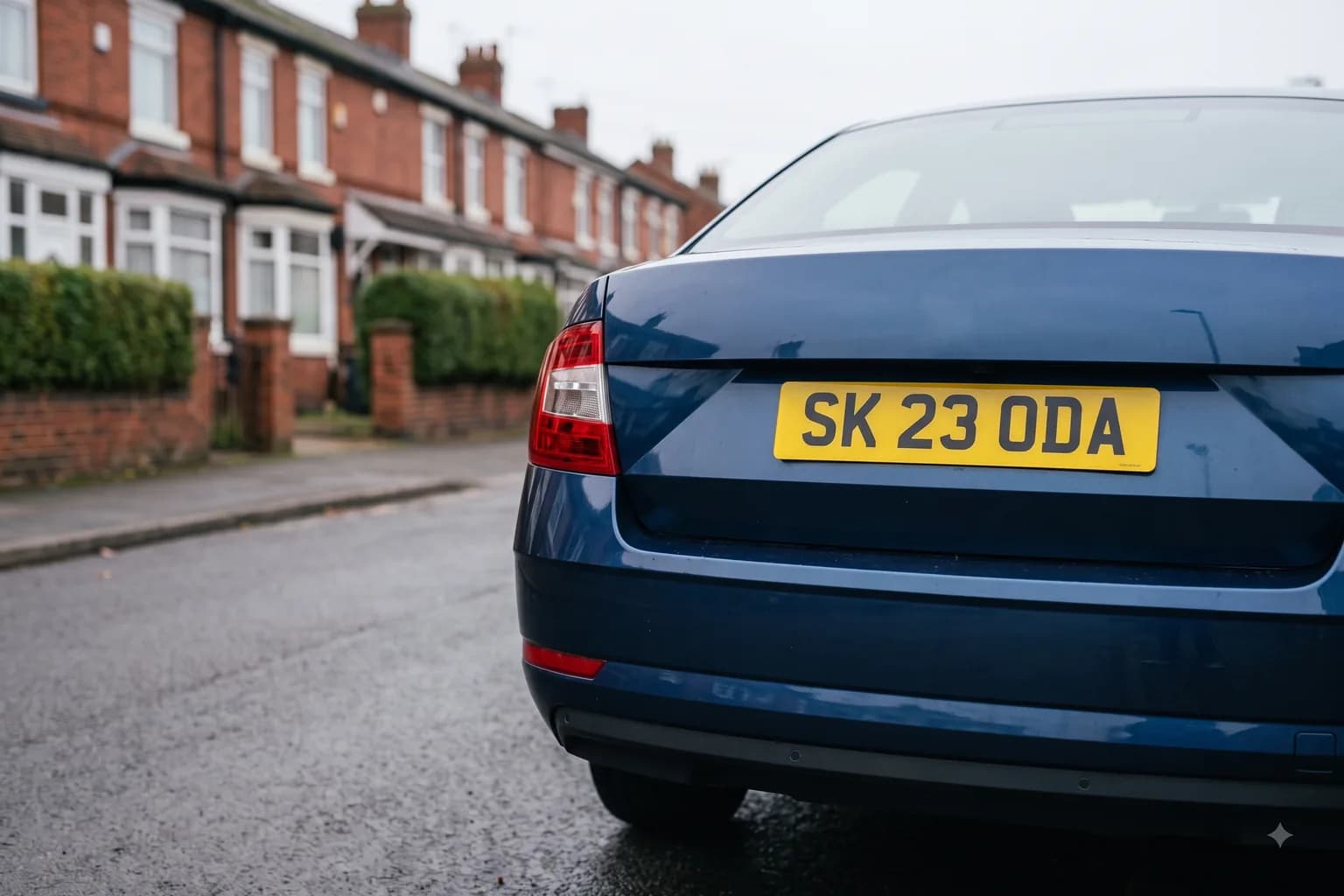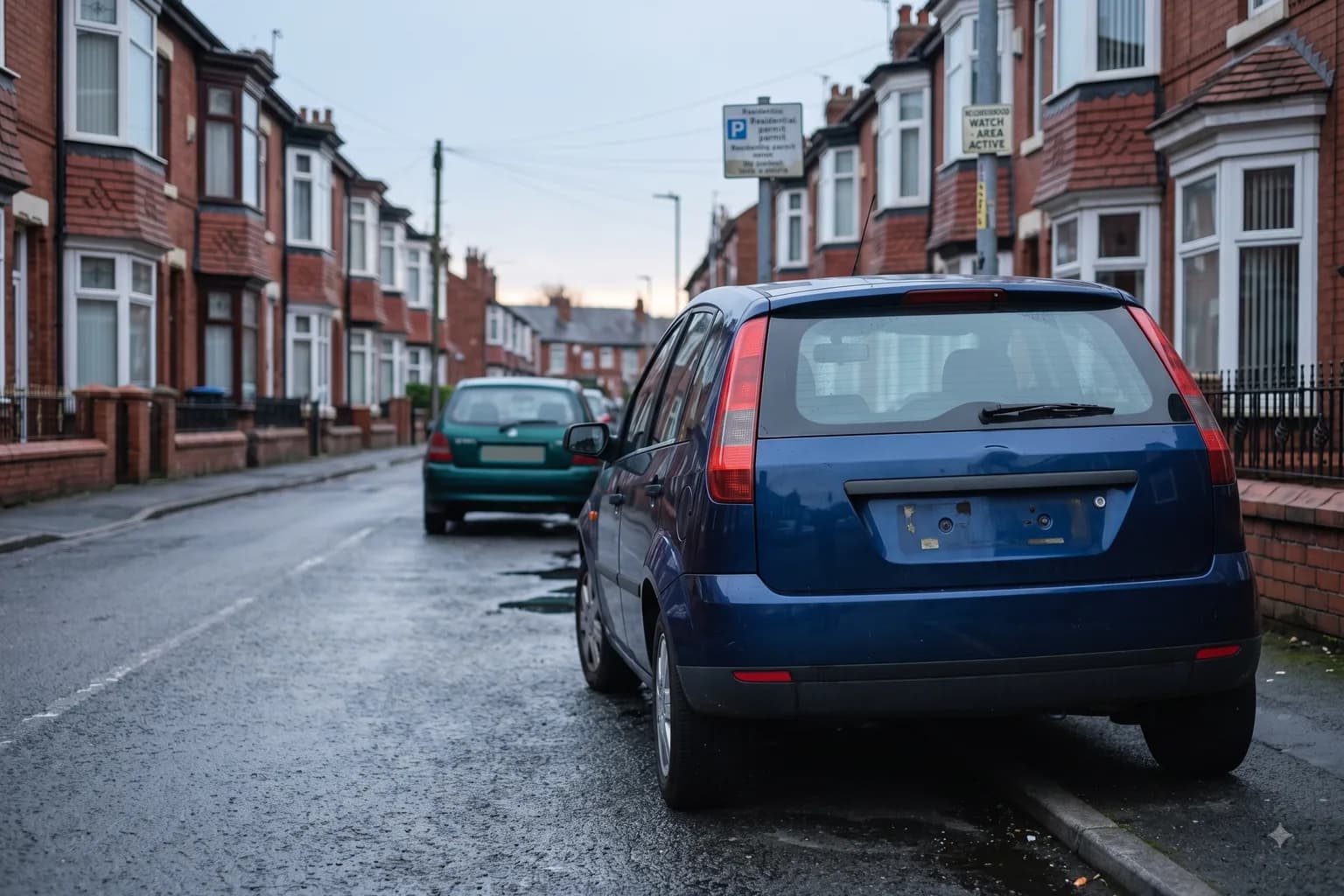
The first sign is often a letter that makes no sense. A parking charge in a town you have never visited. A toll notice for a journey you did not make. Sometimes it is worse - police contact, unpaid fuel allegations or a vehicle crime linked to your registration. If you are asking what happens after plate cloning, the answer is simple: the damage can spread quickly, and it rarely stays limited to one incident.
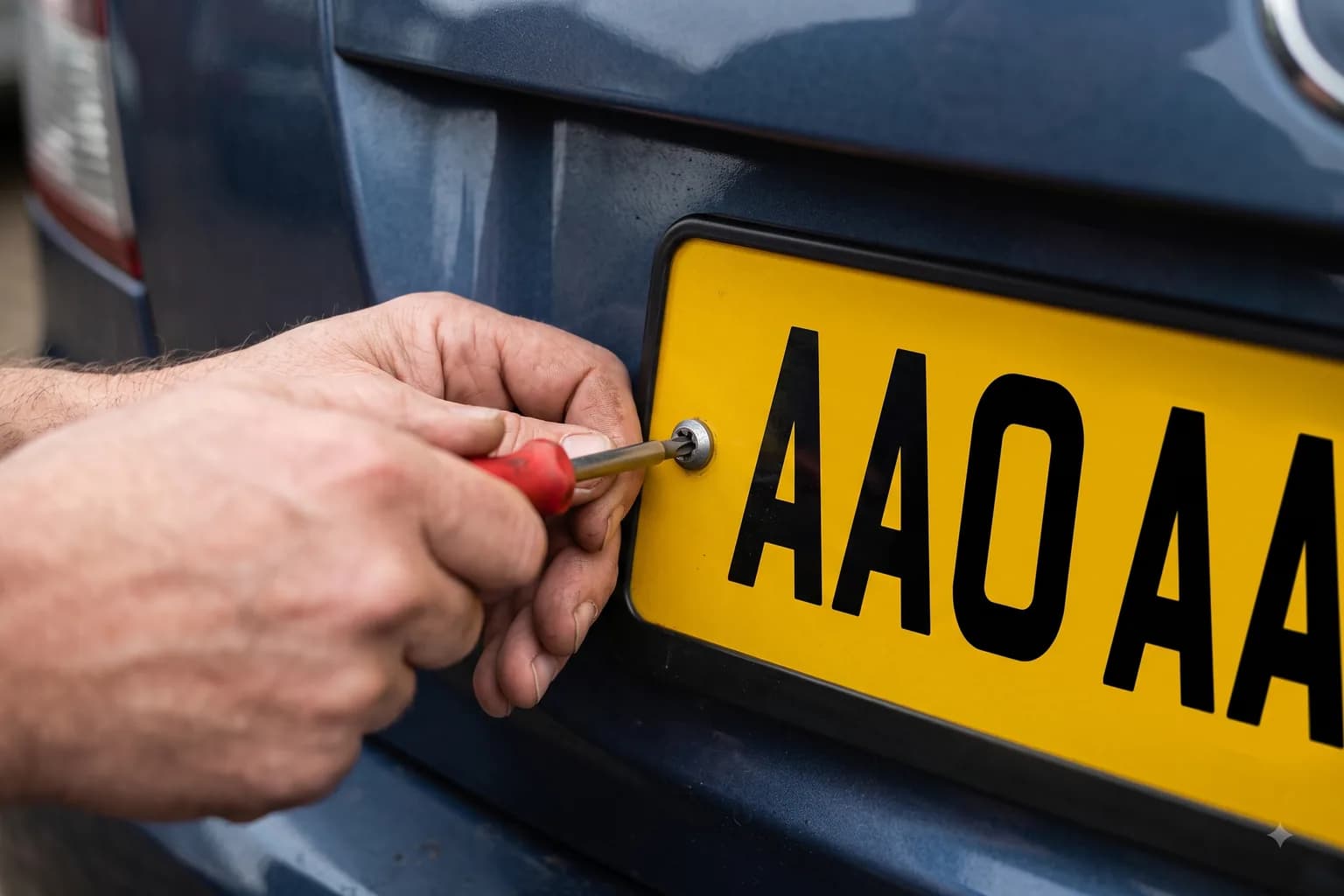
Plate cloning is not just an inconvenience. It is a form of vehicle identity theft. Someone copies your number plate and places it on another vehicle, usually one that is similar enough to avoid immediate suspicion. From that point on, cameras, enforcement systems and businesses may treat that vehicle as if it were yours. The cloned plate starts building a false trail, and you are left trying to prove that your vehicle was elsewhere.
What happens after plate cloning starts
Once a cloned plate is in use, the effects tend to appear in stages. At first, you may receive isolated notices. These often come from car parks, clean air zones, toll operators or private enforcement companies. Many drivers initially assume it is an admin error. That delay matters because repeat use of a cloned plate creates a larger pattern, and patterns are what systems trust.
As more incidents are recorded, your registration can become associated with non-payment, suspicious movement or criminal activity. That does not mean you are guilty, but it does mean your plate identity is being used in ways you cannot control. For private motorists, this can mean stress, wasted time and costs tied to appeals and evidence gathering. For fleets, it can mean multiple notices, operational disruption and reputational issues if clients or authorities start querying vehicle activity.
The trade-off is that not every cloned plate case escalates to serious crime, but some do. A clone might be used simply to avoid parking and toll charges. Equally, it could be used on an untaxed, uninsured or stolen vehicle. That is why early detection matters. The longer the false identity remains active, the harder it becomes to contain.
The most common consequences for UK drivers
The most immediate consequence is enforcement correspondence. You may receive penalty charge notices, parking tickets, Dart Charge demands, ULEZ or CAZ charges, or notices tied to bus lanes and traffic contraventions. If the cloned vehicle is travelling widely, these may arrive from different parts of the country over a short period.
After that, insurance and policing risks can follow. If the clone is linked to suspicious driving, fuel theft, fare evasion or more serious offences, your registration may attract attention during roadside checks or ANPR scans. That can lead to your genuine vehicle being stopped while officers verify details. Even when resolved quickly, the disruption is real.
There is also the administrative burden. You may need to challenge notices one by one, provide time-stamped photos, location evidence, service receipts, dash cam footage or workplace records to show your vehicle could not have been where the offence occurred. Some organisations respond sensibly. Others work to process, and process can be slow.
For businesses, the impact can multiply. A cloned fleet vehicle can trigger a stream of notices across departments, take staff away from core work and create uncertainty around compliance reporting. Where vehicles are customer-facing, there is an added concern around trust. A registration linked to repeated offences is not a brand issue any operator wants.
Why proving your innocence can take time
People often assume that once they explain their plate has been cloned, the problem stops. In practice, it depends who issued the notice and what evidence they need. A parking operator may want photographs. A toll authority may ask for a formal challenge. Police may record the matter, but that does not automatically erase every incoming penalty.
This is the frustrating part of what happens after plate cloning. The burden can shift to the innocent driver. Systems are designed to read registrations efficiently, not to question them. If a cloned plate appears on cameras ten times before the issue is flagged, there may be ten separate records to contest.
There is also the issue of visual similarity. Cloners usually choose a vehicle close in make, model or colour to the original. If your car is a black Ford Focus and the clone is a black Ford Focus, image-based checks may not immediately spot the difference. Small details matter - dealer stickers, plate spacing, trim level, damage marks, wheel design - but those details are not always clear in enforcement imagery.
What to do immediately after suspected plate cloning
Speed matters more than perfection. If you suspect your registration has been cloned, start building a clean evidence trail straight away. Keep copies of every notice. Photograph your vehicle from multiple angles, including close shots of the front and rear plates. Record the date, time and location. If your car is on a driveway, at work or in a car park with CCTV, note that too.
Report the issue to the police using the appropriate non-emergency route unless you are dealing with an active crime situation. You should also contact the DVLA for guidance and notify any organisation that has sent a notice. The goal is not just to deny liability. It is to establish a documented pattern showing that your genuine vehicle and the offending vehicle are not the same.
If you have service records, MOT paperwork, fuel receipts, telematics data or dash cam footage, keep them organised. For commercial vehicles, driver logs and route schedules can be especially useful. Evidence does not need to be dramatic. It needs to be consistent, time-linked and credible.
What happens after plate cloning is reported
Reporting helps, but it is not a magic switch. Once authorities and enforcement bodies are aware, future notices may be easier to challenge because there is already a reference point. In some cases, police systems can add markers or intelligence notes. That can help if your genuine vehicle is stopped or queried later.
However, outcomes vary. Some cases quieten down quickly once the clone is disrupted or abandoned. Others continue for weeks or months if the copied plate remains in circulation. That is why passive waiting is a weak strategy. If your registration is being misused, monitoring becomes just as important as reporting.
This is where a security-led approach changes the picture. Rather than only reacting after fraud appears in the post, proactive plate protection creates visibility. Registration in an encrypted tracking environment, suspicious duplication monitoring and instant alerts give drivers and operators a way to spot misuse earlier. For a threat built on identity deception, early detection is the advantage that matters.
Prevention matters because replacement comes late
Many drivers do not think about number plate fraud until it happens to them. By then, they are already in clean-up mode. The problem with relying on replacement alone is timing. New plates, admin changes and case references may become necessary, but they happen after the misuse has already generated data, charges and suspicion.
A preventative model is stronger because it focuses on plate identity before criminals exploit it. That includes secure registration, verification and alerting around unusual duplication activity. For individual motorists, that means fewer nasty surprises and faster response times. For plate manufacturers and commercial stakeholders, it supports compliance, traceability and more controlled issuance.
Protect A Plate is built around that logic - register, detect, alert. It is a practical answer to a very specific risk: your number plate being copied and used against you.
The emotional cost is real too
There is a tendency to treat plate cloning as paperwork. Anyone who has dealt with it knows better. Repeated notices create anxiety. Police contact can feel intimidating even when you have done nothing wrong. Time spent gathering evidence, writing appeals and chasing updates adds up quickly, especially if the cloning affects travel for work or family routines.
That pressure is one reason clear systems matter. Drivers need certainty about what is happening, what has been recorded and what action comes next. They need alerts they can act on, not vague reassurance after the event. Security should reduce uncertainty, not add to it.
If you are wondering what happens after plate cloning, act early
The biggest mistake is assuming one incorrect notice is harmless. Sometimes it is. Sometimes it is the first visible sign that your registration has been copied and is now being used to avoid charges, mask another vehicle or support wider fraud. The sooner you treat it as a potential identity issue, the more control you keep.
A number plate is not just a legal requirement fixed to a vehicle. It is a live identifier used by cameras, databases and enforcement systems every day. If someone takes that identity, they can create problems in your name without ever touching your car. The right response is fast reporting, organised evidence and protection that gives you visibility before the trail gets longer.
If anything about a notice, sighting or enquiry does not add up, trust that instinct and move quickly. With plate cloning, time is not neutral. It either helps you contain the risk, or it helps the fraud spread.