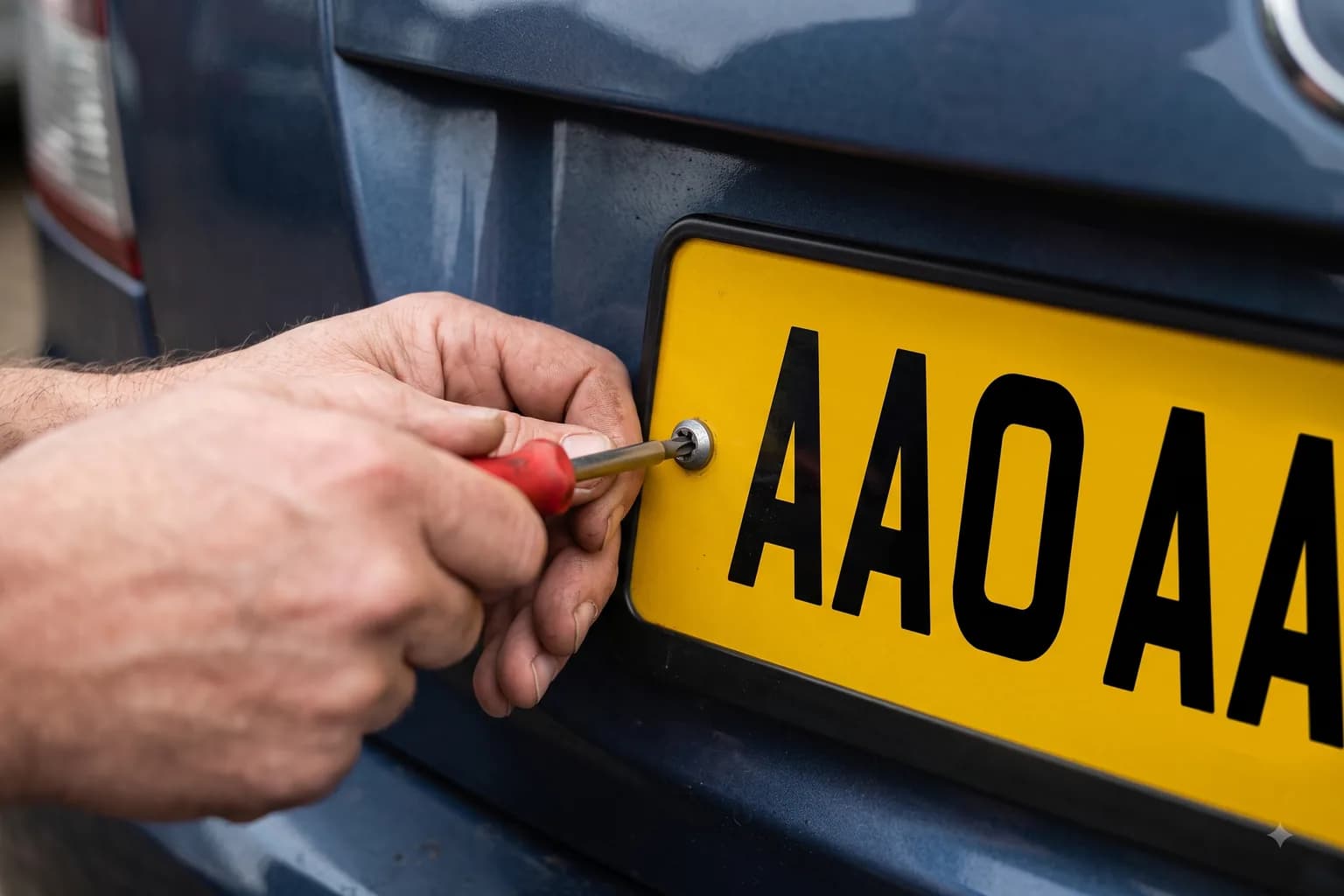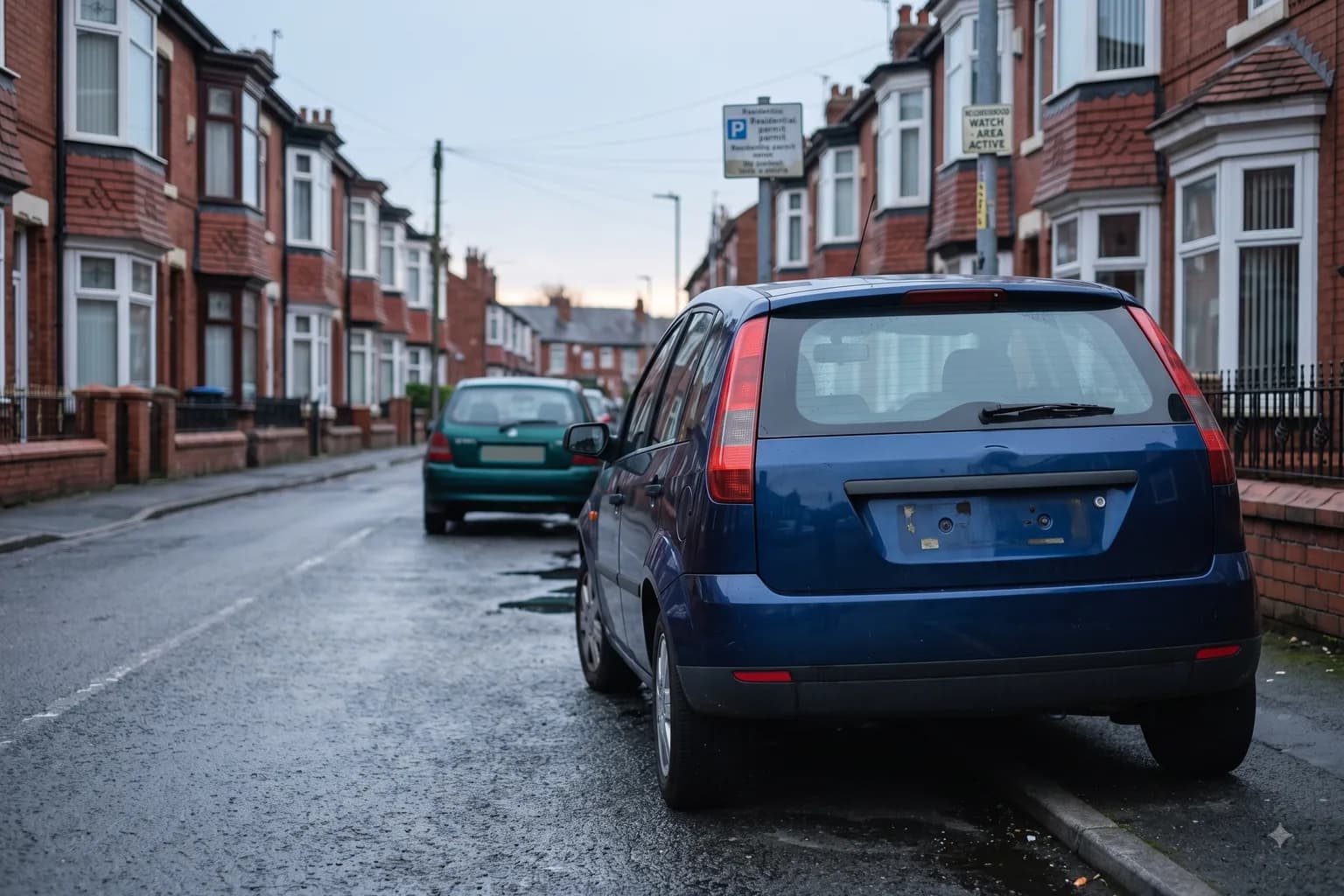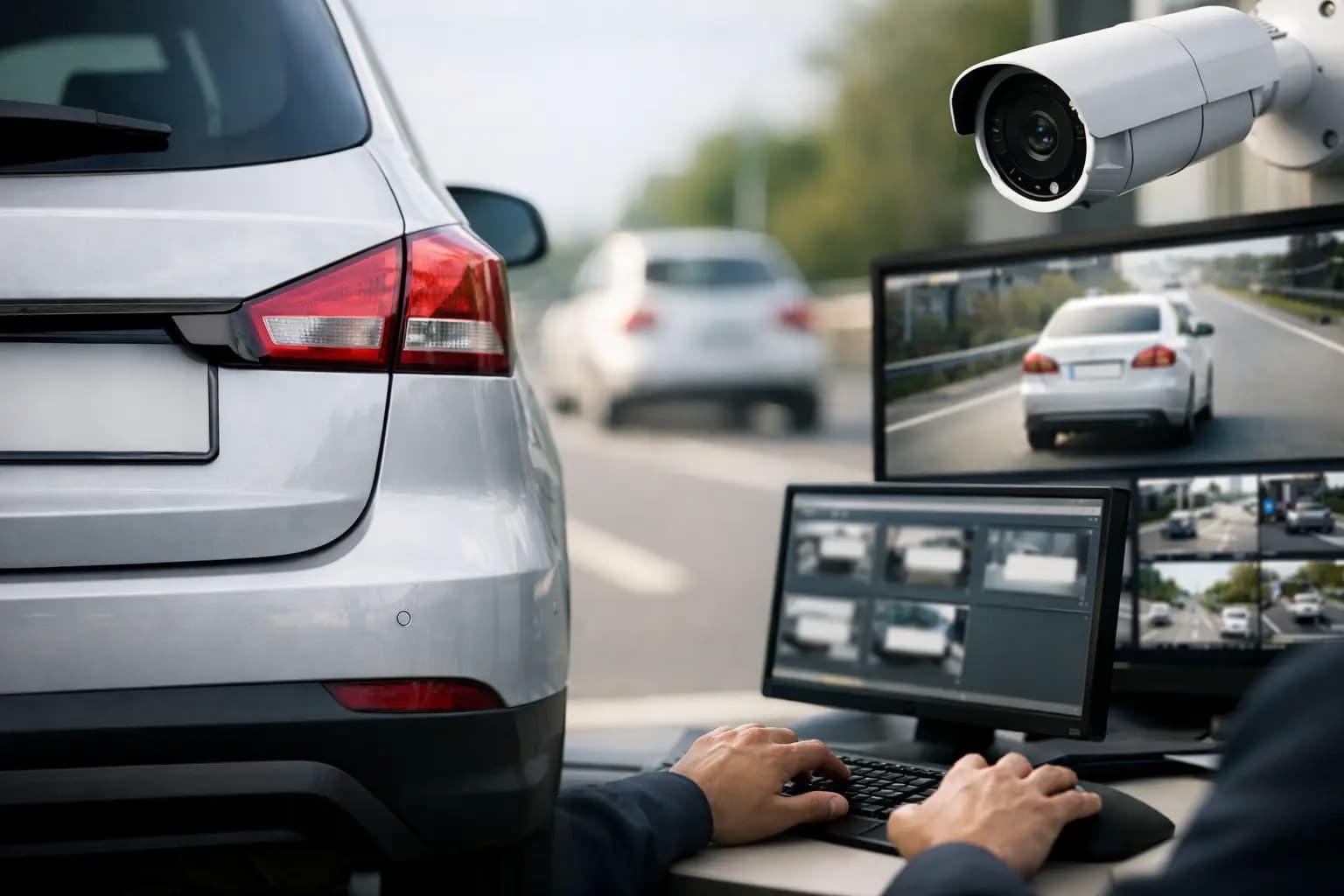
A penalty notice lands on your doormat for a place you have never driven. Then another arrives. For many UK motorists, that is the first sign their registration has been cloned. A number plate monitoring service is designed to catch that risk earlier - before false fines, police stops, charge notices and insurance complications start piling up.
Number plate cloning is not a minor admin problem. It is a form of vehicle identity misuse that can pull innocent drivers into a long, frustrating process of proving where they were, challenging evidence and protecting their record. If you rely on your vehicle every day, whether for commuting, family travel or business operations, the cost is not just financial. It is time, stress and loss of control.
Why a number plate monitoring service matters
Most drivers assume they will know straight away if their registration is being misused. In practice, cloning often surfaces late. It may first appear through a congestion charge, a parking notice, a speeding allegation or correspondence linked to suspicious activity elsewhere in the country.
That delay is exactly where the damage happens. The longer a cloned plate operates unnoticed, the more incidents can be attached to your vehicle identity. By the time you start disputing notices, the problem may already be established across multiple systems.
A number plate monitoring service changes that position. Instead of waiting for the consequences, it puts your registration into an active protection process built around registration, detection and alerting. The goal is straightforward - spot suspicious duplication activity quickly and give the legitimate vehicle keeper a chance to respond before the issue escalates.
How number plate monitoring works in practice
At its core, the service begins with verified plate registration. The vehicle owner records the plate credentials within a secure system, creating a trusted reference point for future checks. This matters because effective monitoring depends on having a reliable baseline. Without that, detection is weaker and disputes are slower to resolve.
From there, monitoring technology watches for signals that may indicate unauthorised duplication or misuse. That can include suspicious data matches, irregular plate activity or indicators that suggest the same registration may be appearing in conflicting contexts. Not every anomaly means fraud, and good monitoring should reflect that. The best systems are designed to identify patterns worth investigating rather than flooding users with noise.
When suspicious activity is detected, alerts are sent quickly through channels such as email, SMS or push notification. Speed matters here. If a driver is notified early, they can begin checking records, verifying status and taking the next steps while the trail is still fresh.
That is the difference between passive and proactive protection. Passive protection begins after the damage is visible. Proactive protection aims to reduce the chance of a cloned plate operating unchecked.
The real-world value for private motorists
For an individual driver, the appeal of a monitoring service is simple. It gives you a way to protect the identity attached to your vehicle, rather than relying on luck.
That matters if you drive regularly in urban areas, leave your vehicle in public car parks, sell vehicles privately or simply want confidence that your plate details are not being misused without your knowledge. A cloned registration can trigger official letters, disputed journeys and awkward conversations with insurers or enforcement bodies. Even if you eventually prove your case, the process can be disruptive.
There is also a psychological benefit that should not be overlooked. Drivers want certainty. They want to know someone is watching for signs of misuse and that they will be told quickly if something looks wrong. In a risk category as specific as plate cloning, reassurance only works when it is tied to active detection.
Why fleets and commercial users have more at stake
For fleet operators, cloned plates can create a wider operational problem. A single incident may affect compliance records, driver administration, customer confidence and internal time spent dealing with disputes. When multiple vehicles are on the road, the exposure increases.
A number plate monitoring service gives commercial users a more controlled way to manage that risk. Alerts can help businesses investigate issues quickly, isolate affected registrations and maintain a documented response. For companies that depend on uptime, traceability and trust, that is not a nice extra. It is part of responsible vehicle security.
There is a similar case for businesses involved in the number plate supply chain. Plate manufacturers and administrators need secure registration workflows and clear records tied to lawful production and distribution. A platform-based service supports that process by connecting registration, tracking and verification within one security-led environment.
What to look for in a number plate monitoring service
Not all services offer the same level of protection. If the system is little more than a basic record with no meaningful detection or response capability, it may create a false sense of security.
The stronger option is a service built around three essentials. First, secure registration with encrypted data handling. Second, credible detection logic that looks for suspicious duplication signals. Third, instant alerting that gives the keeper an opportunity to act.
Verification tools also matter. A searchable plate status function can help confirm whether a registration is protected or flagged in the system, which supports both user confidence and operational checks. For business users, administrator access and workflow control are equally important because security only works if teams can manage it properly.
The technology should feel purposeful rather than complicated. Drivers do not want a maze of features. They want clarity, speed and confidence that the service is designed around a real threat, not a generic vehicle app trying to do everything at once.
Detection is only useful if the response is fast
One common mistake in security services is treating detection as the finish line. It is not. Detection without rapid alerting leaves too much room for delay.
If you are told quickly that there may be suspicious activity linked to your registration, you can start documenting your vehicle location, checking recent journeys, reviewing notices and preparing evidence if needed. In some cases, early awareness may also help support conversations with relevant authorities or insurers before the issue becomes tangled.
There is an important balance here. Alerts need to be prompt, but they also need to be credible. Too many false alarms and users stop paying attention. Too little sensitivity and meaningful threats slip through. That is why specialist services stand apart from broad consumer platforms. The focus is narrower, and the monitoring is built for this exact risk.
Prevention is better than replacement
Many motorists only think about their plate when they need to replace it. That misses the bigger issue. The plate itself is not the only asset at risk. Your registration is a vehicle identity marker used across enforcement, parking, tolling and administrative systems. Once it is copied and misused, replacing the physical plate does not automatically clear the trail.
Prevention has more value than reaction because it addresses the misuse itself, not just the visible symptom. Registering your details in an encrypted global tracking database and pairing that with active monitoring gives you a stronger position from the outset. It shows intent to protect, enables faster detection and creates a clearer record if questions arise later.
This is where a specialist provider earns trust. Protect A Plate is built around that exact principle - proactive defence, immediate alerting and verified plate status, rather than waiting until a driver is already dealing with the fallout.
Is a monitoring service right for every driver?
For some motorists, the risk feels remote until it is not. If your vehicle is rarely used and always kept off-road, you may see the likelihood as lower. If you drive frequently, park in public, operate commercially or simply want tighter control over vehicle identity risk, the case is much stronger.
The decision comes down to how you view prevention. Some people are comfortable responding after a problem appears. Others would rather know there is a system in place watching for early signs. Given the disruption cloned plates can cause, that second approach is becoming the more sensible one.
Vehicle security has moved beyond locks, alarms and trackers. Registration protection now matters too. When your number plate can be copied and used to create legal, financial and reputational problems, monitoring stops being a niche extra and starts looking like basic due diligence.
If you want more control over what happens to your vehicle identity, the smart move is not to wait for the first wrong notice to arrive. It is to put protection in place while your plate is still only yours.