A cloned plate rarely announces itself. It usually starts with a letter through the post, a charge you know nothing about, or a police query linked to a journey you never made. That is exactly why a vehicle registration security guide matters. Your registration is not just a legal identifier on a plate - it is part of your vehicle’s identity, and once that identity is copied, the fallout can move quickly.
For UK drivers, this is no longer a niche concern. Plate cloning affects private motorists, company vehicles and entire fleets. The risk is practical, financial and reputational. If someone duplicates your registration and fits it to another vehicle, you could face penalty notices, congestion charges, parking fines, failed MOT history confusion, insurance complications and difficult conversations with enforcement agencies. The longer it goes undetected, the harder it can be to untangle.
What this vehicle registration security guide covers
Most people think about number plate fraud only after a problem appears. That is the wrong moment to start. Effective protection is preventative. It relies on secure registration records, early detection and fast alerting when suspicious duplication activity appears.
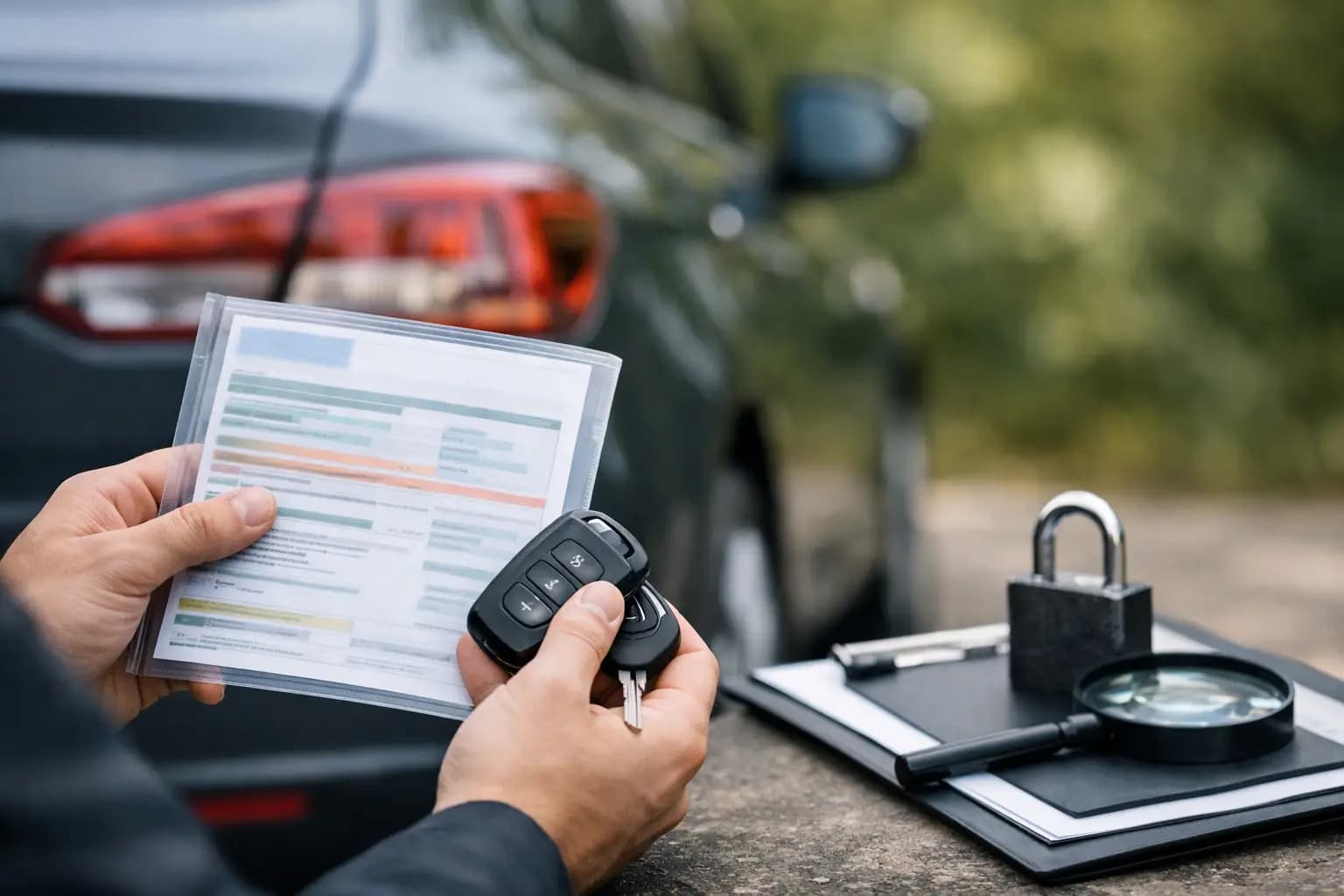
That matters because standard ownership paperwork does not actively monitor misuse. Your V5C proves registration. Your insurer covers certain risks. The DVLA maintains records. None of that is the same as live security monitoring designed to detect cloning behaviour. If your registration is being copied, passive paperwork will not stop it.
A stronger approach treats the registration mark as a protected asset. That means recording trusted plate credentials, keeping an auditable trail around plate legitimacy, and putting systems in place to identify anomalies before they snowball into enforcement and admin problems.
Why registration fraud is harder to spot than drivers expect
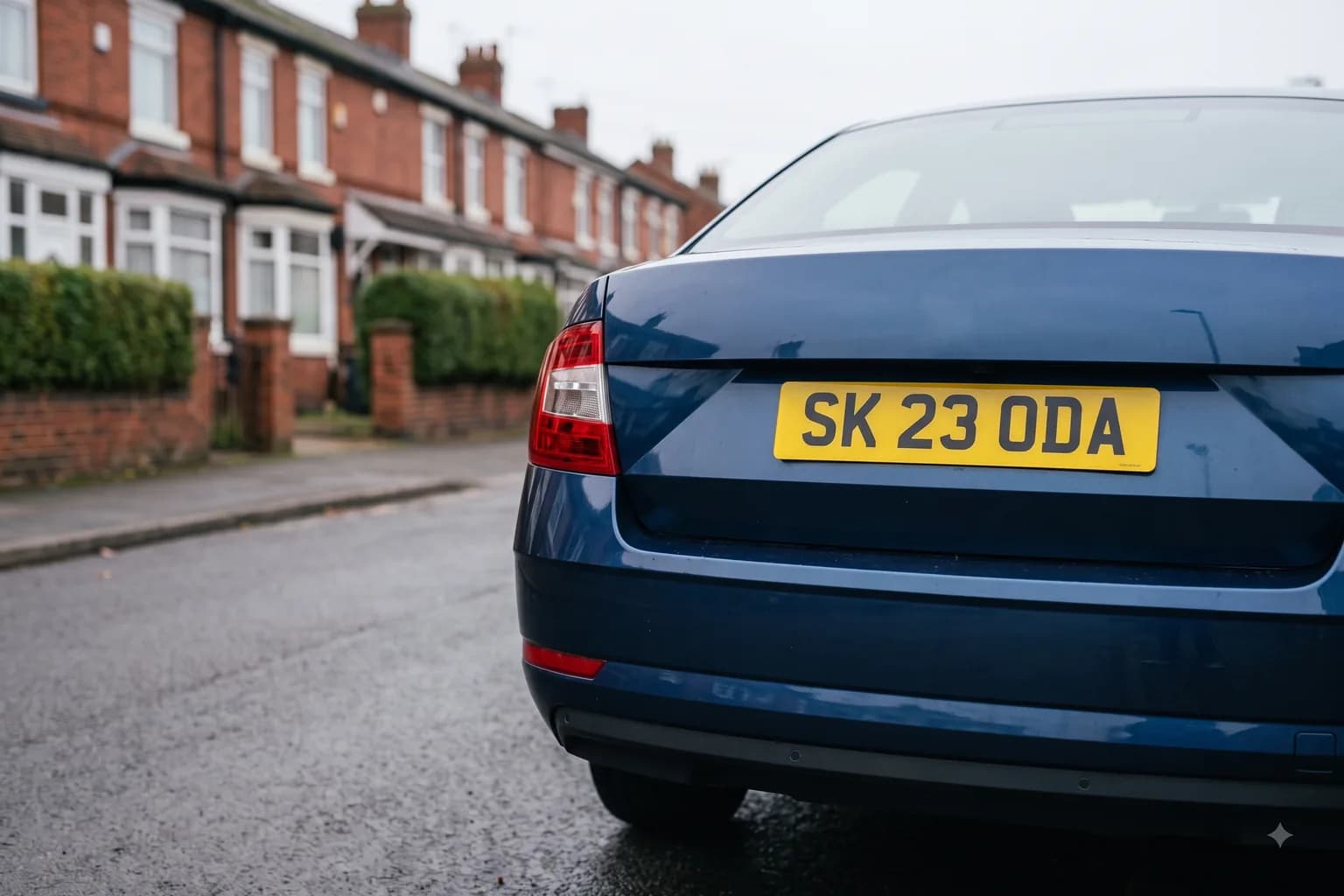
Plate cloning works because a registration can be copied visually. A criminal does not need access to your keys or your car. They only need your plate details and a way to produce an unauthorised duplicate. That can happen after your vehicle is seen in public, photographed, listed for sale or parked in a place where details are easy to capture.
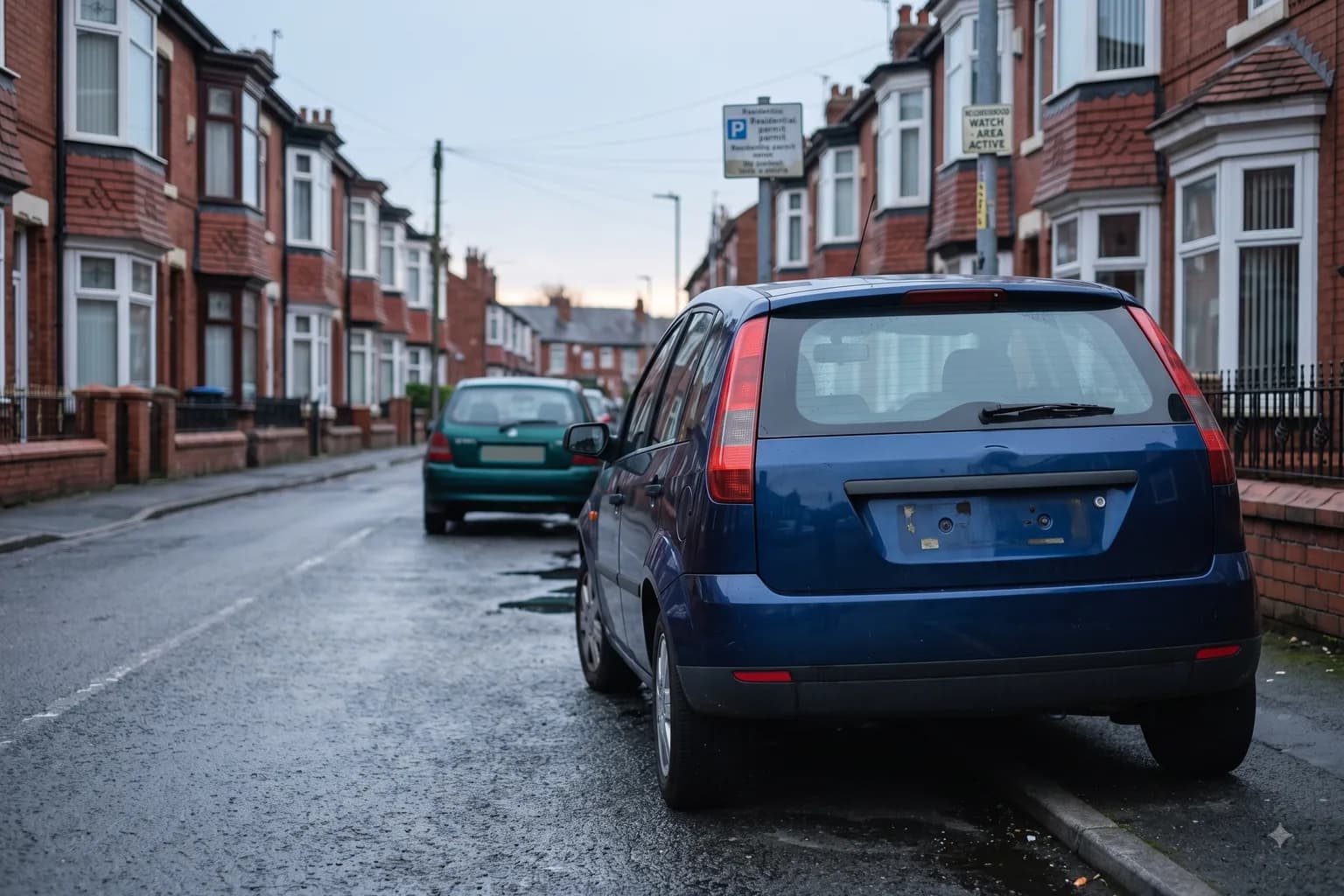
The challenge is that the fraud often shows up somewhere else first. The cloned vehicle may be driving in another town, using toll roads, entering clean air zones, avoiding fuel payments or being linked to criminal activity. From your point of view, the first sign may be an official notice that appears completely out of the blue.
This creates a damaging gap. You know you are innocent, but the system initially sees your registration attached to an incident. Clearing that up can take time, evidence and repeated contact with multiple parties. For fleet operators, the disruption is even greater. One cloned registration can create repeated admin burden across finance teams, compliance teams and drivers.
The core risks for private drivers and fleets
For private motorists, the immediate impact is usually stress, time loss and direct financial exposure. You may need to challenge fines, prove your vehicle location, gather CCTV, confirm service history or explain why your car could not have been at the reported location. If the issue persists, confidence in your vehicle records can start to erode.
For fleets, the scale changes the problem. High-mileage vehicles are already exposed to multiple enforcement environments, and fleet managers have less room for ambiguity. If cloned plates are attached to lorries, vans or pool cars, the resulting notices can look plausible at first glance. That slows response times and increases the risk of false liability being processed as routine admin.
There is also a supply-chain issue. Plate manufacturers and distributors carry their own compliance obligations. If registration workflows are not tightly controlled, the opportunity for misuse increases. Security has to begin before a plate is on the road.
How to build stronger plate protection
A good vehicle registration security guide is not just about reacting well. It is about reducing the chance of misuse in the first place and shortening the window between fraud and detection.
Start with visibility. If you do not know whether your registration has been duplicated, you are relying on external agencies to tell you after something has already happened. Active monitoring changes that position. It gives drivers and operators a way to track suspicious activity linked to plate identity rather than waiting for enforcement notices to arrive.
Next comes verification. A secure record of legitimate plate credentials creates a reference point. If a registration is challenged, there needs to be a trusted way to confirm status, ownership alignment and plate legitimacy. This is where technology makes the difference. An encrypted tracking database and clear status checking provide evidence and speed, which are both critical when time matters.
Then there is alerting. Security without prompt notification is only partial protection. If unusual activity is detected, the response needs to be immediate. Email, SMS and push notifications allow the vehicle owner or fleet manager to act before confusion spreads across insurers, enforcement systems and internal records.
Vehicle registration security guide: prevention before replacement
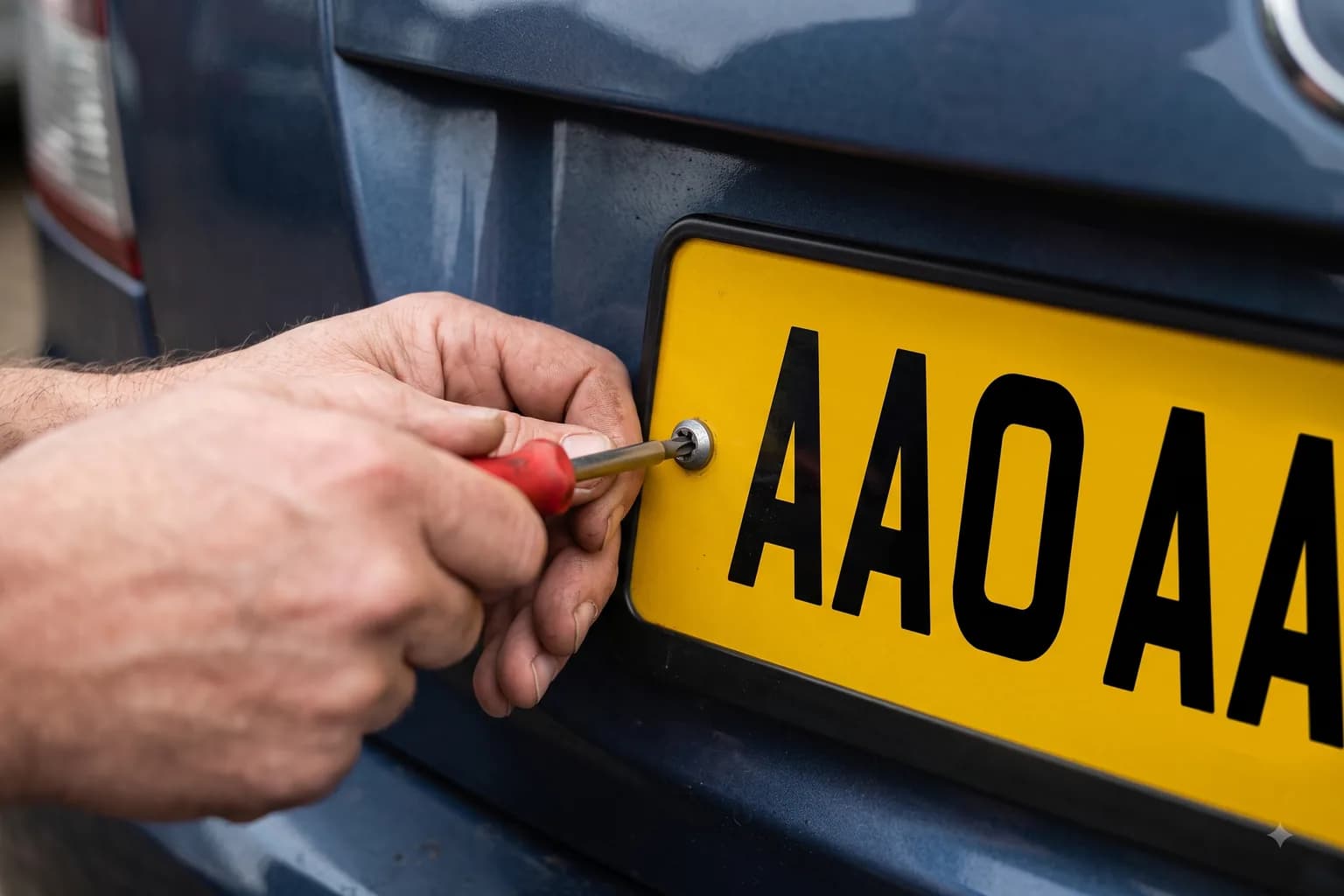
Many drivers still assume the answer to cloning is replacement. In reality, replacement is what happens after damage has already been done. It may become necessary in some cases, but it does not address the period in which your original registration was being misused.
Prevention is the stronger position. If your registration is protected through secure enrolment, monitored for suspicious duplication, and backed by instant alerts, you are not waiting passively for the fraud to mature. You are reducing the time attackers have to benefit from the misuse.
That is a crucial distinction. Reactive solutions focus on recovery. Security-led solutions focus on control, detection and rapid response. For drivers who want certainty, that difference matters.
What to do if you suspect your plate has been cloned
If something feels wrong, act quickly and keep your response structured. Do not assume an error will resolve itself. Start by checking the notice, location, timestamp and vehicle description. If any detail does not match your movements or your vehicle, treat it as a possible fraud issue straight away.
Gather evidence while it is fresh. Keep copies of penalty notices, fuel receipts, parking records, dash cam footage, work logs or phone location history where appropriate. If you are a fleet operator, confirm the assigned driver, route history and telematics data. The goal is to establish a clean timeline that shows where your vehicle actually was.
You should also review whether your registration is visible in public listings or outdated adverts. This will not undo the issue, but it can reduce further exposure. In parallel, use a secure status-checking and monitoring system if one is available. The faster you establish whether suspicious duplication activity is appearing around your registration, the stronger your next steps will be.
If you are already dealing with recurring notices, the problem may be wider than a single incident. That is when centralised tracking becomes especially valuable. Isolated admin responses can miss the pattern. A monitored security platform is better placed to identify repeat misuse.
Why technology now matters more than paperwork alone
Traditional documentation still matters, but fraud has become faster and more distributed. That means paper records and one-off checks are not enough on their own. Drivers need live protection around plate identity, not just proof of ownership stored in a drawer.
This is where specialist systems are leading the way. By combining secure registration, encrypted tracking, suspicious activity detection and instant alerting, they close the gap between misuse and response. That gives drivers more control and gives plate manufacturers and administrators a cleaner framework for compliance and verification.
For many motorists, the biggest benefit is peace of mind. For commercial operators, it is operational certainty. For both groups, the principle is the same - if a registration is part of your vehicle’s identity, it should be protected like one.
Protect A Plate is built around that exact principle. Instead of waiting for cloning to create damage, the platform focuses on registration, detection and alerting through proprietary tech and an encrypted global tracking database. That makes security active, not passive.
The right level of protection depends on your exposure
Not every driver faces the same level of risk. A car kept mostly off-road in low-traffic areas has a different exposure profile from a van making daily urban deliveries. A family hatchback is different from a fleet of branded commercial vehicles. It depends on where the vehicle travels, how often the plate is visible, and how costly a fraud incident would be if it happened.
But low visibility is not the same as no risk. Cloning thrives on opportunity, and opportunities are often ordinary. A supermarket car park, a roadside photo, an old marketplace listing - that can be enough. For that reason, basic security habits help everyone, while active monitoring makes most sense for those who want earlier warning and firmer control.
The smartest move is not to wait until a fine lands on the doormat. Treat your registration as a security asset now, while your options are still preventative rather than corrective.