A parking charge notice from a place you have never visited is not just an inconvenience. It can be the first sign that somebody is using your vehicle registration to hide their own driving, parking or criminal activity. This vehicle registration fraud prevention guide sets out how UK drivers, fleet operators and plate suppliers can reduce that risk before cloned plates create fines, disputes and stress.
Your registration mark is a visible vehicle identifier. That makes it useful to enforcement authorities, insurers, car parks and other road users. It also makes it valuable to criminals. When a plate is copied and fitted to another vehicle, the consequences can arrive at your address while the offender remains difficult to trace.
What vehicle registration fraud looks like
Vehicle registration fraud most commonly involves number plate cloning. A criminal copies the registration from a legitimate vehicle and produces a matching plate for another car, van or lorry. They may select a vehicle of a similar make, model and colour to make the deception less obvious to cameras, witnesses and enforcement teams.
The cloned vehicle may then be used to avoid road charges, parking fees or fuel payments. In more serious cases, it can be linked to dangerous driving, theft or other offences. The registered keeper of the genuine vehicle can receive penalty charge notices, speeding notices or correspondence relating to incidents they did not cause.
Unauthorised duplication is not always sophisticated. A registration can be photographed in a car park, on a driveway or from an online vehicle advert. If the person producing the plate does not apply proper checks, a criminal has an easier route to a convincing copy.
That is why replacement alone is not a complete answer. By the time a driver changes their plates, the cloned registration may already have generated multiple notices. Prevention, verifiable registration and rapid detection give you more control.
Why a cloned plate is more than a paperwork problem
A single incorrect notice can usually be challenged. Several notices from different authorities are harder to manage, especially when deadlines, appeal routes and evidence requirements vary. Owners can spend hours proving where their vehicle was at the time of an alleged offence.
There is also a financial risk. Charges can escalate if correspondence is missed or if a case is not resolved promptly. Fleet businesses face added disruption: a cloned registration can consume administrative time, complicate vehicle records and affect drivers who rely on their vehicles to work.
The reputational impact matters too. Being connected to alleged offences is unsettling even when you are innocent. The priority is to create a clear evidential trail that shows your vehicle, its plates and its movements can be distinguished from any fraudulent copy.
Vehicle registration fraud prevention guide: start with plate control
The strongest first step is to treat your registration details as security credentials, not simply information printed on a plate. You cannot keep a registration secret while driving, but you can control who is permitted to reproduce it and create a record of legitimate plate activity.
When buying replacement plates, use a reputable supplier that follows the required identity and entitlement checks. A lawful supplier should verify that you are entitled to use the registration and retain appropriate records. Be cautious of sellers who offer plates with no meaningful questions, especially where the sale is arranged through informal social media messages or temporary listings.
Keep evidence of every legitimate plate purchase, including the supplier, date, registration and reason for replacement. Photograph the fitted plates and the vehicle from several angles. This is not about creating paperwork for its own sake. If fraud is suspected later, a dated record can support your case and help investigators compare the genuine vehicle with the clone.
For businesses, plate control needs an owner. Assign responsibility for approving replacements, recording supplier details and updating the fleet register. Do not leave spare plates unsecured in a depot, workshop or vehicle. A spare set is a useful operational contingency, but it must be stored and accounted for like any other vehicle security item.
Register, detect and receive an instant alert
A proactive protection service adds a security layer that standard ownership records do not provide. Protect A Plate uses proprietary tech and an encrypted tracking database to register plate credentials, support verification and identify suspicious duplication activity.
The principle is straightforward. Register the details of your genuine plate, create a secure record and make sure your contact information is current. If an attempted duplication or suspicious activity is detected, an instant alert by email, SMS or push notification gives you the chance to respond before fraud becomes a longer-running problem.
This approach is particularly useful where the registration has a higher exposure to copying. That might include vehicles regularly parked on public streets, high-mileage fleet vehicles, distinctive registrations, or cars advertised online. However, every vehicle owner can be targeted. Criminals often choose registrations based on opportunity rather than the value of the vehicle.
Detection does not remove the need for sensible precautions. It gives you visibility. Physical plate quality, controlled supply and documented ownership still matter because they help establish which plates are legitimate and when they were issued.
Recognise the warning signs early
The first signal is often an allegation that does not fit your day. You may receive a parking or moving-traffic notice for a location you did not visit, a speeding notice when your vehicle was parked elsewhere, or a fuel demand from an unfamiliar forecourt.
Check the date, time and location immediately. Compare the notice with your calendar, work records, dashcam footage, home security footage, toll records or vehicle tracking data. Look closely at any images supplied. Differences in vehicle colour, body shape, wheels, badges, stickers, damage or plate spacing can help show that the photographed vehicle is not yours.
Do not ignore a notice because it is clearly wrong. Reply within the stated timeframe and keep copies of every letter, form, photograph and reference number. A prompt, factual challenge is usually stronger than trying to reconstruct events weeks later.
Other signs can be less direct. A plate supplier contacting you about an order you did not make, unusual interest in your vehicle registration, or repeated notices from unrelated areas should be treated as a reason to investigate. One event may be an administrative error. A pattern demands action.
What to do if you suspect cloning
Start by preserving evidence. Take current photographs of your vehicle, front and rear plates, distinguishing features and mileage. Record where the vehicle was when the alleged incident occurred. If a notice contains an image, save a copy before any online access expires.
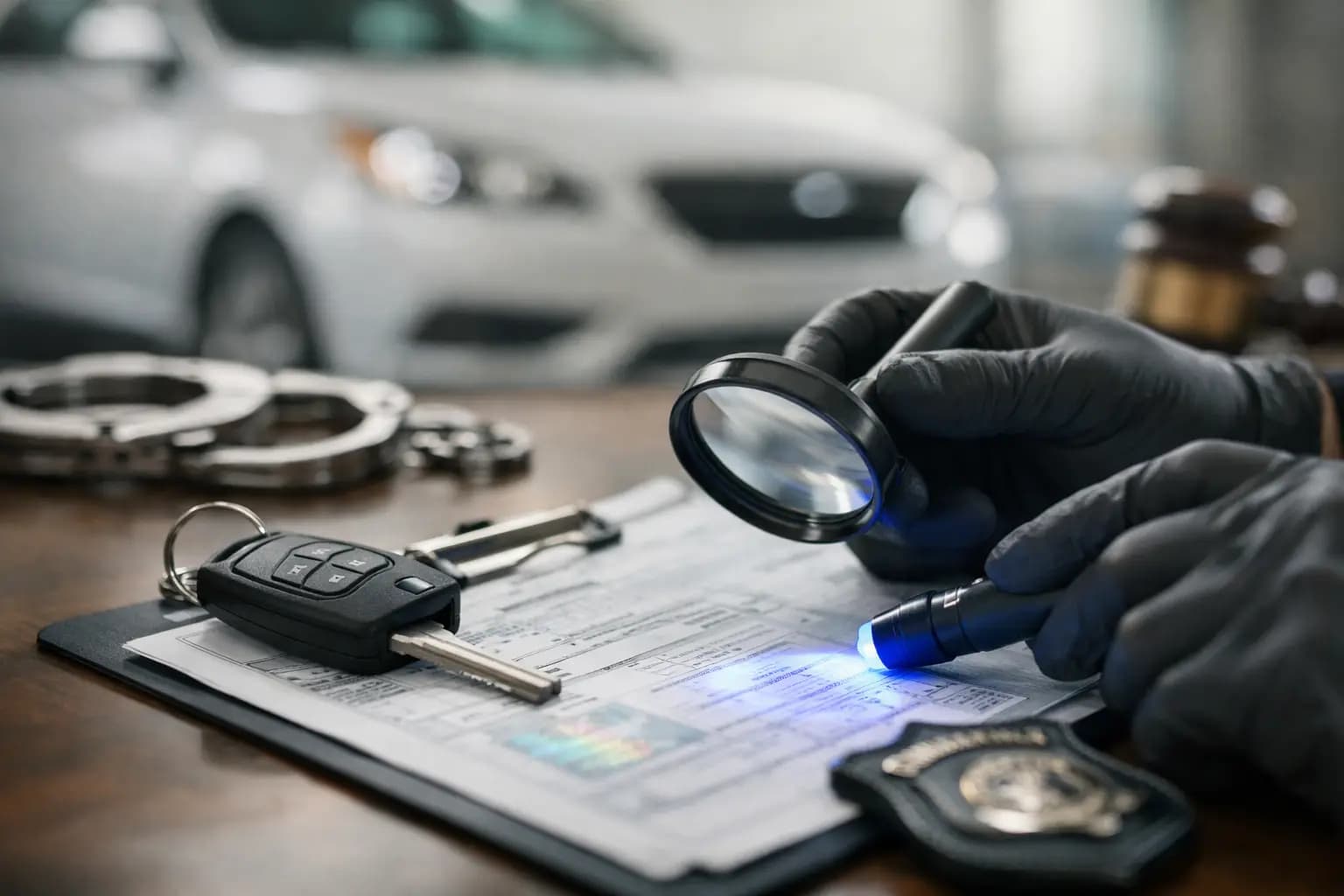
Report suspected cloning to the police through the appropriate non-emergency route, unless there is an immediate threat or crime in progress. Ask for a crime reference number. This does not automatically cancel a penalty, but it creates an official record that can support representations to councils, parking operators, police forces or other organisations.
Contact the issuer of each notice separately. Explain that you believe your registration has been cloned, provide the crime reference number and submit evidence showing why your vehicle could not have been involved. Be clear, concise and factual. Avoid paying simply to make the issue disappear if the allegation is not yours, as payment may make later challenges more difficult.
If multiple notices arrive, create a case log with the issuing body, date of incident, deadline, reference number, action taken and outcome. Fleet managers should give drivers a defined reporting route so notices reach the right person quickly rather than sitting unopened in a cab, depot tray or shared inbox.
You may decide to replace your plates after a suspected clone is identified. That can help distinguish your vehicle from the fraudulent copy, but the right step depends on police guidance, the evidence available and whether the clone is still active. Keep the old plates until you are told otherwise, as they may be relevant evidence.
Reduce the opportunities criminals rely on
Do not publish high-resolution, full-frontal images of your number plate unnecessarily. This is especially relevant when selling a vehicle online. It is reasonable for genuine buyers to want to verify a registration, but public listings do not need to provide a perfect image for copying. Consider how much detail is visible in photographs and share further documentation only with credible prospective buyers.
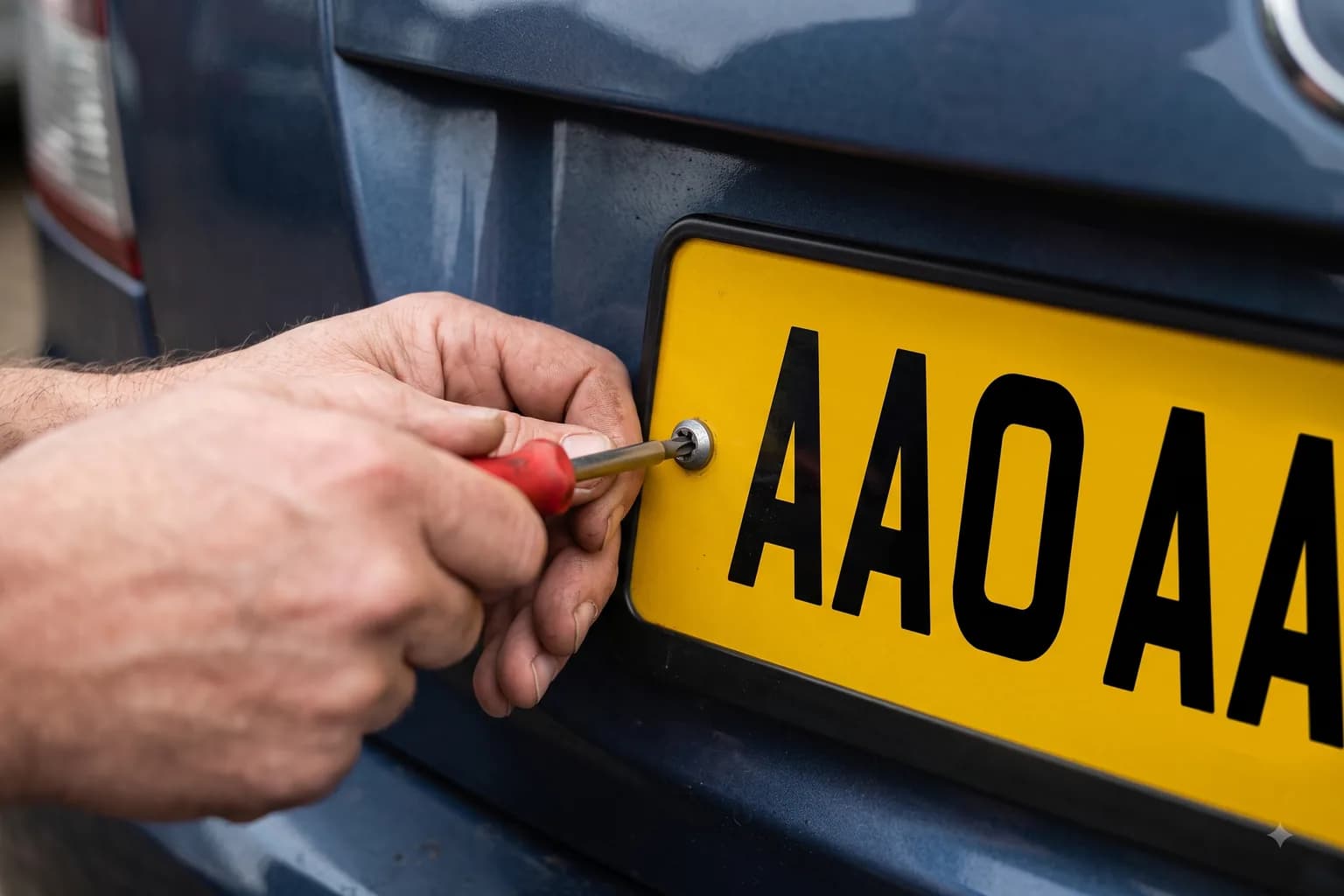
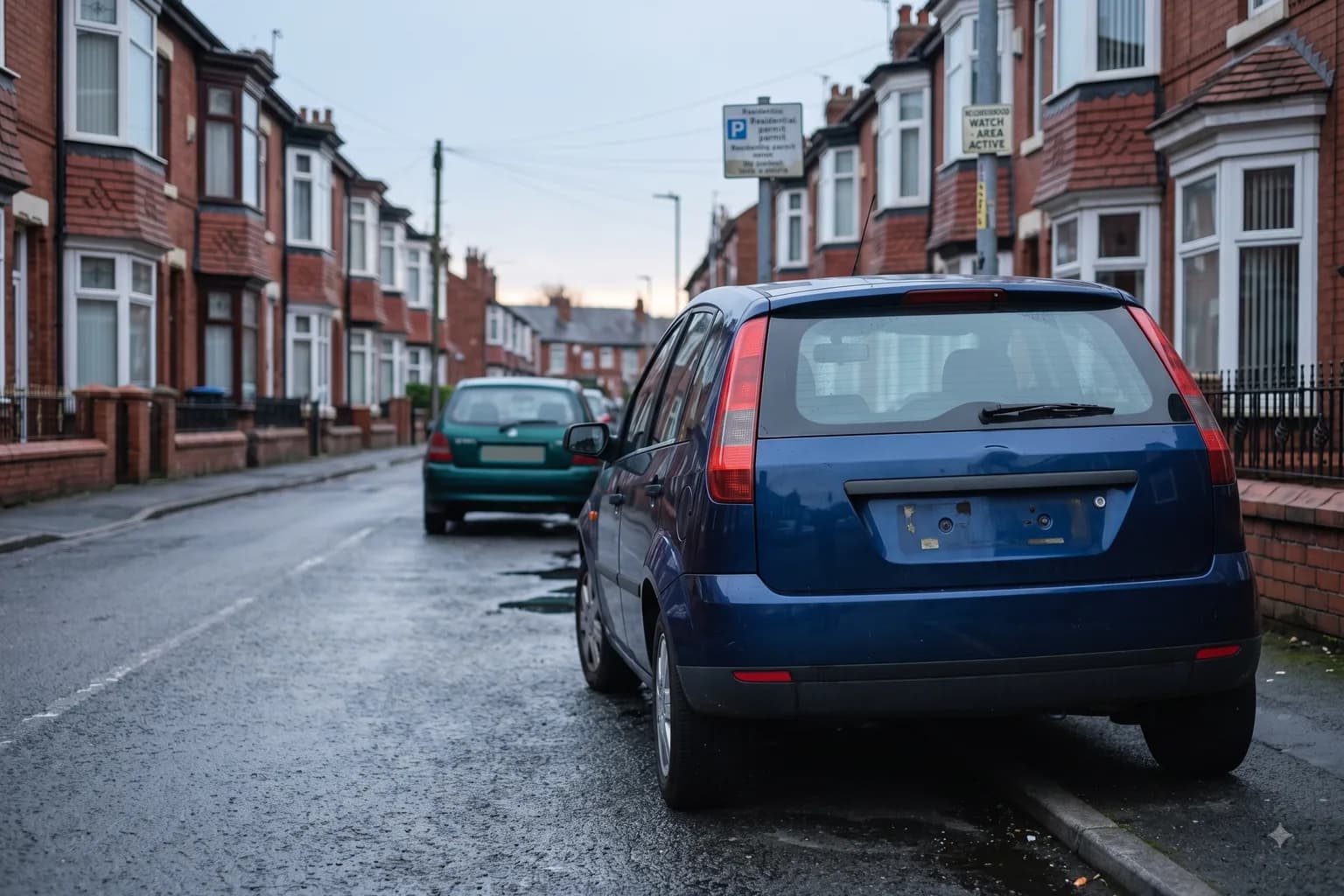
Check your plates regularly for damage, insecure fixings or signs that they have been tampered with. A missing plate is an immediate security issue, not something to postpone until the weekend. Report it, document it and arrange a legitimate replacement through a verified route.
For plate manufacturers, secure workflows protect both the customer and the supply chain. Verify entitlement consistently, retain accurate production records, prevent unauthorised access to order data and make suspicious requests easy for staff to escalate. Speed matters, but a rushed plate order without proper verification can transfer risk directly to an innocent keeper.
The most useful protection is not panic. It is visibility, evidence and a fast response. Give your registration the same level of control you would expect for any other piece of personal security, and you are far better placed to stop a cloned plate becoming your problem.