A speeding notice lands on your doormat for a road you have never driven. A parking charge appears from a town you have not visited. Then another. For many UK drivers, that is the first sign that vehicle identity theft prevention was needed long before the letters arrived.
This is not a minor admin issue. When a criminal copies your number plate or uses your vehicle identity to mask illegal activity, the damage can spread quickly. You may face fines, police attention, insurance complications and a long process of proving that your vehicle was not involved. The real cost is not just financial. It is time, stress and loss of control.
Why vehicle identity theft prevention matters now
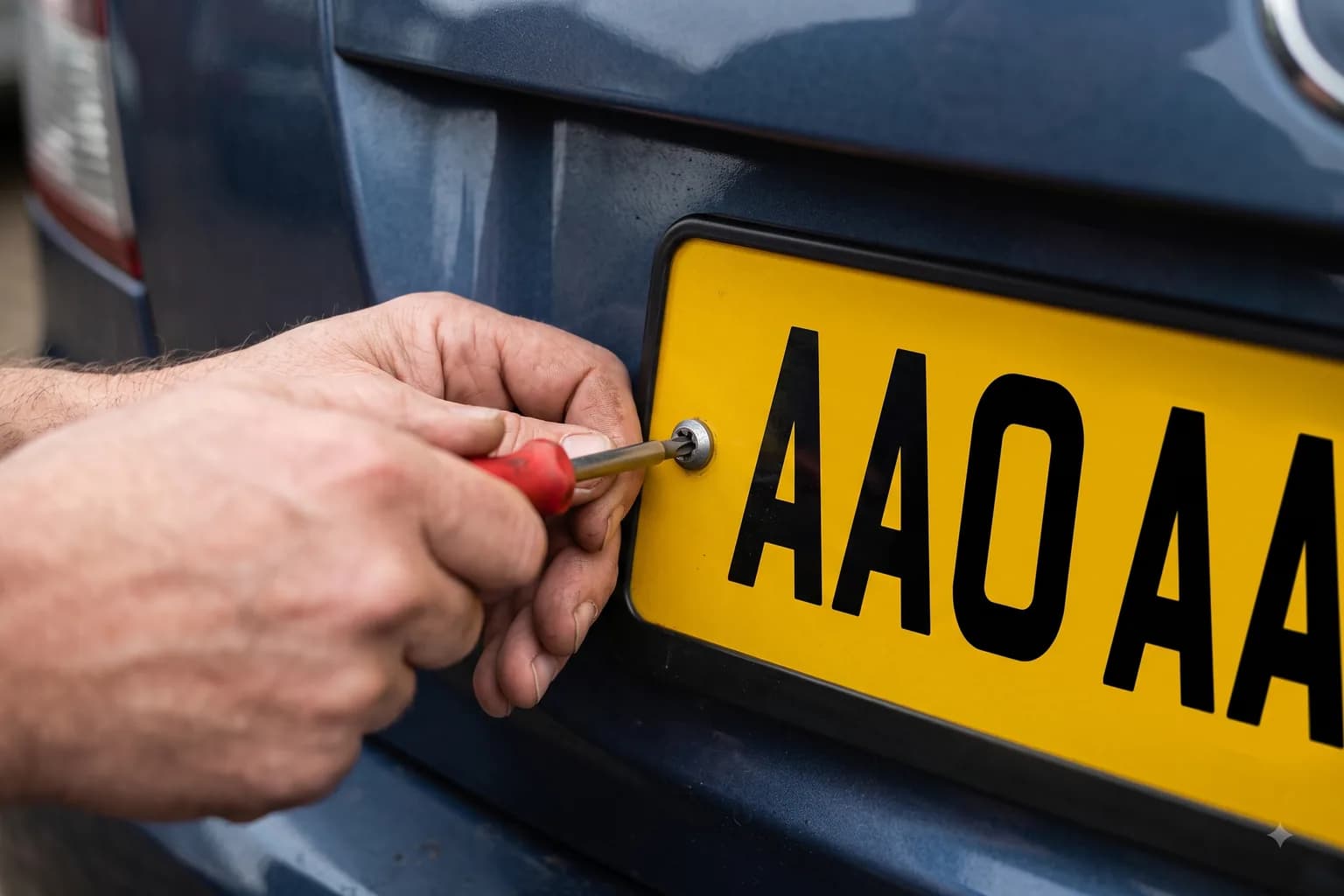
Number plate cloning is effective because most systems still react after the fact. By the time a driver knows something is wrong, the cloned plate may already have been used repeatedly for speeding, parking offences, toll evasion or more serious crime. Replacing plates alone does not solve the wider problem if the vehicle identity has already been copied, shared or sold on.
That is why prevention needs to be active, not passive. A modern security approach focuses on registration, detection and alerting. In plain terms, that means recording legitimate plate credentials securely, monitoring for suspicious duplication activity and notifying the registered vehicle owner fast enough to act.
For private motorists, that reduces the chance of false enforcement escalating. For fleets, it protects multiple vehicles from becoming liabilities at once. For plate manufacturers, it supports compliance and helps reduce unauthorised duplication at source.
The most common signs your vehicle identity may be compromised
In many cases, drivers only discover cloning when an official notice arrives. But there are earlier warning signs if you know what to watch for.
A sudden increase in penalty notices is the obvious one, especially if locations or times do not match your movements. You might also receive correspondence about offences involving a different vehicle make, model or colour. If your registration appears to be linked to activity far from where your car actually was, that is a clear red flag.
There are less direct indicators too. Failed insurance checks, unusual interest in your registration details or evidence that plates have been viewed, copied or reproduced without your consent can all point to misuse. For businesses managing fleets, inconsistencies across driver logs, telematics and enforcement notices should never be ignored.
The challenge is that none of these signs are preventative. They tell you that something may already have happened. Effective vehicle identity theft prevention aims to spot risk before those consequences pile up.
Vehicle identity theft prevention starts with control
The first principle is simple. If your vehicle identity is not securely registered and verifiable, it is easier for criminals to imitate.
Control starts with accurate registration data linked to the legitimate keeper and lawful plate issuance. That creates a trusted point of reference. From there, detection systems can compare activity against known records and identify unusual duplication patterns.
This matters because cloned plates often look convincing enough to pass casual visual checks. The problem is not always poor reproduction. In many cases, it is unauthorised reproduction using valid-looking details. That is why security cannot rely on appearance alone.
A proper prevention model adds traceability. It gives drivers and authorised stakeholders a way to confirm status, review alerts and respond quickly if suspicious activity appears. That shift from uncertainty to verification is where real protection begins.
Why standard responses often fall short
Drivers are frequently told to report the matter, keep records and wait for the process to run its course. That advice is necessary, but it is not enough.
Reporting to the police, informing the DVLA and challenging wrongful fines are all part of the response. The issue is timing. Those steps tend to happen only after fraud has produced a visible consequence. If a cloned plate remains in circulation, the same problem can repeat while the first case is still being resolved.
There is also a practical gap between agencies, suppliers and vehicle owners. Information does not always move quickly, and the burden of proof often lands on the innocent driver. For fleets, the burden is multiplied across vehicles, departments and drivers.
This is where technology-led prevention is stronger than manual clean-up. It shortens the distance between suspicious activity and decisive action.
What a stronger prevention system looks like
The most effective model is not complicated, but it does need to be consistent.
First, the legitimate plate and vehicle identity should be registered through a secure process. That creates a protected record rather than leaving the identity exposed and untracked. Second, that record should sit within an encrypted tracking environment capable of detecting duplication signals or verification requests. Third, alerts should be immediate, not delayed to a weekly report or a support queue.
Speed matters. If a suspicious duplication event is detected early, the keeper can begin documenting their own location, checking vehicle status and preparing evidence before false claims escalate. That early head start can make the difference between a contained issue and weeks of avoidable disruption.
There is no single measure that removes all risk. Prevention works best as layered protection. Secure registration reduces opportunity. Detection improves visibility. Alerting improves response time. Together, they provide something most drivers currently lack - control.
Practical steps drivers can take today
Some actions are basic, but still valuable. Keep your registration documents secure. Be cautious about where your number plate is photographed or shared in public sales listings. If you use a third party for plate-related services, make sure the process is legitimate and traceable.
It is also worth checking that any official-looking correspondence matches your actual vehicle details and travel history. Do not assume an error will correct itself. Small inconsistencies often point to larger misuse.
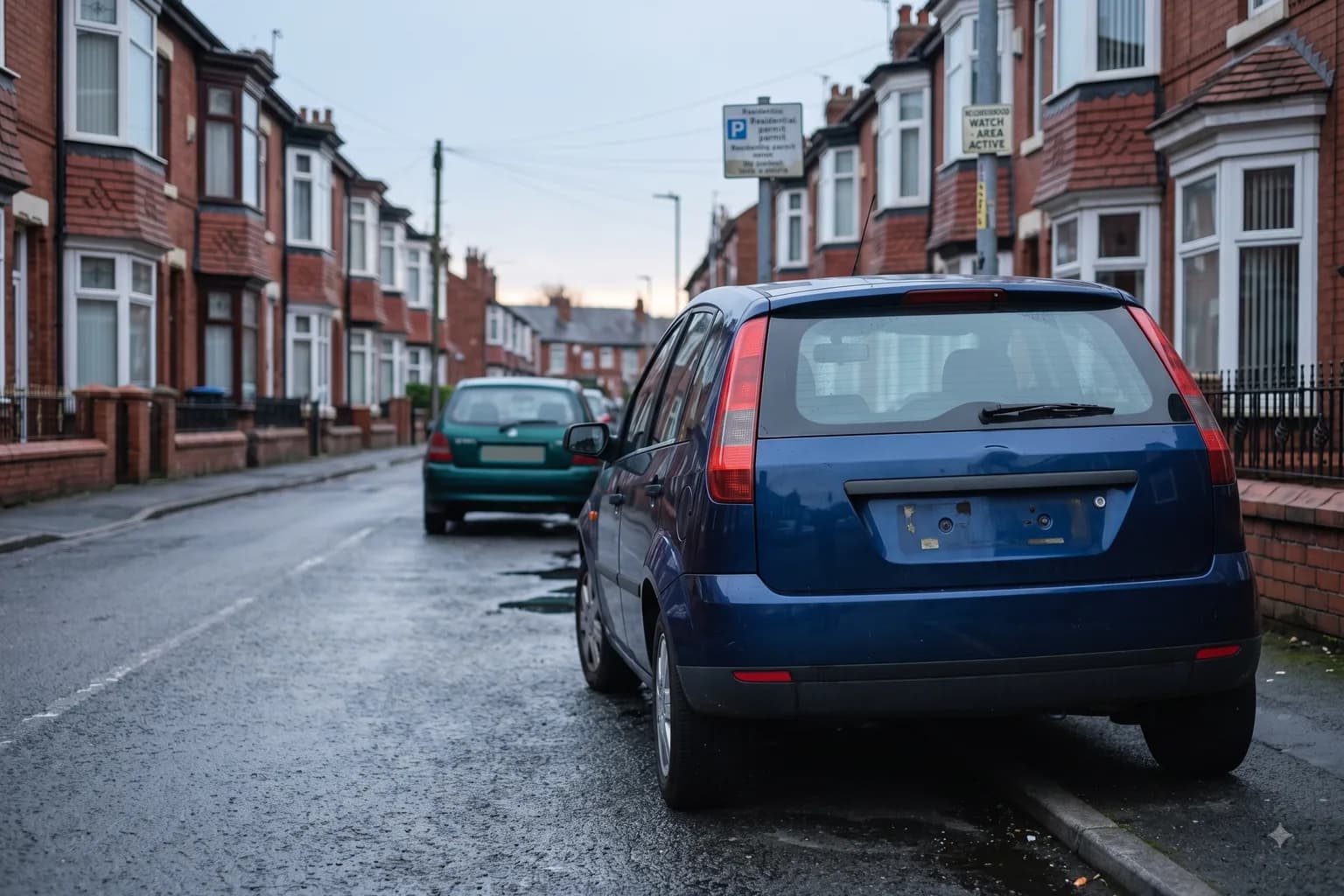
For higher-risk drivers - including those with prestige vehicles, regularly parked roadside, or operating across wide geographic areas - active monitoring is a sensible step rather than an optional extra. The same applies to fleet operators, where one cloned identity can trigger repeated operational and administrative costs.
Security-conscious motorists are moving away from the idea that replacement is protection. It is not. True protection comes from knowing your plate identity is registered, monitored and backed by rapid alerting.
Prevention for fleets and plate manufacturers
Fleet operators face a different scale of exposure. A cloned registration does not just create inconvenience for one driver. It can affect route planning, compliance records, customer confidence and internal admin time across the business.
For that reason, fleet-focused vehicle identity theft prevention should support central visibility. Operators need to know which vehicle identity is affected, when suspicious activity occurred and how quickly the issue can be contained. A fragmented approach creates delay, and delay gives fraud more room to spread.
Plate manufacturers also sit at a critical point in the chain. Secure registration workflows and verifiable issuance processes help reduce the risk of plates being duplicated outside authorised channels. When manufacturers, vehicle owners and security systems all work from a connected record, fraud becomes harder to hide.
That joined-up model is where specialist providers add real value. Protect A Plate is built around exactly that principle - secure registration, detection and instant alerting through a centralised platform designed to prevent misuse before it turns into a prolonged dispute.
The trade-off: convenience versus active protection
Some drivers hesitate because any new security step can feel like extra admin. That is fair. If you have never been targeted, prevention may seem less urgent than renewal reminders, servicing or insurance.
But the trade-off is straightforward. A little setup now can prevent a far greater administrative and legal burden later. The more valuable your time, the more active monitoring makes sense. For businesses, that calculation is even clearer. One unresolved cloning case can absorb hours across operations, compliance and customer service.
It also depends on your risk profile. A rarely used vehicle kept off-road has different exposure from a daily-driven van or company car moving across regions. Prevention should match that reality rather than treating all vehicles as equal.
What to do if you suspect cloning already
Act quickly and keep your evidence organised. Record where your vehicle was when the alleged offence happened. Keep photos of the vehicle and plates, retain any tracking or journey data available and review all notices for incorrect details.
Then report the issue through the proper channels and challenge any false penalties without delay. If your vehicle identity is part of a monitored and registered system, use that status to support verification and reduce uncertainty around the legitimacy of your plates.
The key point is not to wait for a second or third notice before taking it seriously. Fraud rarely stays still. Once a cloned identity is active, it can be used again.
Drivers should not have to prove their innocence repeatedly because someone else copied a plate. Vehicle identity theft prevention gives you a stronger starting position - one built on secure records, real-time visibility and the confidence that if your plate is targeted, you will know sooner rather than later.