A cloned registration rarely announces itself politely. It usually arrives as a penalty notice for a road you have never driven, a congestion charge from a city you have not visited, or a police query that leaves you proving where your vehicle really was. That is exactly why a vehicle identity protection service matters. It is not about replacing plates after the damage is done. It is about putting active monitoring, detection and verification around your vehicle’s identity before fraud escalates.
For UK drivers, number plate cloning is not a niche annoyance. It creates legal friction, financial loss and ongoing stress. Private motorists can end up contesting fines for weeks. Fleet operators can lose time across multiple vehicles, with admin teams pulled into disputes they should never have had to handle. Plate manufacturers face a different pressure - secure workflows, compliance and the need to reduce the risk of unauthorised duplication entering the market in the first place.
What a vehicle identity protection service actually does
At its core, a vehicle identity protection service protects the link between your vehicle and its registration identity. In practice, that means registering plate credentials, monitoring for suspicious activity and issuing alerts when something does not look right.
That sounds simple because it should. Good security systems are built to make a complex threat manageable. The strongest services work through a clear sequence - registration, detection and alerting. First, the plate and its details are securely recorded. Then the system monitors for signs of duplication or misuse. If a concern is identified, the registered user is notified quickly through channels such as email, SMS or push notifications.
The difference between this and a passive record-keeping tool is significant. Passive systems tell you what has happened. A security-led platform is designed to spot warning signs early, support verification and help you respond before cloned identity issues become harder to unwind.
Why number plate cloning causes bigger problems than most drivers expect
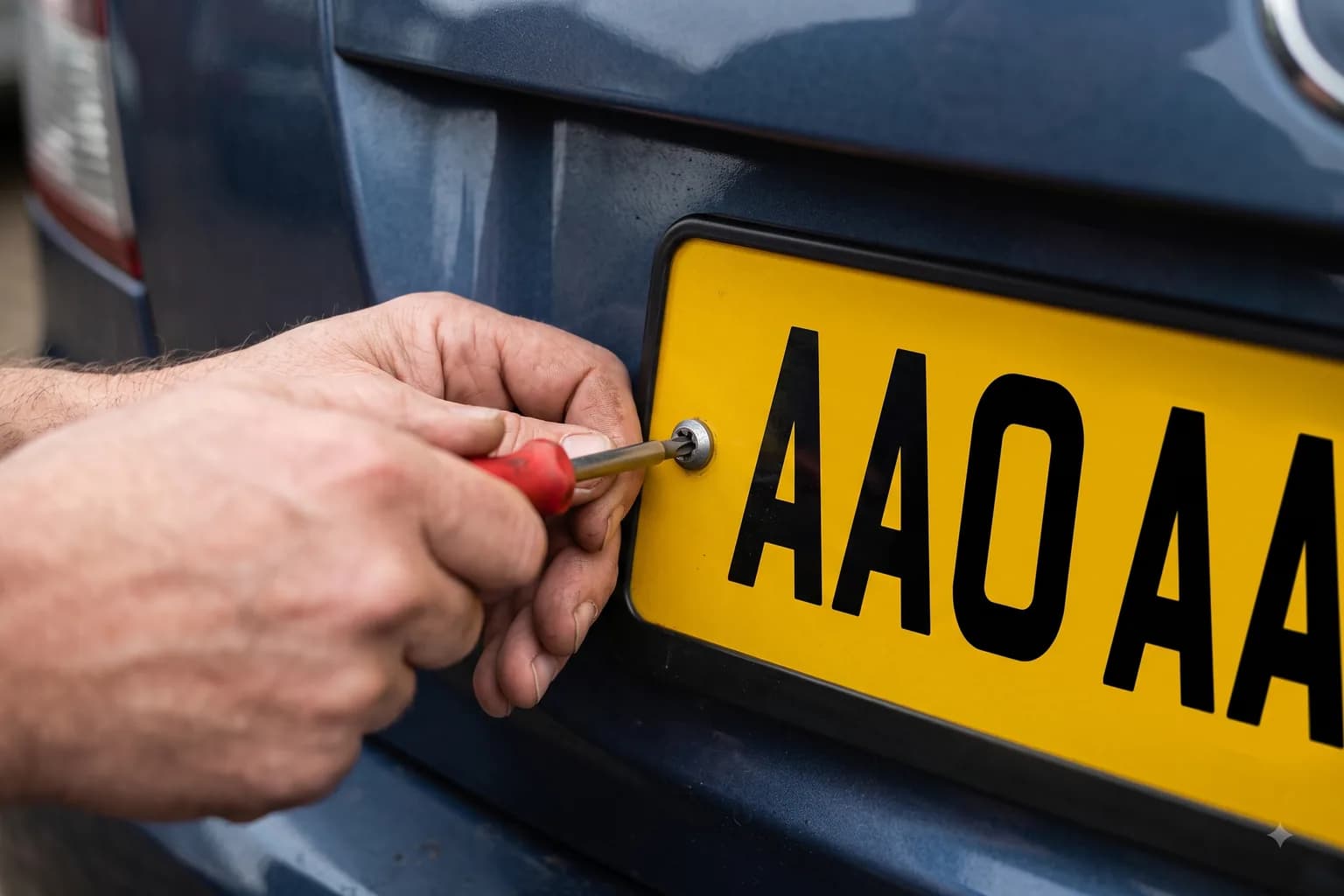
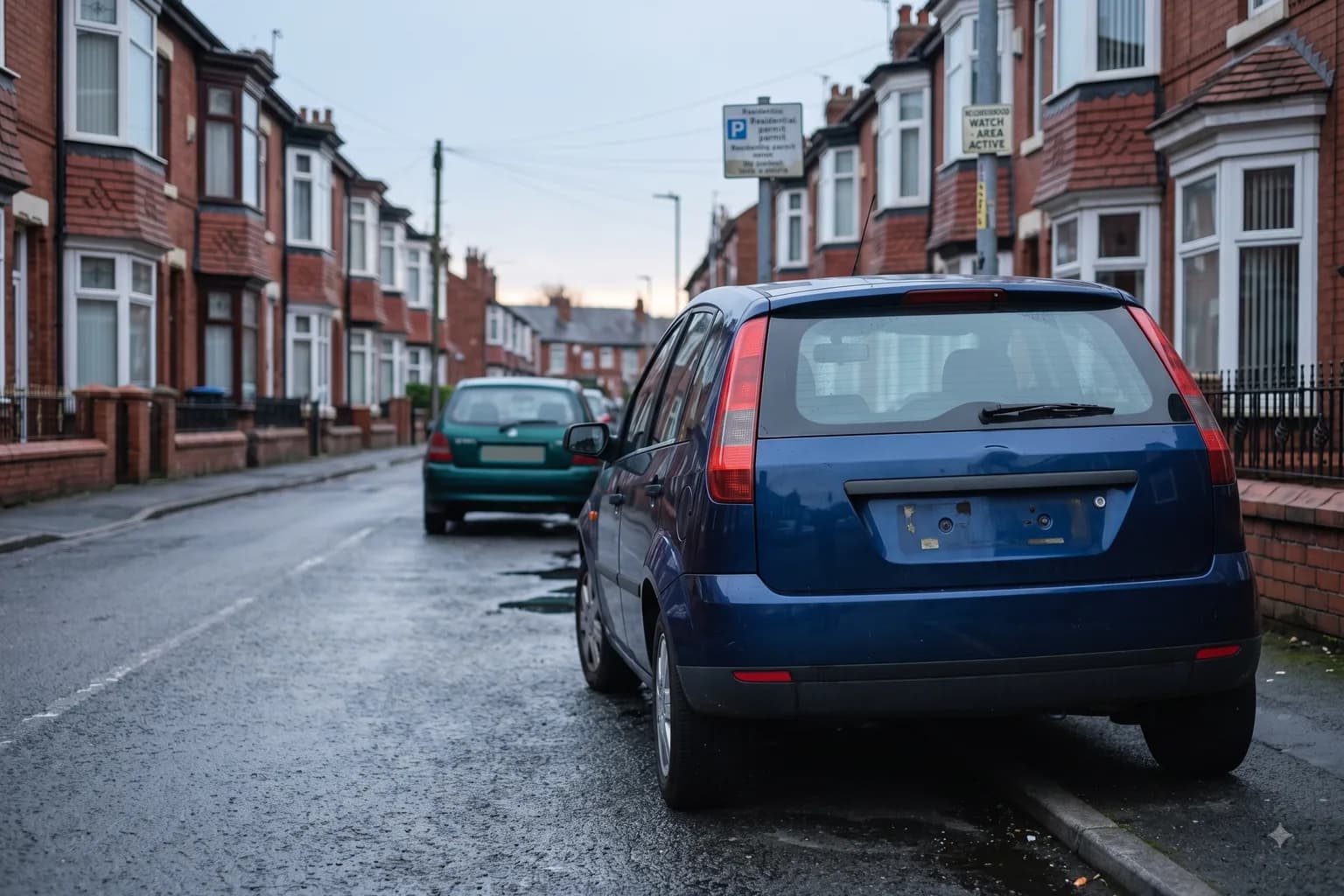
When a plate is copied, the fraud is not limited to the physical item. What is really being stolen is the vehicle’s identity in public systems, camera records and enforcement processes. That means the consequences can spread far beyond a single fake plate on another car or van.
A cloned registration can be used to avoid tolls, congestion charges and parking fees. It can also be attached to vehicles involved in motoring offences or criminal activity. Even when the genuine keeper is eventually cleared, the burden often falls on them to challenge records, gather evidence and prove their case. That takes time, creates anxiety and can undermine confidence in the accuracy of enforcement notices.
For businesses, the risk scales quickly. One cloned plate in a fleet is a problem. Several plates exposed across multiple vehicles can become an operational issue, especially when drivers, transport teams and back-office staff all need to coordinate a response. The right protection service reduces that exposure by giving fleets a clearer, faster way to monitor and verify their registrations.
How vehicle identity protection services work in practice
The best platforms are built around control. A driver or authorised business user registers the vehicle’s plate details into a secure system. From there, proprietary tech and an encrypted tracking database can be used to monitor status, check for anomalies and support verification where needed.
Detection is where real value starts to show. If suspicious duplication activity appears, the service can trigger an instant alert rather than leaving the keeper to discover the issue through post days or weeks later. Speed matters here. The earlier a driver knows there may be misuse linked to their registration, the easier it is to document the issue and start corrective action.
Verification matters just as much. Alerts on their own are useful, but a proper platform should also help establish plate status clearly. That gives drivers, fleet managers and legitimate plate suppliers a stronger basis for checking whether a registration is recognised, monitored and potentially at risk. In security terms, visibility is control.
Vehicle identity protection service for private drivers
For individual motorists, the appeal is straightforward. Most people do not think about plate cloning until they are already dealing with a fine they should not have received. By then, the process is reactive and frustrating.
A vehicle identity protection service gives private drivers a preventative layer that standard ownership documents and insurance do not provide. Your V5C confirms registered keeper details. Your insurer handles policy cover. Neither is designed to actively monitor for suspicious duplication of your registration. That gap is exactly where specialist protection belongs.
There is also a practical emotional benefit. Drivers want certainty. If your registration is being monitored and you know you will receive an instant alert if something appears wrong, you are no longer waiting for a problem to surface through someone else’s system. You have an early warning mechanism working on your behalf.
Why fleets and commercial operators need a different level of protection
Commercial operators face a more complex version of the same threat. More vehicles mean more registrations to manage, more routes, more enforcement points and more exposure to cloned identity misuse. A single disputed notice might be manageable. Repeated issues across a fleet can create real cost.
This is why centralised monitoring matters. Fleet teams need one place to register assets, track status and respond quickly if suspicious activity is detected. They also need confidence that alerts will reach the right people without delay. A service built for operational use supports that control, especially when administrators need oversight rather than piecemeal updates.
There is a trade-off to acknowledge. Not every private driver needs the same level of account management or reporting as a business running dozens of vans or company cars. But the underlying requirement is the same - fast detection, clear records and a reliable way to prove that a genuine vehicle is not the one involved in misuse.
The role of secure registration and plate manufacturers
Protection does not begin only when a cloned plate is discovered. It starts earlier in the chain, at the point where legal number plates are produced, registered and issued correctly. That is why secure manufacturer workflows are part of the wider security picture.
For plate manufacturers, the challenge is twofold. They need compliant registration processes, and they need systems that make it harder for unauthorised duplication to hide in the gaps between production and vehicle assignment. A platform-based service that supports secure registration and searchable plate status can strengthen that chain of trust.
This matters because fraud tends to exploit weak handovers. If production, registration and monitoring are disconnected, suspicious activity can be harder to spot. Bringing those functions into a centralised infrastructure improves visibility and reduces blind spots.
What to look for in a vehicle identity protection service
Not all services are built with the same level of intent. Some tools focus on administration. Others are designed as genuine prevention technology. The difference usually comes down to whether the platform gives you active detection, encrypted registration records and immediate alerting.
Look for a service that makes status verification simple, not buried. Look for real-time or near real-time alerts, because delayed notice has limited value once charges and queries have already stacked up. And look for a provider that clearly understands the specific risk of number plate cloning rather than treating it as a minor add-on to a wider motoring offer.
A specialist service should also be easy to use. Strong security is not helpful if registration is cumbersome or if alerts are difficult to act on. The right system combines clear processes with serious protective capability. That is where confidence comes from.
Prevention is stronger than repair
Once a registration has been misused, the clean-up can be slow. Drivers may need to challenge penalties, provide evidence of location, contact authorities and monitor for repeat issues. Even where the case is eventually resolved, the time and frustration cannot be refunded.
That is why prevention deserves more attention than replacement. Replacing a plate after fraud has occurred may deal with a symptom, but it does not address the wider problem of vehicle identity misuse. Monitoring, detection and rapid response do.
This is the case for a specialist platform such as Protect A Plate. The value is not only in having a record of your plate. It is in having proprietary tech, an encrypted global tracking database and instant alerting working together to defend that identity before cloned use becomes a larger dispute.
Most drivers do not need more paperwork. They need more control. If your number plate is part of your vehicle’s identity, protecting it should be treated as a live security task, not an afterthought once the post arrives.