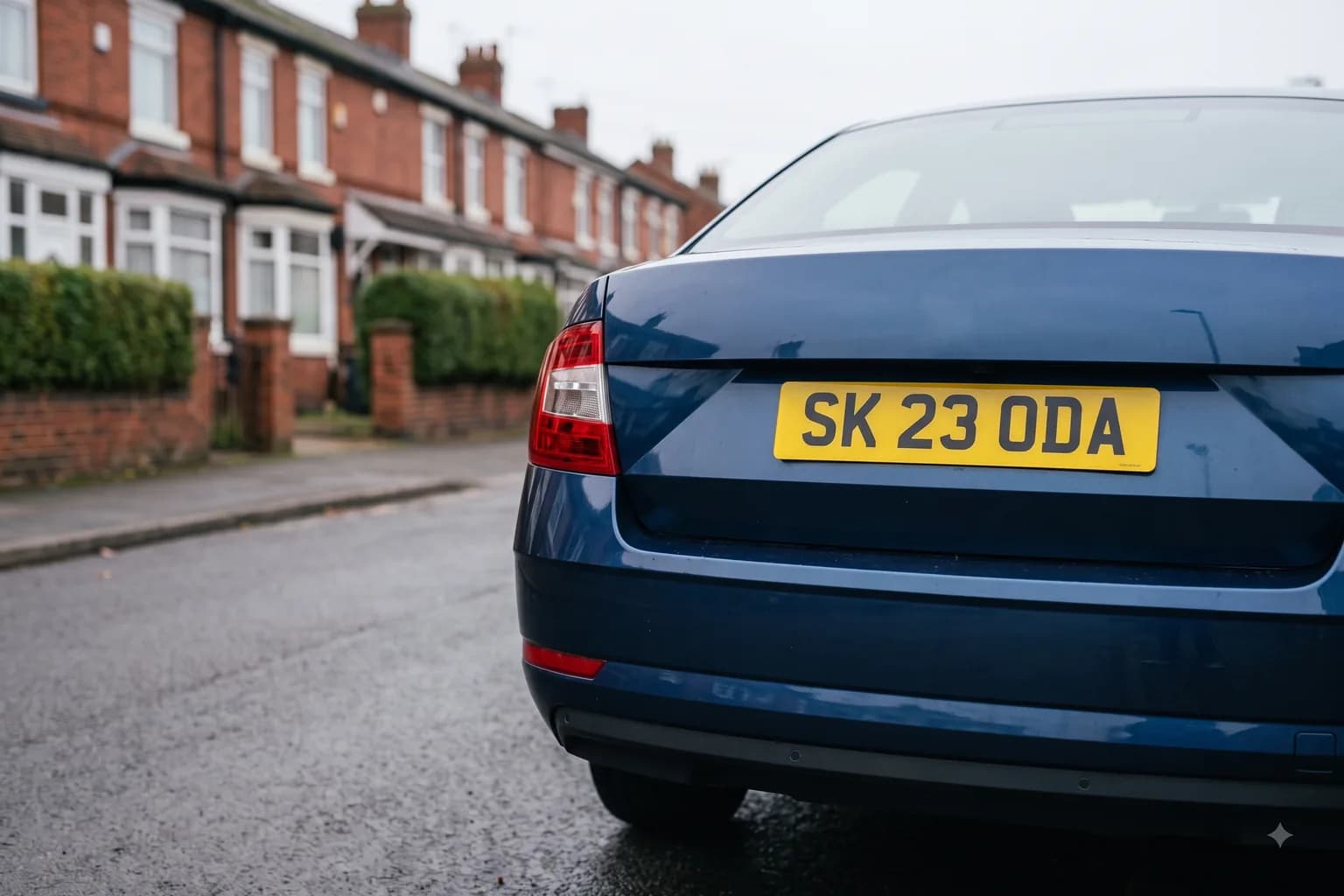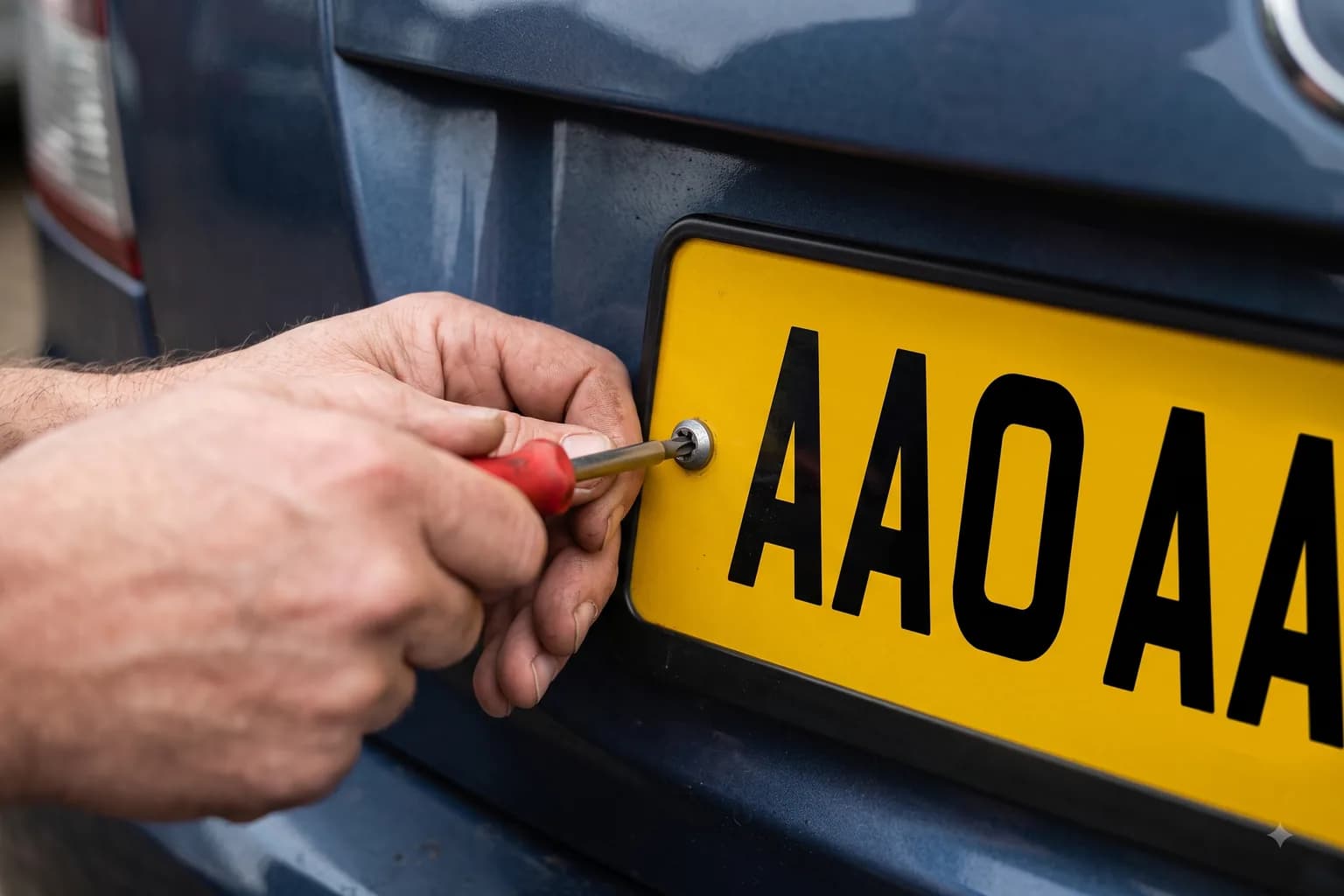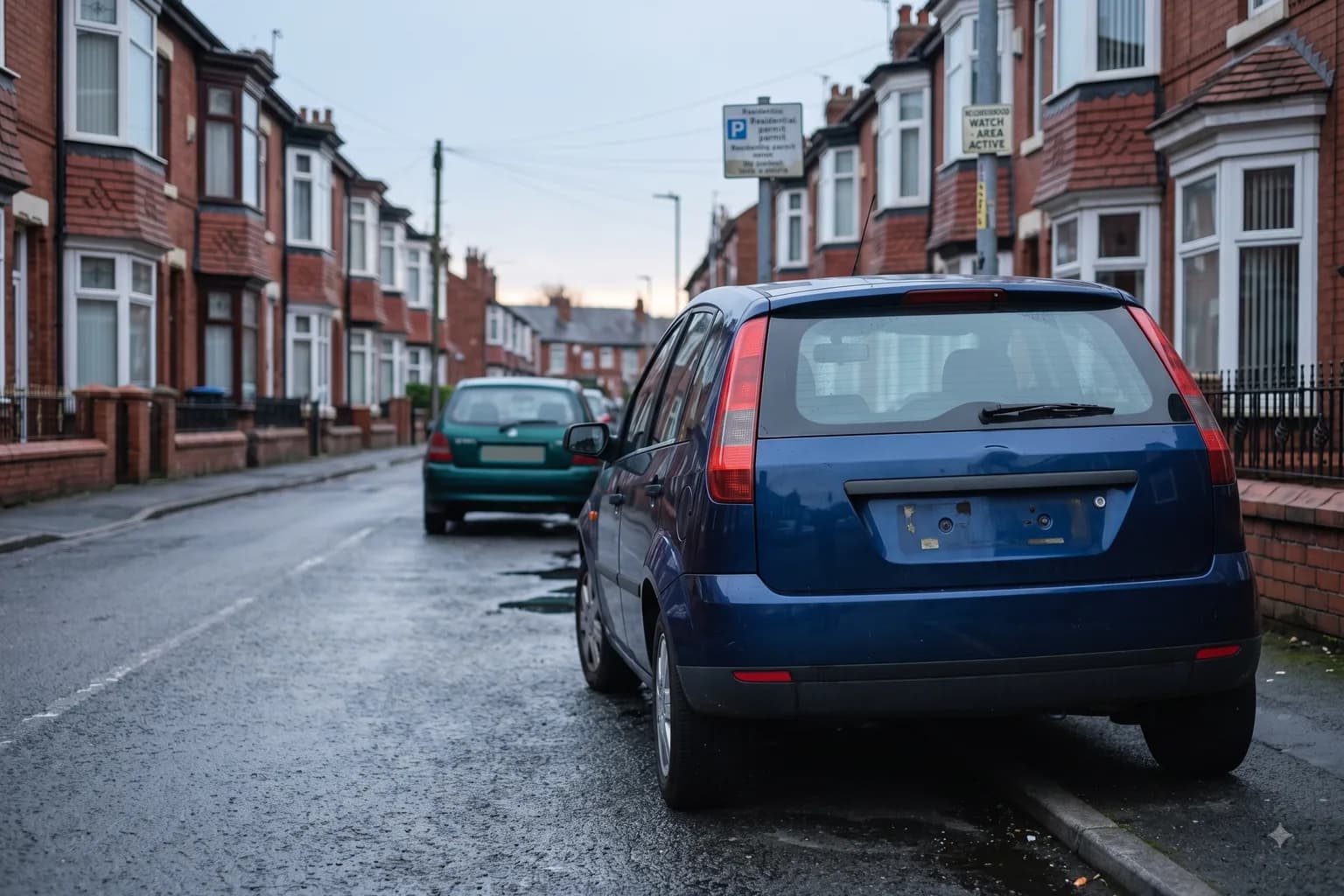
A cloned plate rarely announces itself politely. For most drivers, the first sign is a parking fine for a place they have never been, a toll charge from a different region, or police attention that makes no sense at all. That is where vehicle fraud monitoring vs insurance becomes a practical question, not a theoretical one. If your registration identity is being misused, the gap between detecting the fraud early and dealing with the aftermath can be expensive, stressful and time-consuming.
Vehicle fraud monitoring vs insurance: what is the real difference?
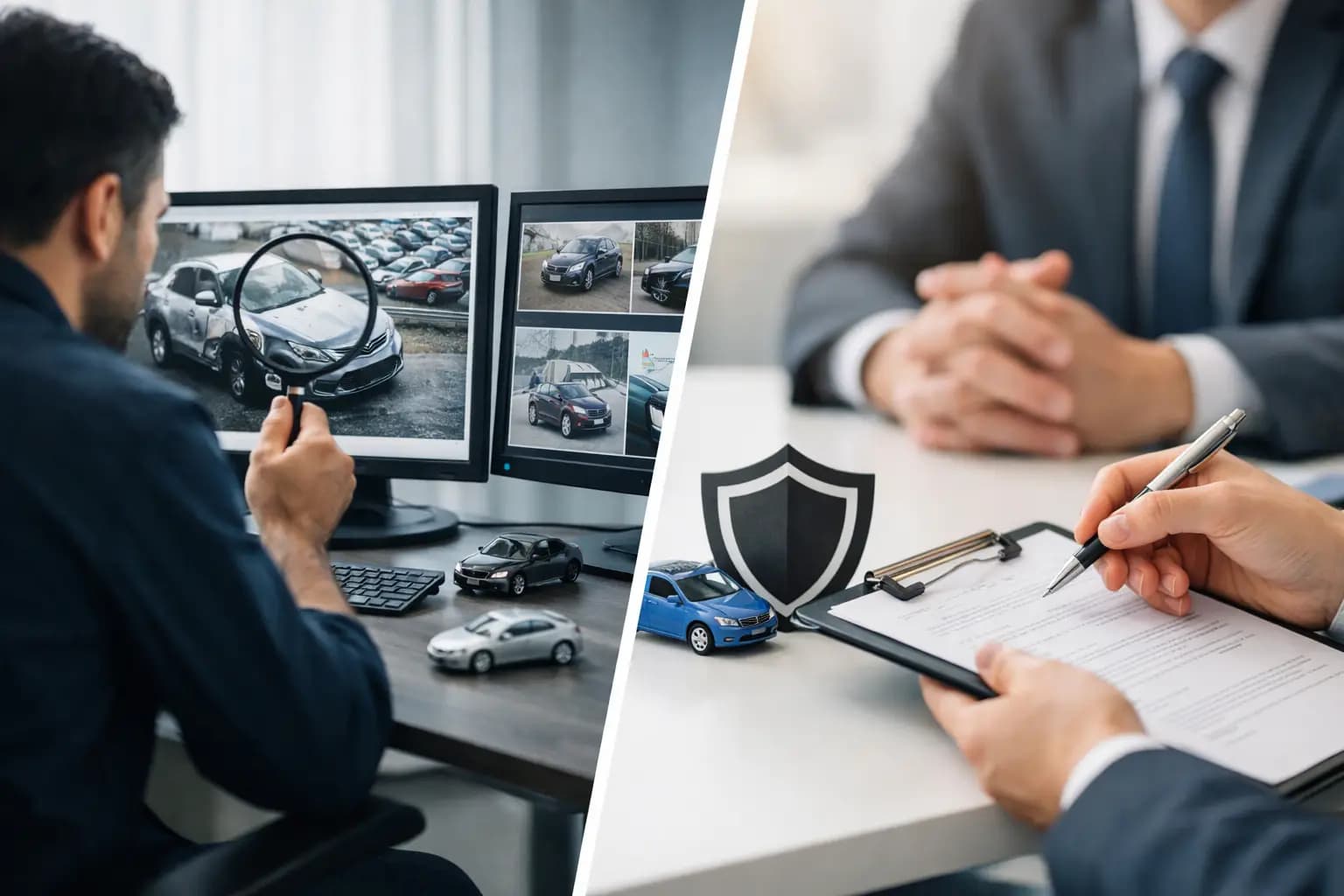
Insurance is designed to help after a covered loss. Fraud monitoring is designed to spot suspicious activity before the damage spreads. Those are not competing functions. They sit at different stages of the problem.
When number plate cloning or unauthorised duplication happens, the first issue is usually not physical damage to the vehicle. It is identity misuse. Your registration can be attached to offences, penalties, congestion charges or criminal activity committed by someone else. A standard motor insurance policy is not built to monitor that threat in real time. It may support you in certain circumstances once a claim or dispute exists, but it does not usually act as an active detection system for your plate identity.
Vehicle fraud monitoring works differently. It focuses on registration, verification, detection and alerting. Instead of waiting for paperwork to arrive through the post, the aim is to identify suspicious duplication activity quickly so the owner can act before the problem escalates. That is the core difference. Insurance is reactive. Monitoring is preventative.
What insurance does well
Insurance still matters. If your vehicle is stolen, damaged, vandalised or involved in an incident covered by your policy, insurance is the financial protection most drivers rely on. It is a legal and practical necessity for using a vehicle on UK roads.
It can also help when fraud creates wider complications. If a cloned identity becomes connected to a claim dispute or associated loss, your insurer may have processes for reviewing evidence and handling the case. Some policies include legal expenses cover or access to support services. For fleet operators, commercial policies may add another layer of administrative help.
But that support has limits. Insurance is generally focused on insured events, liability and financial recovery under policy terms. It is not a dedicated number plate security system. It does not usually register your plate credentials in a purpose-built database, monitor duplication patterns or issue instant alerts the moment suspicious activity is detected. That is a different category of protection.
Where insurance falls short on cloning and plate misuse
Number plate fraud causes a specific kind of disruption. The harm often starts long before an insurance claim exists. You may need to challenge fines, explain your whereabouts, provide evidence, contact issuing authorities and protect your vehicle's identity from further misuse. That can mean lost time, business interruption and reputational damage, especially for fleets and company vehicles.
For a private driver, the issue is stress and exposure. For a commercial operator, it can become operational. One cloned plate can trigger repeated notices, administration overhead and confidence issues with drivers or customers. None of that is well served by a policy that mainly responds after a covered incident has been reported.
This is why vehicle fraud monitoring vs insurance should not be framed as an either-or decision. Insurance is essential, but it is not specialist protection against unauthorised plate duplication. It was not built for that purpose.
What vehicle fraud monitoring is designed to do
A specialist monitoring system is built around one objective: protect the identity attached to the registration mark. That means creating a verified record, monitoring for suspicious duplication signals and alerting the legitimate owner quickly.
In practice, that can include registering plate credentials in an encrypted tracking database, checking for signs of misuse and enabling fast verification if concerns arise. Speed matters here. The earlier suspicious activity is identified, the better the chance of limiting follow-on problems.
That proactive model changes the experience for the driver. Instead of discovering fraud through enforcement action weeks later, the owner has a route to earlier awareness and faster response. For plate manufacturers and supply chain partners, monitoring also supports secure workflows and tighter control around legitimate plate creation and distribution.
Why early detection changes the outcome
Most fraud becomes harder to manage once it spreads across multiple events. A cloned plate used once is bad enough. A cloned plate used repeatedly across car parks, toll routes, forecourts or road traffic offences becomes much harder to untangle.
Early detection improves control. It gives you a chance to verify your plate status, build evidence sooner and reduce the time between suspicious activity and action. That can make a material difference when challenging penalties or reporting misuse. It also helps establish a clearer record that your legitimate vehicle identity is being impersonated.
This is where proprietary tech and real-time alerting have genuine value. They reduce the delay between fraud occurring and the rightful keeper becoming aware of it. That delay is often where the worst consequences build.
For most UK drivers, the answer is both - but for different reasons
If you own or operate a vehicle in the UK, insurance is non-negotiable. It covers a broad range of risks attached to vehicle ownership and road use. But if your concern is cloning, duplication or registration misuse, insurance alone leaves a blind spot.
Vehicle fraud monitoring fills that blind spot. It is not there to replace your insurer. It is there to protect a different asset: the identity of your plate and the chain of trust around it.
Think of it this way. Insurance helps with the cost of certain outcomes. Monitoring helps reduce the chance that those outcomes spiral unnoticed. One is financial protection. The other is active security.
That distinction matters because cloned plate fraud is not always dramatic at first. It often starts quietly. A single fine. An unexplained notice. A discrepancy that seems administrative until it is clearly not. Drivers who rely only on insurance may find themselves reacting too late.
Vehicle fraud monitoring vs insurance for fleets and trade users
For fleet operators, the stakes are higher. A cloned registration on a single vehicle can create admin burden across transport teams, drivers and compliance processes. If a business manages multiple cars or vans, even one identity misuse issue can absorb hours of internal time.
Insurance may support the business if wider losses occur, but it will not usually deliver the visibility needed to detect and isolate suspicious plate activity early. Monitoring is better suited to that task because it is operationally focused. It supports oversight, verification and rapid response.
The same applies to plate manufacturers and authorised suppliers. Security is not just about issuing a legal product. It is about maintaining control, traceability and confidence in the registration lifecycle. A centralised system that supports secure registration and fraud detection offers practical advantages that insurance does not attempt to provide.
The trade-off: prevention has a cost, but so does delay
Some drivers hesitate because they assume insurance should cover everything worth worrying about. That is understandable, but it misses the operational reality of fraud. The question is not only whether you recover money later. It is whether you can stop identity misuse from spreading in the first place.
Prevention services come with a cost. So does dealing with repeated fines, wasted time, disputed evidence and prolonged uncertainty. For many motorists, especially those who have already seen how number plate cloning works, the better calculation is control versus exposure.
It also depends on your risk profile. A private driver with occasional use may assess the threat differently from a fleet manager with dozens of vehicles on the road. A high-value vehicle owner may feel more exposed than someone using an older runabout. But none of those drivers are immune to plate misuse. Cloning is not selective in a helpful way.
What to look for if you are comparing options
If you are weighing vehicle fraud monitoring against insurance, check whether the service actually detects suspicious plate activity or merely helps after you report a problem. Those are very different propositions.
Look for verified registration, encrypted data handling, fast alerts and a clear process for confirming plate status. The strongest systems are built for action - register, detect, alert, verify. That structure keeps the service practical and measurable.
For UK motorists who want specialist protection, that is the point. You are not buying another generic vehicle service. You are putting a dedicated layer of security around one of the most misused parts of your vehicle identity.
Protect A Plate was built around that exact problem. Not replacing insurance, but strengthening what insurance cannot do by itself.
If you are serious about protecting your vehicle, treat insurance as the foundation and fraud monitoring as the early warning system. The cost of waiting is rarely visible at the start, but it becomes painfully clear once your plate is being used by someone else.