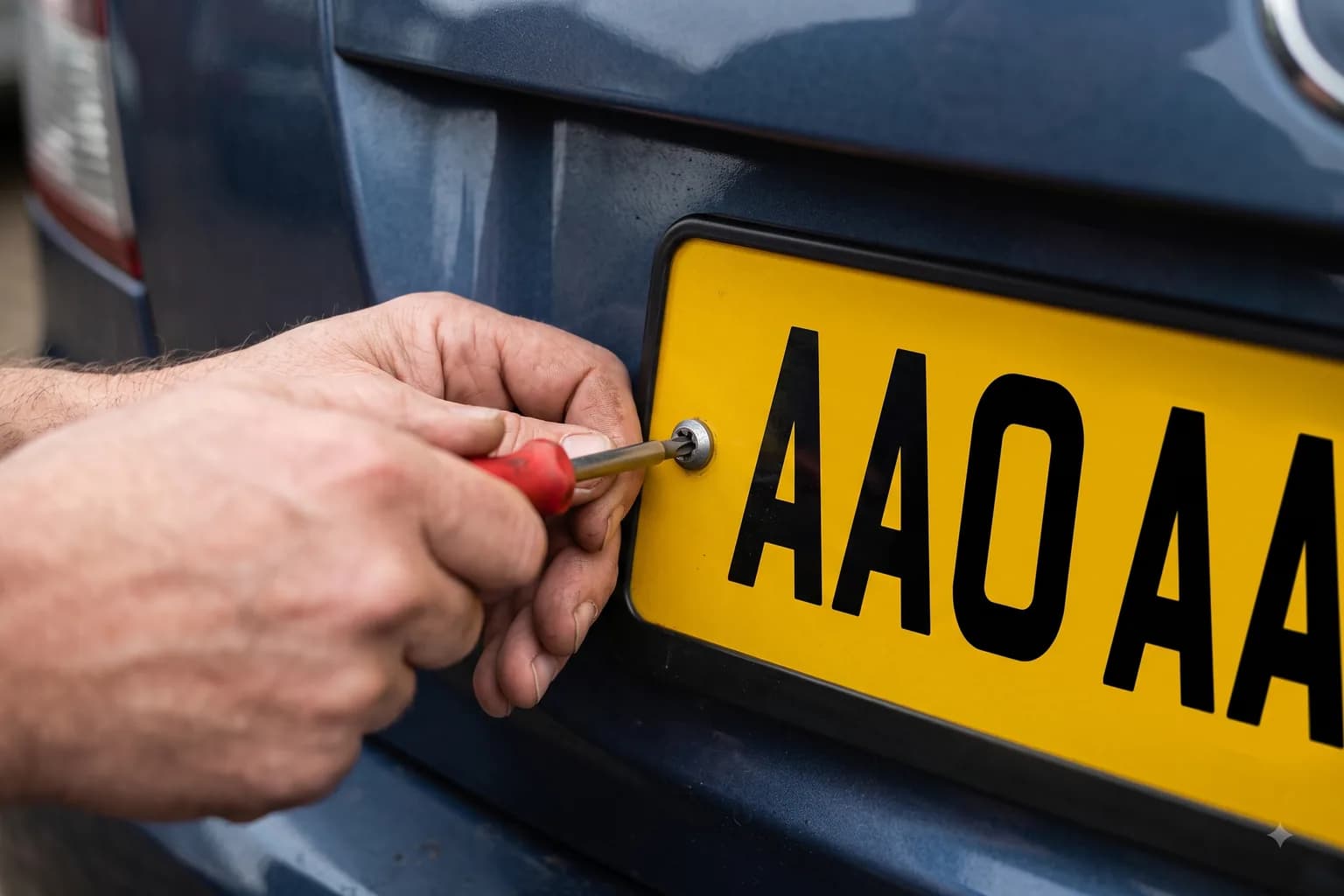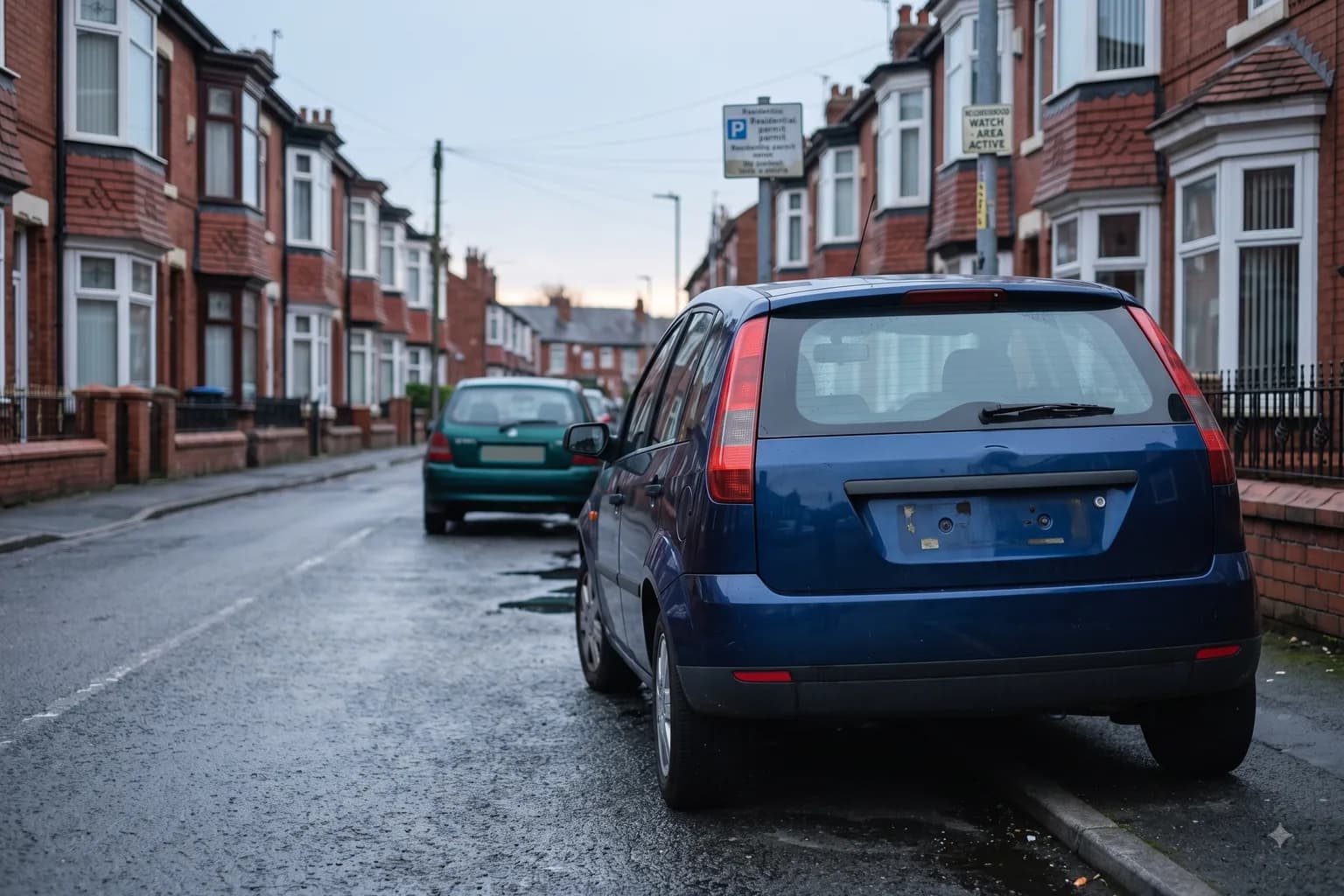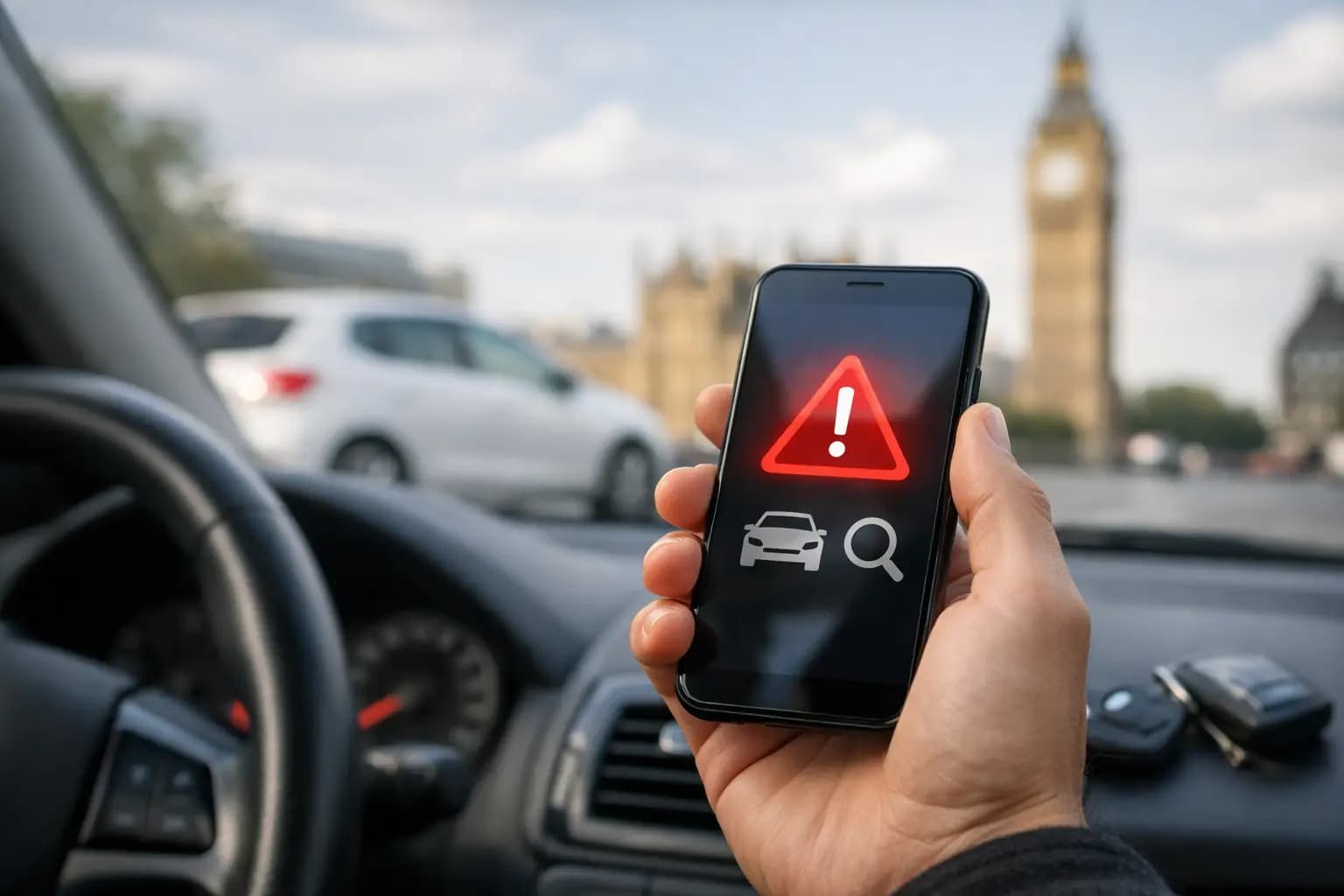
A fine for an offence you did not commit is often the first sign that a vehicle identity has been misused. By then, the driver may be dealing with enforcement letters, disputed charges and the burden of proving their vehicle was elsewhere. This vehicle fraud alert apps review looks at what UK motorists should expect from fraud-monitoring technology, and where standard vehicle apps fall short.
The key distinction is simple: many motoring apps record information about your car; far fewer are designed to identify and alert you when someone may be using its identity. For drivers concerned about cloned number plates, that difference determines whether a service is merely convenient or genuinely protective.
Vehicle fraud alert apps review: what are you actually buying?
The term "vehicle fraud alert app" covers several very different services. Some are vehicle-history checkers, built to reveal past write-offs, finance records or mileage discrepancies before a purchase. Others are telematics or tracking apps, which show where a vehicle is or how it is being driven. Insurance portals may send renewal reminders, policy documents and driving scores.
All can be useful. None should automatically be treated as protection against number plate cloning.
A cloned plate can be fixed to a different vehicle that then passes cameras, enters charging zones, commits parking contraventions or is linked to criminal activity. A location tracker fitted to your own car cannot necessarily identify that misuse, because your real vehicle may be parked safely while the cloned vehicle is on the road elsewhere. Likewise, a history report may tell you about a vehicle's past, but it is not usually an active warning system.
The strongest specialist platforms are built around three functions: registering the legitimate plate and owner credentials, monitoring for suspicious duplication activity, and issuing a rapid alert so the owner can act. This approach addresses the identity risk directly rather than treating fraud as an administrative problem to solve afterwards.
The features that matter most
A useful review should look beyond a polished dashboard or a long feature list. The protection value lies in how quickly a system can distinguish a legitimate registration from potentially unauthorised use, and how clearly it tells you what to do next.
Registration must create a verifiable record
The first question is whether the service establishes a credible connection between the registration mark, vehicle and rightful keeper. A basic account with an email address is not the same as a secure registration process with recorded credentials and traceable status.
For a specialist anti-cloning service, encrypted record keeping matters. It creates an authoritative reference point if a plate is queried, manufactured or flagged. For fleets, the process also needs to work at scale. A fleet manager should be able to register and maintain multiple vehicles without losing visibility over which plates are protected and which require attention.
Plate manufacturers have an additional requirement: secure registration workflows that support legitimate production while helping expose unauthorised duplication. A platform serving both motorists and the supply chain can create a stronger protective network than an app focused solely on one driver.
Alerts need to be prompt, specific and actionable
An alert is only valuable if it reaches the right person quickly and explains the concern. Look for notification options that suit the way you operate, such as push notifications, SMS and email. If a fleet vehicle is involved, more than one responsible contact may need to receive the warning.
Specificity is equally important. "Unusual activity detected" creates anxiety but gives little direction. A meaningful alert should identify the registration concerned, the nature of the issue where appropriate, and the immediate action available to the owner. That may include checking the plate status, preserving evidence and contacting the relevant authority or provider.
There is a trade-off here. Systems that alert on every weak signal can produce false positives and alert fatigue. Systems that wait for overwhelming proof may alert too late. The best services balance fast detection with meaningful verification, so drivers are warned early without being overwhelmed by noise.
A searchable status tool improves control
Vehicle fraud is often discovered during a stressful exchange: a letter arrives, a buyer questions a registration or a manufacturer receives a request to produce plates. A searchable plate status tool can give users a fast way to check whether a registration has a recognised protective record or requires further verification.
This function should be straightforward. Security technology earns trust when it provides a clear answer without exposing sensitive personal data. Drivers need reassurance that their information is protected; manufacturers need confidence that checks support proper processes; administrators need an audit trail that makes investigations manageable.
Real protection is proactive, not just reactive
Some services help you respond after a penalty notice has arrived. That assistance has value, particularly where a motorist needs to challenge an allegation. But it is not the same as a fraud alert service designed to identify risk before the consequences compound.
When comparing options, ask whether the service is built for prevention, detection or post-incident support. Ideally, it should support all three, but detection and early alerting are the difference-makers in a cloning scenario. The earlier you know that your plate may have been duplicated, the sooner you can document the issue, protect your position and reduce the chance of repeated misuse.
How common vehicle apps compare
Vehicle-history apps are useful before buying a used car. They can help identify concerns around a vehicle's recorded past, but they generally do not continuously protect the registration after purchase. Their role is due diligence, not live identity monitoring.
GPS trackers can be valuable for theft recovery and fleet oversight. They establish where your actual vehicle is, which may later help support your case if a cloned plate is used elsewhere. However, a tracker does not monitor the other vehicle carrying a copy of your plate. Treat it as supporting evidence rather than a complete anti-cloning answer.
Insurer apps can simplify policy management and, in some cases, encourage safer driving through telematics. Yet insurance cover does not itself prevent a cloned plate from generating correspondence, disruption and reputational concern. Check the policy wording carefully if you expect help with fraud-related administration.
General motoring apps may offer MOT reminders, tax status and maintenance records. These are practical ownership tools, but they do not create an encrypted identity record or alert you to suspected plate duplication. Convenience should not be confused with security.
A dedicated plate-protection platform, such as Protect A Plate, is different because the registration mark is the centre of the service. The objective is to register, detect, alert and verify - a focused response to a focused risk.
Questions to ask before choosing a service
Before registering, establish exactly what triggers an alert and who receives it. Ask how the platform verifies users and plates, whether records are encrypted, and what evidence or support is available if suspicious activity is found. If you run a fleet, check administrator permissions, multi-vehicle oversight and escalation routes. If you manufacture plates, ask how the system supports legitimate production and secure traceability.
Price matters, but it should not be the only comparison point. A low-cost app that sends generic reminders may be perfectly adequate for routine motoring tasks. It is not equivalent to a specialised fraud-prevention system. Compare the cost against the disruption of dealing with fines, disputed journeys, lost working time and the uncertainty of having your vehicle identity misused.
Also consider notification reliability. An app-only alert can be missed if permissions are disabled or a phone is replaced. Multi-channel alerts offer stronger resilience, particularly for businesses where an incident must reach a manager promptly. Make sure contact details are kept current and that alert preferences are tested after registration.
A better standard for vehicle identity security
The most useful vehicle fraud alert app does not promise that fraud can never occur. No security system can make that guarantee. It gives the legitimate owner a protected record, earlier visibility of suspected misuse and a faster route to respond with evidence and control.
For UK motorists, the practical test is not whether an app looks sophisticated. It is whether it treats your number plate as the valuable vehicle identity it is. Register it securely, keep your alert channels live and act promptly if anything does not look right. Waiting for the first fine is not a security strategy.