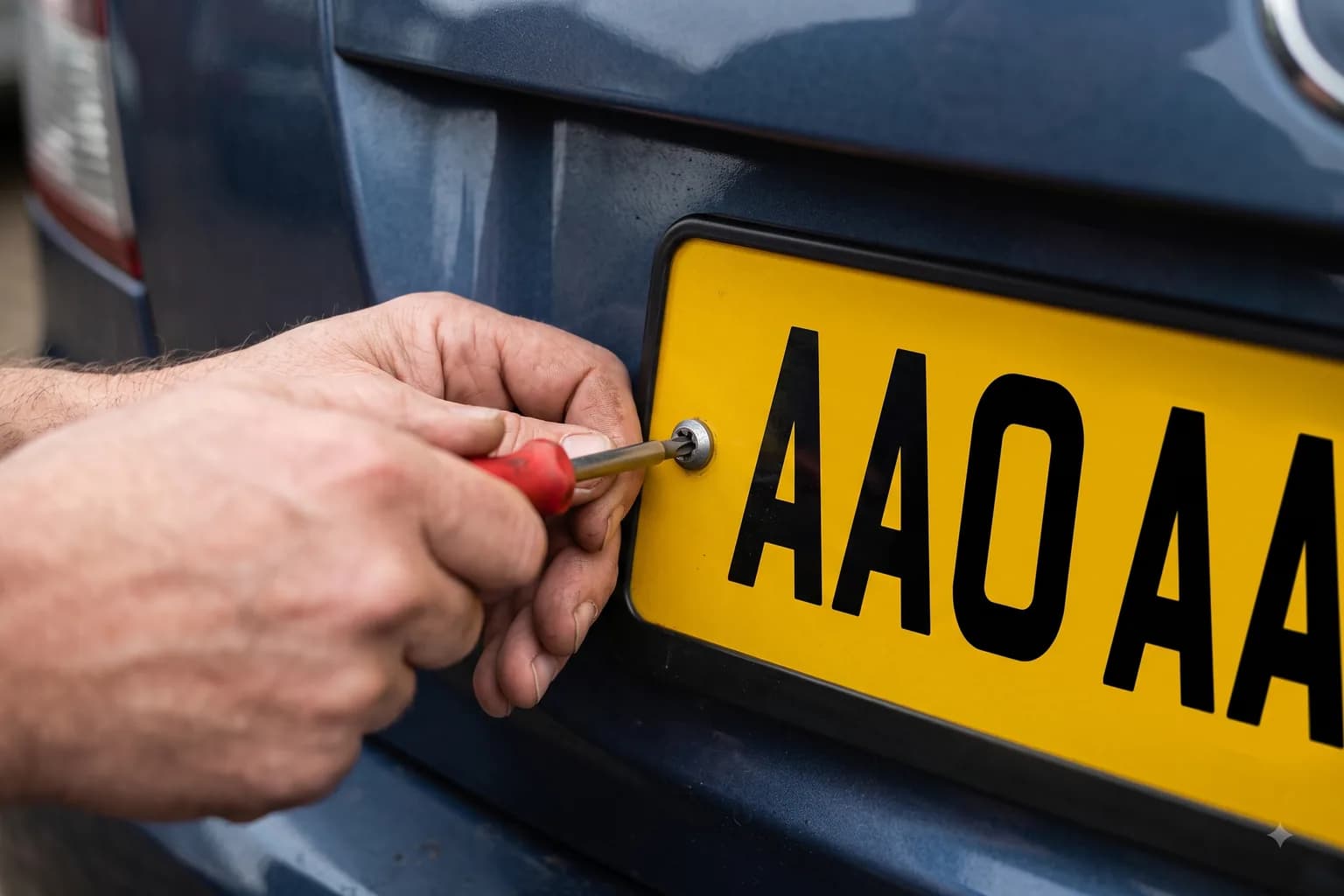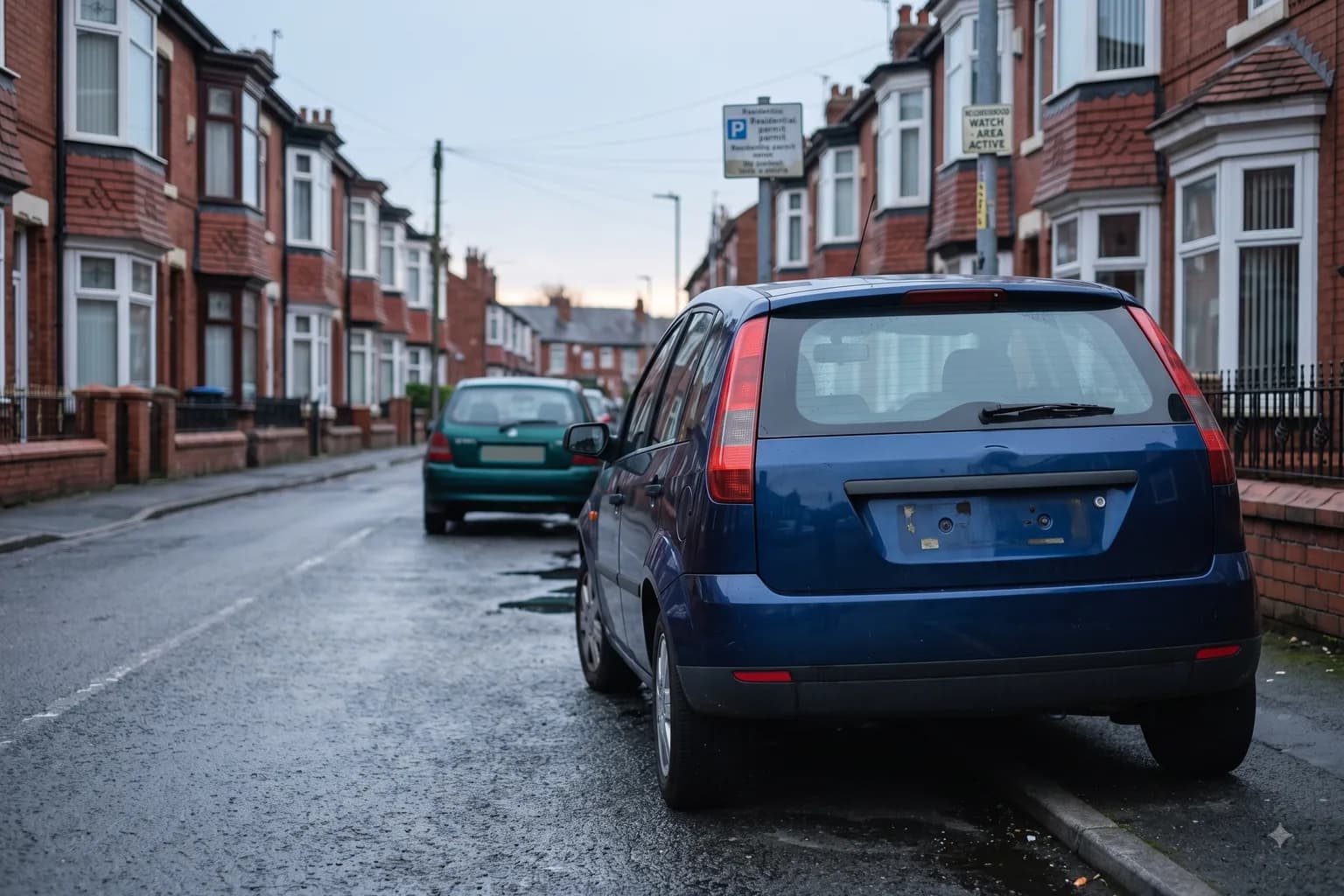
A speeding notice for a road you have never driven, a parking charge from a town you have not visited, or repeated questions about your vehicle identity - this is often where an unauthorised plate duplication check becomes urgent rather than optional. By the time most drivers realise something is wrong, the damage is already moving through enforcement systems, insurer records and administrative channels.
Plate cloning is not a minor inconvenience. It can expose private motorists, company fleets and plate manufacturers to fraud, reputational harm and a long trail of disputes. The real issue is not only that a registration has been copied. It is that your vehicle identity can be used by someone else while you carry the burden of proving it was not you.
What an unauthorised plate duplication check actually does
An unauthorised plate duplication check is a security process used to identify whether a registration mark is being duplicated, misused or reproduced without legitimate authority. In practical terms, it helps establish whether your number plate details are appearing in places, events or records that do not match your genuine vehicle activity.
That matters because cloned plates are designed to look ordinary. A copied registration fitted to a similar make, model or colour can pass casual scrutiny. For the driver affected, the first sign may be a fine, congestion charge, fuel theft allegation or police interest linked to a vehicle they have never seen.
A proper check is not just a visual comparison. It should combine registration records, verification data and suspicious activity monitoring to build a clearer picture of whether duplication is likely. The more reactive the approach, the more time fraudsters have. The stronger approach is proactive detection supported by fast alerting.
Why plate duplication is harder to spot than drivers expect
Many motorists assume they will immediately know if their plate has been copied. That is rarely how it works. Cloning often sits quietly until an offence, camera hit or payment evasion creates a record against the duplicated registration.
There is also a timing problem. Notices can arrive days or weeks after the actual incident. During that gap, the cloned plate may already have been used multiple times. For fleet operators, the issue can be even harder to isolate because vehicles move frequently, drivers change and administration is spread across teams.
The difficulty increases when the copied plate is attached to a vehicle that broadly matches yours. If the registration is linked to the same manufacturer, body type or colour family, resolving the dispute may take more effort. That is why a passive wait-and-see approach leaves too much room for escalation.
Signs you may need an unauthorised plate duplication check
Some warning signs are obvious. Others are easy to dismiss until the pattern becomes impossible to ignore. If you receive penalty notices for locations outside your travel history, unexpected toll or parking charges, or correspondence relating to incidents you cannot account for, your registration should be checked without delay.
There are softer indicators too. A plate manufacturer or supplier may encounter unusual registration queries. A fleet manager may notice inconsistencies between known vehicle movements and third-party reports. A driver may be stopped or questioned because another vehicle carrying the same registration has already been flagged.
One incident does not always prove cloning. Administrative mistakes happen. Misread characters happen. But repeated anomalies, especially across different systems, point to a more serious risk. That is where structured verification becomes essential.
How an unauthorised plate duplication check should work
A credible process starts with registration. If there is no trusted baseline showing the legitimate holder and status of a plate, later checks become slower and weaker. Once a plate is securely registered, monitoring can look for suspicious duplication signals and mismatched activity.
The next stage is detection. This is where proprietary tech and an encrypted tracking database become valuable. Detection is not only about confirming that duplication has happened. It is about identifying patterns early enough to limit fallout. If a plate status changes, if suspicious usage is flagged or if duplication risk indicators appear, the system should surface that quickly.
Then comes alerting. Speed matters here. An email sent too late is less useful than an instant alert delivered by email, SMS or push notification as soon as suspicious activity is detected. Rapid notice gives the registered keeper or fleet manager a chance to verify facts, retain evidence and start resolving the issue before it spreads further.
The difference between checking after the fact and monitoring in real time
This is where many drivers get caught out. A manual check after receiving a fine can help confirm that something is wrong, but it does not prevent the first hit. It also does nothing to stop repeat misuse while you are still gathering paperwork.
Real-time monitoring changes the position. Instead of relying solely on external notices, you have active oversight tied to the registration itself. That gives you a better chance of spotting misuse early, responding with evidence and reducing the window in which a cloned plate can operate unchecked.
There is a trade-off, of course. Reactive checks may feel simpler because you only deal with the issue once something happens. But that simplicity disappears fast when disputes multiply. For security-conscious drivers and commercial operators, prevention usually proves more efficient than repeated clean-up.
Why this matters for private motorists and fleets
For a private driver, plate cloning can lead to fines, insurance friction, wasted time and stress. Even when you eventually prove your case, you are still dealing with letters, calls, forms and uncertainty. The legal and financial consequences may be temporary, but the disruption is real.
For fleets, the stakes are broader. One duplicated registration can create operational noise across compliance, driver management and customer service. If several vehicles are affected, the administrative burden grows quickly. Fleets need a centralised way to register, verify and monitor vehicle identity, not a patchwork of manual checks.
That is also why secure workflows matter for plate manufacturers. If registration, issue tracking and status verification are handled properly from the outset, the number plate supply chain becomes harder to exploit. Prevention does not start only when fraud is discovered. It starts at creation and controlled registration.
What to do if suspicious duplication is detected
First, do not ignore it and do not assume it will resolve itself. Record every notice, image, timestamp and location connected to the suspicious activity. Keep your own evidence as well, including where your vehicle actually was at the relevant times.
Next, verify the status of the plate through a trusted security-led system. A searchable plate status tool can help establish whether your registration has been flagged or monitored for duplication concerns. The key is to move from suspicion to verified information as quickly as possible.
After that, act on alerts immediately. The faster you respond, the easier it is to separate genuine vehicle activity from cloned usage. Delay gives fraud more time to create additional records against your registration. If your plate is already registered within a dedicated protection platform, that response can be quicker and more controlled.
Protect A Plate is built around that exact requirement - registration, detection and alerting through a centralised security platform designed to help drivers and commercial users regain control fast.
Choosing a stronger plate protection approach
Not every checking method offers the same level of protection. Some services are little more than a one-off search. Others provide ongoing monitoring, encrypted registration data and instant alerts when suspicious duplication activity appears.
The right approach depends on your risk profile. A private motorist who drives occasionally still faces exposure, particularly if their vehicle is commonly seen on roads and in car parks with camera enforcement. A business running multiple vehicles has a higher administrative risk and will usually need stronger oversight. Plate manufacturers need compliant, traceable processes that support legitimate issue and reduce opportunities for misuse.
What should not change is the principle. Vehicle identity needs active protection. If your registration can be copied, it can be abused. The sensible response is not to wait for proof in the form of penalties and disputes. It is to put detection and verification in place before somebody else starts driving under your identity.
A number plate is more than a legal requirement on the front and rear of a vehicle. It is a live identifier tied to liability, movement and trust. Treat it like the security asset it is, and an unauthorised plate duplication check becomes part of prevention rather than part of the damage control.