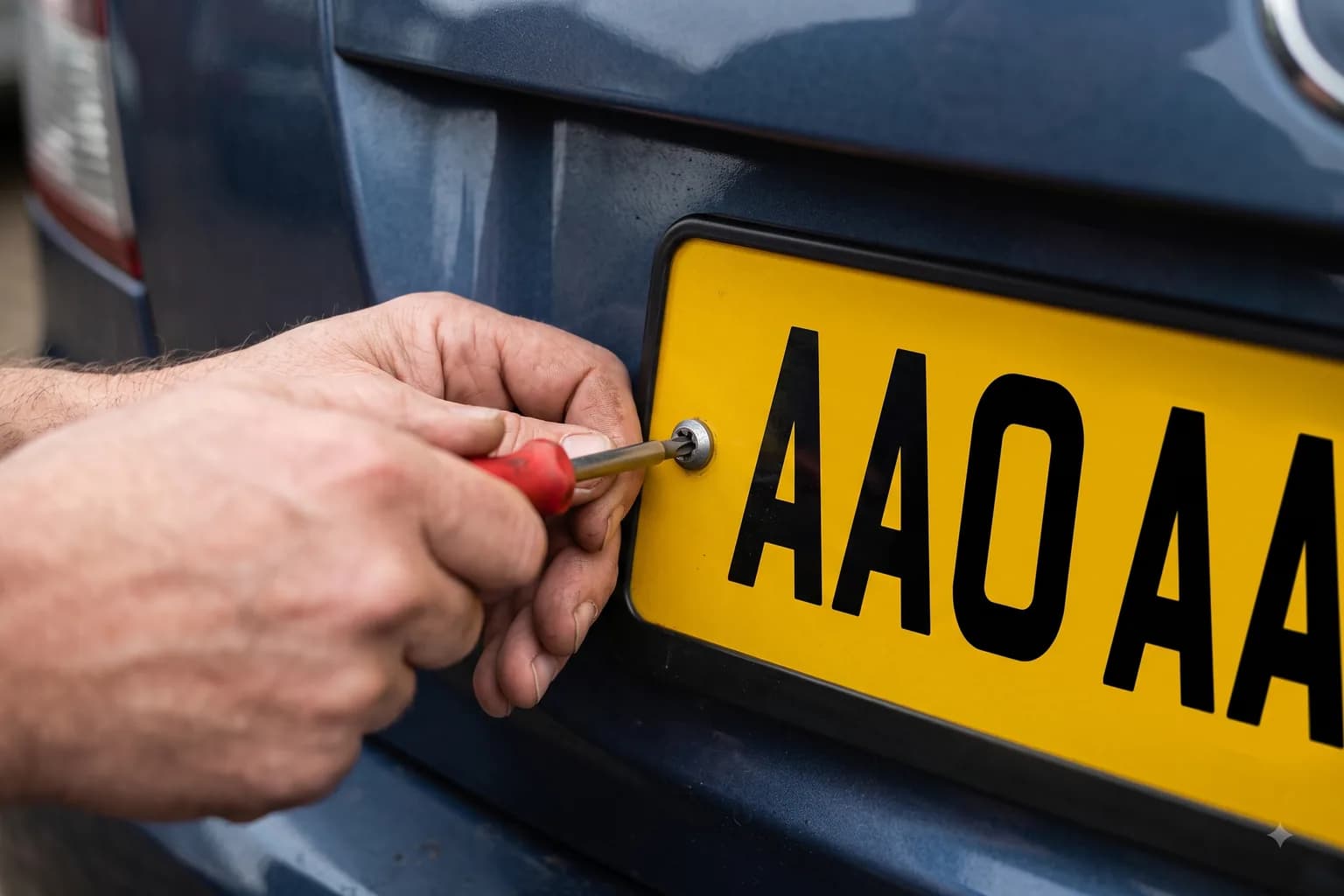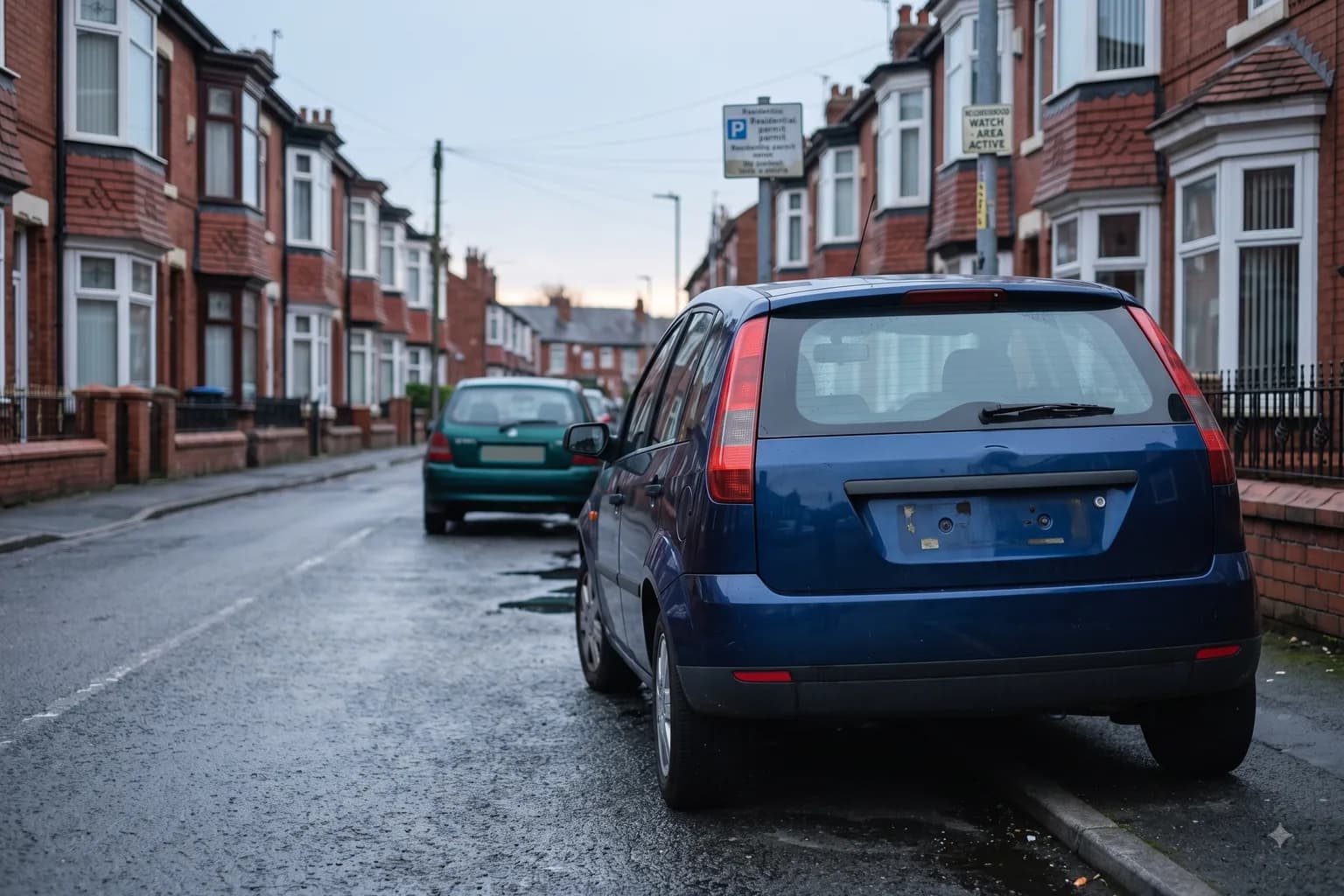
A cloned plate can trigger fines, police stops and insurance disputes before the real keeper even knows their vehicle identity has been misused. That is why trends in vehicle identity security now matter to ordinary drivers as much as to fleets, plate suppliers and compliance teams. The shift is clear - vehicle identity is no longer just an administrative detail. It is a live security issue.
Why vehicle identity security is changing
For years, vehicle identity checks were largely reactive. A problem appeared, the keeper disputed it, and the process moved slowly through enforcement, evidence and correction. That model no longer matches the speed of fraud.
Number plate cloning is faster, cheaper and harder to trace than many drivers realise. Criminals do not need to steal a car to exploit its identity. They only need a legitimate registration, a duplicated plate and enough time to use it before anyone spots the pattern. For the victim, the impact can spread quickly - congestion charges, parking penalties, criminal association and administrative stress.
This is driving a wider change in how the market thinks about protection. Security is moving away from replacement and dispute handling after the event. The focus is shifting towards registration, verification, tracking and immediate alerting when suspicious activity appears.
The main trends in vehicle identity security
Prevention is replacing passive response
The strongest trend is simple: prevention is taking priority over recovery. Drivers and businesses are starting to recognise that correcting cloned plate issues after they happen can be time-consuming, expensive and frustrating. Even when liability is eventually resolved, the disruption is real.
Preventative systems change that balance. Instead of waiting for a fine or enforcement notice to arrive, they establish a registered record of plate ownership and monitor for signs of duplication or misuse. That creates an early-warning layer, which is often the difference between a contained issue and a prolonged one.
This matters especially for fleet operators. One cloned plate can create repeated interruptions across driver management, compliance and customer service. A preventative approach reduces that operational drag.
Real-time alerts are becoming the standard
Security is only useful if it reaches the right person quickly. One of the most important developments in vehicle identity protection is the move towards instant alerts by email, SMS and push notification.
That speed matters because fraud rarely stays static. If a cloned plate is being used repeatedly, every hour can add more penalties, more suspicion and more administrative work. Real-time detection gives drivers and businesses a chance to respond while the issue is still developing.
There is a trade-off, though. Alerting systems need to be accurate enough to avoid unnecessary panic. Too many vague notifications and users stop trusting them. The best platforms balance speed with credible verification, so an alert means something actionable rather than simply alarming.
Encrypted databases are becoming central to trust
Vehicle identity security depends on records that can be trusted. As a result, another major trend is the use of encrypted tracking databases to register and monitor number plate credentials.
This is not just a technical upgrade. It changes the role of identity data from a static record to a monitored security asset. When registration details, plate status and verification signals are held in a secure environment, it becomes easier to spot anomalies and support legitimate ownership claims.
For drivers, the value is straightforward: clearer proof and faster response. For plate manufacturers and administrators, the value is broader. Secure data handling supports cleaner workflows, stronger oversight and better fraud resistance across the supply chain.
Verification tools are moving closer to the point of risk
Another clear shift is the growing importance of searchable verification tools. In practical terms, this means being able to check the status of a number plate quickly when there is doubt about authenticity, duplication or issue history.
This trend reflects a wider reality. Fraud prevention works better when verification is easy to access and easy to understand. If the process is too slow or too technical, people skip it. A usable verification tool helps bridge the gap between suspicion and action.
For the plate manufacturing side of the market, this is particularly relevant. Suppliers are under pressure to maintain compliance while preventing unauthorised duplication. A clearer status-checking process supports both legal issuance and fraud prevention.
Plate manufacturers are becoming part of the security chain
Vehicle identity security used to be seen mainly as an end-user concern. That is changing. Plate manufacturers are increasingly recognised as a critical part of the defence model.
If duplication risk begins at the point of plate production or distribution, then security has to begin there too. Registration controls, audit trails and stricter verification workflows are becoming more important because they help reduce the chance of illegitimate plates entering circulation in the first place.
This does not mean manufacturers carry the full burden. It means the market is moving towards shared responsibility. Drivers, suppliers and system administrators all have a role in protecting plate identity.
Security is becoming more platform-led
A fragmented response to cloning rarely works well. One system holds customer records, another tracks incidents, another sends messages, and none of them gives a complete picture. That is why platform-led security is gaining ground.
A centralised system that manages registration, detection, alerting and administration in one place offers tighter control. It also makes the response faster. Instead of assembling evidence from multiple sources after the event, users can act from a live operational view.
This is one of the more practical trends in vehicle identity security because it improves day-to-day use, not just strategy. Good security should be simple to operate under pressure.
What these trends mean for UK drivers
For private motorists, the message is direct. Relying on standard paperwork and hoping a cloned plate problem will be sorted later is no longer enough. Vehicle identity needs the same level of attention many people already give to home alarms, app-based banking alerts and online account protection.
That does not mean every driver needs the same level of monitoring. A single car owner may want confidence and rapid alerts. A fleet may need wider visibility, administrative control and faster internal reporting. The right level of protection depends on risk exposure, vehicle usage and how disruptive a fraud incident would be.
The key point is that plate identity is becoming an active security category. Drivers who treat it that way are in a stronger position than those who only react after correspondence starts arriving.
What businesses should watch next
For organisations, especially fleets and plate suppliers, the next phase is likely to focus on tighter integration between compliance, monitoring and customer-facing response. Security systems will need to do more than record data. They will need to support evidence, escalation and decision-making in real time.
There is also likely to be more scrutiny around proof of legitimacy. Businesses that can show a clear registration trail, controlled workflows and reliable detection capability will be better placed to protect their customers and their own reputation.
This is where specialist systems stand out. A platform such as Protect A Plate reflects the direction the market is moving in - registered credentials, encrypted monitoring, suspicious duplication detection and instant alerts. That model fits the current threat far better than a passive wait-and-see approach.
The bigger shift behind vehicle identity protection
The wider trend is not just about better software or faster notifications. It is about recognising that a vehicle's identity can be targeted independently of the vehicle itself. Once that point is understood, the security response becomes much clearer.
The registration mark is not merely a legal label fixed to the front and rear of a vehicle. It is a usable identity token. If someone copies it, they can transfer risk, cost and scrutiny onto an innocent party. That is why stronger registration, faster detection and controlled verification are becoming standard expectations rather than specialist extras.
For UK motorists and commercial operators alike, the practical question is no longer whether this risk exists. It is whether your current protection would spot misuse early enough to stop it spreading.