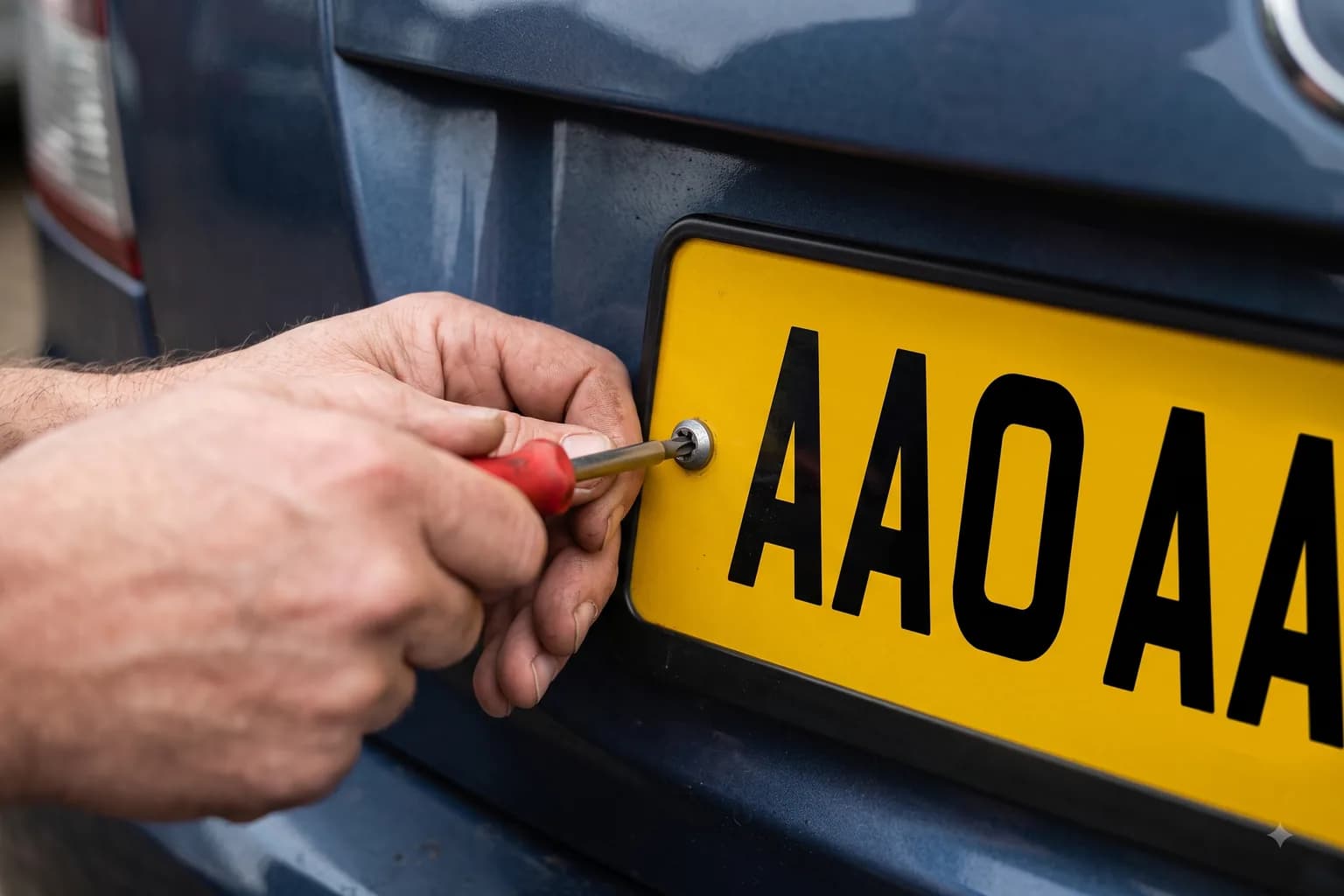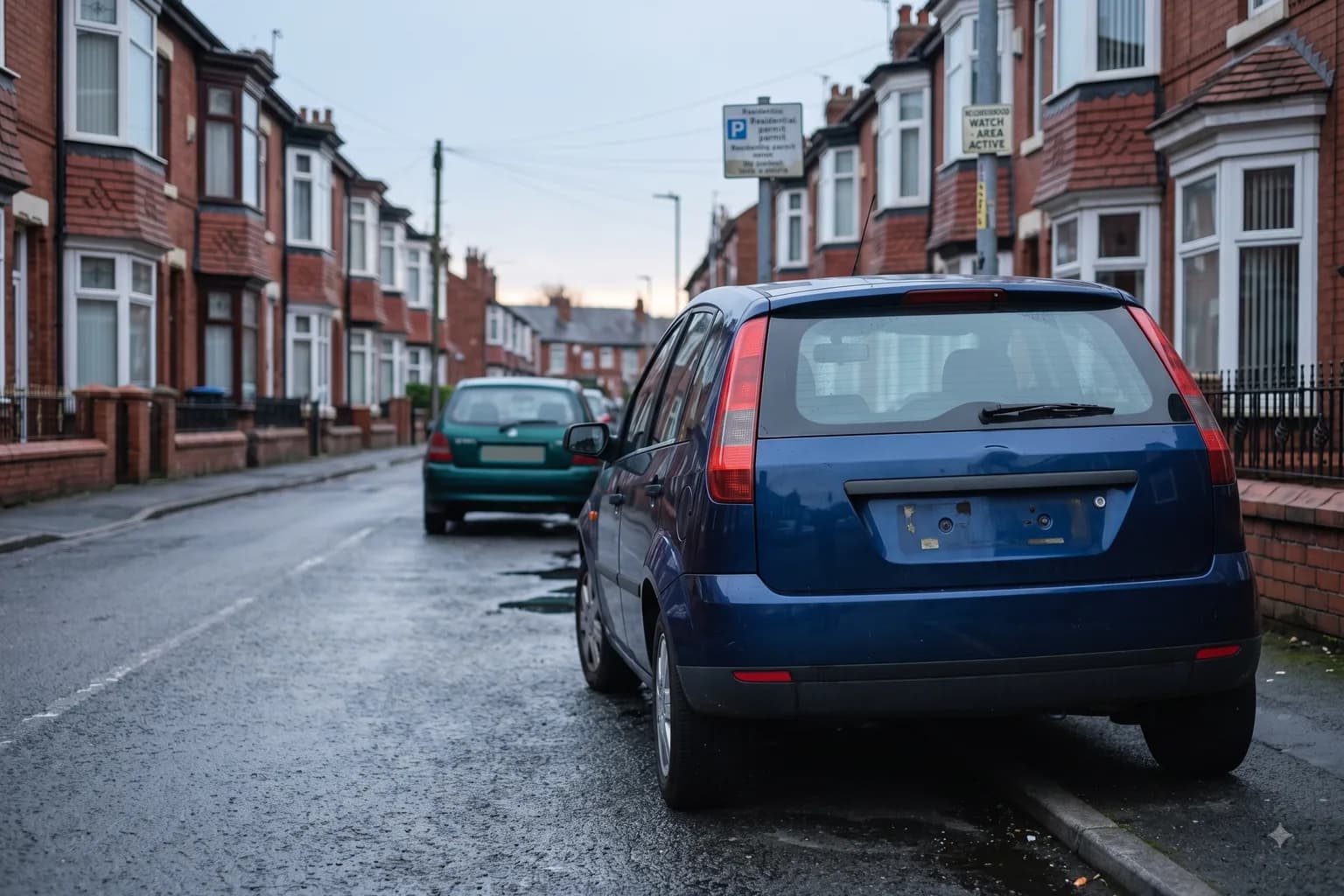
A cloned number plate rarely announces itself politely. It usually arrives as a parking charge, a toll notice, a speeding penalty or a knock-on insurance problem tied to a vehicle you have never driven in that place. That is why the top tools for plate verification matter - not as admin, but as front-line protection for your vehicle identity.
For UK drivers, fleet managers and plate suppliers, plate verification is no longer a basic check at the point of sale. It is a wider security process. You need to confirm that a registration belongs where it should, spot signs of duplication early and act before misuse spreads across enforcement systems, ANPR records and customer databases. Some tools do that well. Others only solve part of the problem.
What the top tools for plate verification actually need to do
A useful plate verification tool should answer a simple question quickly: is this registration legitimate, correctly assigned and behaving as expected? In practice, that breaks into three functions - validation, monitoring and response.
Validation tools confirm whether a registration matches an official vehicle record. That is the starting point, but it is not enough on its own. A cloned plate can still look valid if the fraudster has copied a real registration from a legitimate vehicle.
Monitoring tools add another layer. They track usage, detect anomalies and flag suspicious activity that suggests duplication. This is where many standard checks fall short. They tell you a plate exists, but not whether it is being misused elsewhere.
Response tools close the gap between detection and action. Alerts, reporting workflows and searchable status records matter because speed matters. If a registration is being copied, every hour of delay gives the fraud more room to spread.
Top tools for plate verification: what works best
DVLA vehicle information checks
For most drivers, the first line of verification is a DVLA vehicle record check. It confirms whether the registration matches basic details such as make, model, engine size, fuel type, tax status and MOT status. That makes it useful when buying a vehicle, checking paperwork or confirming that a registration physically displayed on a car corresponds with what the official record says.
Its strength is authority. The data comes from the official source and helps identify obvious mismatches straight away. If the plate says one thing and the vehicle details say another, you know there is a problem.
Its limitation is just as clear. A DVLA check does not tell you whether the same registration is being duplicated on another vehicle elsewhere. It verifies the record, not the broader risk profile.
MOT history tools
MOT history services are often underestimated. They help establish continuity around a vehicle and its registration by showing test dates, mileage records and historic advisories. If details do not line up with the vehicle in front of you, or if the history appears inconsistent, that can be a warning sign.
This is especially useful in used vehicle checks and fleet onboarding, where documentation can be incomplete or misleading. A registration tied to odd mileage jumps or mismatched test patterns deserves closer scrutiny.
Still, MOT history is supporting evidence rather than a stand-alone security tool. It can help surface anomalies, but it does not monitor active cloning behaviour.
ANPR-based detection systems
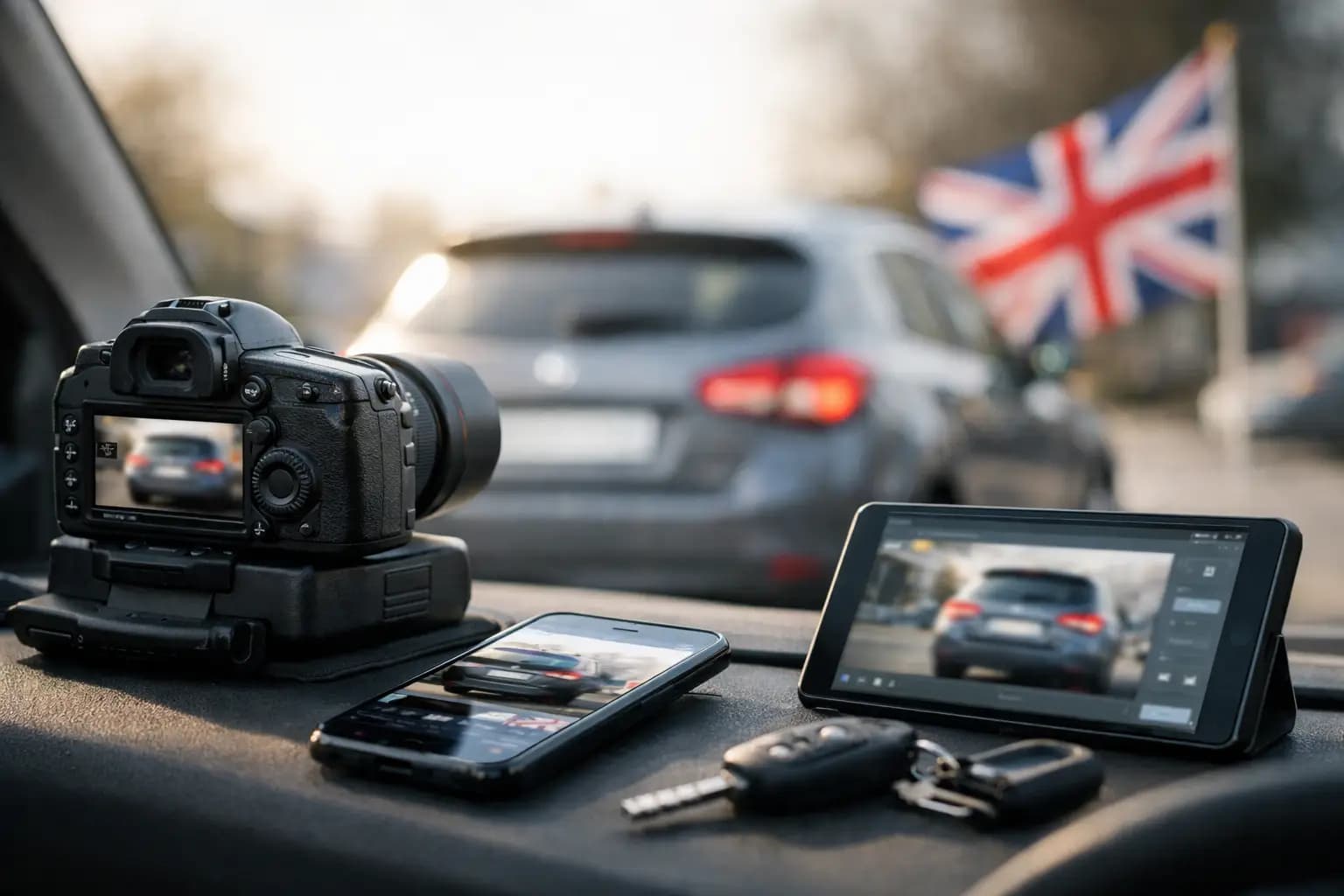
Automatic Number Plate Recognition systems bring a more operational layer to verification. They capture registrations in real time and compare them against watchlists, access rules or location data. For fleets, secure premises and enforcement environments, ANPR is one of the strongest tools available for identifying unexpected plate appearances.
Its value lies in pattern detection. If the same registration appears in conflicting locations, outside expected routes or at unusual times, that is the kind of signal manual checks will miss.
The trade-off is access and scope. ANPR is powerful, but not every private vehicle owner has direct control over an ANPR network. It is most effective when integrated into a wider security platform rather than treated as a single answer.
Encrypted registration databases with live status lookup
This is where plate verification becomes genuinely preventative. An encrypted registration database allows a plate to be securely recorded with credential data, status history and ownership or manufacturing context. Instead of asking only whether a plate exists, users can check whether its status is normal, monitored, flagged or under review.
For drivers, this adds a level of certainty that standard public lookups do not provide. For manufacturers and administrators, it creates a controlled environment for registration workflows and traceability. If a suspicious duplication event starts, the database becomes the central reference point.
The quality of the tool depends on how current the records are and how quickly alerts feed back into the system. Static databases are less useful. Live status matters.
Instant alert systems
Verification is only valuable if people know when something changes. Instant alert tools - whether by SMS, email or push notification - are among the most practical defences against number plate misuse because they reduce response time.
A driver who learns about suspicious activity immediately can document the issue, notify relevant parties and start protecting their record before fines and enforcement notices stack up. A fleet operator can isolate a risk before it affects multiple vehicles or drivers. A manufacturer can spot irregularities in the supply chain before they become a compliance issue.
This is one of the clearest distinctions between passive services and active security. Passive systems help after damage appears. Alerting tools help when the first signs emerge.
Why one tool is rarely enough
Plate fraud does not follow a neat process, so verification should not rely on a single checkpoint. A DVLA lookup might confirm the registration is real. An MOT check might support the vehicle history. ANPR might flag a suspicious appearance. A secure tracking database might show the registration has already triggered a warning. Together, those tools create a far clearer picture than any one of them can provide alone.
That matters because plate cloning is designed to exploit gaps between systems. Fraudsters rely on the fact that one database may know the vehicle is real while another has no visibility on duplicate use. The more fragmented the checks, the easier it is for a cloned plate to move unnoticed.
Choosing the right verification setup
Private motorists usually need speed, simplicity and clear alerts. If your concern is avoiding wrongful penalties and proving that your registration has been misused, the best setup combines official record checking with live monitoring and instant notification. That gives you both validation and early warning.
Fleet operators need more. They should look for tools that can monitor multiple registrations, maintain audit trails and flag anomalies across geography and time. A single false plate event can affect compliance records, driver management and customer trust, so visibility has to be centralised.
Plate manufacturers have a different priority again. Their verification tools need to support lawful production, registration integrity and traceability from issue to activation. For this group, a secure platform with administrator controls and searchable status records is not optional. It is part of risk control.
What to look for in a serious plate verification tool
The strongest systems tend to share the same characteristics. They use current data, not delayed snapshots. They make status visible quickly. They support evidence capture and audit history. They also give users a direct path from detection to action.
A polished interface is useful, but security infrastructure matters more. If a tool cannot show when a registration was checked, what changed and who was alerted, it may look modern while leaving critical gaps in the process.
This is also where proprietary tech has a genuine role. In a category shaped by fraud, duplication and real-time misuse, specialist systems built around encrypted tracking, detection logic and alerting workflows offer far more control than generic vehicle data tools.
The real test is response time
The best plate verification tool is not the one with the longest list of features. It is the one that helps you identify risk early and act before the damage escalates. Verification should shorten the distance between suspicion and proof.
That is why platforms built around registration, detection and alerting are gaining ground. They treat number plate security as an active process, not a static record check. Protect A Plate sits squarely in that shift, reflecting what UK drivers increasingly need - fast verification backed by live monitoring and immediate response.
If you are comparing options, ask a direct question: will this tool only confirm what should be true, or will it tell me when something has gone wrong? That difference is where real protection starts.
A number plate is more than an identifier on a vehicle. It is a live part of your legal, financial and operational identity. Treating verification as a one-off check is no longer enough when misuse can spread at speed. The right tools give you sight of the risk before the consequences arrive in the post.