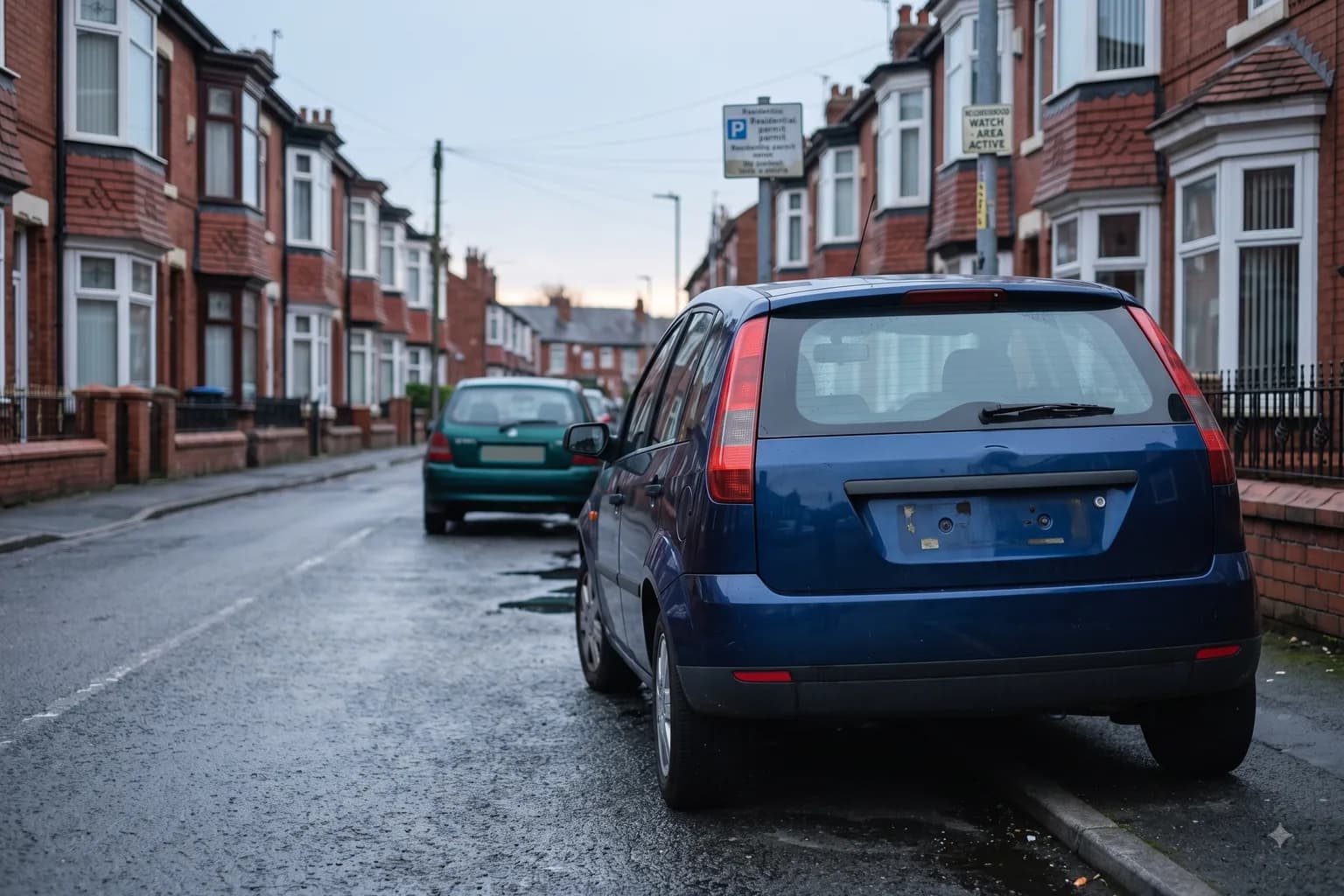
A cloned registration rarely announces itself with a warning. For many UK drivers, the first sign is a penalty notice for a road they have never used, a charge for a car park they have never entered, or a police enquiry tied to a vehicle they have never seen. That is what makes the top risks of cloned registrations so serious - the damage often starts before the real keeper knows anything is wrong.
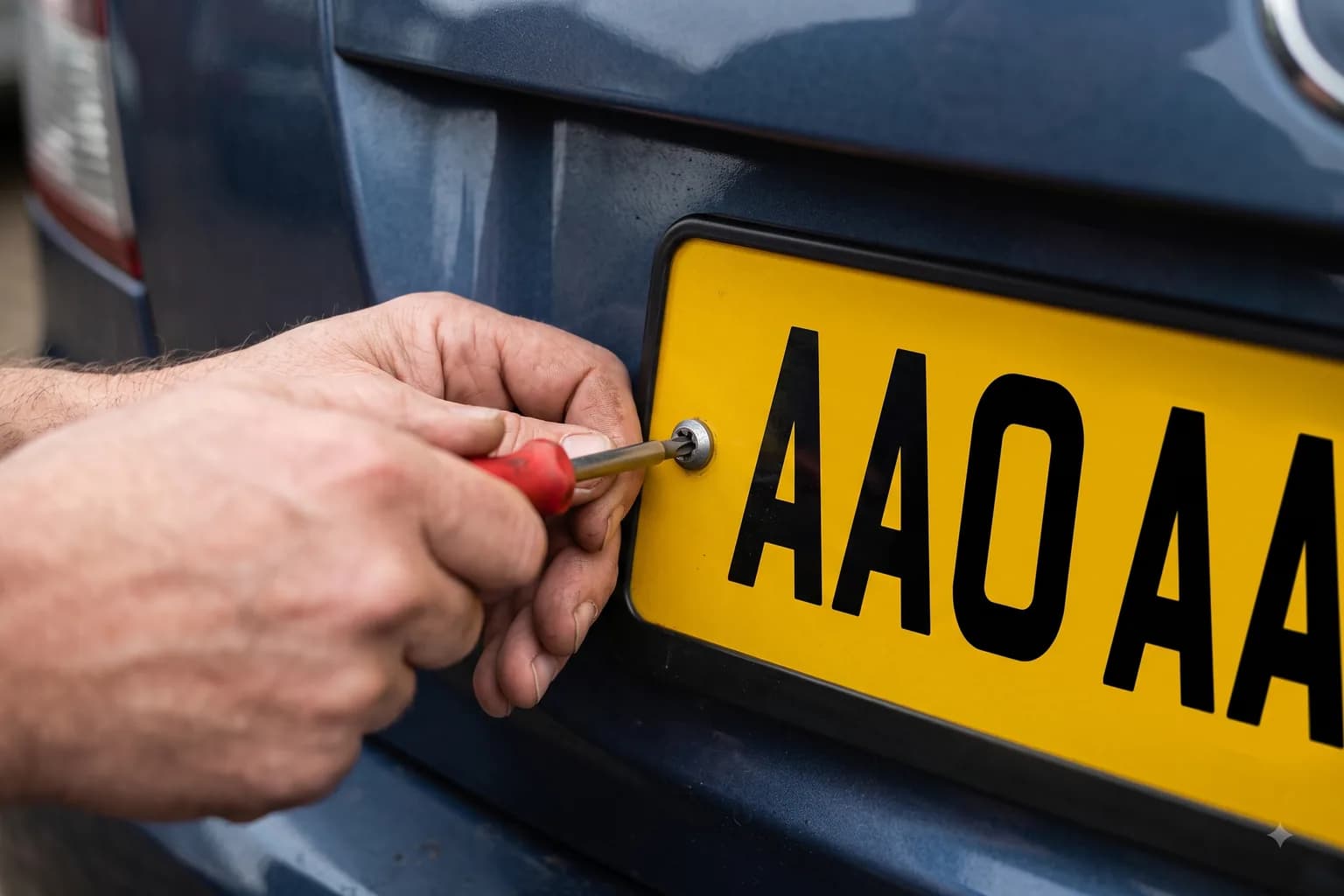
Registration cloning is not a minor admin problem. It is vehicle identity misuse. When a criminal copies your number plate and places it on another vehicle, your registration becomes a shield for someone else’s activity. That can expose private motorists, fleet operators and plate suppliers to financial loss, operational disruption and lasting suspicion. The risk is not only what happens on the road. It is what follows across enforcement, insurance, records and trust.
Why cloned registrations create wider damage
A number plate is a frontline identifier. It connects a vehicle to toll systems, parking systems, enforcement databases, ANPR cameras and insurer records. Once that identity is copied, the harm can spread quickly because so many systems rely on the registration being accurate.
That is why cloned registrations can become complicated fast. A single copied plate may trigger repeated issues across different locations and agencies. By the time the pattern is recognised, the legitimate keeper may already be dealing with notices, disputes and the burden of proving the vehicle was elsewhere.
The top risks of cloned registrations for UK drivers
1. Fines and penalties you did not incur
This is the most common entry point. A cloned registration can be used to avoid parking charges, congestion charges, clean air zone fees, tolls and traffic penalties. Those notices are then sent to the registered keeper of the legitimate plate.
At first, one fine may look like an isolated error. The real problem starts when several arrive from places you have not visited. Contesting each one takes time, evidence and persistence. If the matter escalates before the clone is identified, it can become more stressful and more expensive to put right.
For fleet operators, the effect is multiplied. One cloned plate can create admin pressure across compliance teams, drivers and finance departments, especially when notices arrive in volume.
2. Police stops and criminal association
A cloned registration can place your vehicle in the path of police attention even when you have done nothing wrong. If the copied plate has been linked to dangerous driving, fuel theft, fare evasion or more serious offences, ANPR systems may flag your registration for stop checks.
That creates a very real disruption risk. You may be stopped on the roadside, asked to account for your movements or required to explain discrepancies between your vehicle and reports linked to the cloned one. In some cases, a driver may face repeated stops until the issue is clearly logged and investigated.
The deeper concern is association. Even when you are fully innocent, nobody wants their registration connected to criminal activity. Clearing that suspicion matters, and the faster it is detected, the easier it is to separate your legitimate vehicle from the cloned one.
3. Insurance complications and disputed claims
Insurance depends on accurate vehicle identity. When a cloned registration is active, it can muddy the record around your plate and create avoidable friction with insurers. That does not always mean a claim will fail, but it can lead to additional checks, delays and questions that should never have existed.
If an incident involving the cloned vehicle is recorded against your registration, insurers may need evidence to distinguish your car from the offending vehicle. Details such as make, model, colour and location become critical. Where records are incomplete or reports conflict, resolution takes longer.
There is also a practical consequence. If you are already dealing with a genuine claim, the last thing you need is uncertainty around the integrity of your registration details. Cloning introduces noise into a process that depends on clarity.
4. Time loss and administrative burden
One of the most underestimated risks is the sheer amount of time it can take to untangle cloned registration issues. Drivers often have to gather proof of location, challenge multiple notices, speak to police, contact the DVLA, update insurers and keep records of every reference and response.
That burden is heavy because the responsibility often falls on the innocent party to prove a negative. You have to show that your vehicle was not there, that your car does not match the offending one, or that your movements make the allegation impossible.
For a busy household, that is frustrating enough. For a business running vans, cars or lorries across multiple routes, cloned registrations can quickly become an operational problem. Admin teams lose time. Drivers lose confidence. Managers lose visibility.
Top risks of cloned registrations for business vehicles
5. Fleet disruption and reputational damage
Commercial vehicles face a higher exposure because they spend more time on the road and are seen in more places. A cloned registration attached to a fleet vehicle can lead to repeated notices, enforcement contact and confusion around driver activity.
That creates two separate risks. The first is operational disruption. Vehicles may be stopped, routes may be questioned and internal time is pulled away from real work. The second is reputational. If customers, depots or authorities believe one of your vehicles has been involved in wrongdoing, trust can take a hit before the facts are fully established.
This matters particularly for businesses with branded vehicles. A cloned plate does not only copy the registration. It can also create the appearance that your business was present at an incident, even when it was not.
6. Fraud exposure beyond the road
Cloned registrations are often treated as a road-use issue, but they can support wider fraud. A copied plate may be used to disguise a vehicle involved in theft, evasion or identity-based offending. That widens the consequences for the legitimate plate holder.
Where fraud spreads across systems, the effect becomes harder to contain. The cloned registration may appear in parking records, fuel station reports, private enforcement databases or witness accounts. Each new appearance adds another point of confusion.
It also changes the seriousness of the response required. This is not just about disputing a charge notice. It is about protecting automotive identity before misuse escalates into a more entrenched pattern.
7. Long-term record confusion
Even after a cloned registration is reported, the issue may not disappear immediately. Records can take time to update. Historic notices may continue to surface. Different agencies and systems do not always move at the same speed.
That lag is one of the most frustrating risks. A driver may do everything correctly - report the cloning, provide evidence, notify relevant parties - and still receive follow-up correspondence linked to earlier incidents. The problem is not always the reporting. Sometimes it is the delay between recognition and system-wide correction.
This is where proactive monitoring makes a genuine difference. Detection at the earliest stage limits how much false activity can gather around a registration before action is taken.
Why early detection changes the outcome
The longer a cloned registration stays unnoticed, the more complicated the fallout becomes. One or two notices can usually be investigated with a clear trail. Ten notices, police flags and insurer questions create a much heavier case file.
Early detection gives drivers control back. It creates a timestamped record of concern, helps establish when suspicious duplication activity began and reduces the chance that misuse carries on unchecked. For plate manufacturers and security-focused suppliers, secure registration workflows also help reduce the opportunity for unauthorised duplication in the first place.
There is a practical point here. Prevention is not perfect, because criminals do not wait for permission. But there is a clear difference between discovering cloning after months of damage and identifying suspicious activity while there is still time to contain it.
What drivers should take seriously
If you receive a notice for a journey you did not make, do not assume it is a simple mistake. If your registration appears connected to a different vehicle description, treat that as a security issue. If police or enforcement contact starts to repeat, the pattern matters.
The most effective response starts with recognising that cloning is an identity threat, not just an inconvenience. That means keeping records, acting quickly and using systems designed for registration, detection and alerting rather than waiting for the next letter to arrive.
Protect A Plate was built around that reality: secure registration, suspicious duplication detection and instant alerting through a centralised tracking system. For drivers and fleets alike, that kind of control is no longer a nice extra. It is part of protecting the vehicle identity you rely on every day.
A number plate should identify your vehicle, not expose you to somebody else’s fraud. The sooner that risk is treated as a live security issue, the easier it is to stay ahead of it.