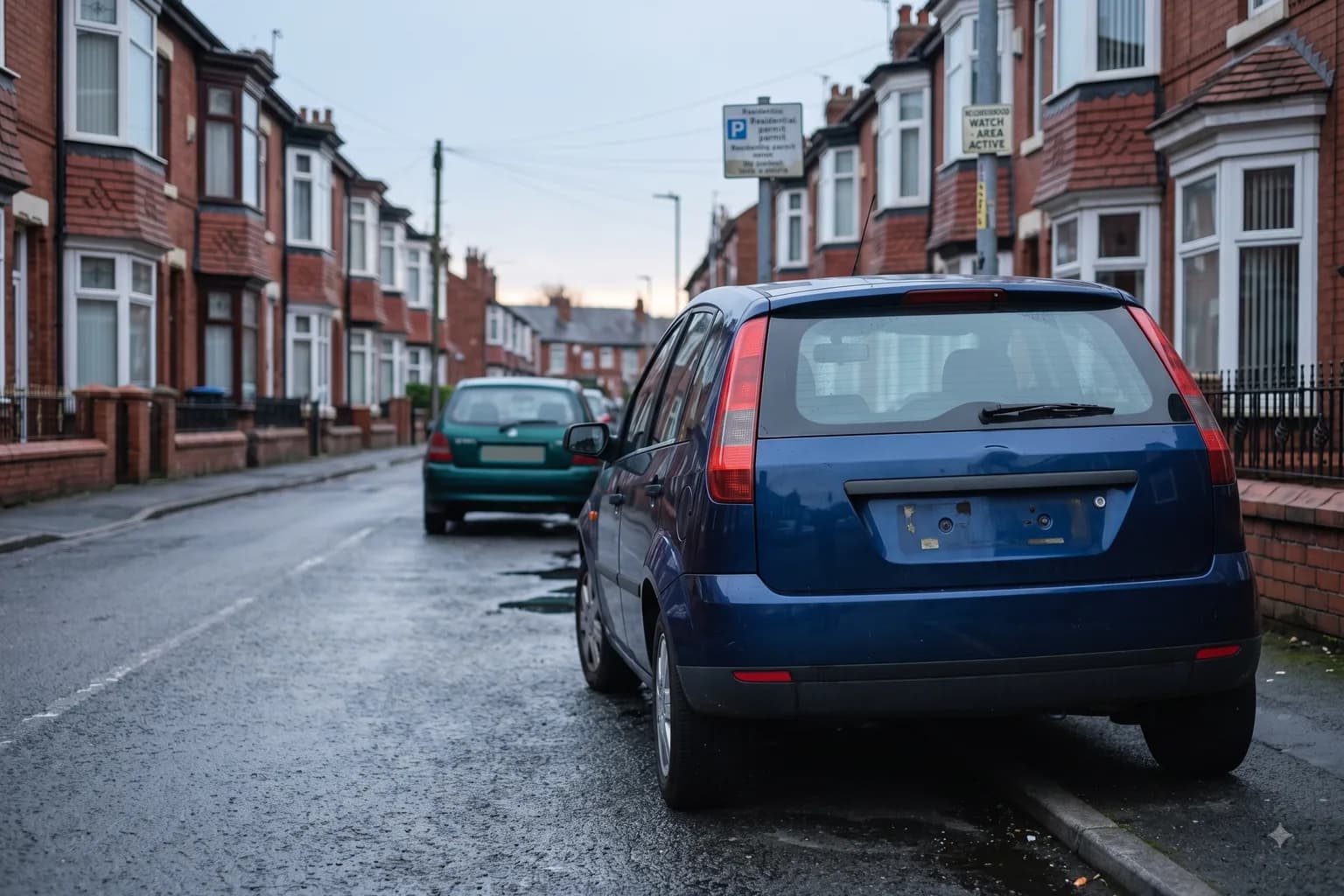
The first few hours after discovering your registration has been copied are where most damage is done. The top mistakes after plate cloning are rarely dramatic. They are usually small delays, missing paperwork, or assuming the issue will sort itself out once you explain it. It often does not. If your number plate has been cloned, speed, evidence and control matter from the outset.
Plate cloning is not just an inconvenience. It can trigger parking penalties, speeding notices, congestion charges, toll demands and, in more serious cases, police attention linked to offences you did not commit. For private motorists, that means stress and wasted time. For fleets, it can create operational disruption, compliance headaches and reputational risk. The key is to act in a way that protects your identity from further misuse, rather than simply reacting to each new notice as it arrives.
Why the top mistakes after plate cloning make things worse
Once a cloned plate is in circulation, every delay gives the fraud more room to spread. The cloned vehicle may continue passing ANPR cameras, entering restricted zones or attracting enforcement action under your registration. If your records are weak or your response is inconsistent, proving what happened becomes harder than it should be.
This is where many drivers lose control. They focus on the latest fine, not the wider pattern. But plate cloning is an identity misuse issue. Treating each notice as a one-off admin problem can leave the core threat untouched.
Mistake 1: Assuming one phone call solves it
A common error is believing that reporting the matter once means the problem is closed. In reality, plate cloning often involves multiple organisations, each holding a different part of the picture. The police may log the fraud. The DVLA may need updated information. Parking operators, tolling bodies and local authorities may all need separate challenges if notices have already been issued.
If you stop after a single report, the cloned identity can keep generating problems elsewhere. A proper response needs a documented trail showing when you discovered the issue, who you contacted and what evidence supports your case.
Mistake 2: Failing to gather evidence immediately
Drivers often wait until a penalty arrives before collecting proof. That is backwards. The strongest position comes from building evidence as soon as you suspect cloning.
Start with clear photographs of your vehicle from several angles, including the number plates, make, model, colour and any distinctive features. Keep copies of where the vehicle was on relevant dates if you can show it. Service records, fuel receipts, dash cam clips, workplace parking logs, delivery schedules and CCTV access records can all help establish that your vehicle was elsewhere.
For fleet operators, this step is even more critical. If a cloned registration is attached to a business vehicle, driver logs, telematics data and route history may become the difference between a quick resolution and weeks of dispute.
Mistake 3: Ignoring small discrepancies in notices
Many people only act when something looks serious, such as a police letter or a large penalty. That is risky. A minor parking charge in a town you have never visited can be the first visible sign of a much wider cloning problem.
The small details matter. If the notice describes a different vehicle type, the wrong manufacturer, or a colour that does not match yours, do not dismiss it as an admin error. Those inconsistencies are often exactly what proves your registration has been copied.
Treat every mismatch as evidence. Save the notice, compare it against your own vehicle details and respond quickly. Early pattern detection limits how long fraudsters can operate under your plate identity.
Mistake 4: Not checking whether duplication is still active
One of the most damaging assumptions is that cloning stops once you report it. It may not. A copied registration can continue to be used across different regions and enforcement systems long after the first complaint.
That is why passive response is rarely enough. You need a way to monitor whether suspicious duplication activity is continuing, not just whether an old fine has been cancelled. Security-led protection is stronger when detection and alerting sit alongside reporting.
This is where dedicated monitoring tools become valuable. A system built around registration, detection and instant alerting gives drivers a far better chance of spotting repeat misuse early, before notices multiply. For motorists who want control rather than guesswork, that shift from reactive to proactive is significant.
Mistake 5: Giving incomplete or inconsistent information
When people are stressed, they often reply too quickly and miss key facts. They might challenge one notice with a short explanation, then describe the timeline differently in another response. That creates avoidable friction.
Keep your account consistent. Record the first date you became aware of the issue, the reference numbers involved, the details of your actual vehicle and any proof of its location. If you speak to the police or an enforcement body, note the date, time and outcome. If you are asked for supporting documents, send exactly what is relevant and keep copies.
Consistency signals credibility. It also reduces the risk of being bounced between departments because your case file does not align from one contact point to the next.
Mistake 6: Waiting too long to challenge penalties
Deadlines matter. Even when you are plainly the victim, penalties do not always pause themselves while the facts are reviewed. Some drivers delay because they assume the fraud report will automatically freeze enforcement. Others put letters aside because they feel overwhelmed.
That delay can turn a manageable issue into escalated debt recovery or further correspondence. Challenge notices within the stated timeframe, and make clear that you believe the registration has been cloned. Provide concise evidence and ask for the matter to be investigated against the vehicle description and location data.
There is a balance here. You do not want rushed, vague responses, but you also cannot afford silence. Fast, factual and documented is the right standard.
Mistake 7: Treating plate cloning as a one-off annoyance
This is the biggest strategic mistake. If you see plate cloning only as an isolated admin irritation, you are likely to miss the wider security problem. Your registration is part of your vehicle's identity. If that identity can be duplicated without detection, the consequences can spread beyond a single fine.
For private drivers, that may mean repeated notices and uncertainty every time post arrives. For businesses, cloned registrations can affect fleet records, driver accountability and customer confidence. Plate identity should be handled with the same seriousness as other forms of fraud exposure.
That is why long-term protection matters. An encrypted tracking database, active registration records and instant alerts help move the issue from guesswork to verification. Instead of waiting for damage to surface, you are in a position to detect and respond earlier.
What to do instead of the top mistakes after plate cloning
The strongest response is structured. Report the issue promptly, gather your evidence straight away, and keep every document tied to the case in one place. Challenge notices on time and use the discrepancies in vehicle description, location and timing to support your position.
Then look at prevention. If your plate identity has been targeted once, relying on luck is not a strategy. Ongoing monitoring gives you visibility. Verification tools help confirm status quickly. Alerting matters because the faster you know, the faster you can act.
Protect A Plate was built around that exact principle - not simply replacing plates after fraud, but helping drivers register, detect and respond through proprietary tech and an encrypted global tracking database. For security-conscious motorists and fleet operators, that kind of infrastructure gives clarity when the standard process often feels fragmented.
When the response depends on your situation
Not every case looks the same. If no penalties have arrived yet but you suspect duplication, your focus should be on evidence and monitoring. If notices are already coming in from several authorities, documentation and deadlines become urgent. If you run a fleet, internal controls matter as well, because drivers, route logs and asset records all need to match the external case you are presenting.
The same applies if your vehicle has distinctive marks or modifications. Those details can strengthen your challenge, but only if they are documented properly. The more precise your proof, the less room there is for confusion.
Plate cloning creates pressure because it attacks something basic - the assumption that your registration points to your vehicle and no one else’s. Once that link is compromised, the best response is calm, fast and evidence-led. The drivers who recover quickest are usually the ones who act before the next letter lands on the doormat.