A cloned registration rarely announces itself politely. It usually arrives as a fine for a place you have never been, a congestion charge on a day your vehicle was parked at home, or a police enquiry that lands without warning. That is why SMS alerts for plate cloning matter. They move the first sign of fraud from a formal notice after the damage is done to an immediate warning while there is still time to act.
Why SMS alerts for plate cloning matter
Plate cloning is not a minor administrative nuisance. It can trigger penalties, insurance complications, wasted hours disputing evidence and serious concern about how your vehicle identity is being misused. For fleet operators, the risk scales quickly. One cloned registration can create repeated disruption across drivers, compliance teams and customer operations.
The real problem is timing. Most motorists only discover cloning after an offence, charge or report has already been linked to their registration. By then, you are reacting. SMS alerting changes that position. It gives the registered keeper a direct, fast signal that suspicious duplication activity may have been detected against their plate credentials.
That speed matters because fraud tends to compound. If someone is using a duplicate plate to avoid detection, commit traffic offences or mask a different vehicle, each hour without intervention gives the problem more room to spread. An alert to your handset is simple, but operationally it is powerful. It shortens the gap between detection and response.
What an SMS alert actually does
An SMS alert is not just a convenience feature. In a proper number plate protection system, it is part of a wider security process built around registration, detection, verification and response.
First, the legitimate plate details are registered within an encrypted tracking environment. That record becomes the reference point. If suspicious duplication indicators appear, the system can notify the genuine owner or authorised user immediately by text message.
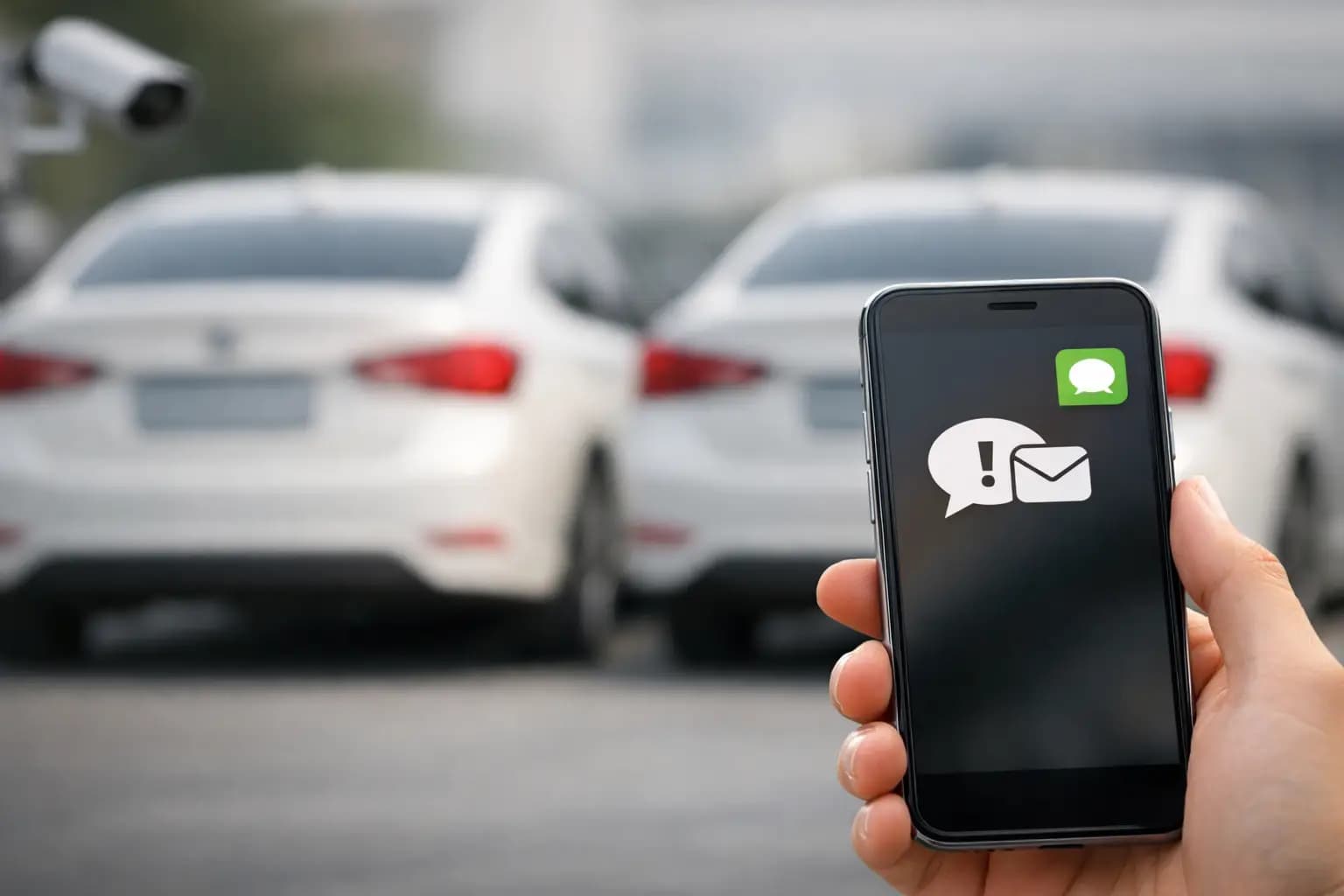
That matters because text messages are hard to miss. Emails can sit unread. App notifications can be disabled. An SMS reaches drivers quickly and directly, whether they are at work, on the school run or managing a fleet from the road. For urgent security events, that directness is one of the main advantages.
There is, however, an important distinction. An SMS alert should not be mistaken for proof of criminal activity on its own. It is an early warning. In some cases, the issue may require verification before any formal escalation. That is not a weakness. It is the sensible balance between rapid notification and accurate investigation.
How SMS alerts for plate cloning fit into prevention
Most vehicle-related fraud services still leave drivers in a defensive position. You discover the problem, gather evidence, contact agencies and try to clear your name. Prevention works differently. It puts monitoring in place before a cloned plate creates a trail of consequences.
SMS alerting supports that preventative model because it turns security monitoring into something active. Rather than waiting for post to arrive weeks later, you receive a prompt warning tied to your registered plate. That gives you a better chance of checking your vehicle, reviewing recent movement, confirming whether anything is wrong and beginning the right reporting process without delay.
For private motorists, this means less uncertainty. For businesses, it means tighter control. If a fleet vehicle registration is targeted, operations teams can respond quickly, protect internal records and reduce the chance of repeated administrative fallout.
No single alert can stop fraud on its own. The real value comes from the system around it - proprietary tech, encrypted registration records and a clear verification pathway. SMS is the delivery mechanism for urgency. The protection sits in the wider infrastructure.
Why text alerts often outperform email alone
When the issue is plate cloning, speed is not a nice extra. It is the point. Email has a role, especially for detailed follow-up records, but it is not always the best first line of alerting.
People check texts faster than inboxes. They are less likely to miss them in a crowded working day. For drivers who are not sitting at a desk, SMS is more immediate and more practical. That is especially relevant for commercial operators, mobile workers and anyone who needs to know about a potential security issue while away from a laptop.
There are trade-offs. SMS messages are brief, so they cannot carry the full detail of an incident review. They also rely on up-to-date mobile numbers and mobile signal. But for a fast warning that prompts action, they remain one of the most reliable channels available.
This is why the strongest approach is usually layered alerting. SMS handles immediacy. Email or platform access handles the supporting detail. Push notifications may add another layer where suitable. Together, they create a more dependable alerting structure than any single channel on its own.
What drivers should look for in an alerting system
Not every alert service offers meaningful protection. If the objective is to reduce the impact of cloning, the system behind the message matters more than the message itself.
Look for a platform that starts with secure plate registration and stores those credentials within an encrypted global tracking database. That foundation is what allows suspicious activity to be measured against a trusted record. Without that, alerts risk becoming vague or reactive.
The next point is verification. A credible system should help distinguish between a genuine threat and a false alarm. Drivers need clarity, not panic. If you receive an SMS, the process that follows should make it easy to confirm status, understand what has triggered the warning and take the next step with confidence.
Searchability also matters. A plate status tool adds another layer of control, particularly for manufacturers, administrators and businesses handling registration workflows. Security is stronger when records are centralised, traceable and accessible to the right authorised users.
Finally, the service must be built for response time. If the system detects suspicious duplication but the alert arrives too late, much of the value is lost. In plate protection, delayed awareness often means expanded damage.
The business case for fleets and plate manufacturers
Private motorists have obvious reasons to want protection, but SMS alerting is just as relevant for commercial users. Fleet operators face a wider exposure surface. More vehicles mean more registrations to protect, more opportunities for misuse and more administration when something goes wrong.
A cloned plate in a fleet environment can create billing disputes, compliance issues and reputational friction with customers. Fast alerts give transport managers and administrators the ability to investigate before the issue turns into a backlog of notices and contested records.
Plate manufacturers also sit at a critical point in the chain. Secure registration workflows help strengthen control around the creation and distribution of legal plates. When registration, monitoring and alerting work together, the supply chain becomes harder to exploit.
That is where a centralised platform model stands out. It gives individual keepers, businesses and authorised industry users a common security framework instead of fragmented, after-the-fact responses.
What to do after an SMS alert
The best response is calm and fast. If you receive a warning, first confirm where your vehicle is and whether anyone else is authorised to use it. Check recent journeys and any records that can verify location. If the alert is linked to suspicious duplication rather than a known, explainable event, follow the platform's verification process immediately.
This is also the point where good system design earns its value. You should not have to guess what comes next. A strong service provides a clear route from alert to status check to action. That could include reviewing plate credentials, confirming authenticity and preparing evidence if formal reporting becomes necessary.
Do not ignore the message because nothing appears wrong at first glance. Plate cloning often becomes visible in fragments. An early alert may be the first and best opportunity to contain the issue.
For drivers and businesses that want active protection rather than delayed damage control, that is the case for specialised monitoring. Services such as Protect A Plate are built around registration, detection and instant alerting because plate fraud is easier to limit when the warning arrives early, not after the paperwork starts.
The useful question is not whether a text message can solve plate cloning on its own. It cannot. The better question is whether you would rather know immediately that your registration may be at risk, or wait until somebody else's actions are already attached to your vehicle identity.