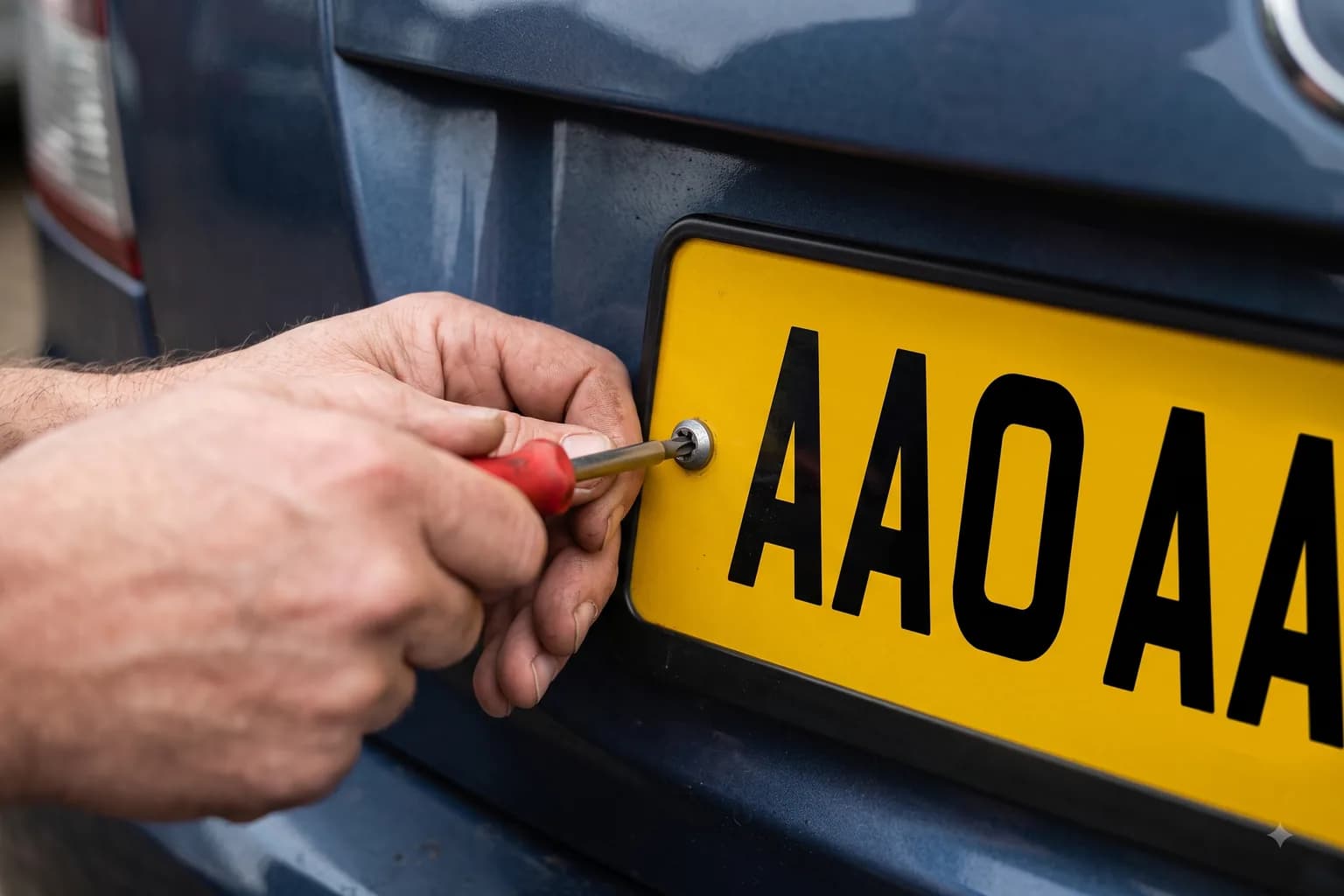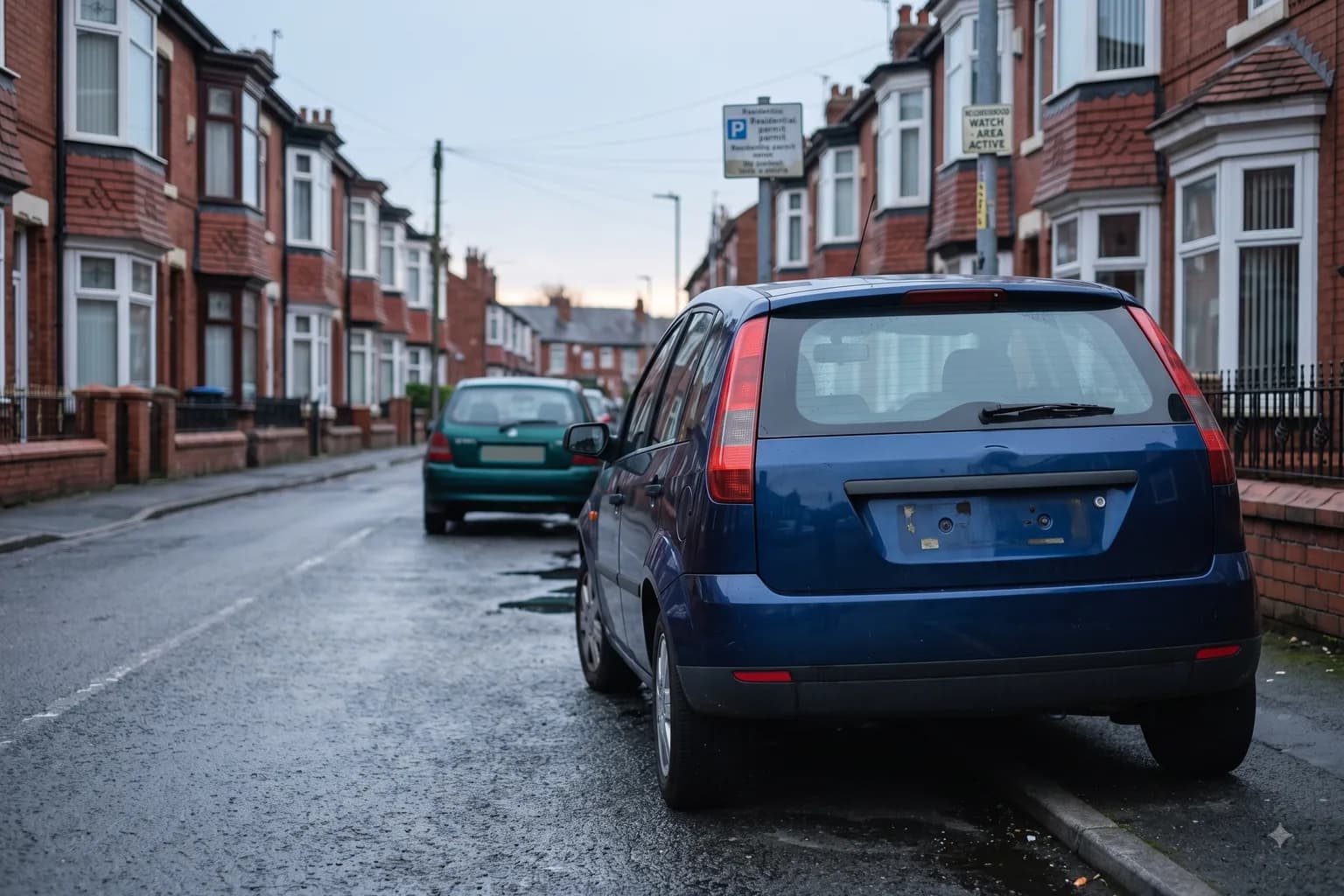
A cloned number plate can trigger fines, police stops and insurance headaches before the real owner has any idea something is wrong. That is why registration fraud solutions matter - not as an admin extra, but as active protection for a vehicle identity that can be copied and misused in minutes.
For UK drivers, the issue is rarely abstract. A plate linked to the wrong fuel theft, toll charge or traffic offence can create a long and frustrating trail of letters, appeals and doubt. For fleets, the exposure is wider. One cloned registration can disrupt operations, damage trust and pull staff into a time-consuming proof exercise. The cost is not only financial. It is operational, legal and reputational.
What registration fraud solutions are really solving
At surface level, registration fraud looks like fake plates or duplicated vehicle identity. In practice, the problem is broader. Fraudsters exploit the gap between a plate being visible in public and the owner having very little control over how that identity is monitored once copied.
Traditional responses tend to begin after damage has already been done. A driver receives a notice for an offence they did not commit. A business is challenged on vehicle movements that never happened. By that stage, the burden often falls on the innocent party to prove misuse.
Strong registration fraud solutions reverse that position. Instead of waiting for evidence to arrive by post, they create a live security layer around the plate itself. That means registration, detection, alerting and verification all work together so suspicious activity can be identified early and acted on quickly.
This shift matters because prevention is not the same as replacement. Replacing plates after fraud may be necessary in some cases, but it does not address the period where misuse has already happened. A security-led approach focuses on reducing that exposure before it expands.
Why passive checks are no longer enough
Many motorists still assume the system will naturally spot a clone and sort it out. It often does not work that neatly. Camera networks, parking systems and enforcement tools are built to identify the registration shown. They are not there to decide, on their own, whether the plate has been unlawfully duplicated.
That leaves a clear weakness. If someone is using a copied registration on a similar vehicle, routine systems may process the offence as genuine until challenged. For a private owner, that can mean repeated disputes. For a fleet manager, it can become a pattern across multiple sites and teams.
Passive checks also create delay. The longer the gap between misuse and detection, the more incidents can accumulate. This is where speed becomes a security feature in its own right. If a suspicious duplication event is identified promptly, the owner or operator can start evidencing, reporting and containing the issue far earlier.
The best registration fraud solutions combine three functions
The strongest systems do not rely on one feature. They combine verified plate registration, active detection and instant alerting within a single process.
Registration creates a secure baseline
A plate should not exist in a security system as a loose text entry. It needs a verified identity record linked to trusted credentials. This creates a baseline against which suspicious activity can be assessed.
In practical terms, secure registration means the legitimate owner or authorised party records the number plate details in an encrypted database. That baseline is what gives later checks their value. Without it, detection is weaker because there is less certainty around what counts as normal, expected and authorised.
Detection needs to be active, not occasional
Fraud does not operate to office hours. A useful system has to monitor for signs of duplication or misuse as activity happens, not only when somebody manually checks.
This is where proprietary tech and an encrypted global tracking database can make the difference. Detection should not be treated as a simple database lookup. It needs to identify anomalies, flag suspicious events and support quick investigation. The exact triggers will vary, and there is always a balance between sensitivity and false positives, but the principle is clear: if the system only reacts after a complaint, it is already late.
Alerts turn data into action
Detection without alerting creates another delay. If a suspicious event is logged but the owner only sees it days later, much of the advantage is lost.
Immediate alerts by email, SMS or push notification give drivers and fleet teams a chance to respond while the issue is still fresh. That response may involve checking vehicle location, confirming legitimate use, notifying relevant authorities or preserving evidence. The right alert at the right time reduces confusion and shortens the route to resolution.
Verification is where trust is rebuilt
One of the most overlooked parts of registration fraud prevention is verification. Once a plate is questioned, everyone involved wants clarity quickly. Is this registration valid? Has it been flagged? Is there a known concern associated with it?
A searchable plate status tool can provide that clarity. For drivers, it offers reassurance and a record of protection. For manufacturers and administrators, it supports secure workflows and helps confirm that a plate has been properly registered within a controlled system. For enforcement or customer support situations, it creates a cleaner route to evidence.
Verification does not remove every dispute. Some cases will still require formal reporting and document handling. But it gives legitimate owners a stronger position from the outset. Instead of starting with denial, they can start with data.
What private motorists should look for
For an individual vehicle owner, the right choice is not always the most complicated platform. It is the one that gives genuine control over a specific risk.
That means looking for a service that can securely register the plate, monitor for suspicious duplication activity and issue instant alerts when something looks wrong. Ease of use matters too. If setup is awkward or alerts are buried, people stop paying attention. Security only works when the user can act on it.
Motorists should also be realistic about trade-offs. No provider can promise that cloning will never happen. The real value lies in reducing the window of exposure, improving evidence and making it easier to challenge misuse fast.
What fleets and plate manufacturers need from the system
Commercial users have different pressures. A fleet operator may need oversight across many vehicles, while a manufacturer needs secure registration workflows and clear audit trails. In both cases, scale changes the risk.
A fragmented approach creates weak points. If one system handles production, another stores records and a third deals with alerts, delays and inconsistencies appear quickly. A centralised platform is usually stronger because it gives administrators, customers and authorised supply-chain users access to one trusted security environment.
For manufacturers in particular, compliance and control are not side issues. They sit at the centre of fraud prevention. If registration workflows are loose, duplicated or poorly verified, the chance of unauthorised plate activity rises. A more controlled process helps protect both the customer and the manufacturer’s reputation.
Why speed changes the outcome
Fraud prevention is often discussed as if all tools work on equal terms. They do not. Timing affects everything.
If a driver is alerted quickly, they can gather location records, check the vehicle, retain receipts and start reporting while the facts are clear. If a fleet is alerted quickly, it can confirm driver schedules, isolate suspect incidents and communicate consistently across teams. If a manufacturer spots a concern early, it can investigate before the issue spreads.
That is why the strongest registration fraud solutions are built around rapid response, not just record keeping. The aim is not to create more data. It is to create control.
Protect A Plate was built around that principle: registration, detection and alerting working together to defend vehicle identity before a cloned plate becomes a much larger problem.
The practical standard has changed
For years, many drivers had little choice but to react after the fact. That is no longer good enough. When number plate fraud can lead to enforcement action, lost time and serious disruption, active monitoring becomes a sensible part of vehicle security.
The best approach is clear, specialist and immediate. Register the plate credentials securely. Monitor continuously for suspicious duplication. Verify status quickly. Alert the right people the moment something needs attention.
Vehicle identity deserves the same level of protection as the vehicle itself. If your registration is exposed in public every day, your defence should be active every day as well.