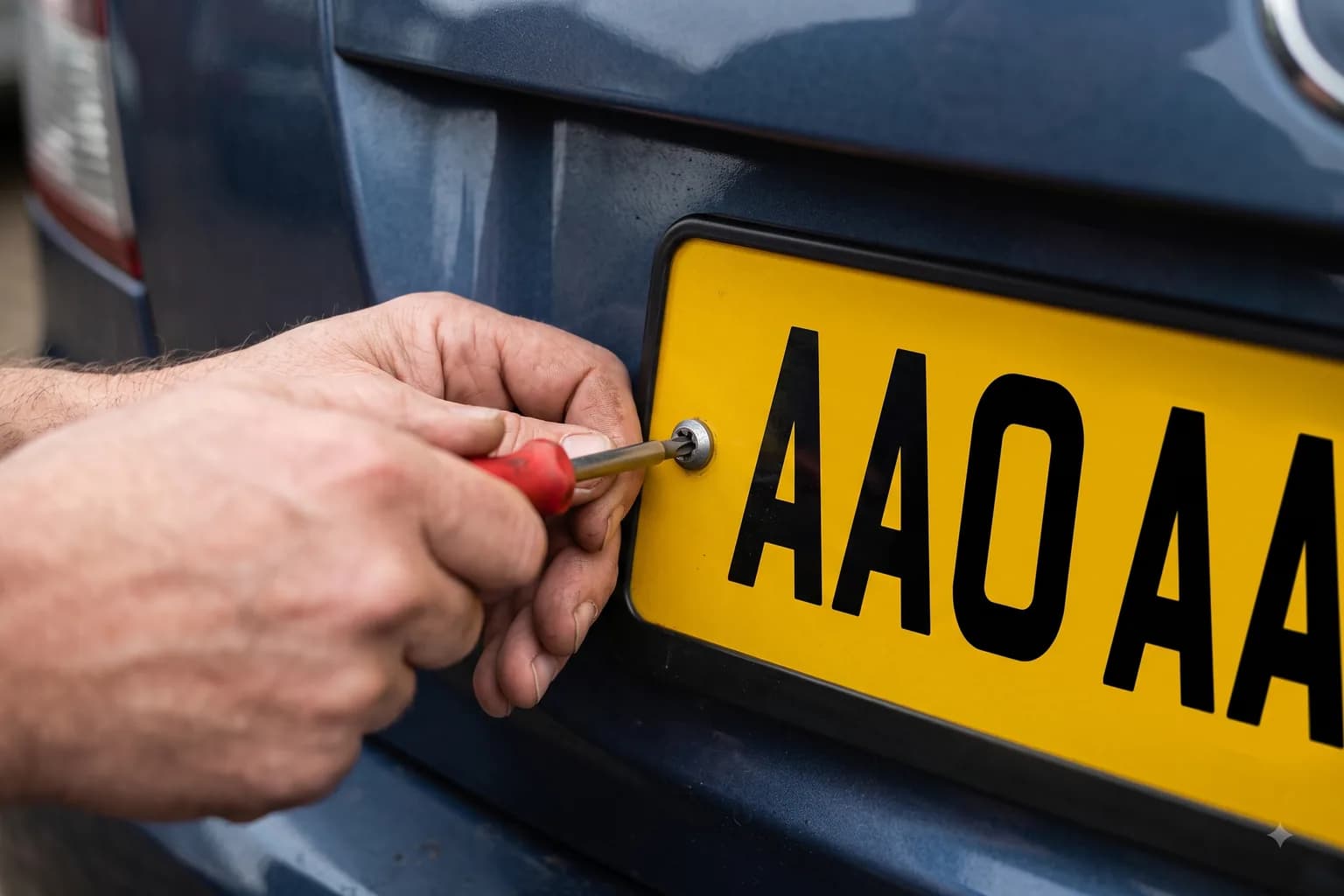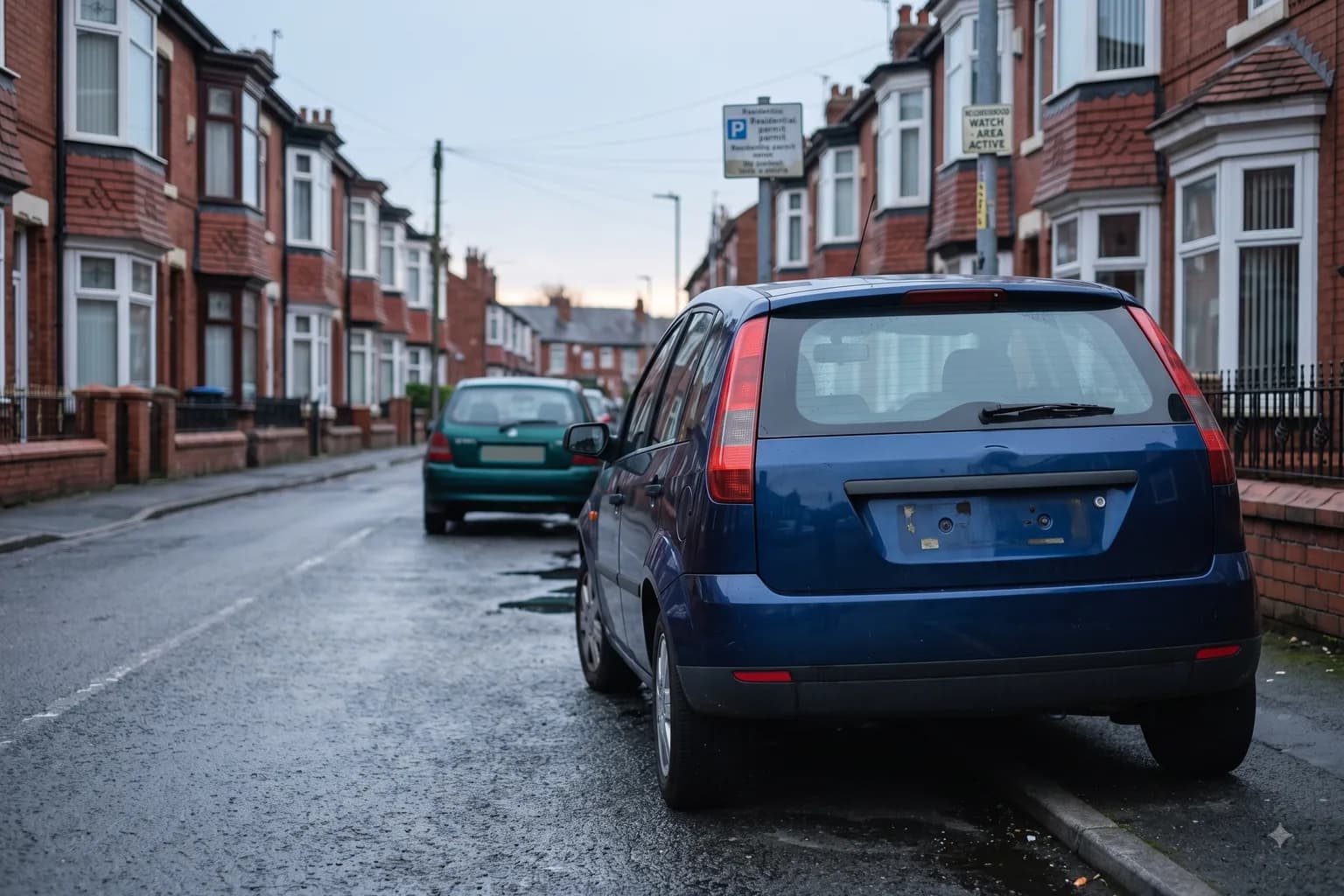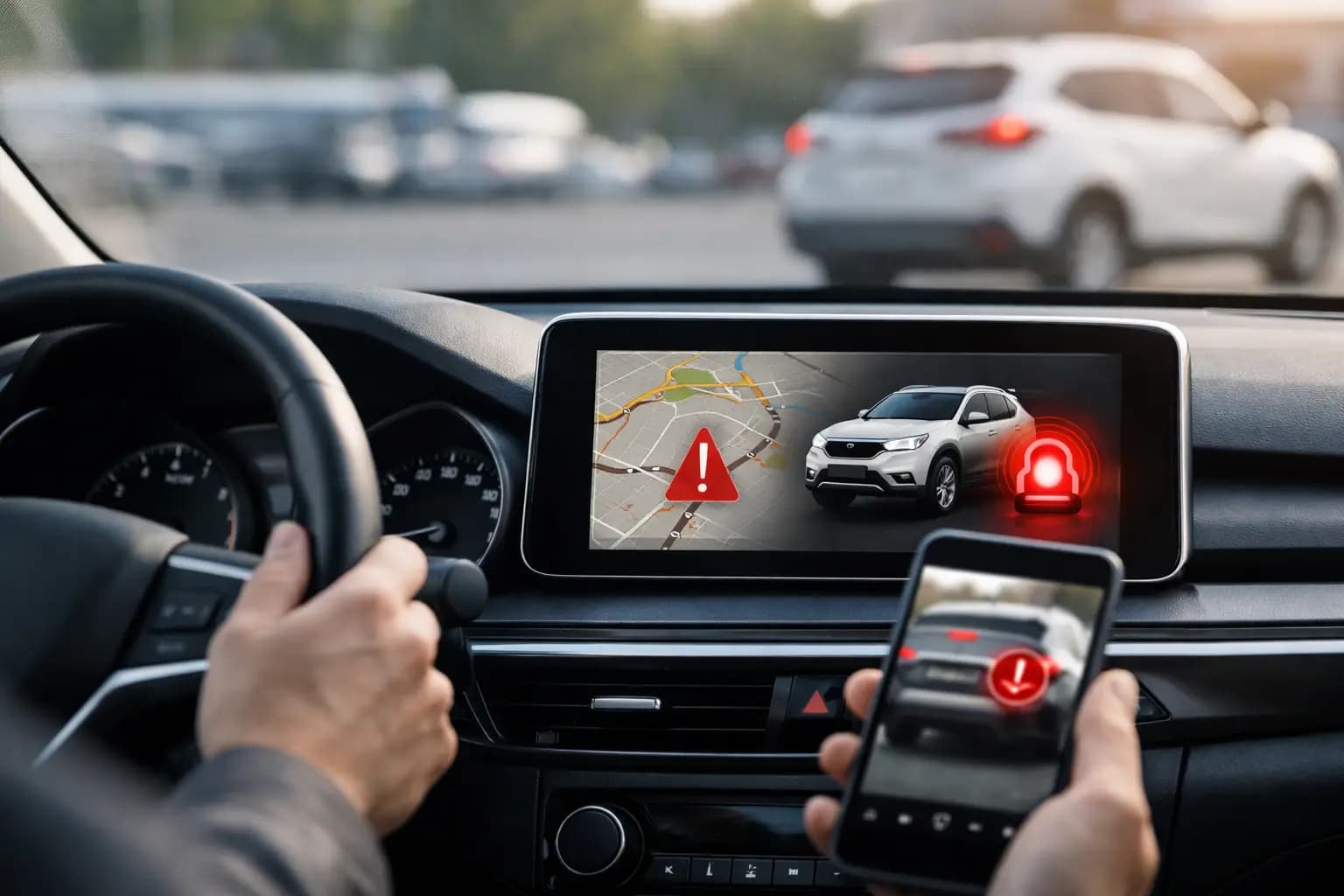
A cloned number plate rarely announces itself with a dramatic moment. More often, it starts with a penalty notice you should never have received, a toll charge from somewhere you have not been, or a call that leaves you proving your vehicle was not involved. That is exactly why real-time vehicle security alerts matter. They shorten the gap between suspicious activity and action, giving drivers a chance to respond before fraud spreads.
For UK motorists, this is not a minor admin issue. Number plate cloning can lead to fines, enforcement letters, insurance complications and damage to confidence in your vehicle’s identity. If you run a fleet, the stakes are even higher. One cloned plate can disrupt operations, create compliance headaches and consume hours of internal resource. Waiting until the evidence lands on your doorstep is simply too late.
What real-time vehicle security alerts actually do
At their best, real-time vehicle security alerts do not just tell you that something has gone wrong. They flag suspicious duplication activity as early as possible, so you can verify, challenge and contain the issue quickly. That distinction matters.
A basic notification system reacts after confirmed harm. A proper security-led alerting system focuses on detection and response. It monitors for warning signs linked to your registration details, checks those signs against trusted records and pushes an alert through email, SMS or app notification when the activity needs attention. Speed is the obvious benefit, but speed without context is not enough. The alert must be meaningful, credible and actionable.
That is where many general vehicle monitoring tools fall short. They may tell you your vehicle has moved, been tampered with or triggered a tracker event. Those functions have value, but they are not designed specifically to address number plate misuse. Plate cloning is an identity problem as much as a vehicle problem. It requires technology built around registration, verification and detection, not just location.
Why number plate cloning demands faster alerts
A cloned plate can be used to disguise another vehicle’s movements, avoid charges or distance an offender from offences. The victim is left untangling the record. In practice, the earlier suspicious duplication is spotted, the stronger your position becomes.
If the alert arrives quickly, you can begin documenting your own vehicle’s location, challenge false claims sooner and reduce the chance of repeat misuse going unnoticed. If the alert comes days or weeks later, you are often working backwards through receipts, camera footage or memory. That is slower, less precise and more stressful.
There is also a legal and financial reality here. Authorities and service providers work from the data available to them. If your registration appears linked to an event, you may need to prove it was not your vehicle. Real-time alerting does not remove that burden entirely, but it gives you a head start. For security-conscious drivers, that head start is the difference between control and damage limitation.
How a security-led alert system should work
The most effective model is simple on the surface - registration, detection and alerting. Underneath, it relies on specialist infrastructure.
First, the vehicle keeper or authorised party registers the plate credentials within a secure platform. Those details need to be stored in an encrypted tracking database, not scattered across disconnected records. That secure registration creates the reference point for future checks.
Second, the system monitors for suspicious activity associated with duplication, unauthorised production or conflicting plate identity signals. This is where proprietary tech matters. A credible platform should not rely on generic assumptions. It should be designed around number plate risk, with detection logic that understands plate status, issuance and verification.
Third, when the system identifies activity that requires attention, it pushes an immediate alert. Email may be enough for some users. SMS or push notifications are better when urgency matters. The key is not to overwhelm users with noise. Too many vague or low-value alerts and people stop trusting the system. Too few, and the security window closes.
Real-time vehicle security alerts for private drivers
For an individual driver, the value is straightforward. You want to know if your registration may have been copied before the consequences land with you. That means fewer surprises and a stronger position if you need to challenge a fine, explain conflicting records or report misuse.
There is also peace of mind, though that phrase can sound soft in a security discussion. In reality, confidence matters. If you know your plate is actively monitored and your status can be checked, you are not left hoping that fraud will reveal itself in a manageable way. You have visibility.
Still, not every driver needs the same level of monitoring. Someone who uses their car occasionally in a low-risk area may assess the threat differently from a driver covering high mileage, parking in public locations daily or operating a premium vehicle more likely to attract criminal attention. The right response depends on exposure, but the principle remains the same - prevention is stronger than replacement after the event.
Why fleets have more to lose
Fleet operators deal with risk at scale. One security issue can become several if processes are weak or plate status is unclear across multiple vehicles. Real-time vehicle security alerts are especially useful in this environment because they reduce delay across decision-making.
If a suspicious duplication issue is detected on a fleet vehicle, managers need to assess impact quickly. Is this an isolated anomaly or a broader pattern? Does the vehicle need documentation gathered immediately? Could there be exposure to penalties, reputational issues or service disruption? Delayed awareness slows every step.
Fleets also benefit from centralised oversight. A platform-based alerting model allows authorised users to view status, confirm records and respond with consistency rather than relying on individual drivers to spot problems after the fact. That creates cleaner governance and a better audit trail, which matters when disputes arise.
What plate manufacturers should pay attention to
For plate manufacturers, the issue is not only fraud after a plate is on the road. It is also the security of registration workflows, identity checks and compliance at the point of creation. If duplication or misuse happens upstream, the downstream consequences can be serious.
A secure system should support legitimate registration while making it harder for unauthorised duplication to pass unnoticed. That means tighter links between manufacturing, record management and verification. Manufacturers that treat number plate security as part of their operating standard, not an afterthought, place themselves in a stronger position with customers and regulators alike.
The trade-off: speed vs false alarms
Every alerting system has a balance to strike. Push too aggressively and users receive warnings that do not lead anywhere. Hold back too much and the response arrives after harm is done. The answer is not choosing one side. It is improving detection quality.
That is why specialist systems have an advantage over broad consumer tools. A platform built specifically for plate protection can apply more relevant checks and clearer verification pathways. The goal is not constant interruption. The goal is confident intervention at the right moment.
This is also where searchable plate status tools become useful. When an alert appears, users need a straightforward way to verify what they are seeing and decide what to do next. Security works better when it removes ambiguity rather than adding another layer of confusion.
What to look for in a real-time alert platform
If you are comparing options, focus less on marketing claims and more on operational credibility. How are plate details registered? Where is data stored? How quickly are alerts delivered? What types of suspicious activity are being monitored? Can the user verify plate status easily? Is the system clearly built for number plate fraud, or has that function been bolted onto a broader product?
You should also look at response design. A good system does not stop at detection. It gives users a clear route from alert to verification and onward action. That is what turns technology into protection.
Protect A Plate is built around that model - secure registration, detection and instant alerting through a centralised platform designed to defend automotive identity before fraud escalates.
Real security is not passive. If your number plate is part of your vehicle’s identity, it should be monitored like one. The earlier you know, the more options you keep.