A penalty notice for a journey you never made is often the first sign that your vehicle identity has been misused. By that point, a cloned registration may already have been linked to speeding offences, parking charges, tolls or criminal activity. Real time plate alerts shift the response from proving your innocence after the event to identifying suspicious duplication activity when it matters most.
For private drivers and fleet operators, this is not simply an inconvenience issue. A cloned number plate can consume time, create stress and leave a trail of enforcement correspondence that must be challenged with clear evidence. Active plate protection gives vehicle owners a stronger position: a registered identity, an auditable record and an immediate route to investigate an alert.
Why number plate cloning needs a faster response
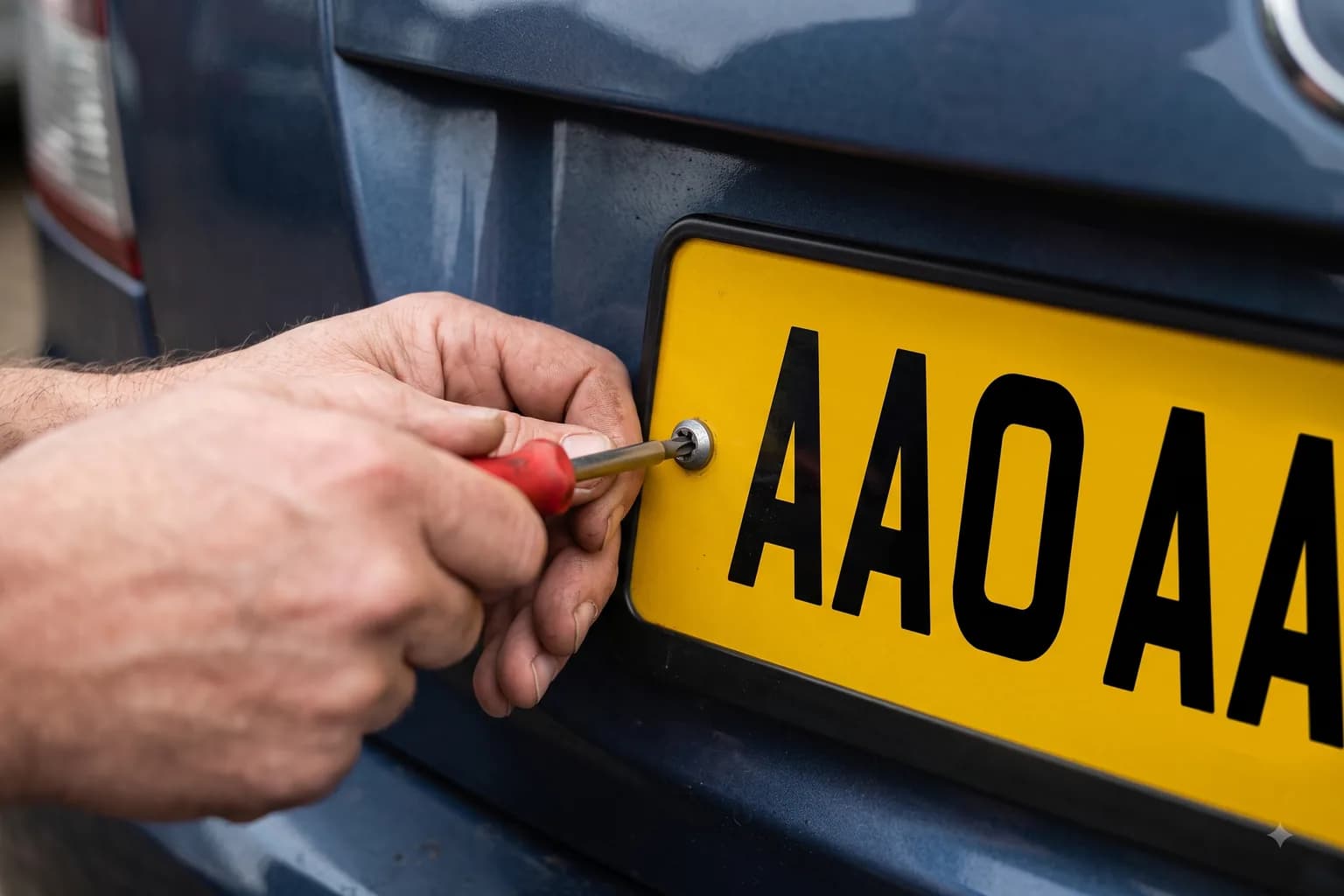
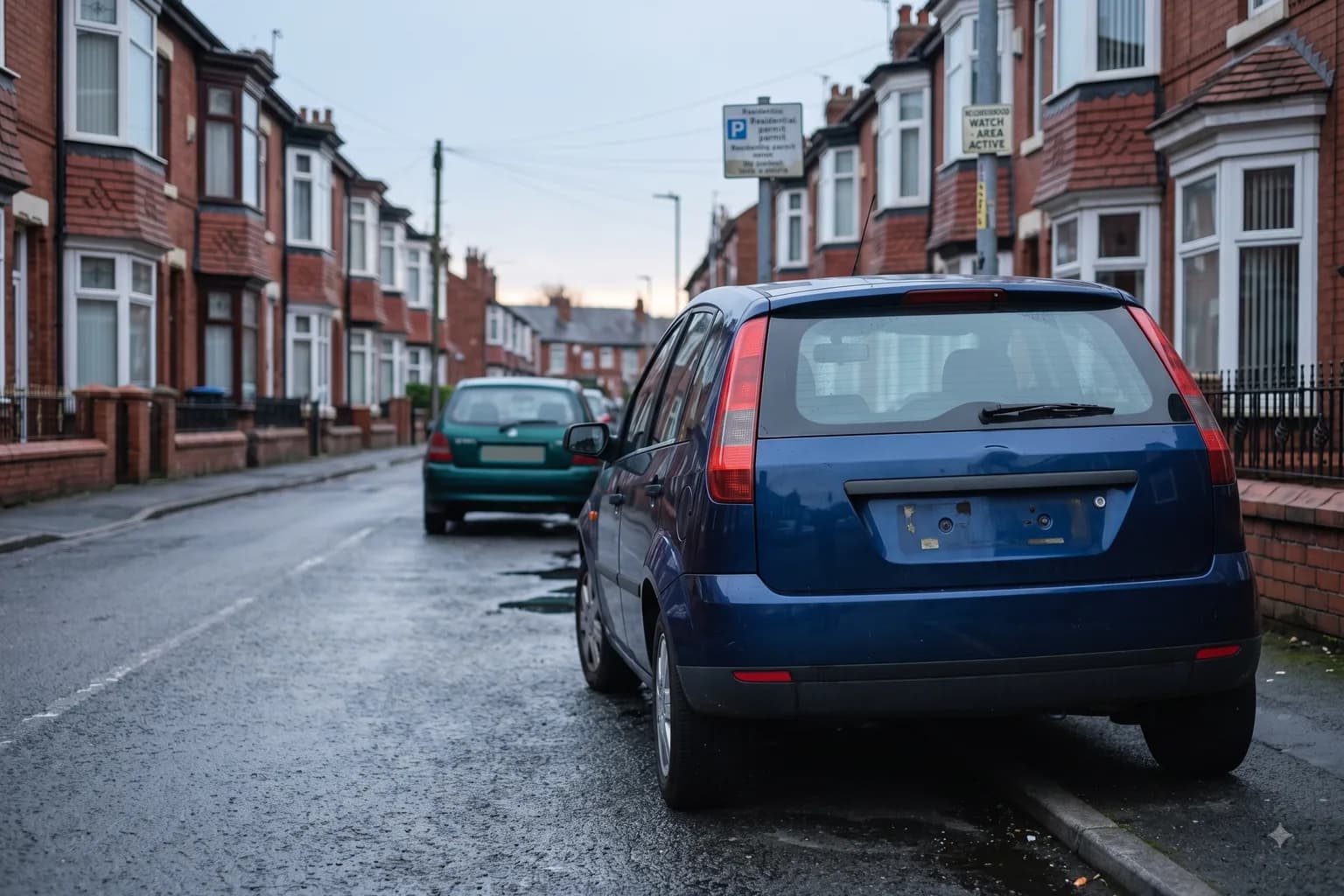
Number plate cloning occurs when a criminal uses a legitimate registration number on another vehicle. They may copy a plate from a car of the same make, model and colour to reduce the chance of being noticed. The cloned vehicle can then be used to avoid responsibility for traffic offences, parking charges, fuel theft or more serious crime.
The legitimate keeper may not know anything is wrong until a notice arrives. That delay is the core problem. Evidence can be harder to gather weeks later, especially where a vehicle has been used routinely by several drivers or is part of a busy commercial fleet.
A standard response is reactive. A driver receives correspondence, contacts the issuing authority, supplies photographs or location evidence, and hopes the matter is resolved before further notices arrive. This can work, but it places the burden on the innocent keeper after their registration has already been exploited.
A security-led approach works differently. It establishes a protected record before fraud occurs, monitors for suspicious activity and provides immediate notification when a potential duplication issue is identified. Early awareness does not automatically prove an offence, but it gives the registered keeper the chance to check the facts, preserve evidence and respond without losing valuable time.
How real time plate alerts work
Effective real time plate alerts sit within a wider registration, detection and verification process. Alerting alone is useful, but its value depends on the quality of the underlying plate record and the way suspicious events are assessed.
1. Register the vehicle identity
The first step is to register the number plate credentials securely. This creates a protected record associated with the legitimate vehicle and keeper details. Where a system uses an encrypted tracking database, it gives the plate a reference point that can be checked when duplication concerns arise.
For fleet operators, registration should reflect operational reality. Each vehicle needs to be accurately recorded, with clear responsibility for account management and notification settings. A missed digit or out-of-date contact detail can undermine the purpose of a monitoring service.
2. Detect activity that requires attention
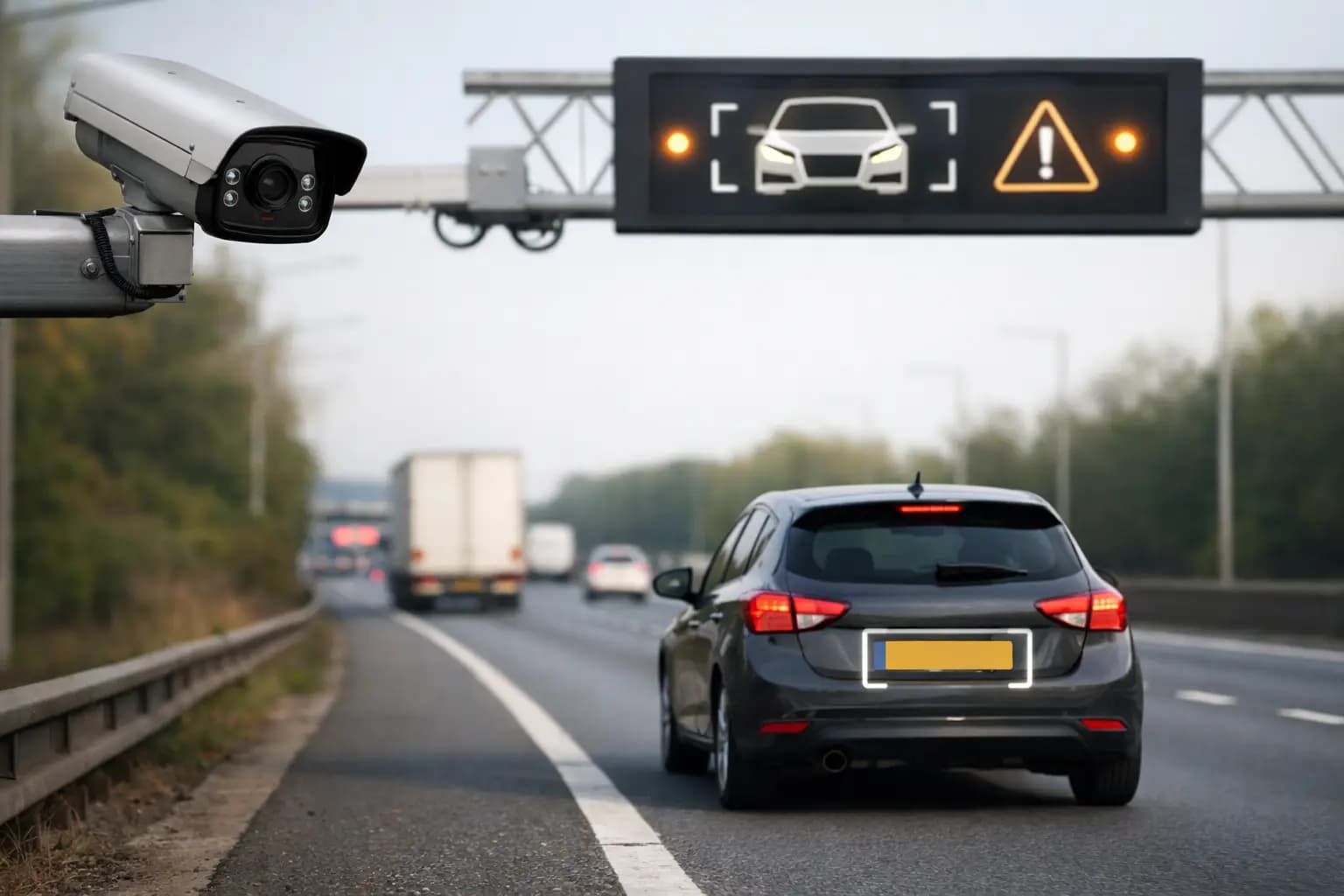
Detection systems look for signals that may indicate unauthorised duplication or misuse. Depending on the service and available data, this may involve a plate status check, a verification event or an inconsistency associated with the registered plate identity.
Not every alert means a plate has definitely been cloned. Registration marks can be entered incorrectly, a vehicle can be photographed in poor conditions, or a legitimate vehicle may be used by a colleague, family member or authorised fleet driver. The purpose of detection is to identify a concern early enough for it to be examined, not to make an unsupported accusation.
That distinction matters. A credible protection platform should be decisive about the need to act while remaining accurate about what the alert means. It should support verification, not create unnecessary alarm.
3. Alert the right person immediately
When suspicious activity is detected, speed is essential. Notifications delivered through email, SMS or push alerts allow the keeper or fleet contact to review the issue promptly. For a business with vehicles operating across the country, the right alert can prevent a small anomaly becoming a prolonged administrative problem.
The best notification is useful, not vague. It should make clear that attention is required and direct the account holder towards the relevant verification process. A fleet manager needs to know who should investigate. A private owner needs a clear next action, rather than a generic warning that leaves them uncertain.
What to do when you receive a plate alert
Treat an alert as a prompt to verify, document and escalate where necessary. Start by checking the vehicle's location and use at the time connected with the notification. If you were driving the vehicle, or it was being used by an authorised driver, record that information. If the activity is impossible, gather evidence straight away.
Useful evidence may include time-stamped photographs of your vehicle, dashcam footage, parking receipts, work schedules, telematics records or witness details. Fleet operators should retain driver allocation records and route information. The aim is to show clearly that the legitimate vehicle could not have been involved in the incident being queried.
If you believe the plate has been cloned, report the matter to the police using the appropriate non-emergency route, unless there is an immediate danger. Keep the crime reference number and maintain copies of every notice, response and supporting document. When an enforcement authority or private parking operator contacts you, respond within the stated timeframe and provide the relevant evidence.
Do not ignore a notice simply because you know it is wrong. An unanswered charge or enforcement letter can progress through formal stages. Early records and a consistent account are far more effective than trying to reconstruct events months later.
The value for fleets and plate manufacturers
Plate cloning creates different pressures for commercial operators. A fleet may receive multiple notices across several vehicles, while an organisation's name and vehicles are repeatedly associated with incidents they did not cause. The direct cost is only part of the issue. Staff time, disrupted operations and reputational damage can build quickly.
Real-time monitoring gives fleet teams a central point of control. Rather than relying on individual drivers to spot correspondence or raise concerns, designated contacts can receive notifications and follow a defined investigation process. This is especially valuable for hire vehicles, delivery fleets, trades businesses and organisations with vehicles travelling long distances.
For legitimate plate manufacturers, secure registration workflows help protect the integrity of the supply chain. Number plates are part of a vehicle's public identity, so confidence in how they are created, recorded and verified matters. A system designed for manufacturers can support responsible issuing practices while helping distinguish legitimate plate activity from unauthorised duplication.
There is a practical trade-off. Any monitoring process relies on accurate data, timely account administration and sensible verification. Businesses should decide who receives alerts, how they are handled outside office hours and where evidence will be stored. Technology is strongest when it supports a clear internal process rather than being left unattended.
Choosing an alerting system that gives you control
The right service should be built around prevention, not just replacement after a problem has occurred. Look for secure registration, encrypted records, clear plate status functionality and notification options that suit how you manage your vehicle or fleet. The platform should also make it straightforward to verify a concern and maintain a record of action taken.
Privacy and data handling deserve the same attention as alert speed. Vehicle identity data is sensitive in context, particularly for organisations managing employee vehicles. Ask how records are protected, who can access them and how account permissions are controlled.
Protect A Plate brings registration, detection, instant alerting and verification into one specialist protection system. Its proprietary technology is designed to give UK drivers, fleets and legitimate plate manufacturers a clearer line of defence against unauthorised plate duplication.
Your registration mark is more than a piece of reflective material fixed to a vehicle. It is an identity that can be exploited by someone else. Register it, monitor it and make sure that, if a warning appears, you are ready to act while the evidence is still within reach.