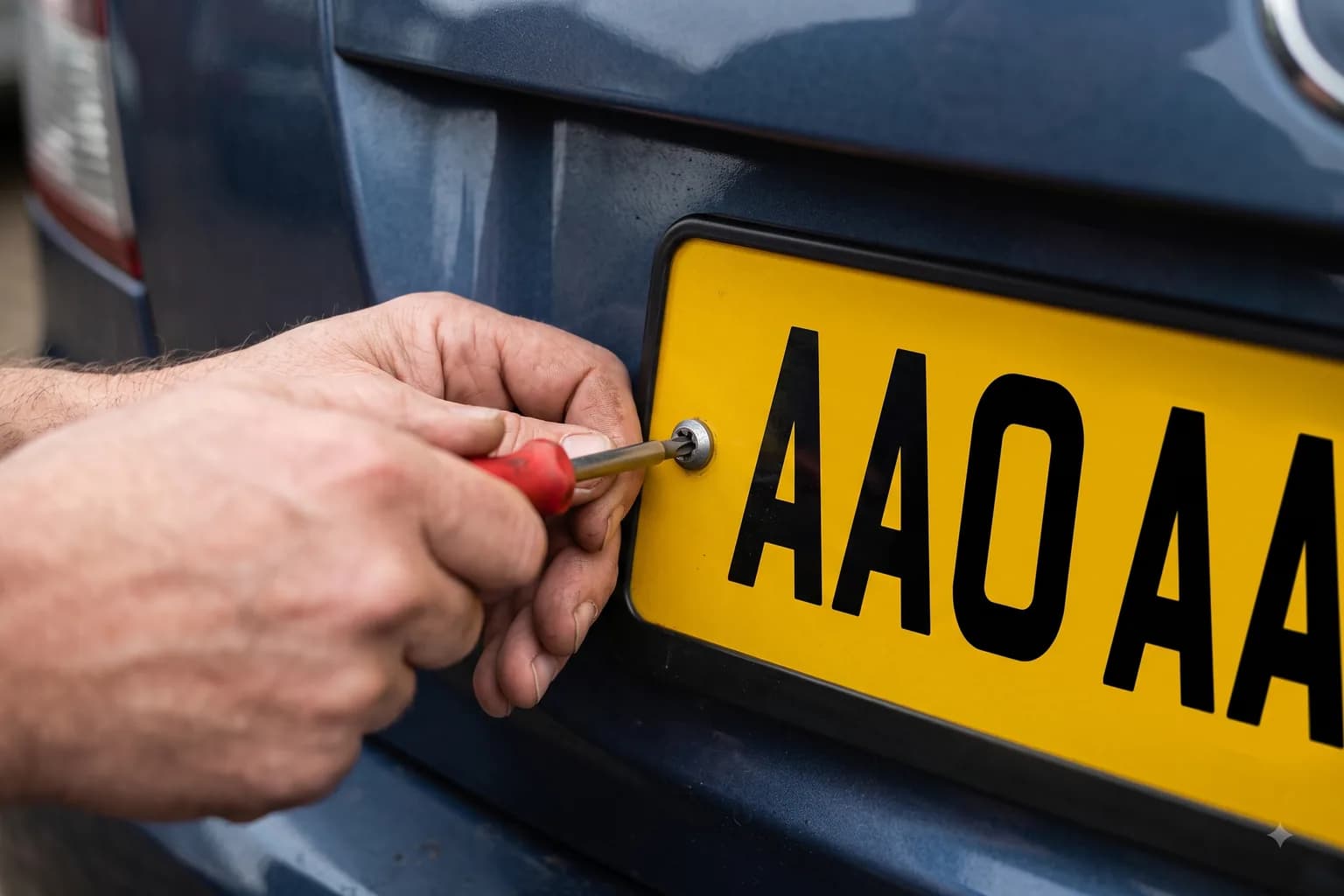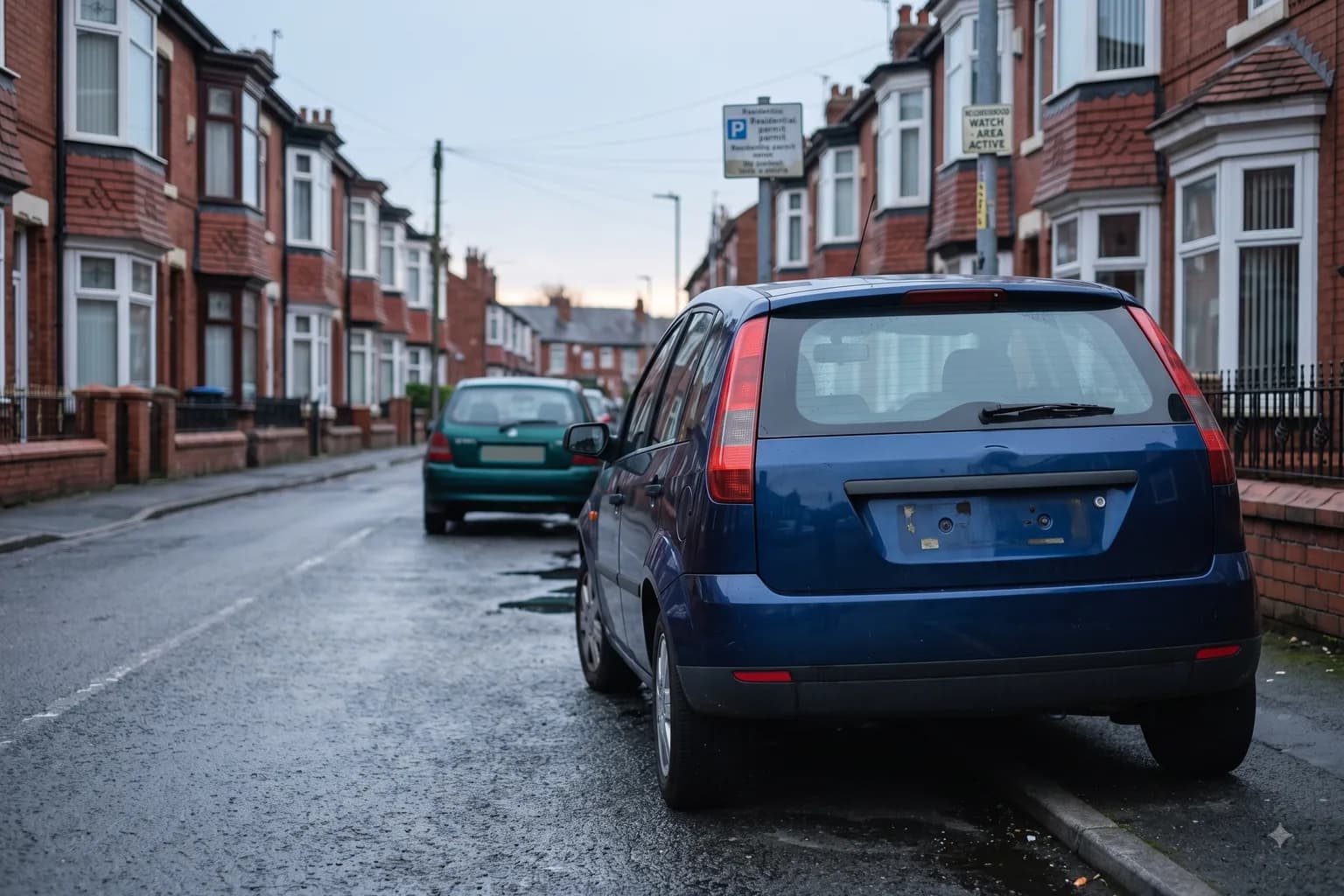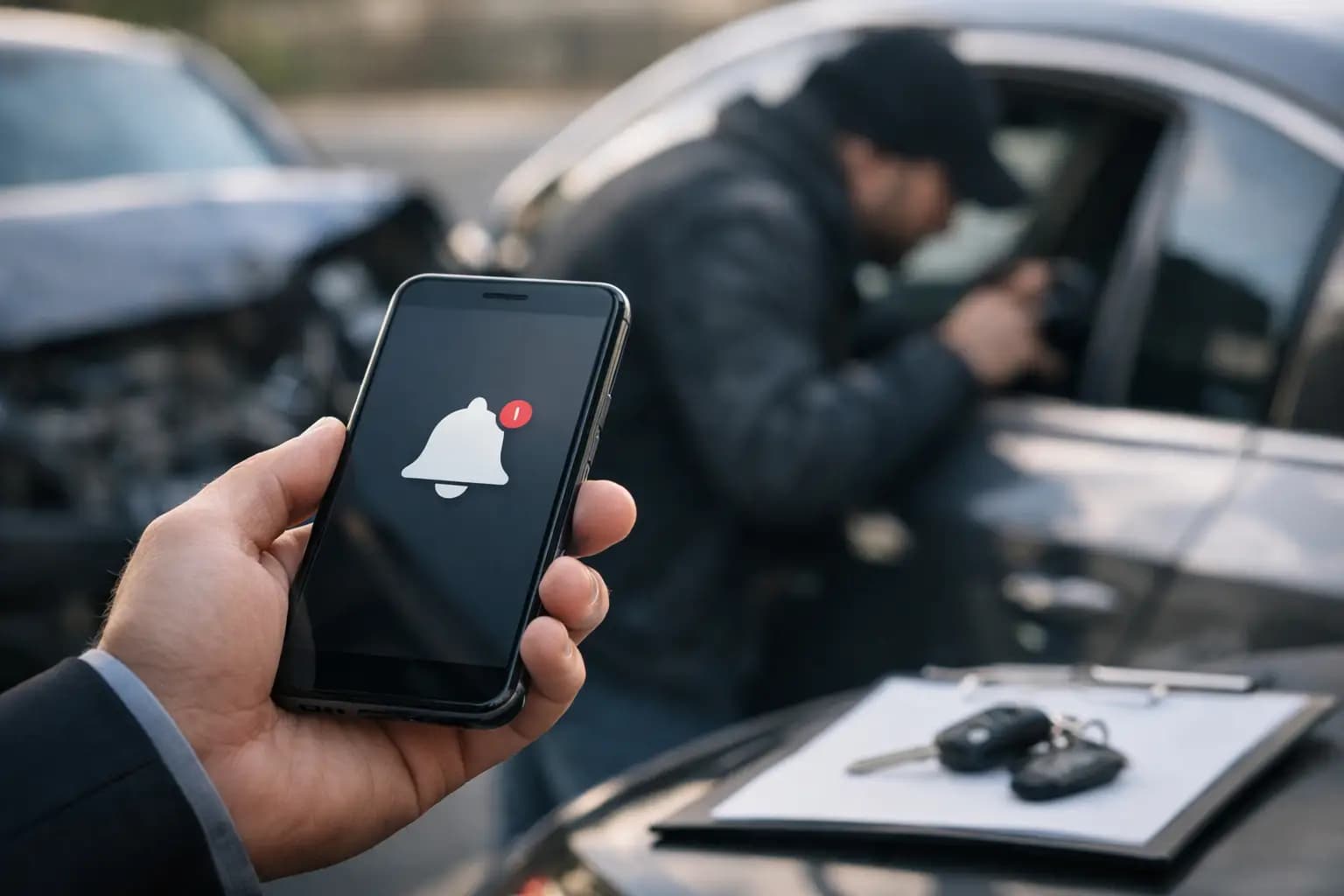
A cloned plate rarely announces itself politely. It tends to arrive as a fine you know nothing about, a congestion charge from somewhere you have never driven, or a police query that turns an ordinary day into a serious problem. That is why push notifications for vehicle fraud matter - they close the gap between suspicious activity being detected and the vehicle owner finding out.
For drivers, fleet operators and plate manufacturers, speed changes everything. The longer fraudulent plate activity goes unnoticed, the more chance there is for repeat misuse, admin headaches and legal complications. An alert sent instantly to the device you actually check is not a nice extra. It is part of a proper prevention system.
Why push notifications for vehicle fraud matter
Vehicle fraud is often treated as an after-the-fact issue. Someone clones a registration, uses it, and the genuine keeper spends days or weeks proving they were not responsible. That approach leaves too much damage in play before anyone reacts.
P ush notifications change the sequence. Instead of waiting for a paper trail of penalties and disputes, the registered owner can be told when suspicious duplication activity is detected. That early warning gives you time to verify what is happening, record evidence and act before the issue spreads.
This matters because number plate cloning is not just an inconvenience. It can affect private motorists facing unjust charges, company fleets dealing with operational disruption, and manufacturers who need confidence that plate issuance is tied to secure registration workflows. Once a cloned identity circulates, the impact does not stay in one place.
The real problem is delay
Most fraud systems fail at the moment between detection and response. Information may exist, but if it sits in a dashboard nobody checks or arrives by post days later, the benefit is limited. Fraudsters rely on that lag.
A push notification is effective because it is immediate and difficult to ignore. It appears on a device already part of daily life. For a busy driver, that can mean seeing a warning within seconds rather than discovering a problem after multiple incidents. For a fleet manager, it can mean investigating a suspicious event before it becomes a pattern across several vehicles.
Speed, though, is only useful when the alert itself is reliable. Too many vague warnings create fatigue. Too few alerts leave gaps. The right system uses proprietary tech and an encrypted global tracking database to identify suspicious duplication activity with enough confidence that a notification prompts action rather than confusion.
What an effective alert should actually tell you
A useful fraud alert needs to do more than say something may be wrong. It should direct the next step. That means the notification should be tied to a secure platform where the user can verify plate status, review the event and decide whether escalation is needed.
In practice, that makes push notifications part of a wider security process rather than a standalone feature. Registration, detection and alerting need to work together. If the plate has not been securely registered in the first place, there is nothing meaningful to monitor. If detection is weak, the alert is just noise. If alerting is slow, detection loses its value.
Where push notifications fit in a number plate protection system
The strongest use of push notifications for vehicle fraud is inside a system built specifically for plate identity protection. That means the registration is recorded securely, linked to verified credentials and monitored for signs of duplication or misuse.
When suspicious activity is found, the system should trigger an instant alert through the channel most likely to be seen quickly. Push notifications are especially useful here because they are direct, immediate and less likely to be buried than an email. SMS still has a role, especially where app adoption is limited, but push is often the fastest route to attention when the user is already connected to the platform.
This is why a security-led platform matters more than a generic alert tool. Vehicle identity fraud has its own patterns, risks and evidence requirements. Drivers need a service designed for number plate misuse, not a broad monitoring product stretched across unrelated threats.
For private motorists
If you own one vehicle, you may assume cloning is rare enough to worry about later. That is often a mistake. Many victims only realise their registration has been copied when penalties arrive or another authority raises a query. By then, they are on the back foot.
A push notification gives the genuine owner a chance to respond while events are still fresh. That can help with documenting movements, confirming whether the vehicle was elsewhere and demonstrating that you acted promptly once alerted. It reduces the sense of being blindsided.
For fleets and business users
Fleets have a broader exposure. More vehicles mean more registrations to protect and more operational risk if one is compromised. A cloned plate on a commercial vehicle can trigger admin time, compliance issues and reputational concerns that go beyond a single fine.
Push notifications support fast internal escalation. A fleet manager can review the alert, check vehicle location data or driver records, and decide whether the issue points to cloning, duplication or an internal discrepancy. The key advantage is control. Instead of relying on scattered reports arriving later, the business can act while the issue is still manageable.
For plate manufacturers
Manufacturers occupy a critical point in the chain. Secure registration workflows help ensure plates are tied to legitimate issuance and traceable records. That does not remove fraud entirely, but it strengthens the integrity of the process.
In this setting, alerting supports accountability. If a suspicious duplication issue emerges, stakeholders can move faster to verify status and protect genuine customers. That helps build trust in the wider supply chain, not just the final end user experience.
The trade-off: instant alerts still need intelligent handling
Not every alert means confirmed fraud. Sometimes a system will identify suspicious activity that needs checking before a conclusion is reached. That is normal. Security technology should favour timely warnings, but it must also allow for verification.
This is where some providers get it wrong. They talk about instant alerts as if speed alone solves the issue. It does not. The value comes from combining urgency with a clear verification path. Users need to know what has been detected, what it may mean and what to do next.
That balance matters because false confidence is almost as unhelpful as delayed action. An alert that causes panic without context wastes time. An alert that is too cautious may be ignored. The system has to be precise enough to build trust over time.
What to look for in push notifications for vehicle fraud
If you are comparing services, do not focus only on whether alerts exist. Ask how they fit into the full fraud prevention model. A credible platform should offer secure plate registration, active monitoring, instant alerting and a simple way to verify plate status.
It should also match the way people actually respond to risk. Drivers need straightforward warnings and fast access to facts. Businesses need visibility, auditability and dependable workflows. Both need confidence that the technology is designed for prevention, not simply for documenting damage after the event.
Protect A Plate is built around that principle - register the plate, detect suspicious activity and alert the right person immediately. That structure is what makes push notifications meaningful rather than cosmetic.
Why this matters more in the UK
UK drivers face a very specific problem with plate cloning because registrations are widely relied upon by enforcement systems, tolling, parking operations and public reporting. When a registration is misused, the administrative trail can build quickly. Even when the genuine keeper is innocent, undoing the impact takes time.
That is why preventative security has become more important than passive replacement. Replacing a plate after repeated misuse may be necessary in some cases, but it does not address the period when fraud was active and damaging. Early detection does.
Push notifications support that early detection by putting information in front of the user the moment it matters. For many vehicle owners, that is the difference between handling one suspicious event and untangling months of avoidable fallout.
Fraud prevention works best when it is active, visible and immediate. If your registration is part of your vehicle’s identity, protecting it should not start after the damage is done. The right alert, at the right moment, gives you something every driver needs when fraud appears - time to act.