A penalty notice arrives for a journey you did not make. The location is unfamiliar, the date does not fit your movements, and the vehicle image may show a car that is clearly not yours. This is the point at which proving number plate innocence stops being a theoretical concern and becomes an urgent task.
A cloned registration mark can connect an innocent keeper to speeding allegations, parking charges, bus-lane contraventions, congestion charges and criminal activity. The registration is real, but it is displayed on another vehicle. Your job is to create a clear evidence trail that separates your vehicle from the offending one, then make sure the risk is recorded and monitored.
What number plate cloning means for vehicle owners
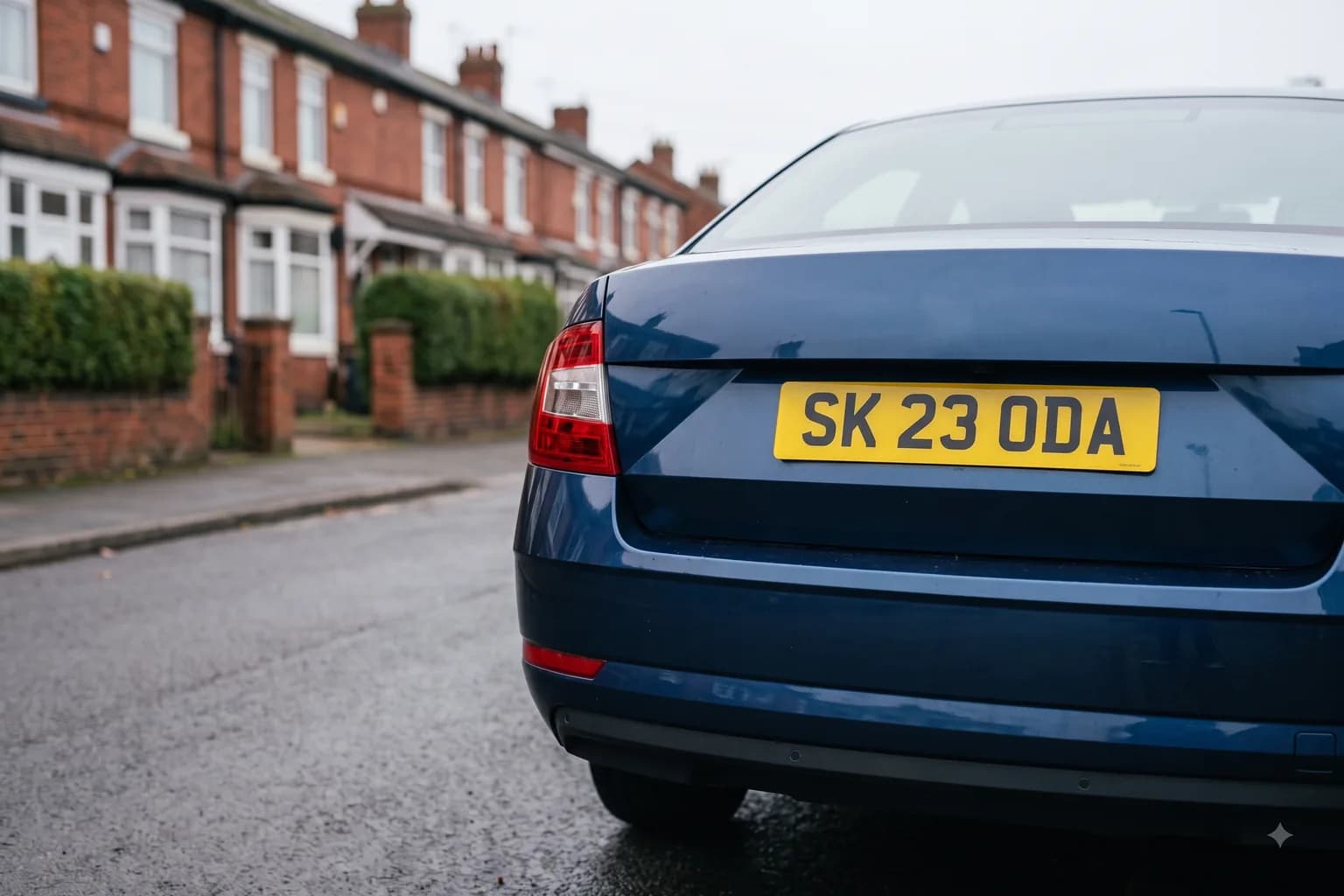
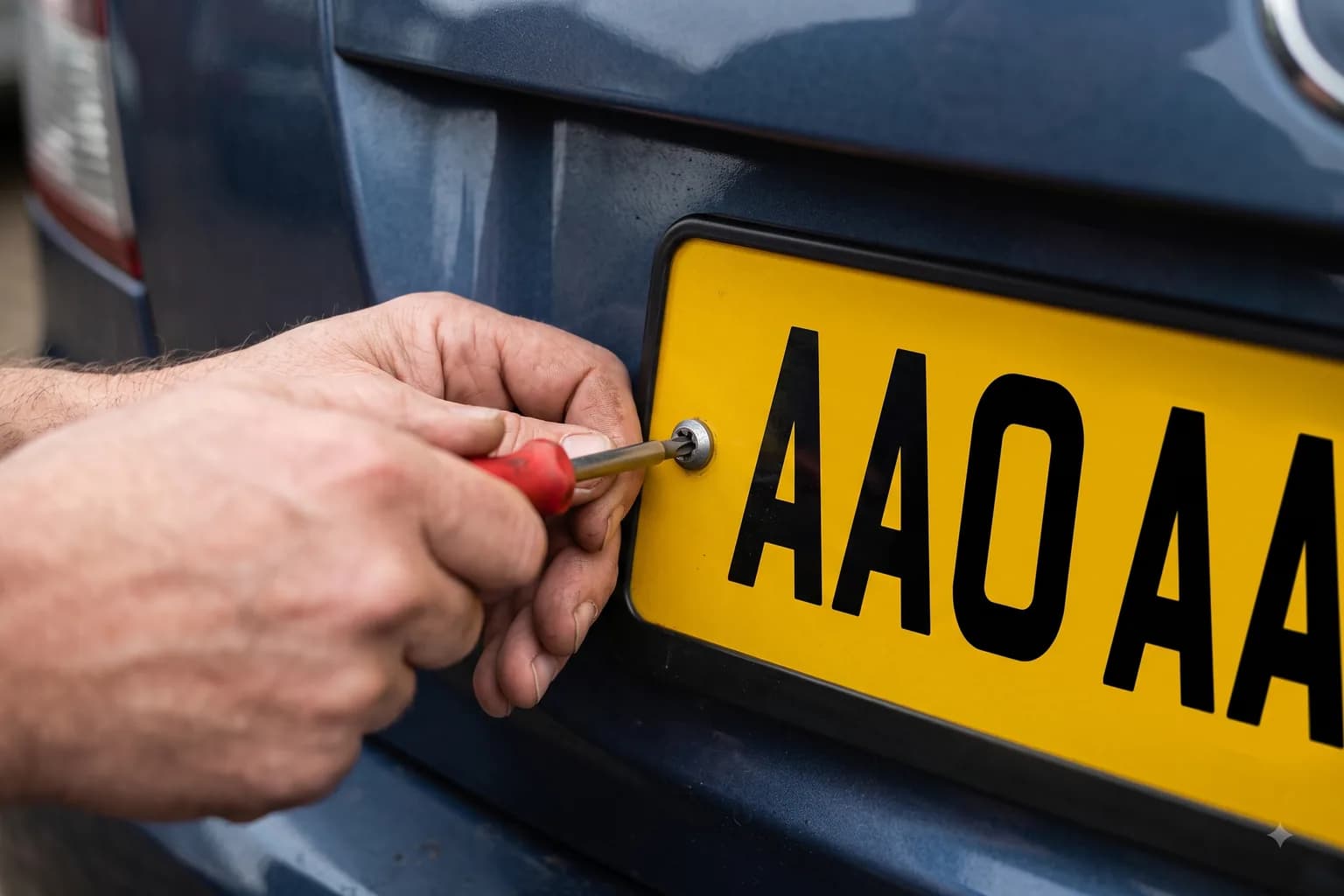
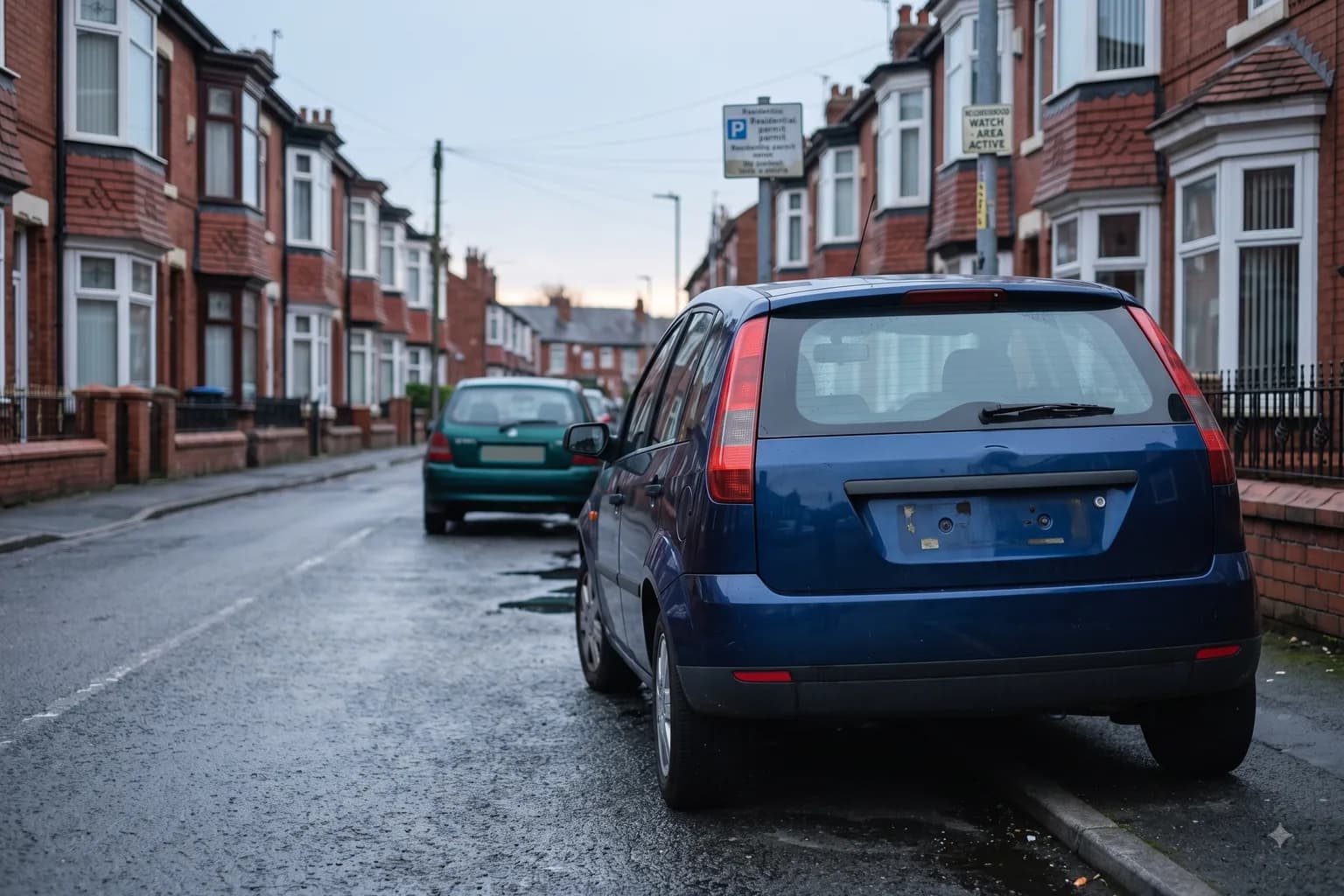
Number plate cloning occurs when someone copies a legitimate registration mark and places it on another vehicle. They may do this to conceal the identity of an untaxed, uninsured or stolen vehicle, or to avoid enforcement action. Automatic number plate recognition systems read the registration mark, not the full history of the vehicle behind it. That is why a cloned plate can generate notices in the name of the innocent registered keeper.
A notice is not proof that you committed an offence. It is, however, time-sensitive correspondence that needs a precise response. Ignoring it can lead to increased charges, escalation or missed opportunities to challenge the allegation through the correct process.
The strongest cases are not based on a single statement that you were elsewhere. They show, in a consistent and organised way, that the vehicle captured by enforcement is not your vehicle and could not have been where the notice says it was.
Proving number plate innocence: act before the deadline
Read the notice in full as soon as it arrives. Identify the issuing authority, the alleged contravention, the date and time, the location, the vehicle images and the deadline for making a representation, nomination or appeal. Procedures differ between police matters, local authority penalty charge notices, private parking demands and road-user charging schemes. Respond to the organisation named on the document, using its stated process.
Do not pay simply to make the issue disappear if you believe your registration has been cloned. Payment may be treated as acceptance in some circumstances and can make the situation harder to unwind. Equally, do not make accusations or provide a vague explanation. State the facts: you believe your registration mark has been cloned, the vehicle was not at the location, and you are supplying evidence to support that position.
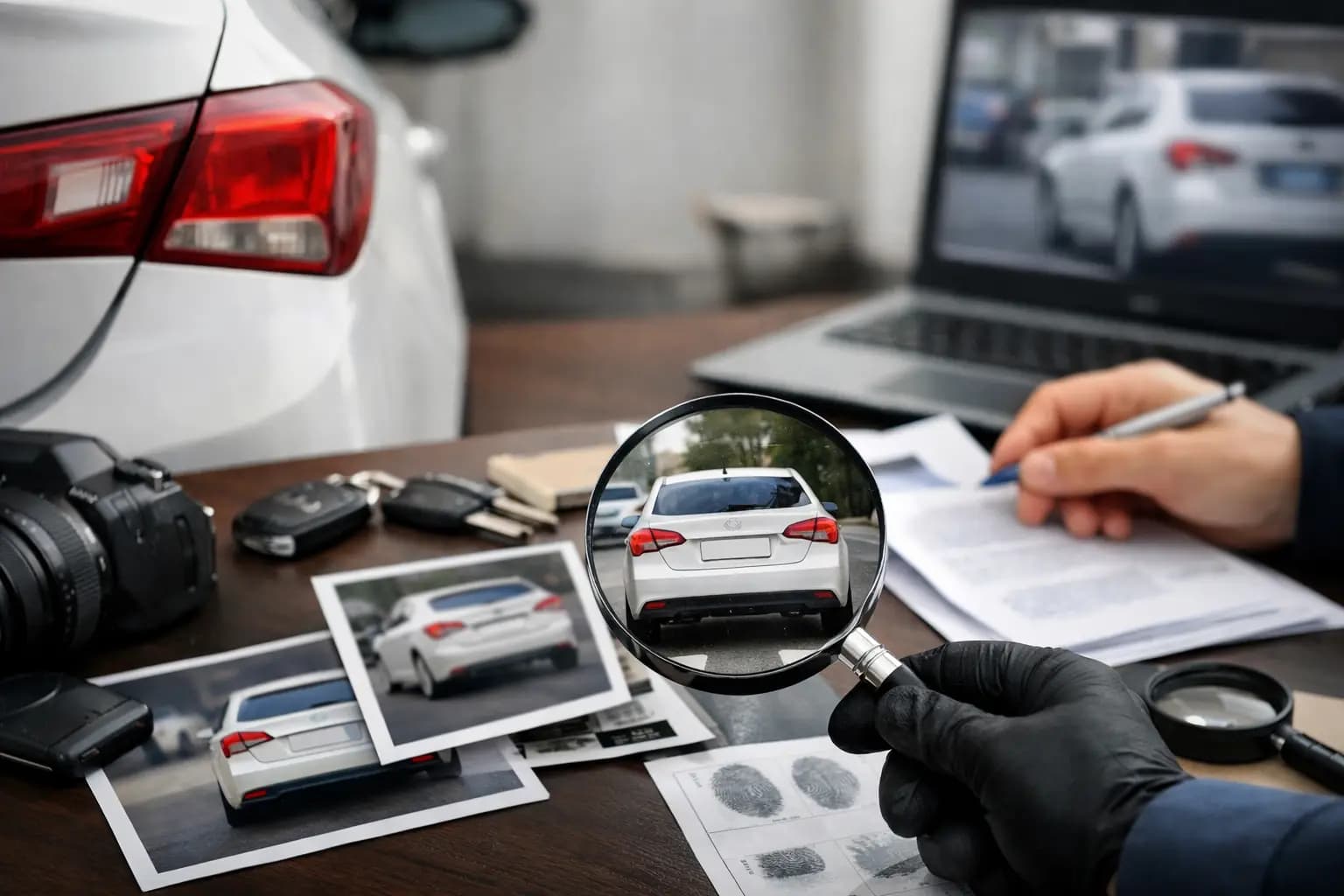
Ask for all available images if they have not been provided. Good-quality photographs often reveal the decisive difference: vehicle make, model, body shape, colour, grille, wheel design, roof rails, rear lights, stickers, damage, accessories or the placement and style of the plate itself. A registration mark may match while the vehicle plainly does not.
Build an evidence file that tells one clear story
Keep every document in one secure folder, with dates and filenames that are easy to follow. A decision-maker should be able to see the facts without searching through scattered screenshots and emails.
Your file should normally include:
- the original notice and every image supplied by the issuing body;
- current photographs of your vehicle from the front, rear and both sides, showing distinguishing features;
- a copy of your V5C registration certificate, where appropriate, and evidence of the vehicle’s make, model and colour;
- MOT, servicing, repair, fuel, parking, workplace or delivery records that help establish where the vehicle was at the relevant time;
- dashcam footage, home CCTV, telematics or fleet tracking data, if available;
- copies of reports made to the police, DVLA, insurers or relevant enforcement bodies, plus reference numbers and correspondence.
Evidence works best when it is specific. For example, a garage invoice showing your car was being repaired in Leeds on the date of an alleged camera offence in Birmingham may be highly useful. So might a timestamped image showing your vehicle parked at home, provided the image is genuine and its timing can be explained.
There will not always be a perfect record of your vehicle’s location. In that case, focus on visual mismatch. If the enforcement image shows a black hatchback and your registered vehicle is a silver estate with different rear lights and alloy wheels, say so plainly and attach comparative photographs. Do not alter images or speculate about details you cannot support.
Keep the vehicle’s identifiers clear
Your registration mark is only one identifier. The VIN, vehicle make and model, colour, MOT history and distinctive physical features all help establish the identity of your actual vehicle. Photograph unique marks such as dents, decals, tow bars, roof boxes or non-standard wheels. These details can be especially valuable if repeated notices are issued.
For fleets, assign a named person to retain telematics extracts, driver allocation records and vehicle inspection photographs. A fleet operator may need to respond to several notices quickly, and a standard evidence process prevents uncertainty from becoming administrative delay.
Report the suspected clone and create a record
Report suspected number plate cloning to the police through the appropriate reporting route. Explain that you have received an allegation or notice connected to a vehicle you do not believe is yours, and retain the crime reference number. The report creates an official record that you identified the issue and acted promptly.
You should also contact the body that issued the notice and provide the reference number once available. If the matter concerns a vehicle insurer, notify your insurer too, particularly if there is any indication of a collision, criminal incident or policy risk connected to the cloned registration.
The DVLA may need to be informed depending on the circumstances and the advice you receive. Keep communications factual. Give your registration mark, the dates of disputed incidents, a concise description of the vehicle discrepancy and copies of supporting material. Avoid sending original documents unless specifically required.
A police report does not automatically cancel a penalty or allegation. It supports your case, but the issuing authority may still need a formal challenge within its own deadline. Treat each correspondence stream separately and keep a log of who you spoke to, when, and what was agreed.
Use the right language in your challenge
A strong representation is short, factual and evidence-led. Confirm the notice reference, state that you are the registered keeper of the genuine vehicle, and explain that you believe the registration mark has been cloned. Identify the most obvious mismatch between the captured vehicle and your own, then list the enclosed evidence.
For instance: “The vehicle shown in the enforcement images is not my vehicle. My vehicle is a silver estate; the photographed vehicle is a black hatchback with a different rear-light configuration. I have reported suspected cloning to the police under reference [number] and enclose photographs and location evidence.”
This approach is more effective than a lengthy account of frustration, however justified that frustration may be. It makes it easier for the case handler to compare facts and record a decision. Keep a copy of everything submitted and request written confirmation of the outcome.
If a challenge is rejected but the evidence remains strong, review the stated appeal route and its deadline carefully. Some cases need independent advice, especially where an allegation involves criminal activity, repeated enforcement action or a potential court process.
Prevention makes future proof easier
Once a registration has been targeted, the risk is not necessarily over when one notice is cancelled. A copied plate can continue to be used, and future notices may arrive from different areas or agencies. Proactive monitoring gives you earlier visibility, while clear registration credentials make it easier to demonstrate that your vehicle identity is protected and traceable.
Protect A Plate uses proprietary tech and an encrypted global tracking database to support registration, detection, verification and instant alerts. The aim is simple: identify suspicious duplication activity early, preserve a security record and give the genuine vehicle owner a faster route to action.
This does not remove the need to keep your own documents current or respond to official correspondence. It does give security-conscious drivers, fleet operators and legitimate plate manufacturers an active layer of control rather than waiting for a fine, enforcement letter or damaging allegation to reveal the problem.
Your registration mark is part of your vehicle’s identity. Protect it, keep evidence organised, and treat the first unexpected notice as a signal to establish the facts quickly - before someone else’s actions become your administrative burden.