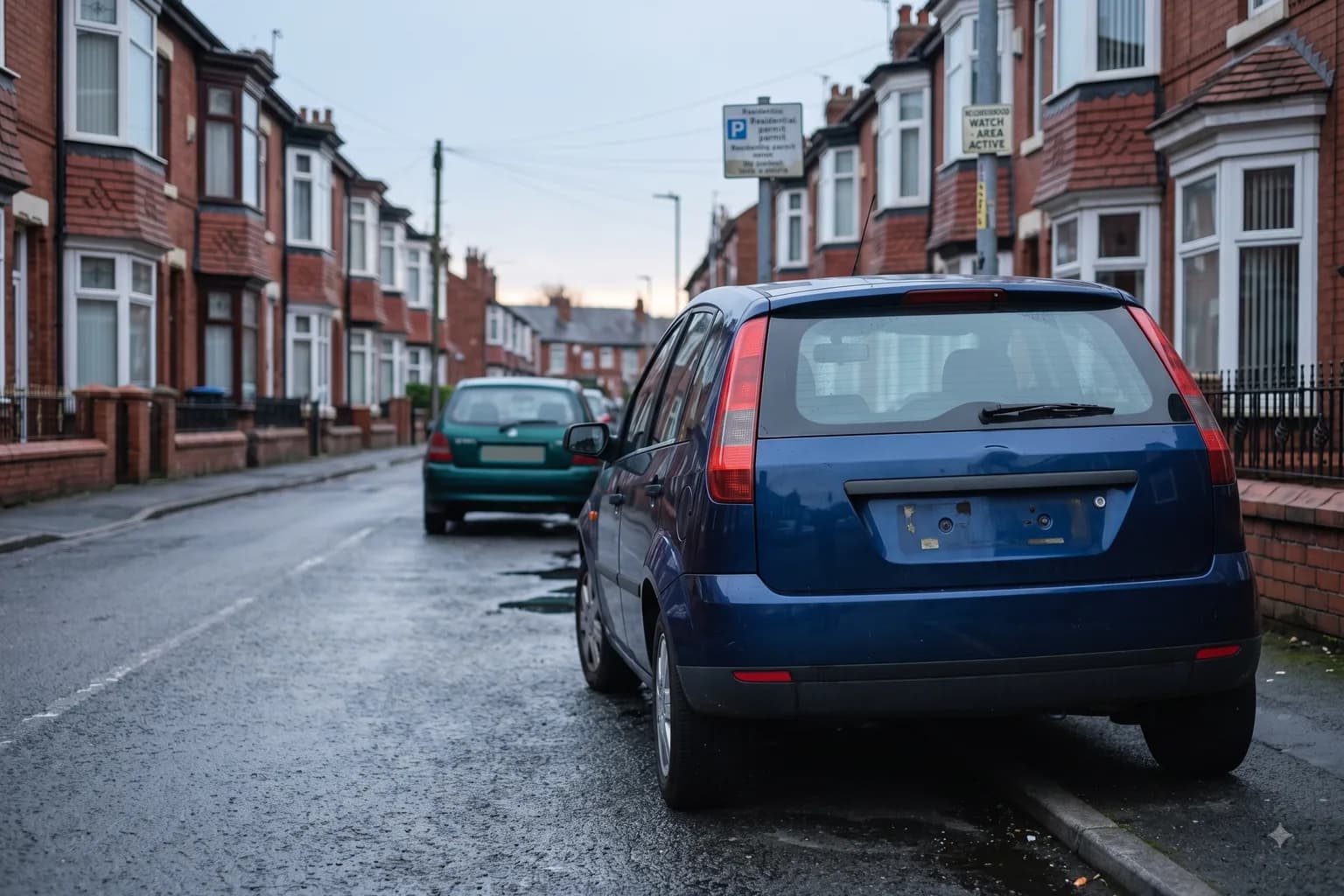
A parking fine for a place you have never visited is often the first sign that something is wrong. By then, the damage may already be moving through enforcement systems, insurance records and admin channels. If you are asking how to protect my number plate, the real issue is not the plate itself. It is your vehicle identity, and whether anyone else can copy it without you knowing.
Number plate cloning is not a minor nuisance. It can lead to penalty notices, congestion charges, toll demands, police attention and long hours spent proving that your vehicle was not where the records say it was. For private motorists, that means stress and wasted time. For fleets, it can mean repeated disruption across multiple vehicles, drivers and routes. Protection only works when it starts before the fraud happens.
Why drivers want to protect my number plate
A number plate is public by design. It is visible on the road, in car parks and on cameras. That visibility is exactly why it can be misused. Criminals do not need access to your keys or logbook to copy your registration. They only need to see it, reproduce it and attach it to another vehicle.
Once that happens, the consequences can escalate quickly. Automated systems may link offences to your registration before anyone questions whether the vehicle details match. Some cases are resolved fairly quickly, but many are not. It depends on the issuing authority, the evidence available and how early the cloning is detected. The longer it goes unnoticed, the harder it can be to contain.
That is why passive measures are no longer enough. Replacing a plate after fraud has happened may be necessary, but it does not stop the initial misuse. A security-led approach focuses on registration, detection and alerting. It creates a traceable identity around the plate and makes suspicious duplication easier to spot.
What number plate protection should actually do
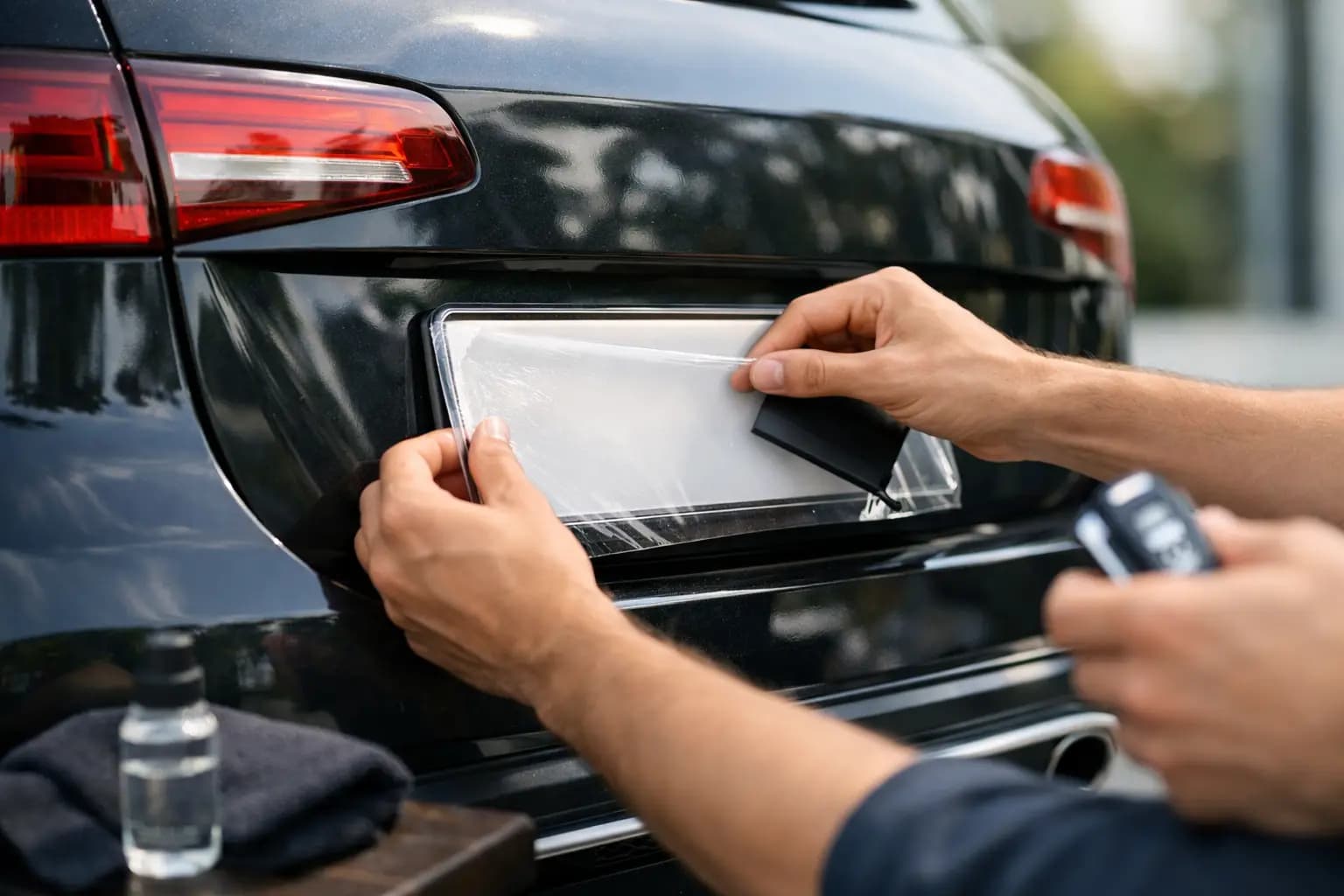
If you want to protect your number plate properly, you need more than a tougher fixing kit or a visual deterrent. Physical security still matters, especially if you are trying to stop theft of the plate itself, but cloning often happens without the original plate ever being touched.
Effective protection should do three things well. First, it should establish a verified record of your plate credentials in a secure system. Secondly, it should monitor for signs of unauthorised duplication or suspicious matching activity. Thirdly, it should alert you quickly enough to act before the issue spreads.
That combination matters because number plate fraud is both physical and digital. A criminal may fit copied plates to another vehicle, but the harm appears in databases, notices and official records. If your protection only covers the screws on the plate, it covers one part of the problem and leaves the rest exposed.
How to protect my number plate before problems start
The strongest position is always the earliest one. If your plate identity is registered before suspicious activity appears, there is a clearer basis for verification and investigation. Waiting until fines arrive puts you into a reactive process, and reactive processes are slower, more frustrating and often more expensive.
Start by treating your registration like an asset that needs active monitoring. Keep your vehicle documents accurate and secure. Be cautious about where your plate appears in public sales listings or informal online posts. If you run a business fleet, make sure vehicle records are centralised and current, because fragmented admin makes fraud harder to identify.
More importantly, use a dedicated protection system designed around detection and alerting. This is where specialist services have a clear advantage over general vehicle admin tools. A purpose-built platform can register your number plate within an encrypted global tracking database, monitor for suspicious activity and issue instant alerts by email, SMS or push notification. That shifts the balance from after-the-fact correction to early warning and control.
Protect my number plate with monitoring, not guesswork
Many drivers assume they will know if their plate has been cloned. In reality, they usually do not. There is rarely a visible warning. No one rings you in advance to say your registration has been duplicated. You find out when the consequences arrive.
Monitoring changes that. Instead of relying on chance, you create a system that checks for risk signals and flags them when they appear. That could mean suspicious duplication patterns, verification issues or plate status concerns that need immediate review. For individual motorists, that delivers reassurance. For fleets and plate manufacturers, it also creates operational oversight.
The key benefit is speed. Fast detection does not guarantee that every case disappears overnight, but it improves your position significantly. The earlier a suspected clone is identified, the sooner you can gather evidence, challenge notices and protect your record. Delay gives fraud room to spread across multiple incidents, which is exactly what you want to avoid.
The limits of physical plate security
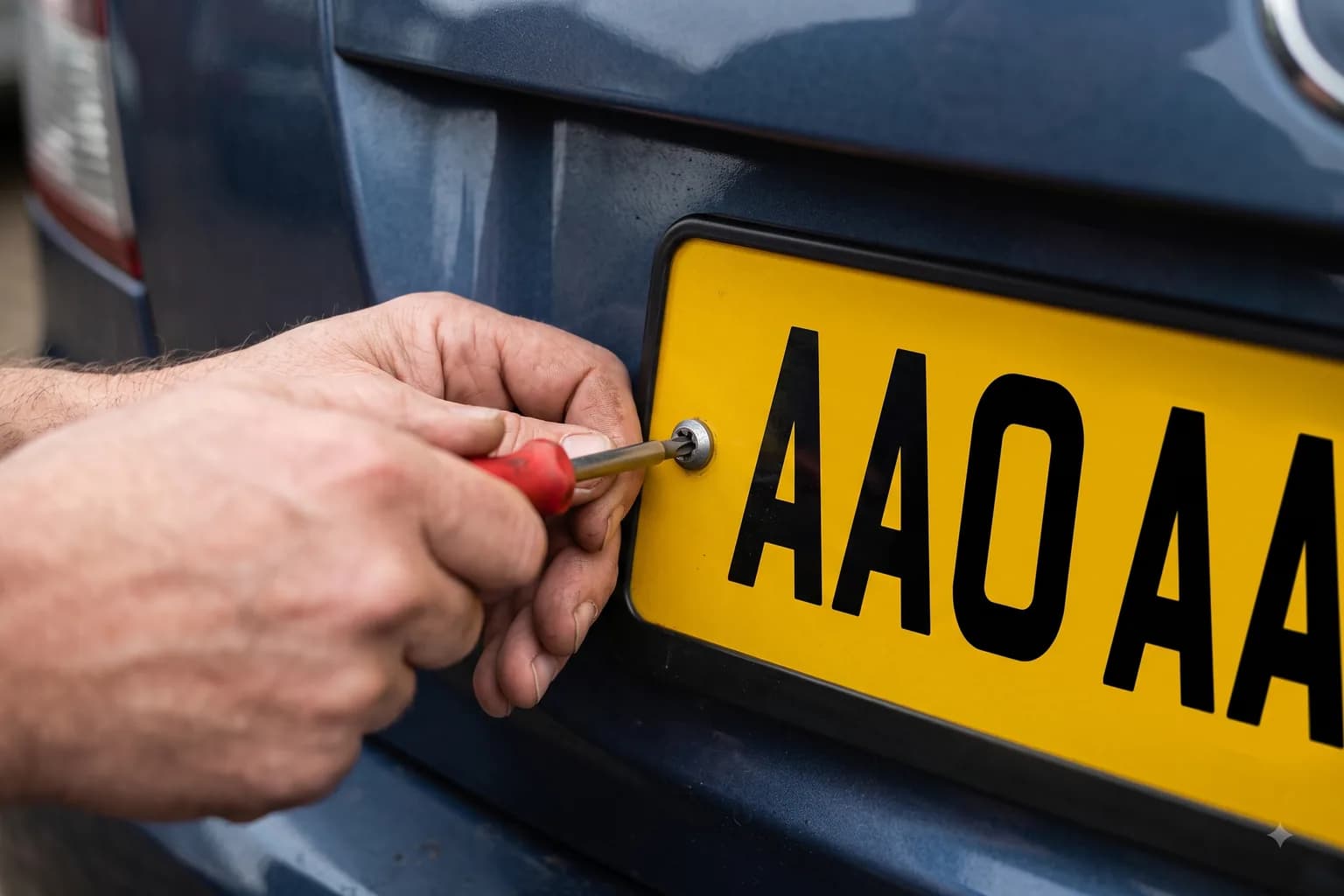
Tamper-resistant screws, anti-theft fittings and secure mounting have value. They can reduce the chance of someone stealing your actual plate from the vehicle. If your concern is opportunistic theft in a public car park, they are sensible precautions.
But physical security has limits. A cloned plate can be produced without removing yours at all. That is the gap many drivers overlook. They secure the plate on the bumper and assume the risk has gone away, when the real exposure is unauthorised duplication elsewhere.
The practical answer is layered protection. Secure the physical plate, yes, but back it up with registration, verification and monitoring. One without the other leaves blind spots. If you only harden the hardware, you still may not know when your identity has been copied.
Why fleets and plate manufacturers need a stronger system
For commercial operators, cloned plates create more than a one-off headache. They can disrupt driver schedules, admin teams, compliance checks and customer relationships. A single disputed notice can be managed. A pattern of cloned activity across a fleet creates cost, delay and reputational risk.
That is why fleet protection needs central visibility. A platform-based system allows registrations to be managed consistently, suspicious activity to be reviewed quickly and alerts to reach the right people without delay. It gives transport managers and vehicle administrators a more controlled response than piecing cases together from scattered correspondence.
Plate manufacturers also have a role. Secure registration workflows and verification support help strengthen the integrity of legal plate creation and distribution. If the supply chain has better controls, fraudulent duplication becomes harder to hide. This is not only a consumer issue. It is a wider identity-security issue across the plate ecosystem.
Choosing the right way to protect my number plate
The best option depends on your level of risk. A private owner with one family car may want reassurance and a fast route to detection. A business running vans or company cars will need broader oversight and a repeatable process. A manufacturer will need compliance, registration control and reliable verification tools.
What should not change is the standard you expect. Look for a system built specifically for number plate protection, not a generic add-on. It should offer secure registration, active monitoring, instant alerts and a clear way to verify status. If the service only becomes useful after fraud has already caused damage, it is not preventative enough.
This is where a specialist platform such as Protect A Plate stands apart. The model is clear - register the plate, detect suspicious activity and alert the right person immediately. That clarity matters because security works best when it is direct, fast and easy to act on.
A cloned number plate can trigger problems far beyond the road. It can reach your post, your insurer, your business operations and your peace of mind. The sensible response is not to wait for proof that something has gone wrong. It is to put your plate identity under protection early, so if a risk appears, you are not starting from zero.