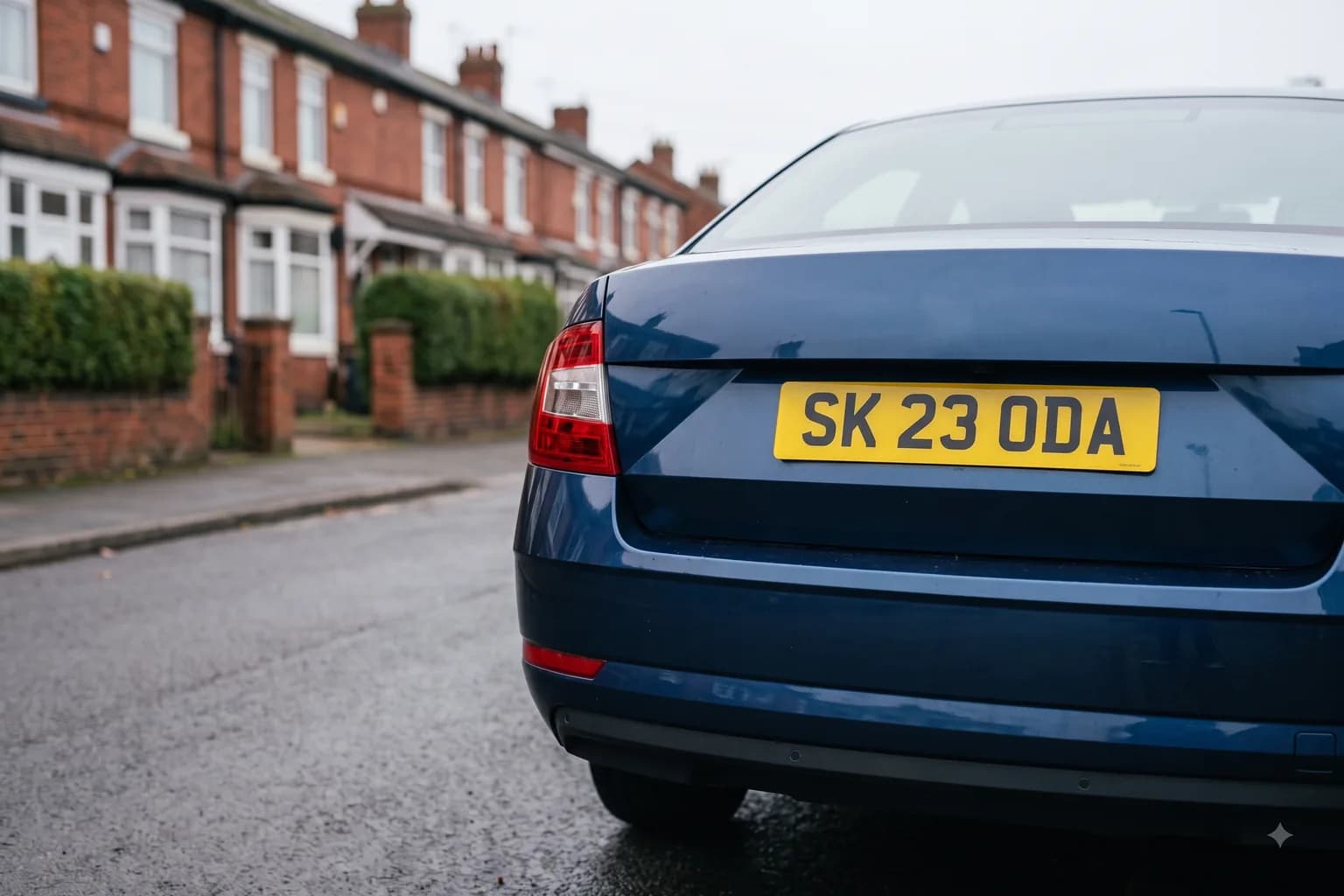
A cloned plate rarely announces itself politely. It usually appears as a speeding notice, a parking charge or a question you should never have to answer about a vehicle that was nowhere near you. That is where the plate verification tool vs DVLA question becomes more than a technical comparison. It becomes a security decision.
For many UK drivers, DVLA is the default source of vehicle information. That makes sense. It is official, familiar and widely used. But official does not always mean comprehensive for fraud prevention. If your concern is whether a registration exists and matches basic vehicle details, DVLA has a role. If your concern is whether your plate identity is being copied, misused or duplicated, you are dealing with a different problem entirely.
Plate verification tool vs DVLA - what is the real difference?
The simplest way to understand the difference is this: DVLA helps confirm vehicle record information, while a specialist plate verification tool is built to help identify plate-related risk.
DVLA services are designed around registration and licensing. They are useful for checking details such as tax status, MOT status and whether a registration matches a vehicle's make. That is valuable for buyers, sellers and vehicle owners who want to confirm official records.
A plate verification tool, by contrast, is focused on the security status of the plate itself. That means verification is not limited to whether a registration is on file. It can extend to whether a plate has been registered within a protected system, whether duplication concerns have been flagged, and whether suspicious activity may require action.
This is the point many drivers miss. A cloned plate can still belong to a real vehicle. In fact, that is usually the problem. The number is genuine. The misuse is not.
What DVLA is good at
DVLA remains important because it provides authoritative vehicle record data within its remit. If you want to confirm the basics of a registration against official records, it is the recognised reference point.
That makes DVLA useful in common situations. Someone buying a second-hand car may want to check that the vehicle details presented by a seller match the government record. A vehicle owner may want to confirm tax and MOT information. A fleet manager may want a quick administrative check before processing internal records.
Those are all legitimate uses. They support due diligence, compliance and basic confidence that a registration is tied to a known vehicle profile.
But that does not mean DVLA is a plate fraud detection service. It is not built as an active monitoring environment for cloned plate threats, alerting workflows or duplication prevention. If you expect it to behave like one, you are likely to find the gap only after damage has already been done.
Where DVLA stops
The limitation is not that DVLA lacks value. The limitation is that its purpose is different.
If a criminal duplicates your registration and fits it to another vehicle of similar make or model, a standard record check may still appear entirely normal. The registration may match a legitimate vehicle because it is your legitimate vehicle. That does nothing to tell you whether someone else is using the same identity on the road, at a fuel station or in front of an ANPR camera.
This is why cloned plate fraud is so frustrating for victims. Traditional checks can confirm that the plate exists, while still failing to reveal that the plate is being abused elsewhere. The fraud sits in the duplication and misuse, not necessarily in the core registration record.
For drivers dealing with unexplained fines or repeated enforcement notices, that distinction matters immediately. For fleets, it matters at scale. One compromised registration can create administrative waste, reputational issues and direct financial exposure.
What a specialist plate verification tool is built to do
A specialist plate verification tool is designed around a security-first logic. Instead of asking only, "Does this registration belong to a vehicle?" it asks, "What is the status of this plate within a protected verification system, and are there signs that need investigation?"
That shift changes the value of the check.
A specialist platform can support plate registration, secure credential storage, searchable plate status and alerting linked to suspicious duplication activity. In practical terms, that means moving from passive reference checking to active plate protection.
For a private motorist, that offers earlier visibility. For a business operating vans, cars or lorries, it creates control. For plate manufacturers, it supports a more secure registration workflow tied to authorised production and distribution.
This is where proprietary tech matters. If the system is built around encrypted tracking and verification rather than basic public record lookups, it can provide a stronger layer of defence against identity misuse.
Plate verification tool vs DVLA for cloned plate risk
If your main concern is cloned plate fraud, the plate verification tool vs DVLA comparison is not balanced in the way some people assume. They are not rival versions of the same service. They solve different problems.
DVLA can help validate official vehicle details. A plate verification tool can help determine whether the plate has a protected status and whether that status points to possible misuse. One is administrative. The other is defensive.
That distinction becomes critical once risk enters the picture. A cloned plate case tends to move quickly from irritation to consequence. Penalty notices arrive. Insurance conversations become awkward. Time disappears into evidence gathering and dispute handling. By the time you realise what has happened, the fraudster has already benefited from your vehicle identity.
That is why prevention matters more than replacement. Changing plates after repeated misuse is disruptive, but it is still a reactive step. A verification and alerting environment aims to reduce the window in which fraud can operate unchecked.
Who should rely on which option?
It depends on what you are trying to achieve.
If you are checking a vehicle before purchase, DVLA information is relevant. You want to confirm that the registration aligns with the vehicle details you have been given. That is a sensible first step.
If you are worried about your own registration being copied, or you manage multiple vehicles exposed to regular road use, a specialist plate verification tool is the more appropriate security measure. The same applies if you are a plate manufacturer that needs tighter control over plate creation, traceability and verification.
There is no conflict in using both. In fact, for many users the strongest position is layered. Use DVLA for official vehicle record confirmation. Use a specialist tool for registration protection, monitoring and alerting. The mistake is assuming one replaces the other.
The cost of relying on the wrong check
The real issue is not whether a DVLA check is useful. It is whether it is enough for the threat you face.
If you rely on a general record check to manage a security problem, you leave a blind spot. That blind spot can be expensive. Individual drivers may face stress, disputed penalties and damage to confidence in their own vehicle identity. Businesses can face operational delays, internal investigation time and repeated exposure across a fleet.
Security-led verification closes that gap by focusing on the plate as an asset that needs protection. That is a stronger position than waiting for a letter through the post and then trying to prove a negative.
Protect A Plate was built around this exact problem. The focus is not simply to tell you whether a registration exists, but to help secure it through registration, detection and instant alerting when suspicious activity needs attention.
Why active monitoring changes the picture
The difference between a database check and active monitoring is the difference between looking something up and defending it.
A static check gives you a snapshot. Active monitoring creates an ongoing security posture. That matters because cloning is not a one-off administrative mismatch. It is an abuse of identity that can repeat, spread and escalate if no one is watching for it.
For security-conscious drivers, this is the practical shift. You are not just checking facts after the event. You are putting controls around a vulnerable identifier before misuse spirals. That is a more disciplined way to manage number plate risk.
The right question, then, is not whether DVLA has value. It does. The better question is whether DVLA was ever meant to protect your registration from cloning. For that, you need a tool designed for verification in the security sense of the word, not just the administrative one.
If your plate matters enough to defend before problems start, choose the check that was built for that job.