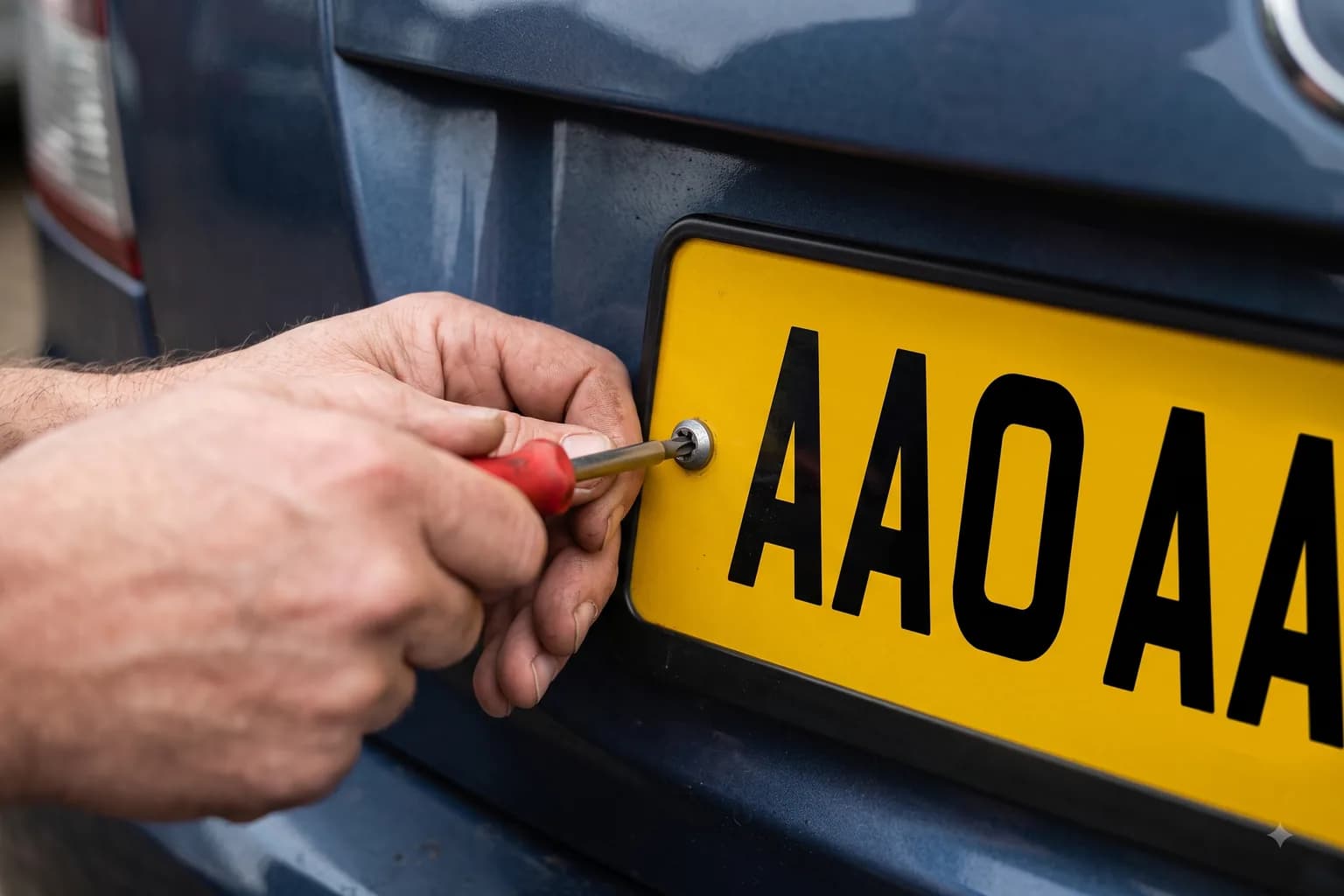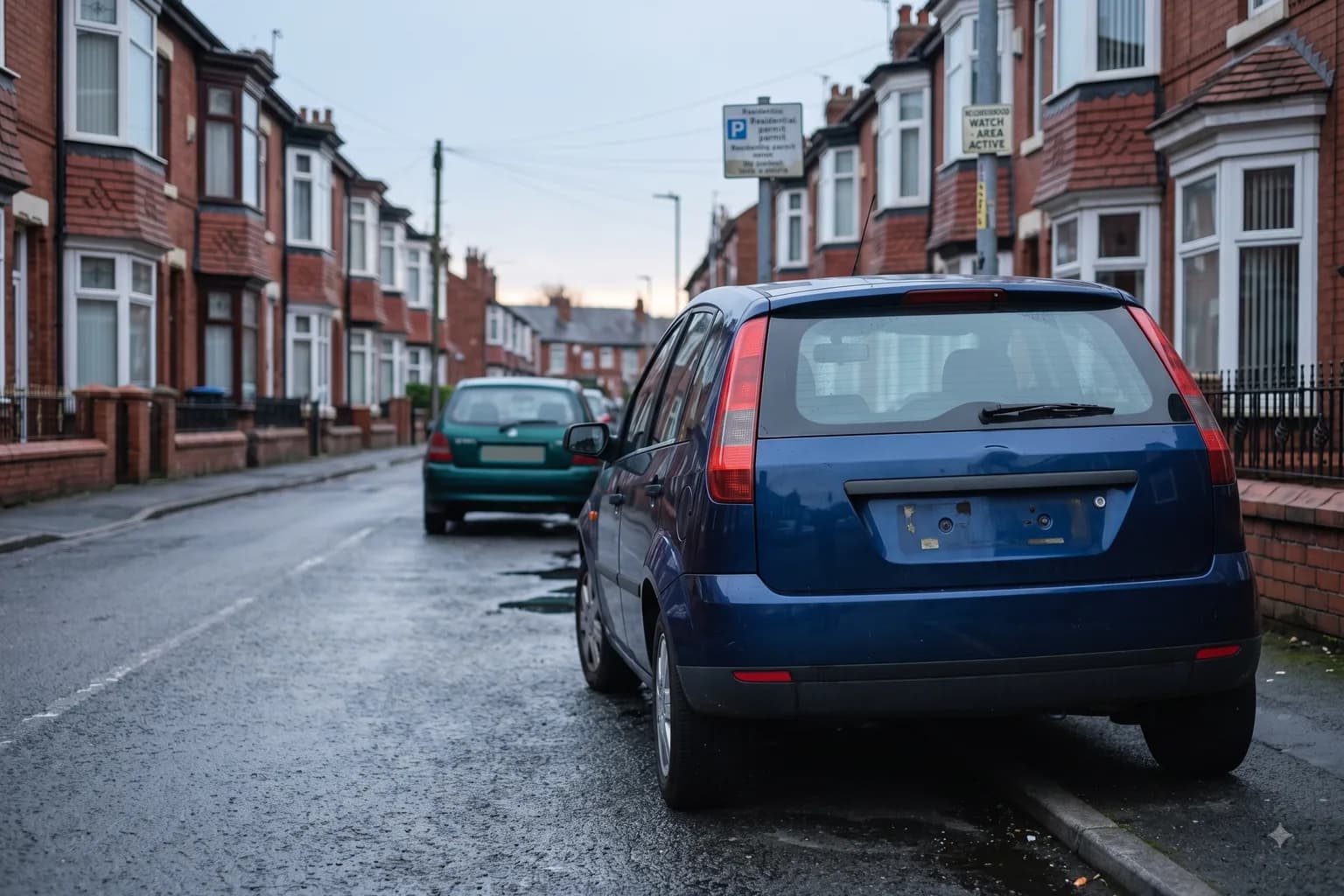
A cloned plate rarely announces itself politely. For most drivers, the first sign is a fine, a congestion charge, a parking notice or a police query linked to a journey they never made. That is why plate tracking vs replacement matters. One approach tries to detect misuse early. The other usually starts after the damage has already begun.
If you are deciding how to protect your vehicle identity, the real question is not simply which option exists. It is which option gives you control at the right moment. When number plate fraud can trigger financial loss, wasted time and serious stress, timing is everything.
Plate tracking vs replacement: the core difference
Plate replacement is reactive. It usually happens after a plate has been cloned, misused, damaged or flagged as compromised. You discover a problem, gather evidence, replace the physical plate and then deal with the administrative fallout.
Plate tracking is preventative. It is built around registration, monitoring, detection and alerting. Instead of waiting for suspicious activity to surface through a penalty notice, the plate is registered in a secure system designed to identify duplication risks and raise an alert as early as possible.
That difference sounds simple, but it changes the outcome. A replacement plate may give you a fresh starting point, but it does not stop a cloned identity from causing disruption before you act. Tracking is designed to narrow that gap.
Why replacement often comes too late
For many UK motorists, replacement feels like the obvious fix. If your registration has been copied, replacing the plate sounds practical. In some cases, it is necessary. If a plate is physically stolen, visibly altered or tied to confirmed fraud, replacement has a role.
The problem is that replacement usually begins after an incident has already touched your record, your post or your time. You may need to challenge notices, prove your location, contact authorities, speak with insurers or explain discrepancies to customers if you run a fleet. The cost is not only financial. It is operational and reputational too.
For commercial operators, the pressure is even sharper. One cloned plate attached to a van or company car can create repeated disruption across driver administration, compliance checks and customer confidence. By the time replacement starts, the business may already be managing the consequences.
This is the weakness of a replacement-first mindset. It assumes the key moment is after fraud is visible. In reality, the most valuable moment is before the misuse spreads.
What plate tracking actually does
Plate tracking is not just a digital record of ownership. Done properly, it is an active security process. The plate is registered into an encrypted tracking database and then monitored for signs that suggest duplication, misuse or unauthorised reproduction.
That matters because cloned plate fraud is not always obvious at first. A criminal does not need access to your vehicle. They only need your registration details displayed on the road or in a public setting. Once copied onto another vehicle, your identity can be attached to offences and charges without your knowledge.
A tracking system closes that blind spot. It gives the registered keeper or operator a mechanism for verification, status checking and instant alerting. If suspicious duplication activity is detected, action can start earlier. Earlier response means stronger evidence, less delay and a better chance of limiting escalation.
For drivers who want more than a replacement service, this is the practical shift. You move from passive ownership to active protection.
Plate tracking vs replacement for private drivers
If you own one car and use it for commuting, school runs or weekend travel, it is easy to assume plate cloning is somebody else’s problem. It is not. Private vehicles are exposed every day in car parks, on forecourts, outside homes and in traffic.
Replacement may still solve a visible issue, but it does little for the period before discovery. If a cloned version of your registration is used for parking offences, fuel theft or toll evasion, the first burden often falls on you. You must challenge, evidence and correct the record.
Tracking changes the balance. It gives private drivers a chance to spot trouble sooner and respond with confidence. That matters if you want to avoid the slow, frustrating process of proving where your car was not.
There is also peace of mind in knowing your plate status is not simply assumed to be secure. It is registered, monitored and supported by technology built specifically for this risk.
Plate tracking vs replacement for fleets and trade users
For fleets, the comparison is even clearer. A single cloned registration can affect scheduling, compliance administration and driver management. Multiply that risk across multiple vehicles and the exposure grows quickly.
Replacement can become a recurring admin exercise if it is treated as the primary defence. New plates must be issued, records updated and internal teams informed. That may solve a current incident, but it does not create a protective layer across the fleet.
Tracking is more scalable because it supports oversight. Vehicles can be registered within a central system, monitored consistently and flagged when suspicious activity appears. That fits the needs of fleet managers who value speed, transparency and control.
For plate manufacturers and authorised suppliers, the logic also holds. Secure registration workflows and verification processes help strengthen trust across the supply chain. If the goal is to reduce unauthorised duplication, relying on replacement alone is too narrow.
The trade-off: when replacement still matters
This is not a case of tracking good, replacement bad. Replacement still has a place. If a plate has been stolen, physically damaged, tampered with or linked to a confirmed compromise, replacing it may be the right operational step.
But replacement works best as part of a broader response, not as the whole strategy. It addresses the physical output. Tracking addresses the security problem behind it.
That distinction matters because number plate fraud is not only about the object on the vehicle. It is about the misuse of the registration identity itself. You can change the plate on the car, but if your approach does not include monitoring and verification, you are still relying on discovery after the event.
The strongest position is usually layered. Detect early, verify quickly and replace when required, rather than treating replacement as the first and only line of defence.
What UK drivers should ask before choosing either option
Before choosing between plate tracking and replacement, ask a few direct questions. When will I know there is a problem? How quickly can I respond? What evidence will I have if my registration is misused? And does this solution reduce risk before fines and enforcement notices arrive?
Those questions cut through marketing language. A replacement service may solve a physical issue efficiently, but if it offers no meaningful detection capability, it leaves a serious gap. A proper tracking system is designed to close that gap by giving motorists earlier visibility and faster response.
That is especially important in a market where cloned plates can create legal, financial and administrative pressure long before a driver understands what has happened.
Why prevention is the stronger long-term answer
Reactive fixes feel tangible because they produce a visible result. You get a new plate. The task looks complete. But vehicle identity fraud does not respect that neat timeline. The real damage often begins earlier and unfolds elsewhere, through notices, databases and enforcement systems.
Prevention is stronger because it reflects how the threat actually works. If cloning is fast, hidden and capable of spreading consequences across multiple channels, then the defence must be fast, visible and connected. That is exactly why security-led systems are leading the way.
Protect A Plate is built around that principle. Registration, detection and instant alerting are not extras. They are the operational core of a modern response to plate fraud.
For most UK drivers, plate tracking vs replacement is not really a choice between two equal methods. It is a choice between finding out late and knowing sooner. If your registration is part of your vehicle’s identity, it deserves the same level of protection as any other security asset.
The smartest move is not waiting to replace what has already been compromised. It is putting your plate in a position where suspicious activity has a far better chance of being seen before it turns into a bigger problem.