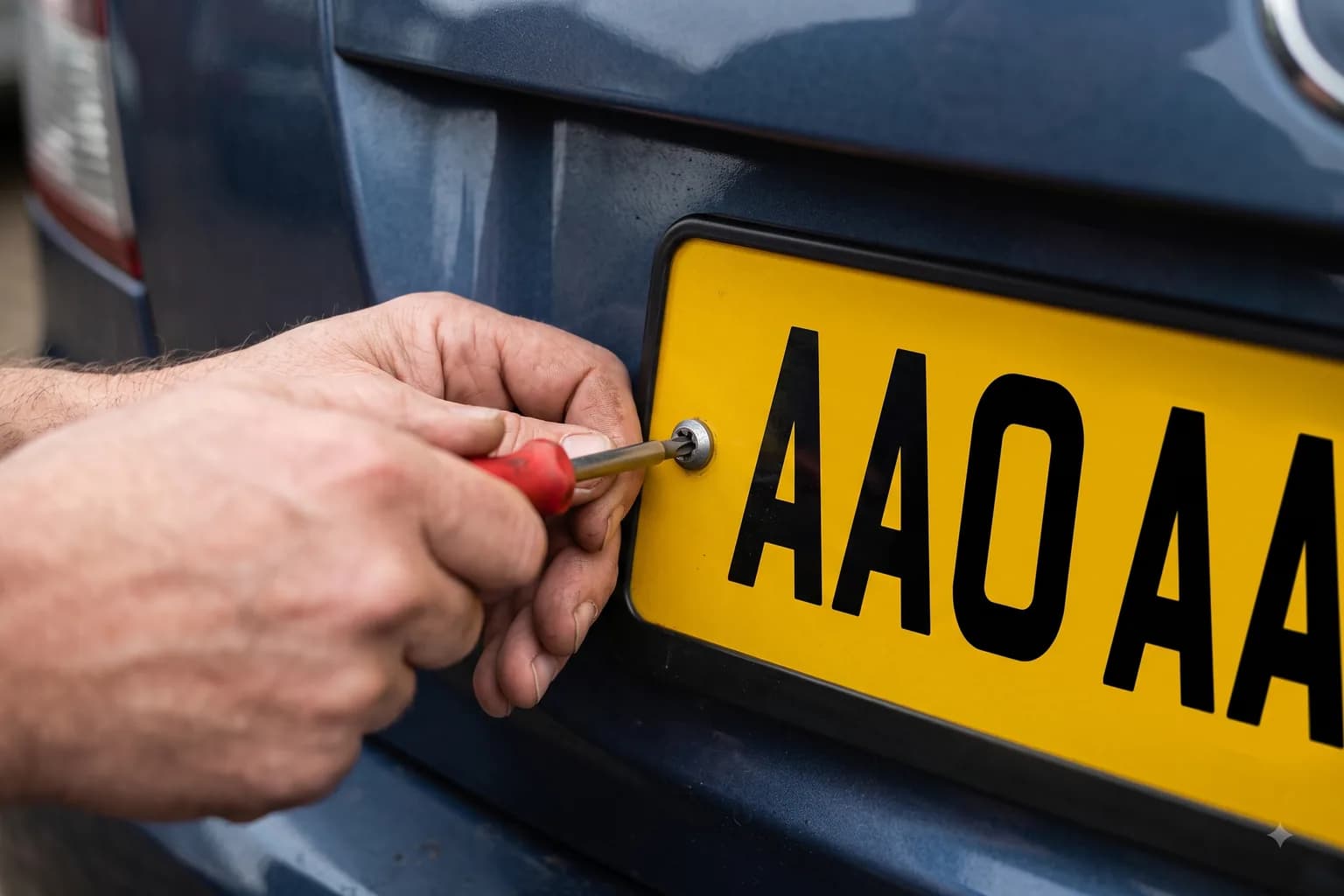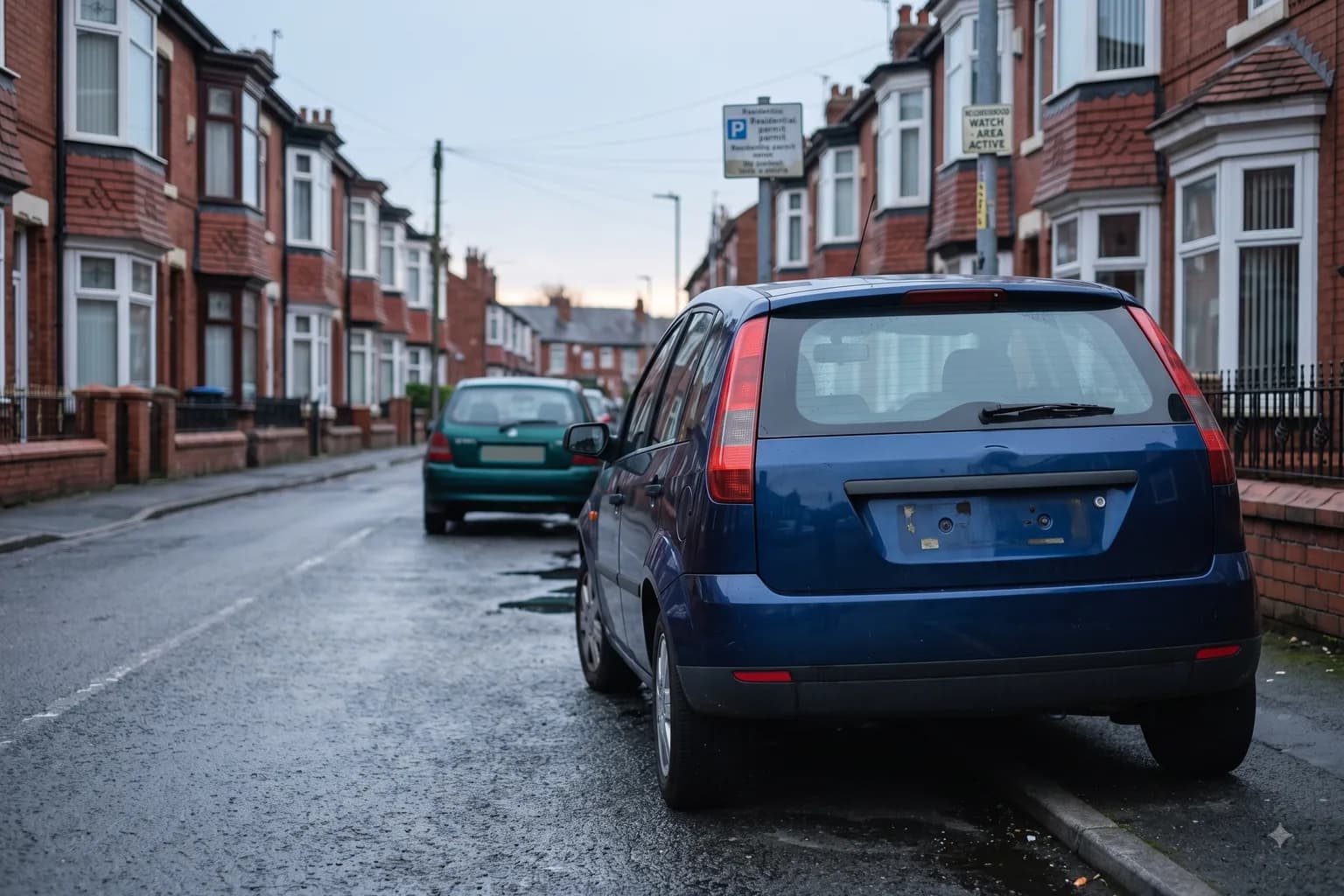
A cloned number plate rarely announces itself politely. It shows up as a parking charge from a town you have never visited, a penalty notice for a road you did not drive, or a police enquiry that lands without warning. That is why a plate protection service review matters now. If your registration is your vehicle’s identity, leaving it unmonitored is a risk many drivers only recognise after the damage is done.
For UK motorists, the problem is not theoretical. Plate cloning can lead to fines, enforcement action, insurance complications and hours spent proving where your vehicle was not. For fleet operators, the exposure is broader. One duplicated plate can create operational disruption, reputational pressure and unnecessary admin across multiple teams. A proper protection service is not just about replacing plates or reacting to fraud after the event. It is about preventing misuse, detecting suspicious activity early and verifying plate status with confidence.
Plate protection service review - what actually matters
Most reviews in this space fail because they focus on the surface. They ask whether a service is easy to use or whether sign-up is quick, but they miss the real test. A plate protection service should be judged on whether it gives vehicle owners meaningful control over a specific and growing fraud risk.
The strongest services are built around three functions: registration, detection and alerting. Registration matters because it creates a recorded, secure identity for the plate. Detection matters because fraud is rarely visible until it triggers a consequence. Alerting matters because delayed awareness gives cloned plate activity more time to spread into fines, disputes and official correspondence.
That sounds simple, but the trade-offs are real. A basic database entry may give you a record of ownership, yet that alone does not actively protect you. An alerting system may sound impressive, yet if the detection layer is weak or verification is unclear, the alerts can create noise rather than certainty. The best approach is a joined-up platform where encrypted registration data, suspicious activity monitoring and fast notification work together.
What a strong plate protection service should include
A credible service begins with secure registration. If a provider cannot clearly explain how plate credentials are stored, verified and protected, that is a concern from the outset. You are dealing with identity-linked vehicle data, so security architecture is not a marketing extra. It is the service.
The second requirement is active monitoring. This is where many traditional approaches fall short. Replacing a plate after theft or advising drivers what to do after receiving a penalty notice is reactive support, not proactive defence. A true protection platform should monitor for signs of unauthorised duplication or suspicious matching activity before the issue develops into a larger legal or financial problem.
Then there is alerting. Speed matters. Email, SMS and push notifications each serve a purpose, especially for drivers who are not always at a desk and for fleets that need immediate visibility across vehicles. If the service waits for manual checks or relies on periodic updates, the response window narrows. Real-time or near real-time alerts are far more useful when every day of delay can generate more notices and more confusion.
Verification tools also deserve close attention. A searchable plate status function gives drivers, administrators and approved supply-chain users a practical way to confirm legitimacy. That has value well beyond convenience. It strengthens transparency, supports due diligence and reduces uncertainty when something does not look right.
The difference between passive support and active defence
This is where a plate protection service review becomes more than a feature checklist. Not all services are trying to solve the same problem.
Passive support services help after fraud has happened. They may assist with replacement plates, guidance on reporting issues or general admin once cloning is suspected. That support has its place, but it still leaves the driver carrying most of the burden. You are reacting to damage already in motion.
Active defence services are built differently. They treat number plate security as an identity protection issue that should be monitored continuously. That changes the customer experience. Instead of waiting for a fine to arrive and then collecting evidence to challenge it, the aim is to detect suspicious activity early and trigger action fast.
For security-conscious drivers, that distinction matters. For commercial operators, it matters even more. A fleet cannot afford to discover cloned plate issues through scattered post, inconsistent staff reporting and delayed investigations. Prevention and rapid response are operational advantages, not just security benefits.
Plate protection service review for private drivers and fleets
Private vehicle owners usually want one thing above all else - reassurance backed by action. They do not want to become experts in number plate fraud. They want to know that if their registration is copied or misused, there is a system in place to spot the problem quickly and help them respond before it spirals.
For that audience, ease of registration, clear alerts and trusted verification are critical. So is confidence that the provider understands the consequences of cloning in the real world. A useful service should reduce uncertainty, not add more process than the problem itself.
Fleet operators need the same core protection, but at a different scale. They require oversight, consistency and speed. A good platform should support administration across multiple vehicles without turning plate security into a manual burden. It should also recognise that fleets face compound risk. One cloned plate is a problem. Several across a larger vehicle base can become a compliance and reputational issue very quickly.
There is also a supply-chain dimension that many reviews ignore. Plate manufacturers and authorised providers benefit from secure registration workflows and a clearer verification framework. That strengthens trust across the ecosystem, which is important because weak points in the chain often create opportunities for misuse.
Where specialist technology makes the difference
A serious service should not rely on generic admin tools dressed up as protection. The category needs proprietary tech designed around automotive identity risk. That means encrypted handling of registration data, structured monitoring logic, rapid alert delivery and reliable status verification within one controlled environment.
This is where specialist providers stand apart. A centralised platform can do more than store records. It can connect registration, detection and response into a single security process. That gives users visibility and control rather than fragmented information.
Protect A Plate fits that model because it approaches number plate security as an active defence problem. Its encrypted global tracking database, instant alert capability and searchable plate status tool are aligned with what drivers and commercial users actually need - not just a record, but an early warning system. That is a stronger proposition than waiting for external agencies or post-event admin to reveal that something has gone wrong.
Still, no service should be judged on claims alone. The practical question is whether the platform reduces risk exposure in a way that is clear, timely and manageable. If it does, the value is obvious. If it merely adds another account to manage without improving detection and response, the service is not doing enough.
What to look for before you sign up
A worthwhile provider should explain its process without ambiguity. How is the plate registered? What triggers an alert? Who can verify status? How secure is the underlying data environment? If those answers are vague, confidence should be low.
You should also consider how the service fits your usage. A private driver may prioritise straightforward onboarding and immediate notifications. A fleet manager may need administrative controls and visibility across multiple registrations. A plate manufacturer may focus on compliance support and secure workflow integration. The right service is not identical for every user, but the underlying requirement is the same - proactive protection with dependable response.
Price matters, but so does context. A cheaper service that only helps after cloning has created fines and disputes may cost more in time and stress than a specialist platform that detects issues earlier. The right comparison is not subscription fee versus no fee. It is controlled prevention versus unmanaged exposure.
The most sensible standard for any plate protection service review is simple. Does it help you stay ahead of fraud, or does it only help you tidy up afterwards? That single question cuts through most of the noise.
Number plate cloning is not a niche irritation. It is a direct threat to vehicle identity, driver confidence and operational control. If a service can register your plate securely, detect suspicious duplication and alert you fast enough to act, it is doing a job worth paying attention to. And if it gives you that protection before the first fine lands on the doormat, it has already proved its value.