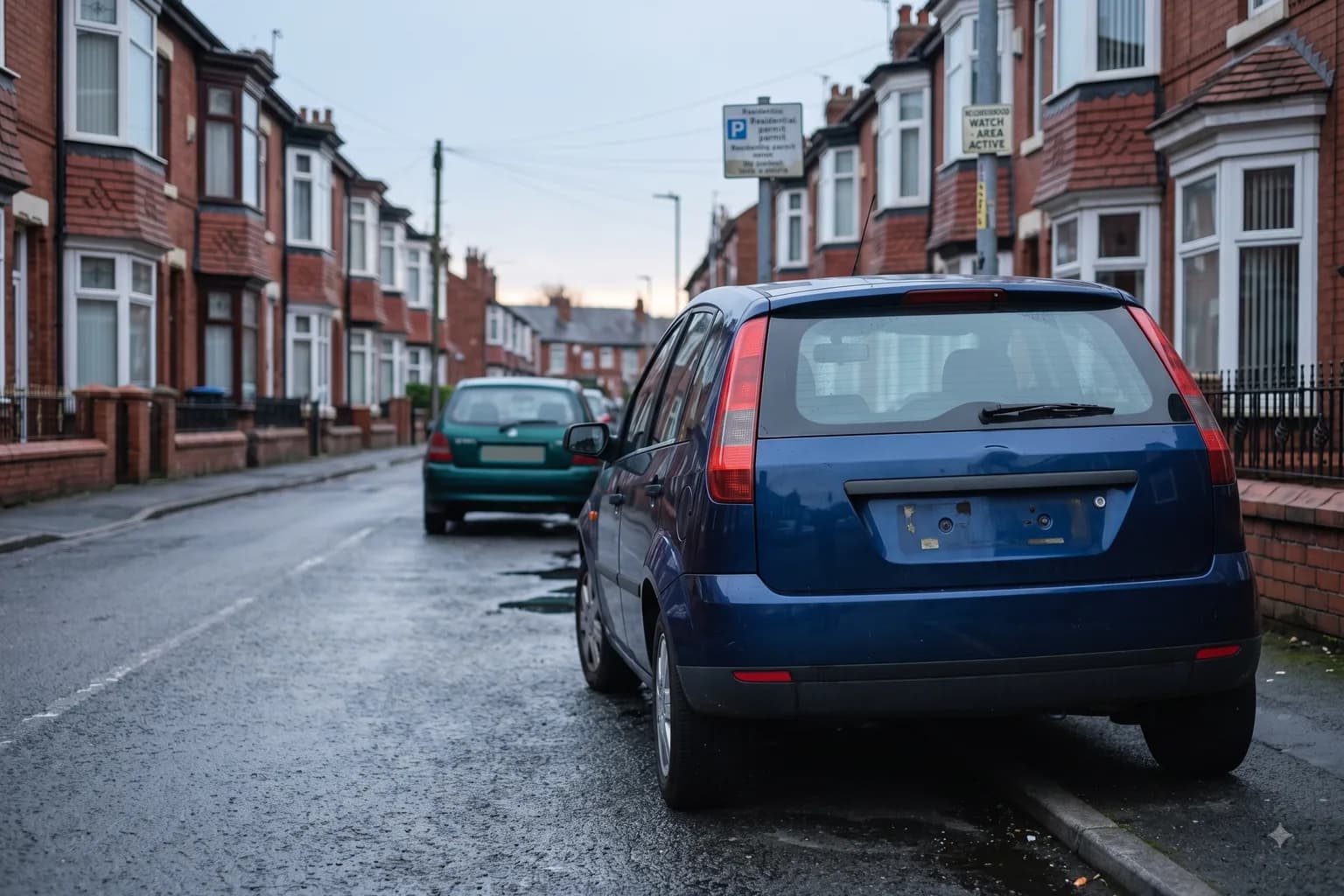
A cloned registration can create problems long before you see the first penalty notice. That is the central difference in plate monitoring vs replacement: one approach is designed to identify suspicious activity early, while the other begins after misuse has already affected you.
For UK drivers, fleet operators and legitimate plate suppliers, number plate security is not simply about having a physical plate fitted correctly. It is about protecting a vehicle identity that can be copied, used on another vehicle and connected to speeding fines, parking charges, clean-air zone penalties or more serious criminal activity. Replacement has a role, but it should not be mistaken for prevention.
Plate Monitoring vs Replacement: The Core Difference
Plate replacement is reactive. Once cloning is suspected or confirmed, the registered keeper may need to contact the relevant authorities, dispute notices, gather evidence and apply for a replacement registration mark or plates where appropriate. This can be necessary, but it does not remove the stress, administration or uncertainty created by the original misuse.
Plate monitoring is proactive. It creates a record of legitimate plate credentials, watches for potential duplication activity and alerts the vehicle owner when something appears wrong. Instead of waiting for an enforcement notice to land through the letterbox, the driver has an earlier opportunity to investigate, document concerns and act.
The distinction matters because a cloned plate is often used precisely to make another vehicle appear legitimate. The offending driver may rely on the fact that cameras, car parks and enforcement systems will initially identify the innocent registered keeper. By the time a replacement is considered, the misuse may have happened repeatedly.
Why Replacement Alone Leaves a Gap
A replacement plate can be the right response after confirmed fraud, damage or loss. It may also be part of a wider process where the DVLA issues a new registration mark. However, changing the plates on your own vehicle does not automatically resolve every historic allegation connected to the old registration.
You may still need to challenge notices issued before the change. You may need to demonstrate that your car was elsewhere at the time of an alleged offence, provide photographs, retain correspondence and explain the cloning risk to multiple organisations. For a business with several vehicles, the administrative burden can grow quickly.
There is also a timing problem. A replacement decision normally follows a visible sign of fraud: an unexpected fine, a congestion or clean-air charge, a report from police, or a notice showing a vehicle that is clearly not yours. That evidence is useful, but it means the incident has already travelled through an enforcement system.
Monitoring aims to close that gap. It is not a guarantee that no criminal will ever attempt to clone a registration. No security measure can honestly promise that. It gives you a stronger position by establishing legitimate credentials, identifying suspicious duplication signals and supporting rapid response when vehicle identity is at risk.
What Active Plate Monitoring Looks Like
Effective plate monitoring is built around three actions: registration, detection and alerting. Each has a practical purpose.
First, the vehicle and plate credentials are registered in a secure system. This creates a verified reference point for the number plate and its owner. For plate manufacturers, secure registration workflows can also help strengthen the chain between legal production and legitimate use.
Next comes detection. Proprietary technology and an encrypted tracking database can be used to identify activity that may indicate an unauthorised duplication attempt or a status issue requiring attention. A searchable plate-status process adds another layer of control, helping legitimate parties verify whether a registration is protected or subject to concern.
Finally, alerts matter because security information has limited value if it arrives too late. Instant notifications by email, SMS or push alert enable the registered user to review the issue promptly. That speed can help preserve evidence, support a report and prevent a small concern from becoming a long-running dispute.
Protect A Plate is designed around this security-led model: register legitimate credentials, monitor for suspicious activity and receive an alert when action may be required.
The Financial and Legal Cost of Waiting
Cloning fraud is often discussed as an inconvenience. For many drivers, it is more than that. A single incorrect parking charge may be straightforward to challenge. Several notices from different locations, repeated camera-detected offences or an allegation linked to a vehicle you have never seen can take considerable time to untangle.
The immediate cost may include fines, appeals, calls, letters and time away from work. The less visible cost is the pressure of proving that you were not responsible. A driver who has done nothing wrong can still be asked to produce evidence of their vehicle's location, appearance or use on particular dates.
Fleet operators face an additional exposure. A wrongly attributed incident can disrupt vehicle records, driver schedules and customer commitments. It can also consume time across operations, compliance and finance teams. Monitoring gives fleet managers a centralised way to strengthen oversight instead of relying solely on a driver noticing a letter after the event.
For plate manufacturers, secure processes are equally important. Fraud prevention is not only about the motorist at the end of the chain. It starts with responsible production, clear registration and systems that make unauthorised duplication harder to conceal.
When Replacement Is Still the Right Move
Monitoring and replacement are not competing remedies in every case. They serve different stages of the problem.
Replacement may be appropriate where the registration mark has been persistently compromised, where police or the DVLA advise a change, or where evidence shows ongoing misuse that cannot be resolved through correspondence alone. Physical plates should also be replaced if they are damaged, unreadable or non-compliant.
But replacement should sit within a wider response. Keep copies of all notices and challenge them within the stated deadline. Photograph your vehicle clearly, including its registration plates, make, model, colour and any distinguishing features. Retain evidence of where the vehicle was at the relevant time, such as work records, parking receipts, service invoices or dashcam footage where available.
If criminal activity is suspected, report it through the appropriate police channel and notify the issuing authority for each penalty or notice. Do not pay an allegation simply to make it disappear if the vehicle shown is not yours. Payment can complicate the position and may close off routes for challenge.
Choosing Prevention for the Vehicle You Drive Now
The question is not whether a replacement plate can help. It can. The better question is whether you want your first warning of cloning to be a fine, a legal notice or a police enquiry.
Drivers who value control should treat their registration mark as a protected part of the vehicle's identity. Register it, monitor it and make sure alerts reach the right person quickly. This is particularly relevant if you commute regularly, use your vehicle for business, manage a fleet or depend on your car every day.
A monitoring service also provides a clearer route when concerns arise. Rather than starting from zero and trying to explain why an offence cannot be yours, you have a security record, a defined alert process and a reason to act promptly. That does not replace good record keeping, but it strengthens it.
The Stronger Position Is the Earlier One
Number plate replacement deals with the aftermath. Plate monitoring is about reducing the time between suspicious activity and informed action. For a fraud risk built on mistaken identity, that time can make a meaningful difference.
Protect your vehicle identity before someone else tries to use it. The most reassuring notice is not the one you successfully appeal - it is the alert that gives you a chance to respond before the problem grows.