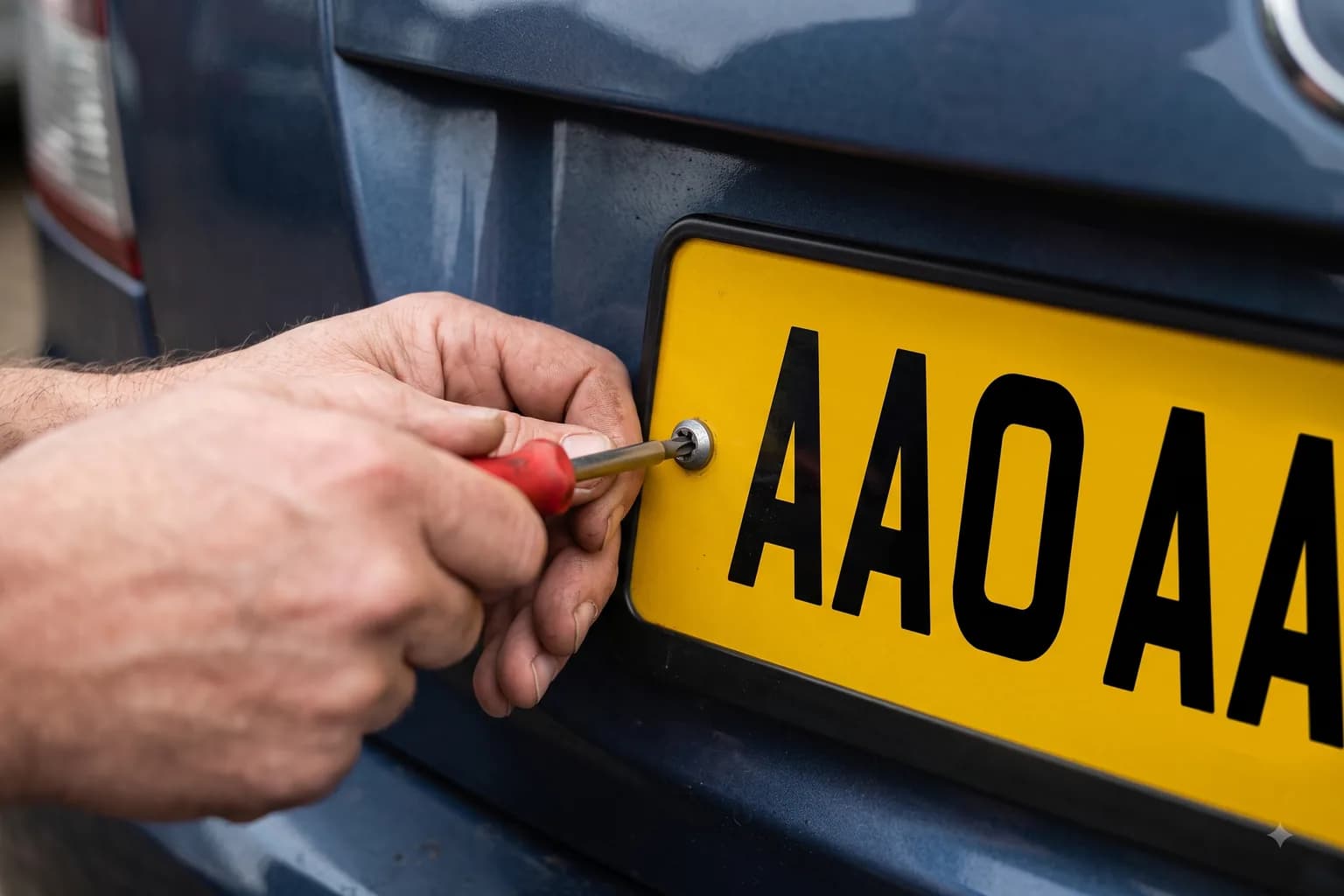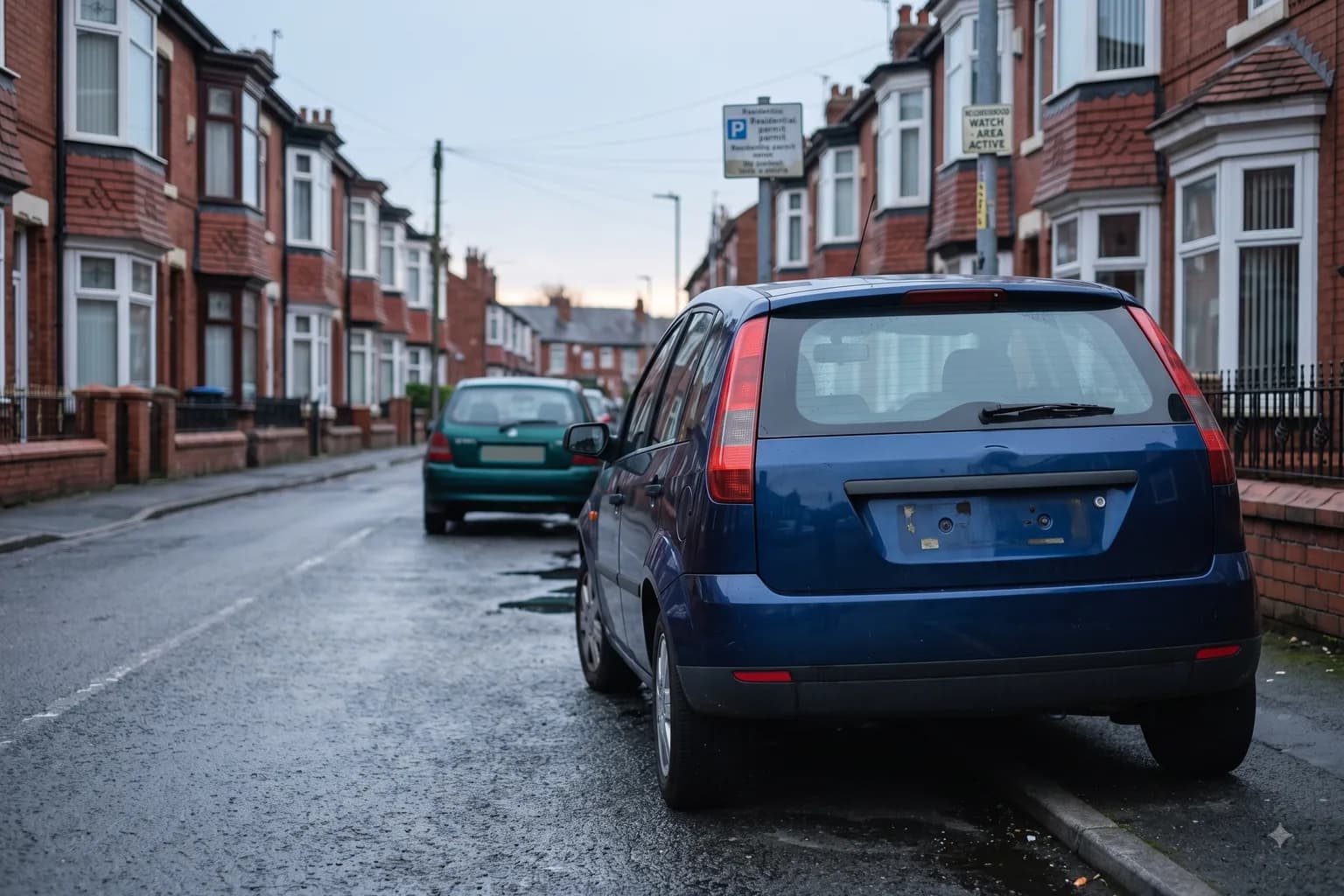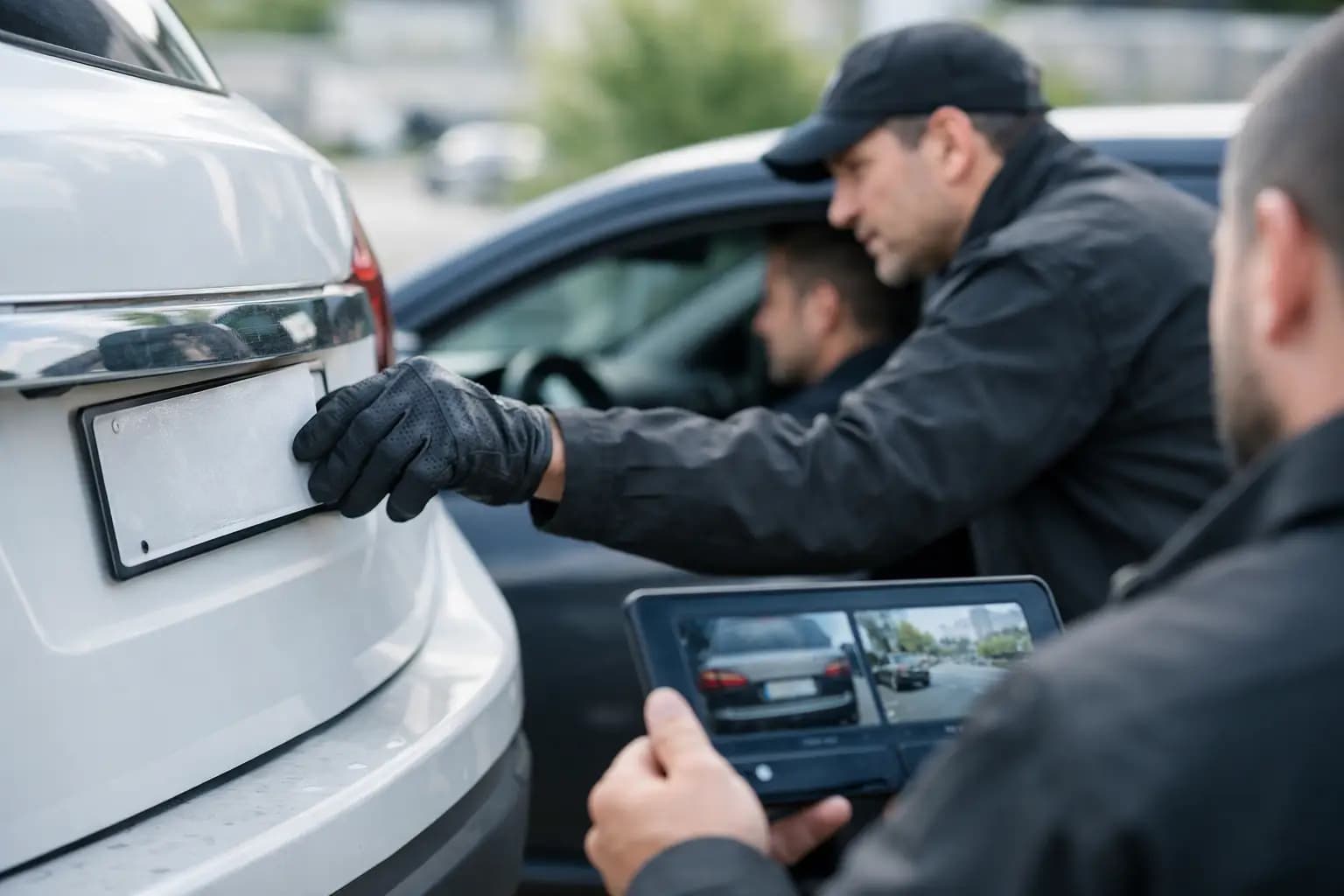
One police letter, one unpaid charge notice or one false allegation can be all it takes to realise your registration mark is no longer just a plate on your vehicle - it is your vehicle’s identity. A plate cloning prevention service exists to stop that identity being copied, misused and left to cause damage in your name.
For many drivers, plate cloning only becomes visible after the harm is already done. A speeding notice arrives from a place you have never visited. A congestion charge appears for a journey you did not make. In more serious cases, cloned plates are linked to criminal activity, and the burden of proving your innocence lands on you. That is exactly why a preventative model matters. Waiting for replacement plates after the event is not a security strategy. It is damage control.
What a plate cloning prevention service actually does
A genuine plate cloning prevention service is built around three functions: registration, detection and alerting. The first step establishes a verified record of the plate and the vehicle details connected to it. That information is then secured within an encrypted tracking database designed to monitor for suspicious duplication activity. If irregular use or matching plate data appears where it should not, the system flags it and triggers an alert.
That matters because number plate fraud is rarely obvious at street level. A cloned plate can be fitted to a similar vehicle, used in a different region, or circulated quickly enough that the real owner has no reason to suspect a problem until enforcement action follows. By then, timelines are harder to reconstruct and evidence is harder to gather.
Prevention changes the sequence. Instead of discovering fraud through penalties, you receive an early warning through email, SMS or push notification. That gives you time to verify, document and respond before a cloned plate causes wider financial or legal disruption.
Why reactive protection is not enough
Standard responses to cloning tend to start too late. Drivers are often told to report the issue, contact the relevant authorities and replace their plates if necessary. Those steps can be necessary, but they do not prevent the original misuse. They come after the risk has already materialised.
The trade-off is simple. Reactive action may help resolve a case, but proactive monitoring helps reduce the window in which fraud can operate. For a private motorist, that can mean avoiding weeks of correspondence and stress. For a fleet operator, it can mean stopping reputational damage and operational confusion across multiple vehicles.
There is also a practical point that often gets missed. Plate cloning does not only affect owners after a crime. It creates uncertainty around proof. If your registration appears somewhere it should not, the question is no longer just what happened. It is whether you can demonstrate quickly that your vehicle was elsewhere, and whether there is a verifiable status trail attached to your plate.
How detection and alerts reduce the damage
Speed matters. The earlier a suspicious duplication is identified, the stronger your position becomes.
A security-led service uses proprietary tech to monitor registration-related activity against registered vehicle data. When a mismatch or suspicious pattern appears, the system can generate an instant alert. That does not solve every case automatically, but it gives the registered keeper a critical head start. You are no longer relying on delayed notices from third parties. You have visibility and you have time.
This is particularly valuable when the cloned plate is being used repeatedly. A single false notice is disruptive enough. Multiple notices from different locations can quickly become a serious administrative burden. Early alerts help contain that spread and support a faster response.
It is worth being realistic here. No platform can guarantee that cloning attempts will never happen. The stronger claim is that active monitoring, verification tools and rapid alerting make successful misuse harder to sustain and easier to challenge. That is the difference between security theatre and operational protection.
Plate status verification gives drivers control
One of the strongest features in a modern prevention platform is a searchable plate status tool. On the surface, that may sound simple. In practice, it is a control layer.
If a plate’s status can be checked against a centralised, encrypted database, that creates a reference point for verification. For drivers, it supports confidence that their registration has been properly recorded and monitored. For administrators and authorised stakeholders, it adds a structured way to review and validate plate records when concerns arise.
That kind of control is useful because plate fraud is not just about one false copy. It is about uncertainty across the supply chain. If duplicate manufacturing, unauthorised reproduction or suspicious registration activity takes place, a proper verification framework helps expose the issue faster.
For security-conscious motorists, the benefit is straightforward. You know your plate has an active status and a monitored record, rather than existing as an unmanaged identifier that only gets attention when something goes wrong.
Why this matters for fleets as much as private drivers
Private motorists often feel the shock of cloning most sharply because the notices arrive at home and the issue feels intensely personal. But commercial operators face a wider risk profile.
A cloned fleet plate can trigger compliance headaches, wasted admin time and reputational concerns, especially where drivers, routes and vehicle records need to remain accurate. If a business runs multiple vans, cars or lorries, even one cloned registration can create confusion across internal systems and external reporting.
A plate cloning prevention service gives fleet managers something they rarely get from basic vehicle admin tools: active visibility. Instead of treating each incident as an isolated problem, they can work within a centralised protection framework. That makes monitoring more consistent and escalation more disciplined.
The same logic applies to plate manufacturers. If your role includes lawful production and registration workflows, security is not a nice extra. It is part of compliance, trust and brand credibility. A system that supports secure registration, verification and tracking helps reduce exposure to unauthorised duplication and strengthens the integrity of the plates entering circulation.
What to look for in a plate cloning prevention service
Not every service claiming to help with plate security offers real prevention. Some are little more than information pages or passive reporting tools. If the goal is meaningful protection, the service should be able to register verified plate credentials, monitor against suspicious duplication activity and issue rapid alerts through channels you will actually see.
The quality of the database matters too. An encrypted global tracking database provides more than storage. It provides the security architecture behind the entire process. Without that, registration is just a record. With it, registration becomes part of an active defence system.
Ease of use also matters. If a driver cannot register promptly, check plate status clearly or act on an alert without friction, the service loses value at the point it is most needed. Security has to be strong, but it also has to be operational.
That is where a focused specialist has an advantage. Protect A Plate is built around a single threat category, which means the technology, workflows and alerts are designed for number plate misuse rather than folded into a general vehicle service as an afterthought.
Prevention is stronger than replacement
There is a reason more drivers are shifting towards monitored plate security. Replacement only addresses the visible result. Prevention addresses the risk itself.
If your plate is cloned, the cost is not limited to a new set of plates. It can include time off work, repeated challenges to fines, insurance concerns, stress and the need to prove your movements after the fact. For businesses, the costs rise further through admin overhead, driver disruption and potential damage to trust.
A prevention-first approach gives you a cleaner position from the start. Your plate is registered. Its status is recorded. Suspicious duplication can be detected. Alerts can be issued instantly. That is what modern automotive identity protection should look like.
Vehicle security is no longer just about where your car is parked or whether it has an immobiliser. Your registration mark carries legal, financial and reputational weight. Treating it as an asset worth monitoring is not excessive. It is sensible protection for the road ahead.