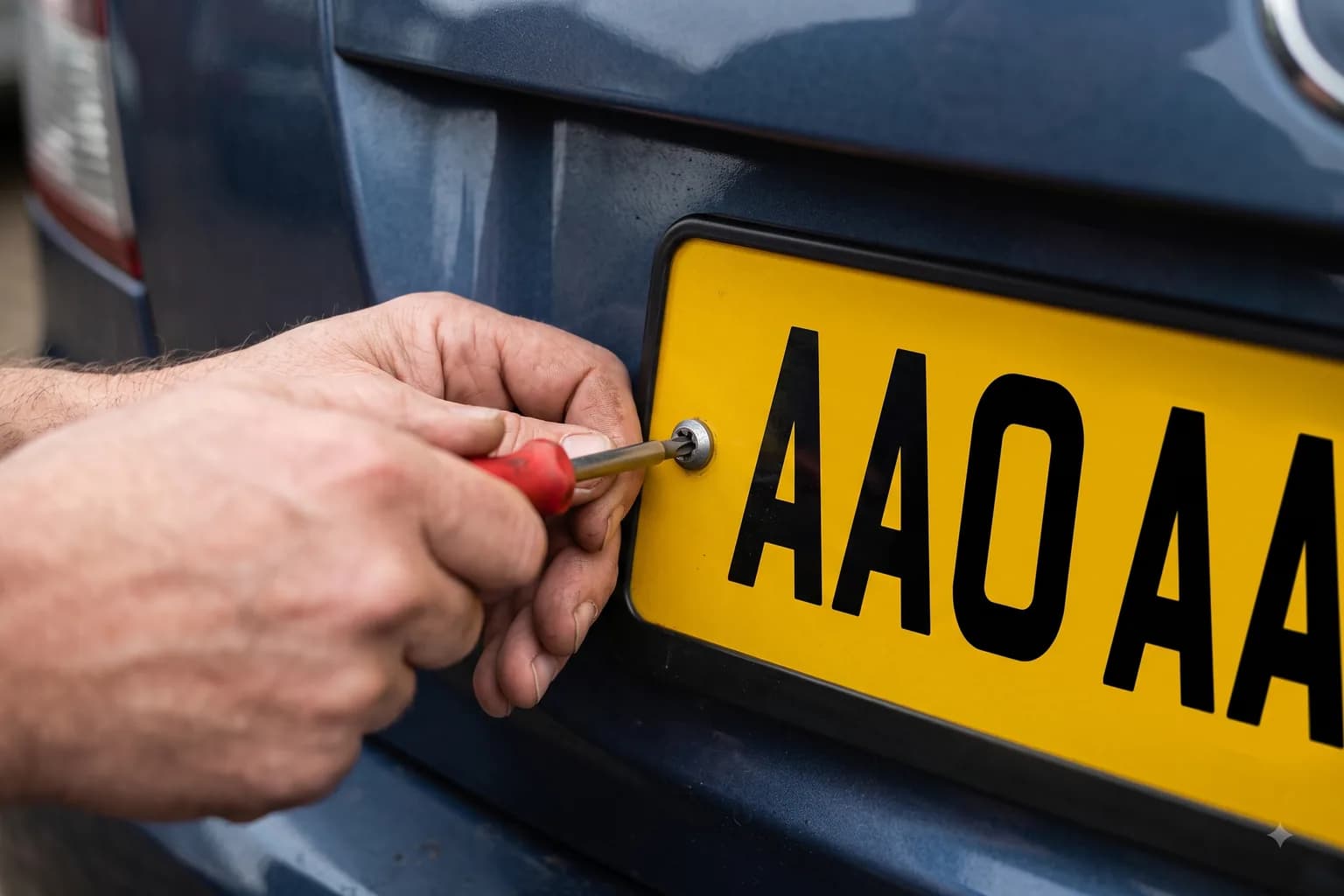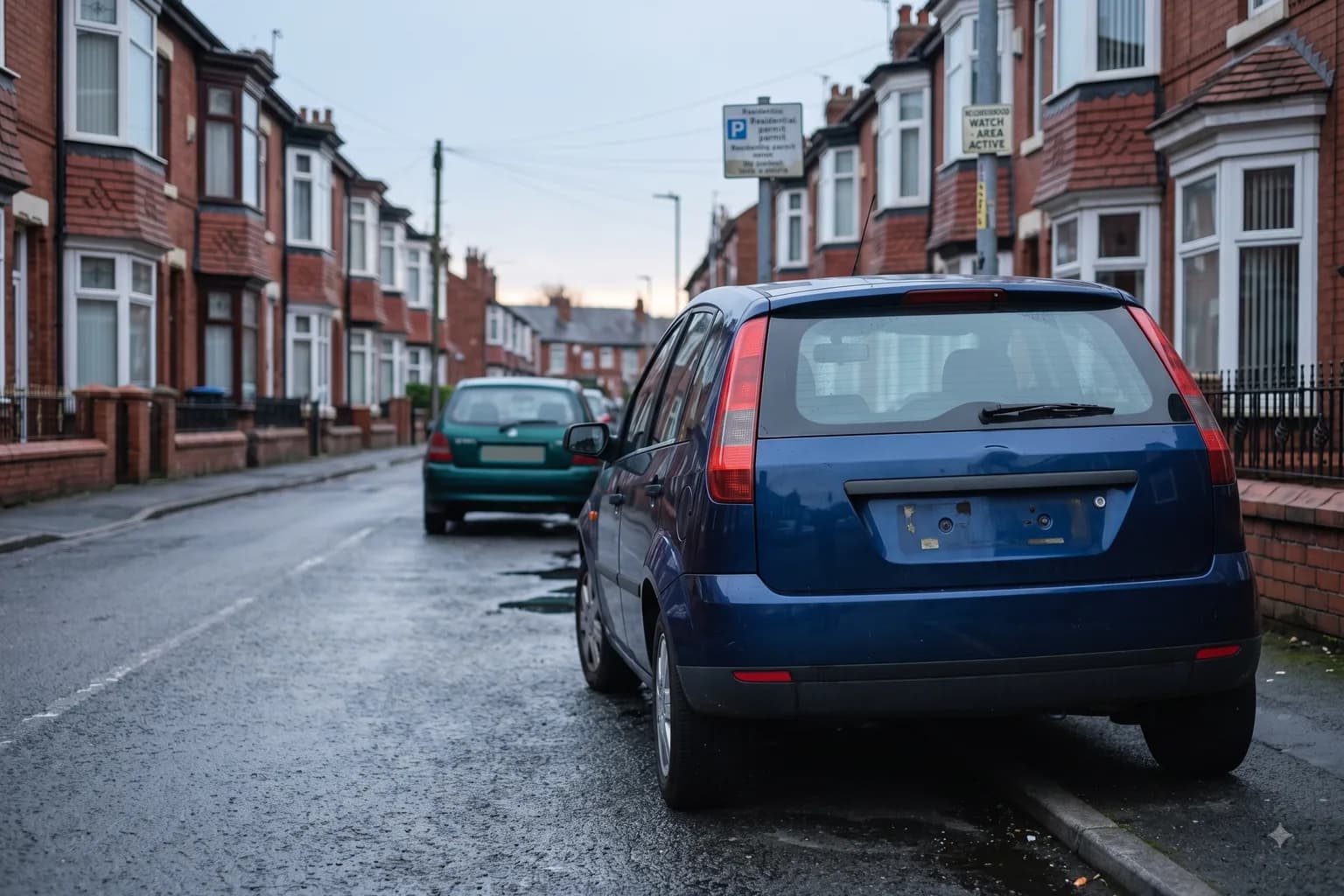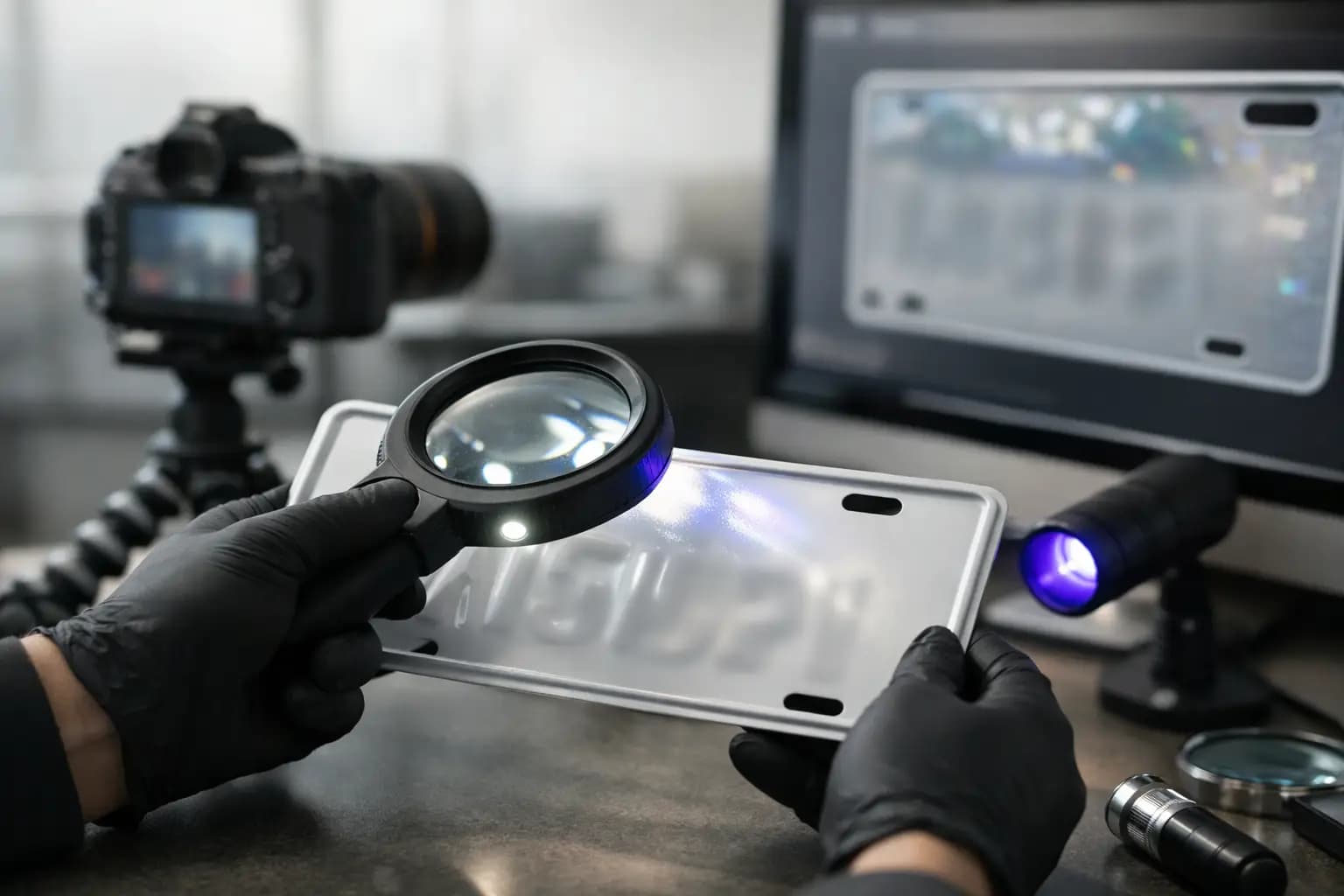
A cloned number plate rarely announces itself politely. It usually arrives as a parking charge you never earned, a speeding notice from a road you have never driven, or a quiet suspicion that someone else is using your vehicle identity. That is exactly why the plate authentication process matters. It gives drivers, fleets and plate suppliers a clear way to verify legitimacy, detect duplication early and respond before fraud spreads.
For most people, number plate security is invisible until something goes wrong. The problem with that approach is simple: once cloning has happened, the damage is already in motion. Administrative time, disputed penalties, insurer queries and reputational risk can all follow. A proper authentication process shifts the focus from replacement after the event to active verification, tracking and alerting.
What the plate authentication process actually does
At its core, the plate authentication process confirms whether a number plate is legitimate, correctly registered and linked to the right vehicle identity. That sounds straightforward, but in practice it depends on secure data handling, controlled registration and the ability to spot suspicious duplication patterns.
A weak system only checks whether a plate looks valid. A stronger system checks whether that plate has been registered through an authorised route, whether associated credentials match, and whether any activity suggests cloning or unauthorised reproduction. That difference matters. Fraudsters do not need to invent impossible registrations - they often copy real ones because real identities are more useful.
For private motorists, authentication is about proving your plate is yours and creating a trusted record that can be checked if concerns arise. For fleet operators, it is about protecting multiple assets at once and reducing the disruption that cloned identities can cause across drivers, compliance teams and finance functions. For plate manufacturers, it is about secure production workflows and confidence that duplication is not slipping into the supply chain.
Why the traditional approach falls short
The standard reaction to plate fraud is often reactive. A driver receives a notice, disputes it, gathers evidence and waits for the issue to be untangled. Sometimes that works quickly. Sometimes it does not. If the cloned plate has been used repeatedly, the burden can build.
That is the central weakness of a passive model. It treats fraud as an event to clean up rather than a risk to monitor. The plate authentication process is more effective when it sits inside a wider security framework that includes registration, detection and instant alerting. Authentication on its own answers the question, "Is this plate legitimate?" Security-led monitoring goes further and asks, "Has something changed that suggests this plate identity is being misused?"
That distinction is especially important in the UK, where cloned plates can be used for congestion charge avoidance, toll evasion, fuel theft, parking offences and more serious criminal activity. The financial impact is one issue. The stress of proving you were not responsible is another.
How a secure plate authentication process works
A credible plate authentication process begins with verified registration. The lawful plate details are entered into a secure system along with the credentials needed to create a trusted identity record. Those details must be handled carefully. If the registration stage is loose, every later check is weaker.
Once that record exists, the plate can be checked against an encrypted tracking database. This is where authentication becomes more than a one-off tick box. A secure platform can compare claimed plate information against registered data, identify mismatches and support rapid verification when concerns are raised.
The strongest systems do not stop there. They monitor for suspicious duplication signals and trigger alerts when activity suggests a cloned or unauthorised copy may exist. That means the process is no longer static. It becomes active defence.
Stage 1: Registration
Registration establishes the original, trusted identity of the plate. For motorists, that means creating a recognised record tied to the correct vehicle credentials. For manufacturers, it means entering plate creation data through a controlled process that supports accountability and traceability.
This stage needs accuracy, because small data errors can create confusion later. It also needs security, because registration records are valuable. If authentication data is exposed or mishandled, the system creates risk instead of reducing it.
Stage 2: Verification
Verification checks whether a plate presented in the real world matches the trusted record. That may happen through a searchable plate status tool, an internal administrative check or a manufacturer-side validation workflow. The purpose is to answer a practical question quickly: does this plate align with what should exist?
Not every mismatch points to fraud. Sometimes records are incomplete, recently updated or entered incorrectly. That is why good verification processes are precise rather than dramatic. They help identify what is suspicious without treating every anomaly as proof of cloning.
Stage 3: Detection and alerting
This is the point where security value becomes obvious. If duplication signals appear, instant alerts allow the registered user or relevant stakeholder to act quickly. Speed matters. The sooner a plate owner knows something is wrong, the sooner evidence can be gathered and exposure can be limited.
For an individual driver, that might mean checking recent notices, confirming vehicle location history and starting a dispute process with confidence. For a fleet, it may mean reviewing multiple assets, informing drivers and escalating internally before disruption spreads. For suppliers, it may mean investigating whether unauthorised duplication has occurred within or beyond the supply chain.
Who benefits from authentication - and how
Private vehicle owners benefit because authentication gives them a defensible position. If a problem arises, they are not starting from zero. They have a record, a verification route and, where monitoring is in place, an earlier warning that something may be wrong.
Fleet operators benefit because cloning at scale is operationally expensive. One disputed penalty is annoying. Repeated incidents across a fleet can consume hours of admin time and create uncertainty around vehicle usage, compliance and liability. Authentication supports control.
Plate manufacturers benefit because they sit close to a key risk point: lawful production. A secure authentication process helps support legitimate issuance, strengthen compliance and reduce the chance that a weak workflow is exploited.
There is a trade-off, of course. Stronger verification usually means more disciplined data entry, clearer processes and tighter system use. That requires commitment. But compared with the cost of fraud, delay and repeated disputes, the balance is usually obvious.
What to look for in a plate authentication process
If you are assessing plate protection, the process should be clear, fast and built for action. First, look for secure registration supported by encrypted data handling. If the underlying records are not protected properly, confidence disappears quickly.
Second, look for real verification capability rather than a vague promise of checking. You need a process that can confirm plate status in a practical way when questions arise.
Third, look for detection and alerting. Authentication without monitoring has value, but it is still limited. Fraud does not wait for convenient office hours. If duplication is detected, the response window matters.
Finally, consider who the system is designed for. A private motorist needs simplicity and reassurance. A fleet needs visibility and control. A plate manufacturer needs secure workflows and administrative accountability. The right platform should recognise those different needs without making the process cumbersome.
Why this matters now
Plate cloning is not a niche irritation. It is a direct threat to vehicle identity. And like most identity-related fraud, it is easier to prevent than to untangle once it has spread. The plate authentication process gives that prevention a structure. It turns uncertainty into evidence, and evidence into action.
That is why security-led platforms are leading the way. They do not ask drivers to wait for fines to land on the doormat before taking plate fraud seriously. They create a verified record, monitor for threats and deliver instant alerts when something changes. Protect A Plate is built around that principle - registration, detection, alerting and verification working together rather than in isolation.
If your number plate is part of your vehicle identity, it deserves the same level of protection as any other critical asset. The smartest time to verify it is before someone else tries to use it.