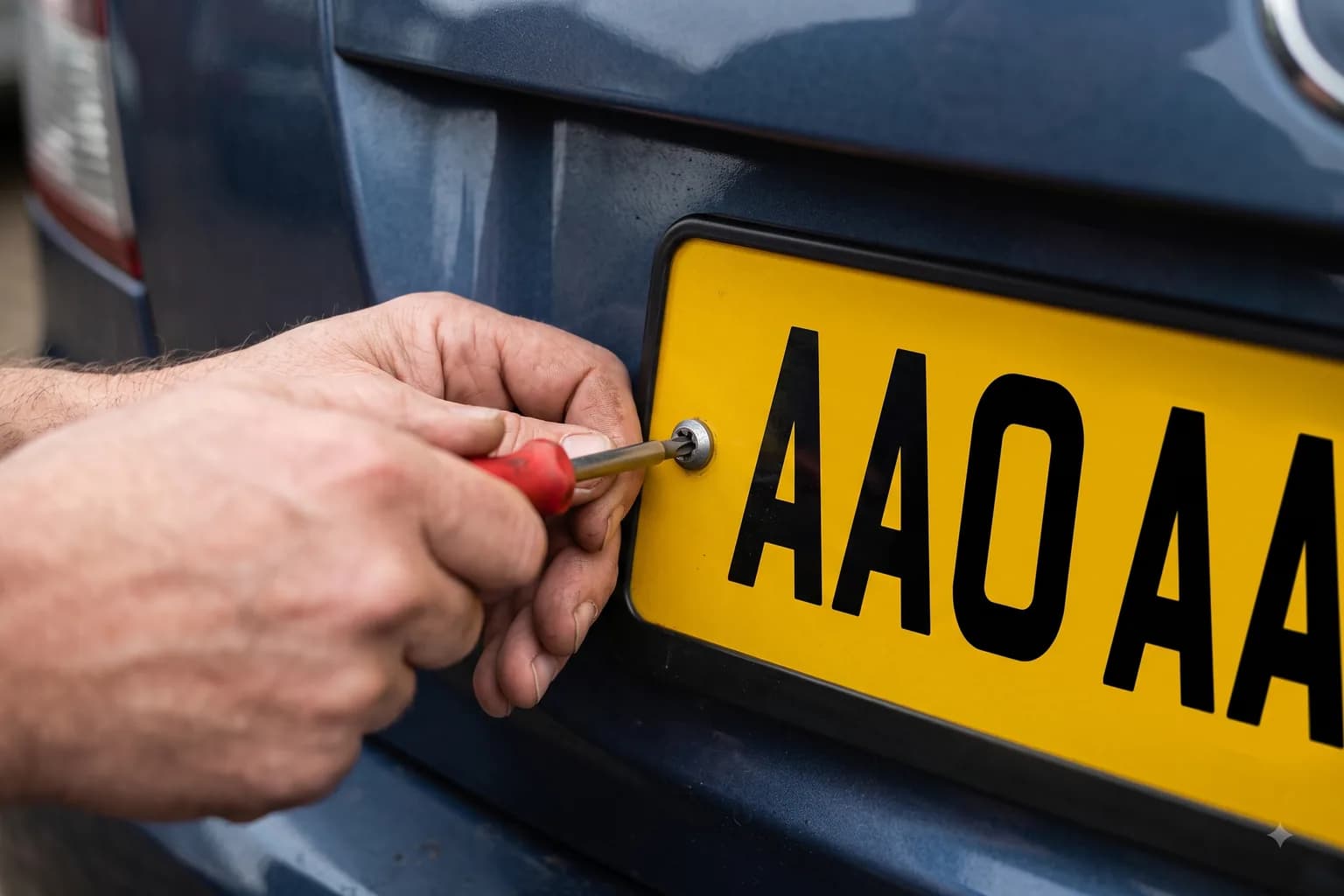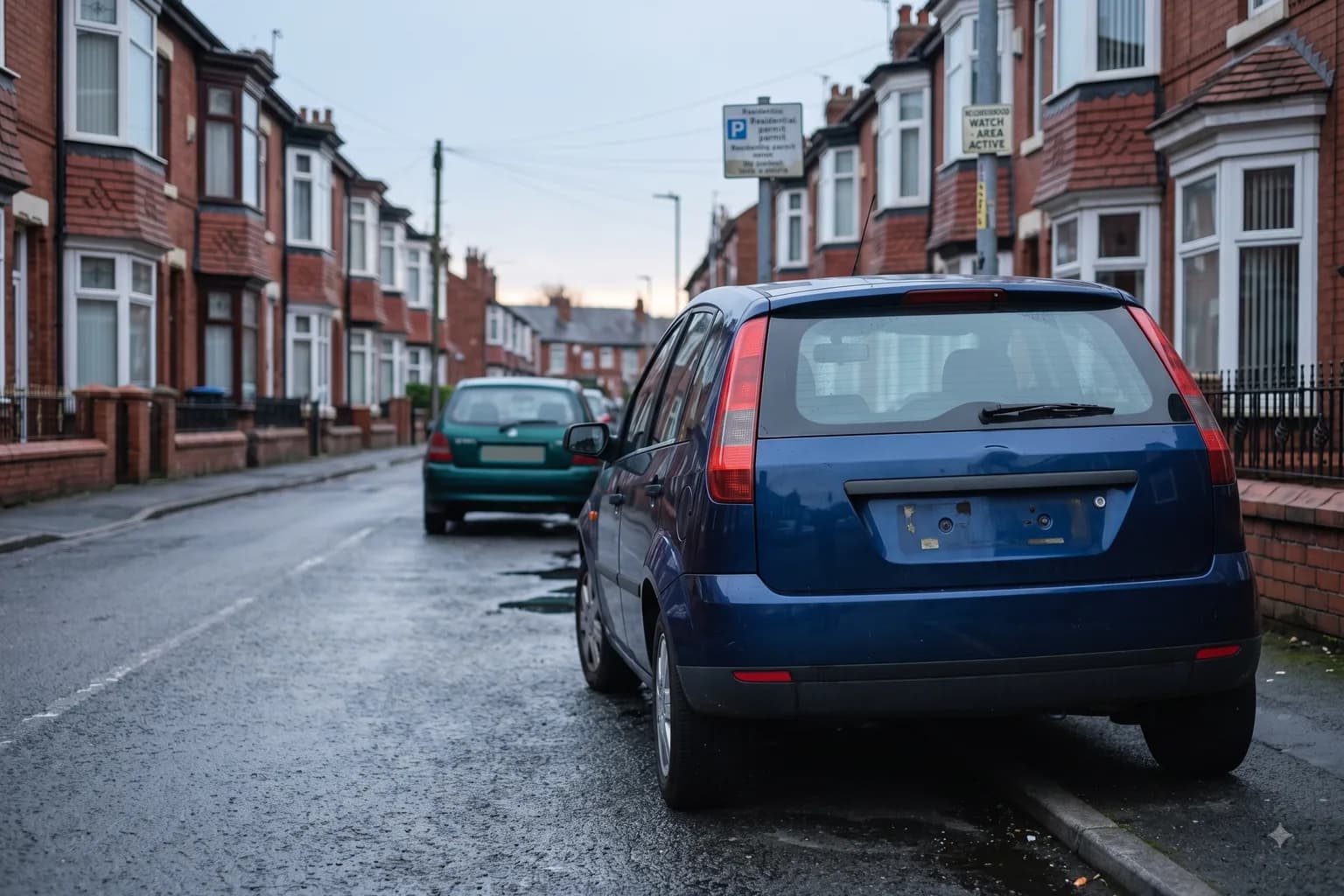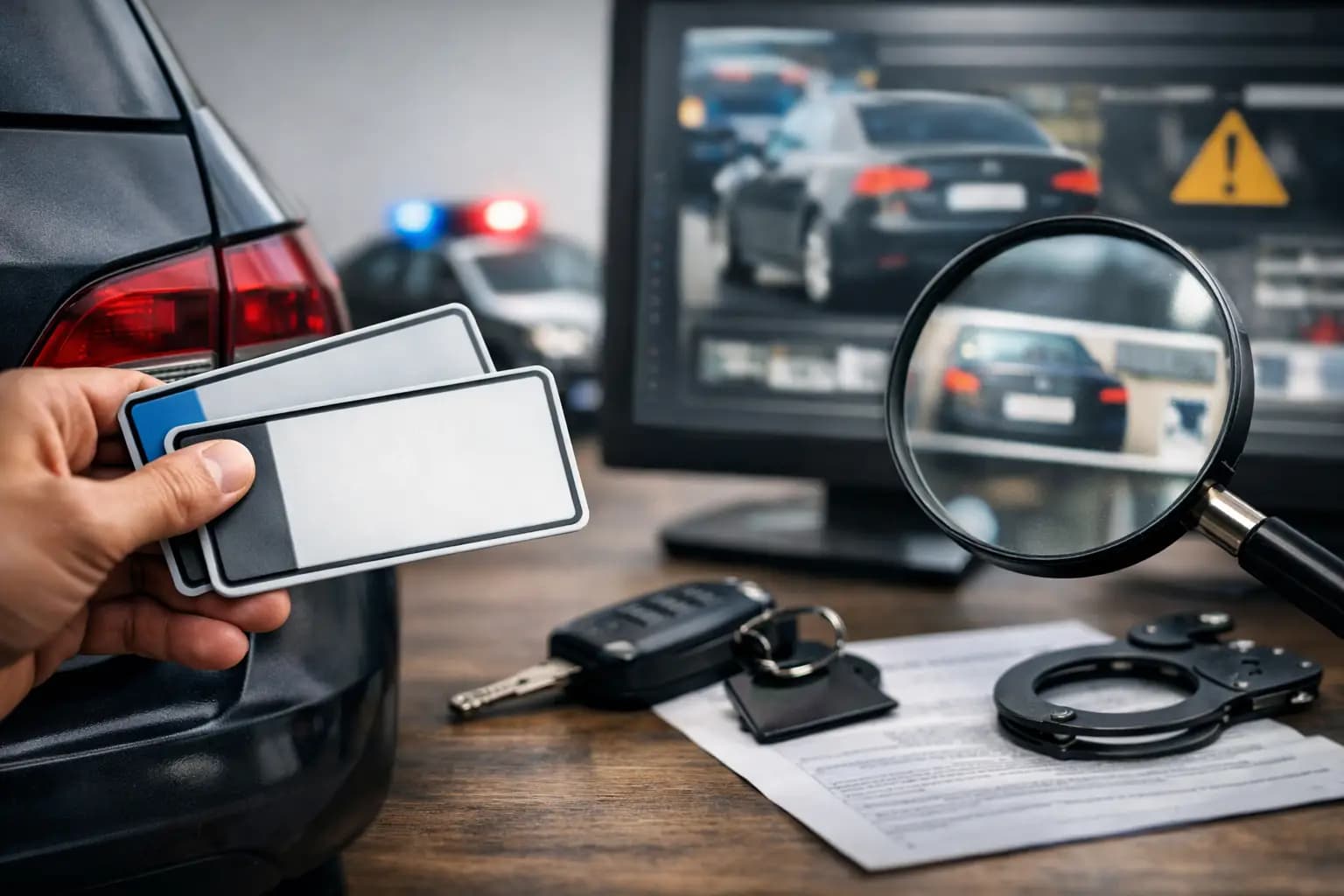
A speeding notice for a road you have never driven. A parking charge from a town you have not visited. A police query linked to a vehicle that is not yours. That is usually when drivers discover the problem - but number plate fraud alerts are designed to catch suspicious activity before it turns into fines, stress and a battle to prove your innocence.
What number plate fraud alerts actually do
At their core, number plate fraud alerts are an early warning system for vehicle identity misuse. They monitor for signs that your registration may have been duplicated, cloned or used without authority, then notify you quickly so you can investigate and respond.
That matters because plate fraud rarely stays small. A cloned registration can be used to avoid tolls, dodge congestion charges, rack up parking penalties or mask more serious criminal activity. By the time the first letter arrives through your postbox, the fraud may already be well established.
A proper alerting system changes the timing. Instead of finding out after enforcement action begins, you receive a signal that something is wrong when unusual duplication activity or status conflicts appear. That gives you a chance to act while the issue is still containable.
Why the risk is bigger than most drivers realise
Number plate cloning is often treated as a niche problem until it lands on the wrong vehicle owner. In practice, it creates financial, legal and administrative damage very quickly. Private motorists can end up contesting penalties for journeys they never made. Fleet operators face a wider problem, because one cloned registration can disrupt internal records, compliance workflows and driver accountability.
There is also the reputational side. If a business vehicle registration is misused, the fallout does not stop at one fine. Customers, insurers and internal teams may all need reassurance that the vehicle identity is secure and the company has proper controls in place.
The real issue is not just duplication. It is the gap between the moment fraud begins and the moment the owner becomes aware of it. That gap is where cost builds up. Alerting technology exists to close it.
How number plate fraud alerts work in practice
The most effective systems follow a clear security process - registration, detection and alerting.
First, the legitimate plate and vehicle credentials are registered into a secure system. This creates a trusted record of ownership and plate status. The stronger platforms use encrypted storage and structured validation so that the registration is more than a simple lookup - it becomes a verified identity record.
Next comes detection. This is where proprietary tech makes the difference. Detection tools monitor for suspicious duplication patterns, registration conflicts or other indicators that the same plate details may be circulating in ways they should not be. Not every irregularity means fraud, but a credible system is built to identify signals worth checking, not just generate noise.
Then comes the alert itself. If suspicious activity is found, the registered user can be notified by email, SMS or push notification. Speed matters here. A delayed alert is still better than none, but the value of the system rises sharply when the owner can respond in near real time.
For drivers, that means clarity and control. For plate manufacturers and administrators, it means stronger oversight across registration workflows and a better chance of stopping misuse at source.
What a good alert should tell you
A useful fraud alert should not be vague. If the message simply says there may be a problem, it creates uncertainty without giving the owner a next step. A stronger alert provides enough information to let the user verify whether the activity looks legitimate or suspicious.
That might include the fact that a duplication concern has been detected, the registration involved and the need to check current plate status. From there, the owner can review the issue, gather records and decide whether formal reporting or escalation is required.
This is where searchable plate status becomes valuable. If a system allows a plate to be checked quickly against its known registration state, it gives owners and authorised stakeholders a practical way to verify what they are dealing with. That verification layer is often what separates a security platform from a basic notification tool.
Number plate fraud alerts for private drivers
For individual motorists, the strongest benefit is simple - less time spent defending yourself after the damage is done. Most people do not think about plate security until they receive a fine or accusation. By then, they are in reactive mode, pulling together receipts, location history and correspondence to show that their vehicle was somewhere else.
Alerts give private drivers a way to move earlier. If suspicious activity is detected, they can start documenting their own vehicle usage, checking recent journeys and preparing evidence before multiple agencies become involved. That can make later disputes far easier to manage.
It also offers peace of mind, but not in a fluffy sense. It is operational peace of mind - knowing there is an active layer of monitoring in place rather than hoping nobody misuses your registration.
Why fleets have even more to lose
A fleet business carries more exposure because it manages multiple registrations, multiple drivers and more road activity. One cloned plate can trigger a chain reaction across admin, compliance and finance teams. Multiply that by several vehicles and the problem grows fast.
For fleets, number plate fraud alerts are less about convenience and more about control. They support faster internal triage, clearer audit trails and better separation between genuine vehicle movements and suspect activity. If a penalty arrives, the business is not starting cold. It already has monitored records and alert history to support an investigation.
There is also a preventative governance benefit. A business that takes plate security seriously is in a stronger position to show insurers, partners and customers that it manages automotive identity risk properly.
The trade-off: alerts are only as good as the system behind them
Not every alerting product delivers the same level of protection. Some systems notify too late. Others generate too many weak signals, which leads users to ignore them. In security, confidence comes from accuracy as much as speed.
That is why registration quality matters. If the initial data is incomplete or the verification process is loose, detection becomes less reliable. It is also why centralised infrastructure matters. Fragmented systems can miss patterns that a dedicated encrypted tracking database is better placed to detect.
There is an important trade-off here. Tighter detection can improve sensitivity, but if handled badly it can also increase false alarms. The right balance depends on how the platform validates records, checks plate status and routes alerts. Good technology should reduce uncertainty, not add to it.
What to do when you receive a fraud alert
If you receive an alert, treat it as a prompt for verification, not a reason to panic. Start by checking whether there is any innocent explanation, such as a recent legitimate registration event or an administrative update. If there is no clear reason, review your vehicle records and note where the vehicle has actually been.
Keep copies of any correspondence, journey logs, parking records or telematics data that could help establish the vehicle’s true location. If the issue appears to involve cloning or unauthorised duplication, escalate quickly through the relevant reporting channels and retain the alert details.
Speed helps, but so does order. A calm, documented response is usually more effective than a rushed one. The earlier you can build a clear timeline, the easier it is to protect yourself.
Prevention beats replacement every time
A replacement plate solves the visible symptom. It does not solve the security weakness that allowed misuse to develop unnoticed. That is the key reason alerting has become so important.
Drivers and businesses no longer need to wait for fraud to surface through penalties or police contact. With a proper registration, detection and alerting system in place, they can monitor plate identity actively and respond at the first sign of trouble.
That is the shift behind platforms such as Protect A Plate - moving from passive aftercare to proactive protection built around verified registration, encrypted tracking and instant alerting. For anyone responsible for a vehicle identity, that is a stronger position to be in.
A number plate is not just a legal requirement fixed to a vehicle. It is part of that vehicle’s identity, and identity is worth defending before someone else tries to use it.