A fine, parking notice or enforcement letter can arrive long before a driver realises their registration has been copied. That is the gap number plate database security is designed to close: creating a protected record of plate ownership, monitoring for suspicious duplication and giving legitimate vehicle owners a fast route to respond.
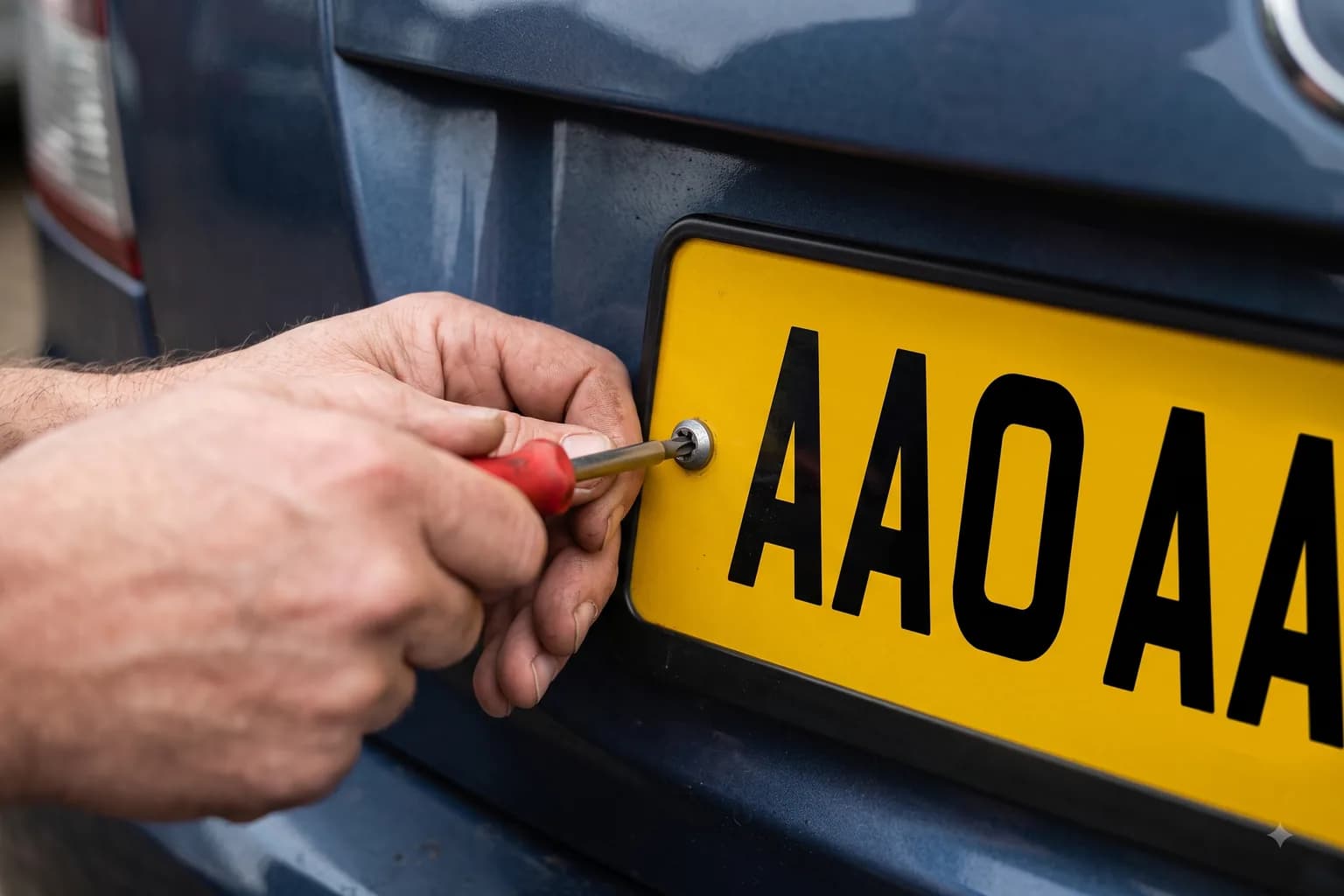
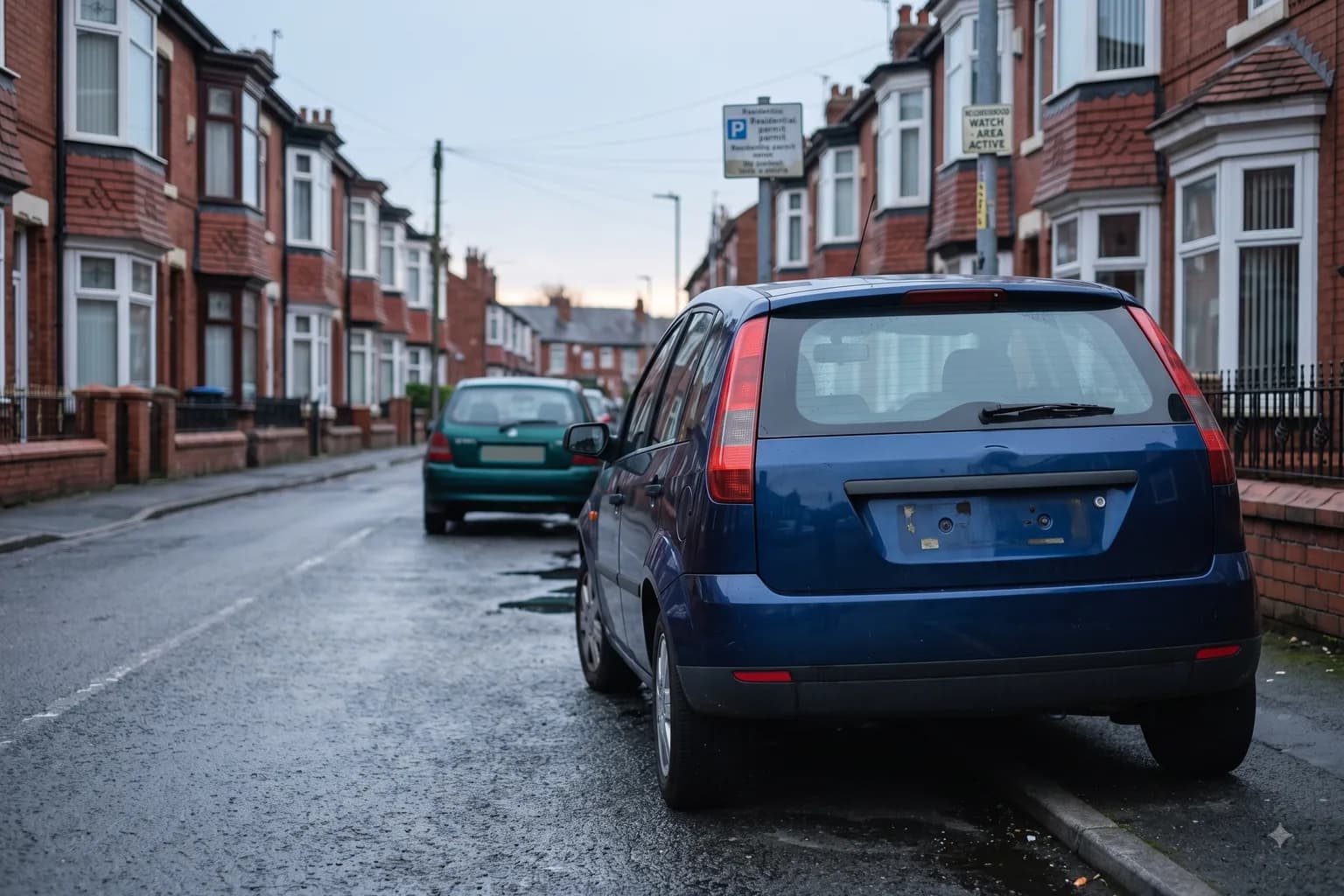
Number plate cloning is not a cosmetic problem. A criminal can fit copied plates to a similar vehicle and leave the registered keeper dealing with congestion charges, parking penalties, fuel theft allegations or police attention. For private motorists, that can mean lost time and stressful disputes. For fleets, it can become an operational issue involving multiple vehicles, drivers and compliance teams.
What number plate database security should do
A security database should do more than store a registration number. Registration marks are visible in public, so the protection lies in the verified credentials attached to that number and the controls around how information is accessed, checked and updated.
The right system establishes a trusted record when a plate is registered. It should connect the registration to the legitimate owner or authorised business, retain evidence needed for verification and protect those records using encryption and controlled access. This creates a reference point if another party attempts to produce, register or validate a duplicate plate.
That record then needs to be active. A database that only holds information after an incident has been reported is a filing cabinet, not a security service. Effective protection is built around three practical stages: registration, detection and alerting. Each stage reduces the time between a suspicious event and a meaningful response.
Registration creates a defensible ownership record
The first step is to register plate credentials accurately. This should include the registration mark and enough verified information to distinguish a genuine vehicle owner from someone simply presenting the same characters on a form. The precise evidence required will depend on the service and the role of the user, whether they are a motorist, fleet manager, administrator or registered plate supplier.
Accuracy matters. A missing digit, an outdated contact number or a record that cannot be tied back to the correct person weakens the value of the database when speed is needed. Secure registration should also make it clear who can amend a record and retain an audit trail of important changes.
For a fleet, the process needs ownership controls as well as vehicle-level detail. Vehicles change drivers, move between sites and may be sold or leased. A central record, managed by authorised staff, helps maintain accountability without giving every employee unrestricted access to sensitive information.
Detection turns a record into active protection
Detection is where proprietary technology earns its place. A plate security platform should identify activity that does not match the protected record, such as a potential duplication attempt or a verification request that raises concern. The aim is not to assume every mismatch is criminal. Legitimate changes happen, and a good system must distinguish an issue requiring review from a clear threat.
That balance is essential. Too many vague alerts create noise and encourage users to ignore notifications. Too little scrutiny leaves owners exposed. Detection rules should therefore be specific, based on trusted data and supported by a clear verification process.
For plate manufacturers, this is especially valuable. A secure workflow can help them check plate status before production and record authorised activity within a controlled system. It supports responsible supply without asking suppliers to make assumptions about every customer who walks in with a registration number.
Instant alerts protect the response window
The most useful alert is one that reaches the right person quickly and explains what to do next. Email, SMS and push notifications can all play a role, but the channel matters less than the quality of the information. An alert should identify the registration concerned, the nature of the issue and the next verification step without exposing unnecessary personal data.
Speed changes outcomes. Early notification gives a vehicle owner time to check their vehicle, retain relevant evidence and begin documenting the issue before notices accumulate. It can also help a fleet manager identify whether a suspected clone could be mistaken for a company vehicle on the road.
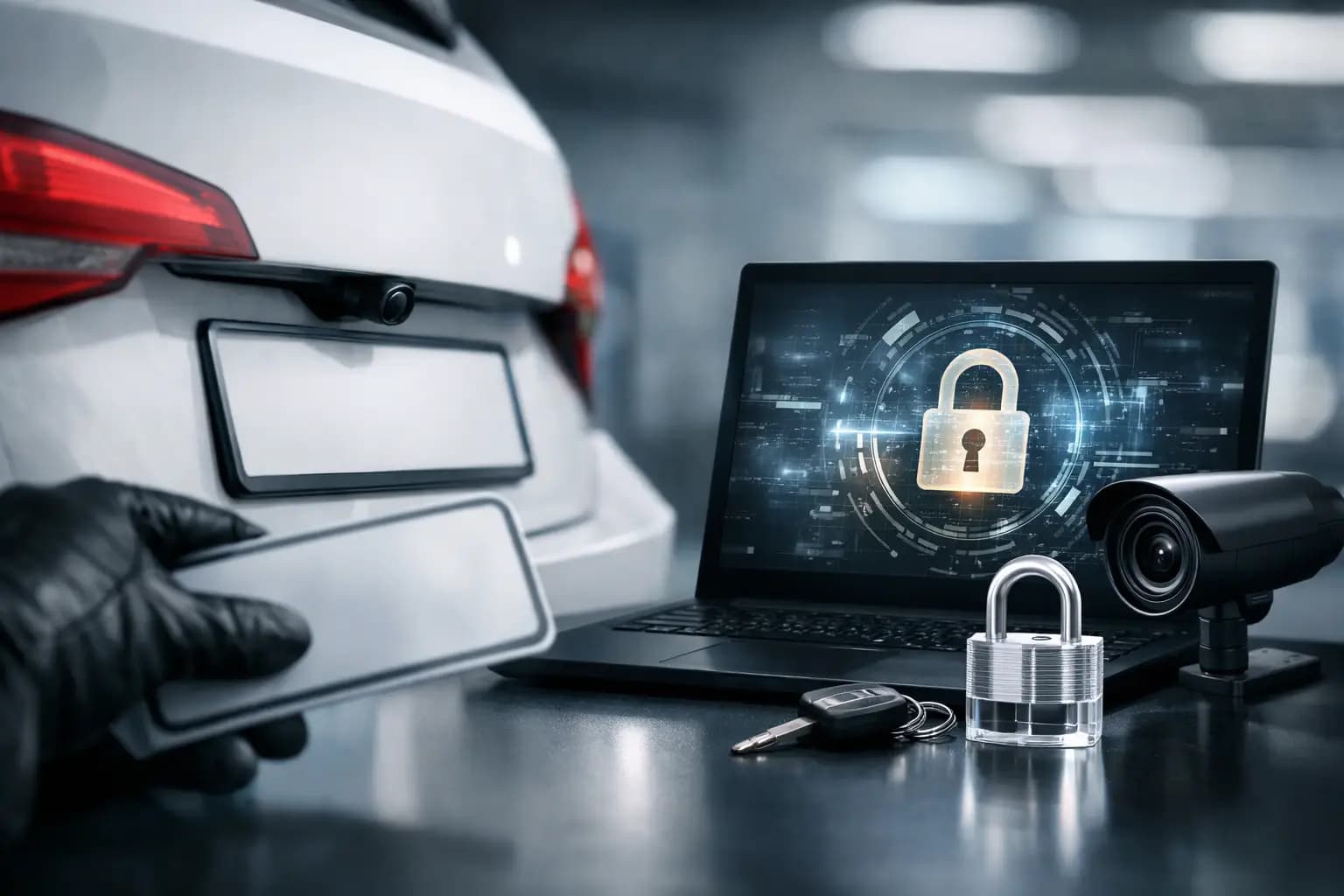
Protect A Plate is built around this active approach: secure registration in an encrypted tracking database, suspicious activity detection and rapid alerts. It moves plate protection away from passive replacement after fraud and towards earlier control of automotive identity.
Why database security and privacy must work together
A number plate database cannot protect drivers if it becomes a source of risk itself. Registration data may include contact details, vehicle associations and supporting credentials. That information should never be treated as a marketing list or made broadly searchable.
Strong database security starts with encryption, both when data is stored and when it moves between a user’s device and the platform. It also requires role-based permissions. A customer should see their own account. A manufacturer should only access the information necessary to verify a legitimate production request. Administrators need higher access, but that access should be controlled, logged and reviewed.
The principle is simple: collect what is needed to protect the plate, use it only for that purpose and limit access to people with a genuine operational reason. Security is not achieved by making every record visible. It is achieved by making legitimate verification possible while keeping personal information protected.
Data retention also deserves attention. Records should be kept for an appropriate purpose and managed carefully when a vehicle is sold, transferred or removed from a fleet. Owners need a straightforward way to update their details, while the platform must prevent an unauthorised person from using an update request to take control of a protected registration.
The risk is different for motorists, fleets and manufacturers
Every vehicle owner has an interest in proving that their registration is protected, but the consequences of cloning are not identical.
A private motorist may first encounter the problem through a single unexplained penalty notice. Their priority is a simple status check, immediate alerting and evidence that supports a challenge. The system must be easy to use at the point stress is highest.
A fleet operator needs scale and visibility. One copied plate can create administrative work, but several incidents can affect driver confidence, enforcement correspondence and business reputation. Centralised controls, designated account users and a clear record of alerts help the fleet respond consistently.
Plate manufacturers sit at a critical point in prevention. They need a fast, reliable way to support legitimate customers while reducing the chance that unauthorised duplication enters circulation. Secure status checks and documented workflows provide confidence without slowing lawful production unnecessarily.
What to look for before trusting a plate protection service
Not every database offers the same level of protection. Before registering a vehicle, ask whether the service explains how credentials are verified, how records are encrypted and who can access them. Look for a clear process for suspicious activity, not simply a promise that data is held securely.
You should also check how alerts are delivered and whether contact details can be updated safely. If an account cannot be recovered securely, or if changing a mobile number is too easy, the alerting process can be compromised. Multi-step verification and account activity records are sensible safeguards where they are available.
For businesses, ask about administration. Can access be assigned by role? Is there a record of actions taken on the account? Can the organisation maintain control when staff leave or responsibilities change? These details are less visible than an alert message, but they are fundamental to long-term security.
If you suspect your number plate has been cloned
Do not wait for a second notice to take the issue seriously. Check that the registration, vehicle make, model and location details on any correspondence match your vehicle and known journeys. Keep the original notice, screenshots, dates and any evidence showing where your vehicle was at the relevant time.
Report the concern through the appropriate official channels and follow the instructions attached to the notice or allegation. A plate security record can support your position by showing that you registered your credentials and acted promptly when alerted, but it does not replace the need to challenge individual penalties or cooperate with authorities where required.
Avoid posting detailed documents publicly or sharing account credentials with third parties. Fraudsters often rely on confusion after an incident, and a rushed response can reveal more information than necessary. Use verified contact routes, keep a written timeline and make sure your registered contact details remain current.
Your registration plate is part of your vehicle’s identity. Protecting it should not begin only after someone else has used it. A secure, actively monitored record gives you a clearer line of defence when every hour of uncertainty can add cost, pressure and risk.