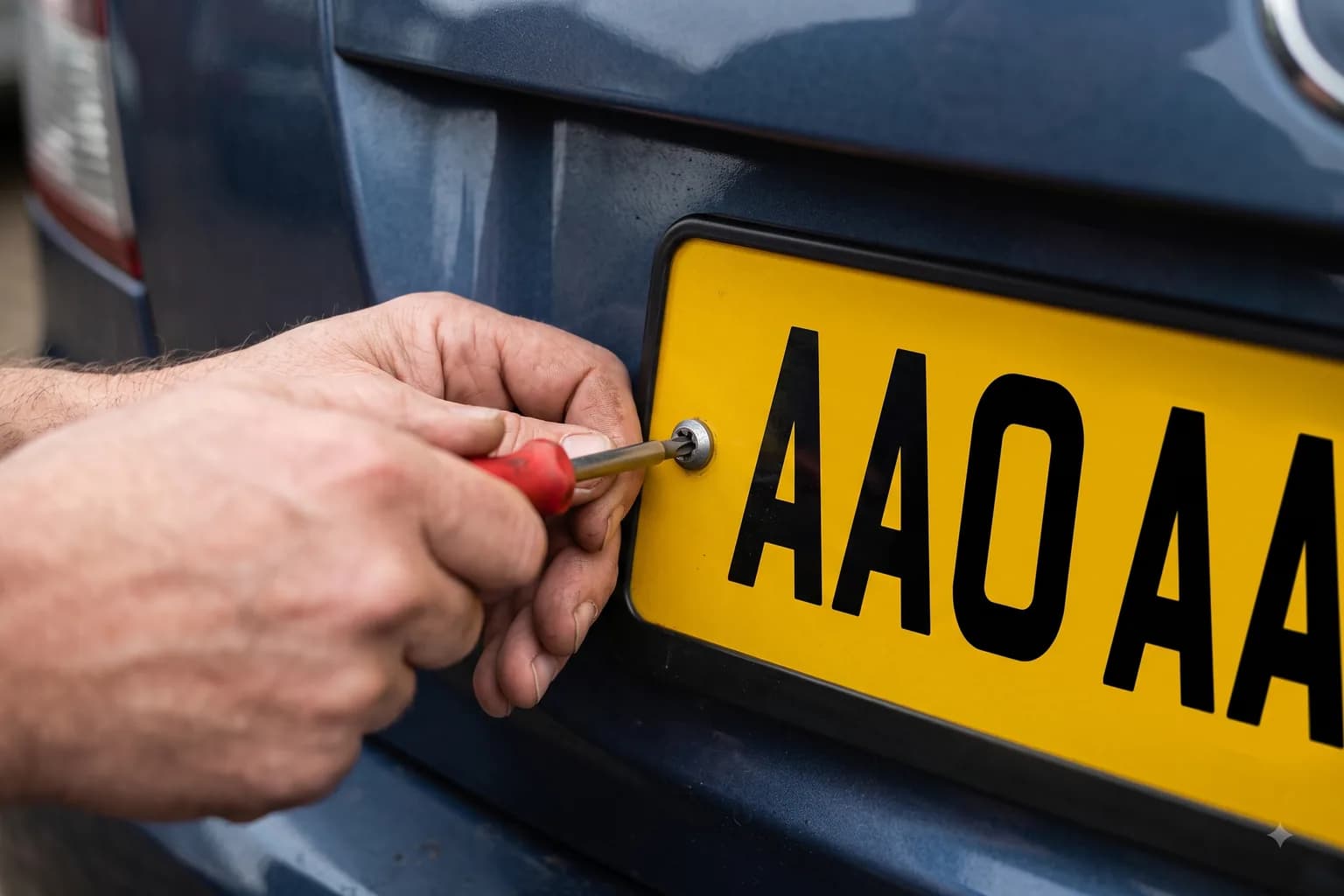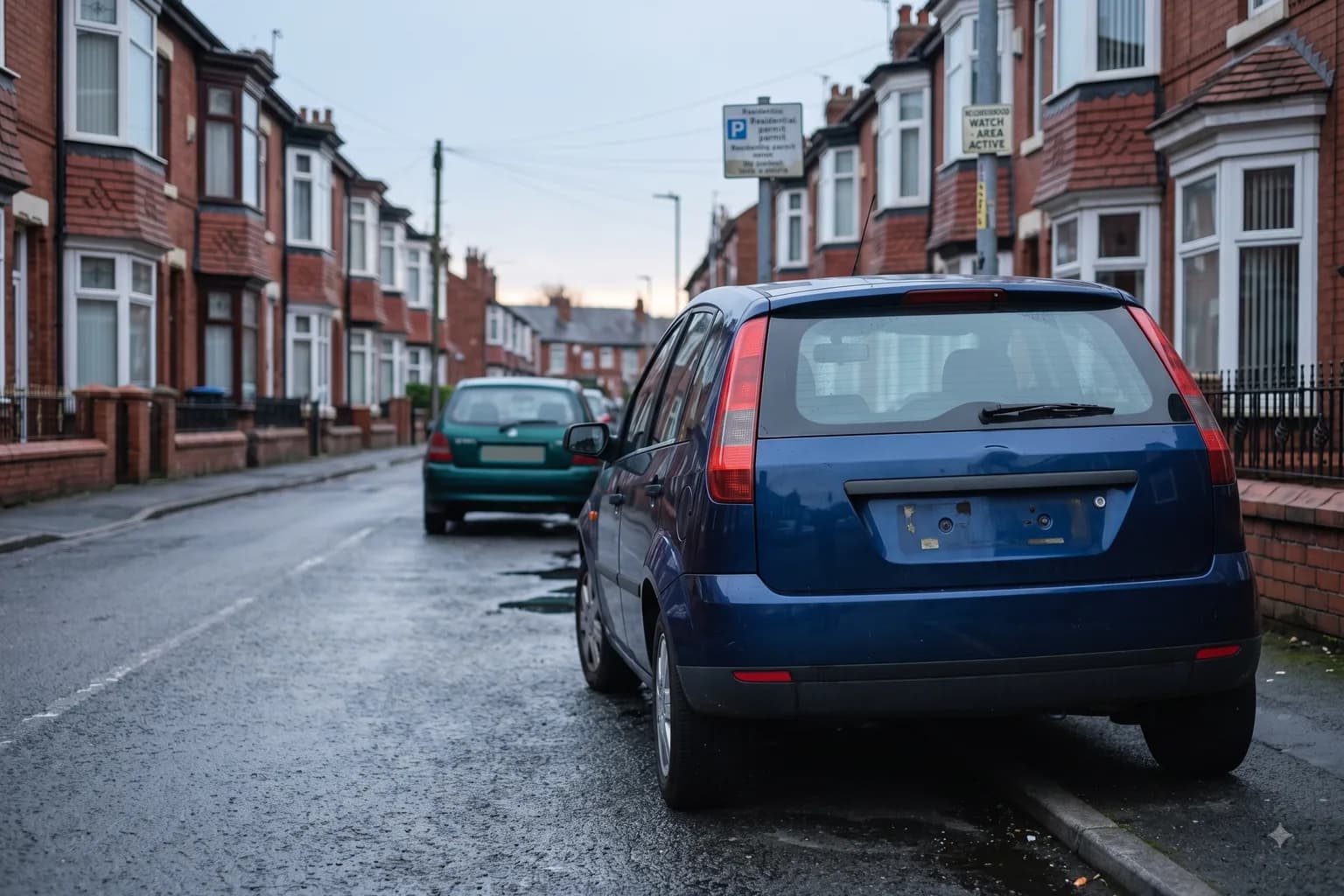
A speeding fine from a town you have never visited is often the first sign something is wrong. By then, the damage has already started. Spotting number plate cloning signs early can make the difference between a quick challenge and a long, frustrating battle involving fines, police queries and repeated proof that your vehicle was not there.
Number plate cloning is not a minor admin issue. It is vehicle identity misuse. When criminals duplicate a registration and attach it to another vehicle, the consequences can land on the innocent keeper first. That may mean penalty notices, congestion charges, parking demands or contact from the police. For private motorists, it is stressful and time-consuming. For fleets, it can disrupt operations, compliance and reputation.
What number plate cloning signs usually look like
Most cloned plate cases do not begin with a dramatic discovery. They begin with a mismatch. Something arrives by post, or an authority makes contact, and the details do not line up with your actual movements, vehicle type or usage.
One of the clearest number plate cloning signs is receiving fines or charges for locations you did not visit. If your car was on your drive in Manchester and a notice says it entered a clean air zone in Birmingham, that is not a small inconsistency. It is a red flag.
Another common sign is vehicle detail mismatch. Authorities may record the cloned vehicle as a different make, model or colour from yours. You might drive a black Ford Focus, but an enforcement image appears to show a white BMW. That discrepancy matters. It often becomes key evidence when challenging a notice.
Unexplained police interest can be another warning sign. If your registration is flagged in connection with fuel theft, dangerous driving or other offences you know nothing about, cloning may be involved. The same applies if someone tells you they saw "your" vehicle somewhere it definitely was not.
There are also quieter signs. You may notice repeated online checks, suspicious duplication attempts or registration activity that does not fit your ownership history. These earlier indicators are exactly why active monitoring matters. Fraud is easier to contain when detection happens before enforcement escalates.
The most common warning patterns
Fines from places you have not been
This is the sign most drivers recognise first. It could be a parking charge, a toll demand, a bus lane penalty or a speeding notice. One isolated error is possible. A pattern is harder to dismiss.
If the dates, times and locations are impossible based on your real journeys, take it seriously. Keep records of where your vehicle actually was, including receipts, work logs, CCTV, dash cam footage or home security footage where available.
The vehicle description does not match yours
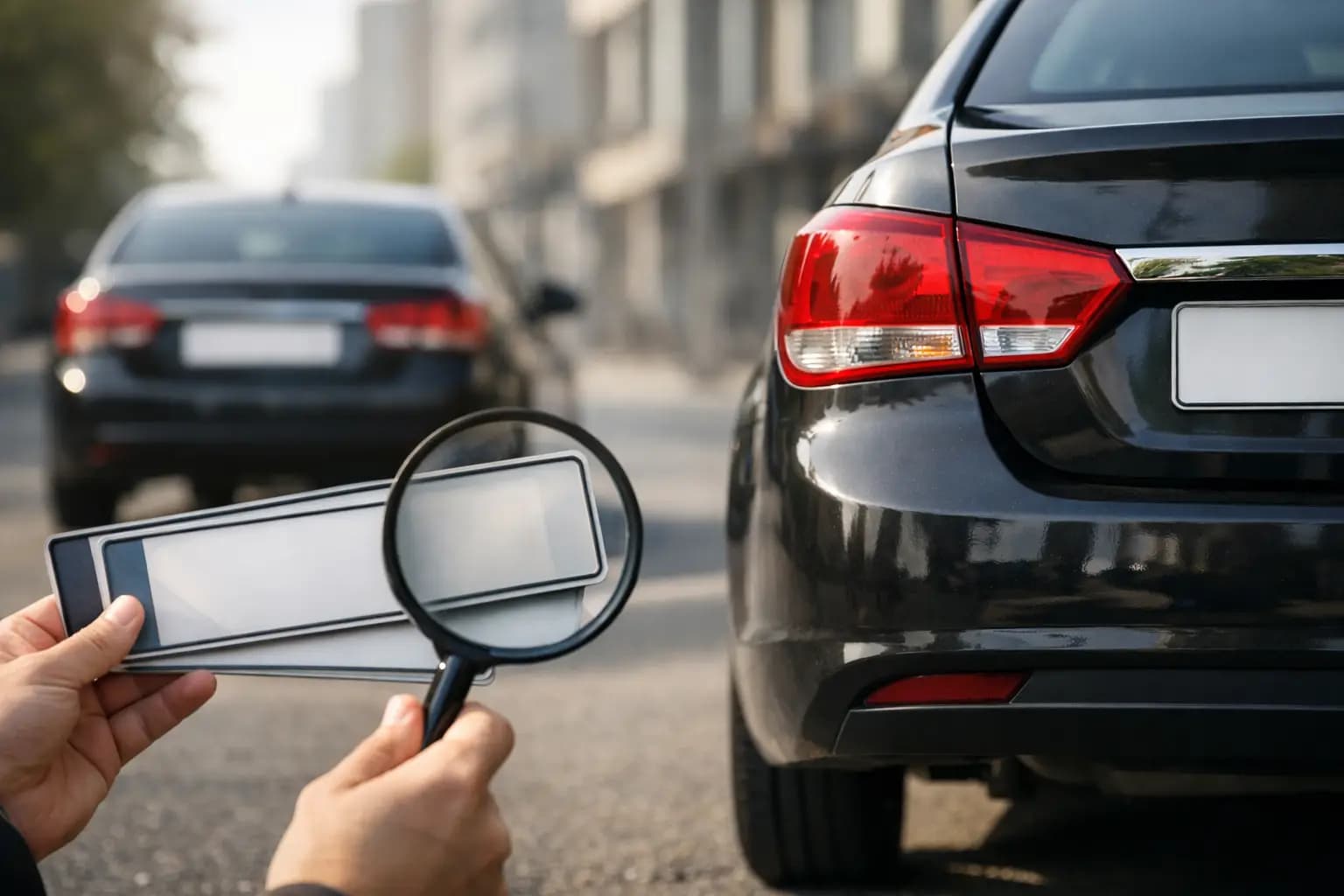
A cloned registration is often put on a vehicle that looks broadly similar, but not always. Some criminals rely on the fact that ANPR systems and witnesses focus on the plate first. If the notice or image shows a different body shape, badge, trim level or colour, that is useful evidence.
Even small differences can help. A five-door hatchback is not a three-door hatchback. A van is not a saloon. A missing roof rack or different alloy wheels may also support your case.
You are accused of repeated offences in a short period
Cloned plates are often used because the person behind the wheel expects not to deal with the consequences. That can mean multiple offences close together. A single mistaken notice may be administrative. Several notices in different locations within days suggest something more serious.
This pattern is especially important for fleet operators. If one registration starts attracting charges that do not fit route schedules or driver logs, investigate immediately.
Someone tries to verify or question your plate status
Some drivers only discover cloning after a buyer, employer, parking operator or manufacturer spots an irregularity. If a legitimate party queries whether your plate is genuine or correctly assigned, do not ignore it. Verification requests can be an early sign that duplication has already happened.
Why number plate cloning signs are often missed
The problem with plate cloning is that it can feel improbable until it happens to you. Many drivers assume a notice must be a clerical error, especially if it is the first one. Sometimes it is. But waiting too long creates risk.
Criminals count on delay. The longer a cloned registration remains active, the more offences can be tied to the innocent keeper. That increases the paperwork, the stress and the chance of your registration becoming associated with repeated suspicious activity.
There is also a trust gap in the system. Drivers assume their plate is unique and protected by default. In reality, visible registration marks can be copied, reproduced and misused unless there is a credible way to register, detect and verify legitimacy. Passive ownership records alone do not stop active duplication.
What to do if you spot the signs
Act fast, but stay methodical. The first priority is to preserve evidence and build a clear timeline. If you receive a fine or allegation that makes no sense, compare the date, time, location and vehicle details against your own records. Gather anything that proves where your vehicle actually was.
Then contact the issuing authority and explain that you believe your registration may have been cloned. Be precise. State the mismatch, point out any differences in vehicle appearance and provide supporting documents. If police involvement is appropriate, report the matter promptly and keep a record of the incident reference.
It also helps to document your own vehicle thoroughly. Take dated photographs showing the front, rear, sides, distinguishing features and the number plates fitted. If your car has stickers, dents, accessories or unique marks, record them. Those details can help separate your genuine vehicle from a cloned one.
For businesses, internal control matters just as much. Fleet managers should cross-check telematics, driver logs and depot records as soon as suspicious notices arrive. The goal is not only to challenge the immediate claim but to establish a defensible audit trail.
Prevention is stronger than replacement
Once a plate has been cloned, you are dealing with fallout. That is why a security-led approach matters. Replacing plates after fraud has already occurred may help in some cases, but it does not address the wider problem of ongoing duplication attempts or hidden misuse.
A better model is registration, detection and alerting. Registering legitimate plate credentials in an encrypted tracking environment creates a stronger foundation for verification. Detection adds visibility when suspicious duplication activity appears. Alerting gives vehicle owners and commercial stakeholders a chance to respond before the issue spreads.
That shift matters because number plate cloning is an identity problem, not just a hardware problem. The plate on your vehicle is only part of the picture. The real protection sits in the ability to confirm legitimacy, monitor for suspicious activity and act quickly when something changes.
This is where specialist systems earn their value. A platform such as Protect A Plate is built around proactive defence rather than waiting for drivers to untangle fraud after the event. For motorists, that means greater control. For fleets and plate manufacturers, it means a more secure and accountable workflow.
When the signs are ambiguous
Not every irregularity confirms cloning. A misread character, a processing delay or poor image quality can sometimes cause a false allegation. That is why evidence matters more than assumption.
If the notice includes unclear imagery and no obvious mismatch, you may need to look deeper before drawing conclusions. On the other hand, if there is a clear pattern of impossible locations, repeated offences and different vehicle details, hesitation does not help. The balance is simple - avoid panic, but do not be passive.
The same applies to plate manufacturers and trade partners. Suspicious order patterns, repeated requests tied to the same registration or inconsistencies in customer verification should be treated as operational security issues, not routine admin anomalies.
The real cost of ignoring number plate cloning signs
The financial cost is only the start. There is also time spent challenging notices, stress caused by repeated accusations and the potential reputational impact if your registration becomes linked to criminal or antisocial behaviour. For commercial vehicles, downtime and administrative burden can spread quickly across teams.
Most drivers never expect their registration to be copied. That is exactly why cloned plates continue to cause damage. Fraud works best when the genuine owner is the last to know.
If something about a fine, image, location or enforcement notice does not fit, trust that instinct and verify it properly. The earlier you act, the easier it is to protect your vehicle identity before somebody else's actions become your problem.