A clean number plate can hide a very messy problem. If you have started asking whether is plate cloning increasing, the concern is justified. Across the UK, more drivers are discovering that their registration has been copied and used on another vehicle, often only when a fine, charge notice or police query lands on the doormat.
Why is plate cloning increasing?
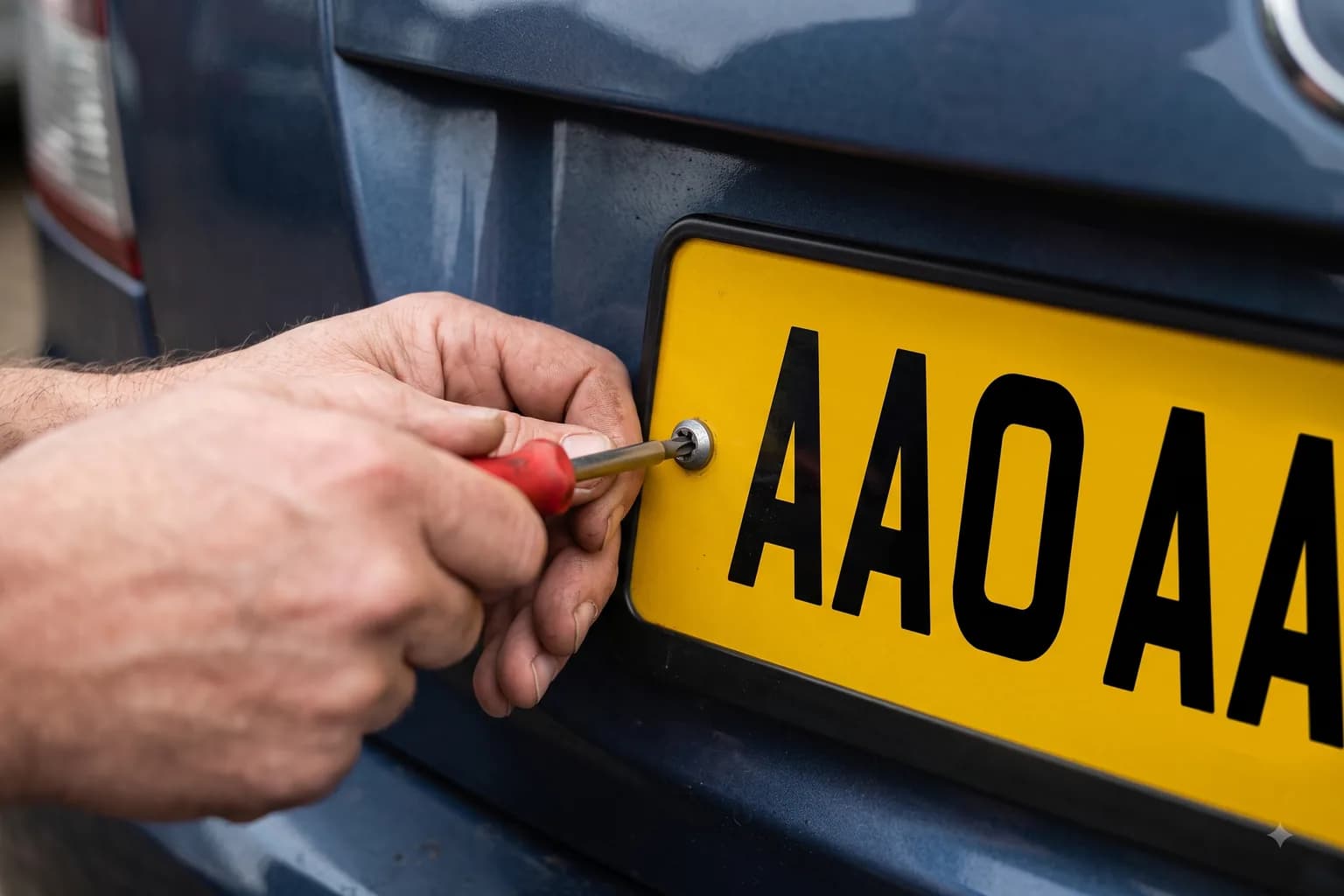
Plate cloning is not new, but several conditions have made it easier to carry out and harder for ordinary motorists to spot early. The basic method is simple. A criminal copies a legitimate registration from a vehicle that looks broadly similar to the one they are using, fits duplicate plates, and then drives under someone else’s identity. The genuine keeper is left dealing with the fallout.
What has changed is the scale of exposure. Registration numbers are visible by design. They are seen in car parks, on roads, in public photos and on vehicles advertised for sale. That gives fraudsters plenty of opportunities to identify a suitable target. If they can obtain a matching make, model and colour, the clone becomes far more convincing when viewed by cameras or reported by witnesses.
At the same time, enforcement systems are now everywhere. ANPR networks, car park cameras, congestion charging, clean air zones and private parking enforcement have created a landscape where a cloned plate can trigger repeated notices very quickly. That does not create cloning by itself, but it increases the damage cloning can cause. One copied registration can now generate multiple incidents in a short period.
There is also a practical issue in the supply chain. Unauthorised duplication remains a risk wherever identity checks are weak or inconsistent. A registration mark is only as secure as the processes around creating and verifying the plate. Where controls are loose, criminals find room to operate.
The signs that plate cloning is becoming more common
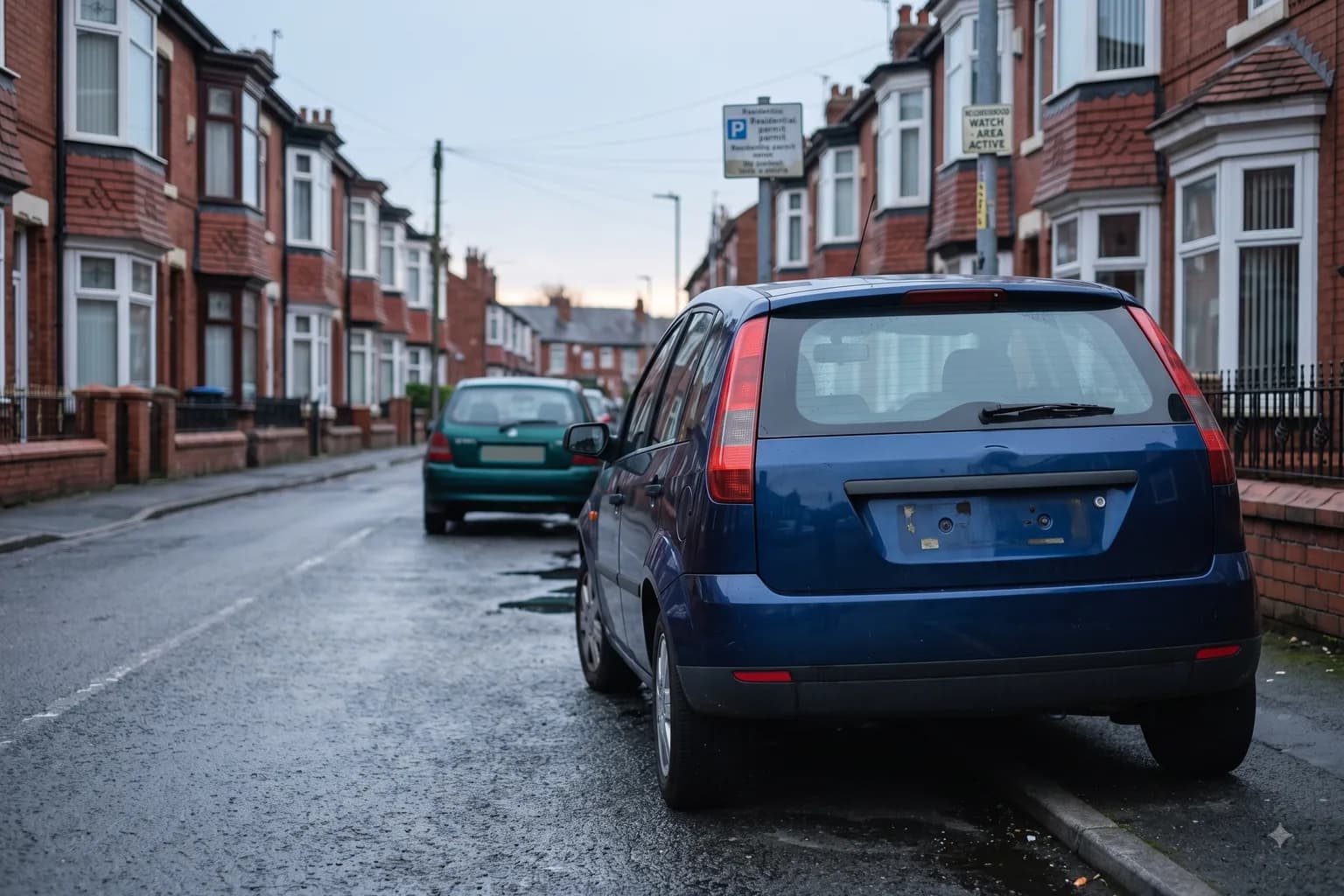
For most drivers, the question is less about national statistics and more about what they are seeing in real life. The pattern is familiar. A motorist receives a parking charge from a town they have never visited. A fleet manager starts seeing toll or congestion notices for vehicles that were elsewhere at the time. A driver is stopped and asked about journeys they did not make. These are not minor admin errors. They are often the first signal that a registration has been compromised.
The perception that plate cloning is increasing comes from this growing visibility. More enforcement touchpoints mean more opportunities for cloned identities to surface. That creates a stronger sense of frequency, and in many cases a real increase in reported incidents.
It is worth being precise here. Not every disputed notice is cloning. Misread characters, outdated records or simple administrative mistakes can also happen. But when the vehicle details, location history or timing do not line up, cloning moves quickly from possibility to probability.
Why cloned plates are so attractive to criminals
A cloned registration gives a criminal distance from the offence. Speeding, fuel theft, parking fraud, toll evasion and more serious criminal activity can all be carried out behind the identity of an innocent keeper. That is exactly why this type of fraud persists.
It is low friction compared with other forms of identity misuse. The plate is public. The victim often has no idea their registration has been copied. And unless there is active monitoring, the first alert usually comes after an offence has already been recorded. That delay matters. It gives the fraudster time to keep operating while the legitimate driver is still unaware.
For organised offenders, the appeal is obvious. Vehicle identity is a useful shield. For opportunists, it can be a quick way to avoid penalties. Either way, the cost falls on the innocent party in stress, time, correspondence and reputational risk.
Is plate cloning increasing for private drivers and fleets?
Yes, but the impact looks slightly different depending on who you are.
For private motorists, the damage is often personal and immediate. You may face fixed penalty notices, parking charges, disputed tolls or the anxiety of police interest in a vehicle that is legally yours but operationally duplicated elsewhere. Even when you can prove your case, the burden of sorting it out lands on you.
For fleets, the risk is multiplied across every vehicle in operation. More assets on the road means more public exposure of registration marks and more administrative complexity when something goes wrong. A cloned fleet plate can create cost, downtime and confusion across compliance teams, drivers and finance departments. It can also undermine confidence in vehicle records if alerts are not verified quickly.
That is why more commercial operators are treating number plate protection as an active security requirement, not a reactive paperwork issue.
What makes the problem harder to control
The uncomfortable truth is that number plate cloning sits in the gap between visibility and verification. The registration is visible to everyone, but confirmation of legitimate use does not always happen in real time. Once a duplicate plate is on a vehicle, many systems only see the registration itself. They do not automatically know that two cars are now presenting the same identity.
That is where traditional responses often fall short. Replacing plates after fraud has been detected may help in some cases, but it does not stop the original misuse from happening. Waiting for a driver to receive a notice is also too slow. By then, the cloned identity has already been used.
A stronger model is based on registration, detection and alerting. Register the legitimate credentials of the plate. Monitor for suspicious duplication activity. Trigger an instant alert when something does not look right. That approach gives vehicle owners a chance to respond before a cloned identity causes wider damage.
How to reduce your risk now
Drivers cannot make their registration invisible, but they can make misuse easier to detect and harder to sustain. Start with the basics. Keep records of where your vehicle was, particularly if you manage a fleet. Be cautious about publishing clear plate images alongside detailed location information when advertising or posting online. Check any unexpected notice carefully rather than assuming it must be an error on your side.
The bigger step is to move from passive ownership to active monitoring. If your number plate is part of an encrypted tracking database and linked to rapid alerts, suspicious duplication can be identified far sooner than it would through enforcement letters alone. That shortens response time, reduces uncertainty and gives you a stronger position when challenging fraudulent activity.
This is especially relevant if you travel frequently, operate in multiple cities or manage commercial vehicles. The more often your registration is seen, the more valuable early detection becomes.
What to do if you think your plate has been cloned
Act quickly and stay methodical. Compare the notice details against your actual vehicle, location and travel history. Look for differences in make, model or colour where that information is available. Keep copies of photographs, receipts, telematics records, dash cam footage or any other evidence showing where your vehicle was.
Report the issue through the appropriate channels and challenge any incorrect penalties with evidence. If you are using a monitoring platform, check for duplication alerts and verification records. Speed matters here because the longer a cloned plate remains in circulation, the more incidents can accumulate under your registration.
This is also why specialist prevention has become more relevant. Protect A Plate was built around that exact problem - giving drivers and plate manufacturers a security-led system for registration, detection, verification and rapid alerting before fraud escalates.
The real answer to is plate cloning increasing
If you are asking whether plate cloning is increasing, the practical answer is yes - or at the very least, the consequences are becoming more frequent, more visible and more costly for UK drivers. Publicly visible registrations, easy duplication opportunities and widespread camera enforcement have created the right conditions for cloning to thrive.
That does not mean every driver will be affected. It does mean the risk is no longer niche. Plate identity is now part of your vehicle security profile, just like keys, locks and tracking. Treating it that way is the sensible response.
The most effective protection starts before the first fine arrives. When your plate identity is registered, monitored and checked against suspicious activity, you regain control of something criminals rely on being overlooked. And in a risk area like this, earlier is always better than later.