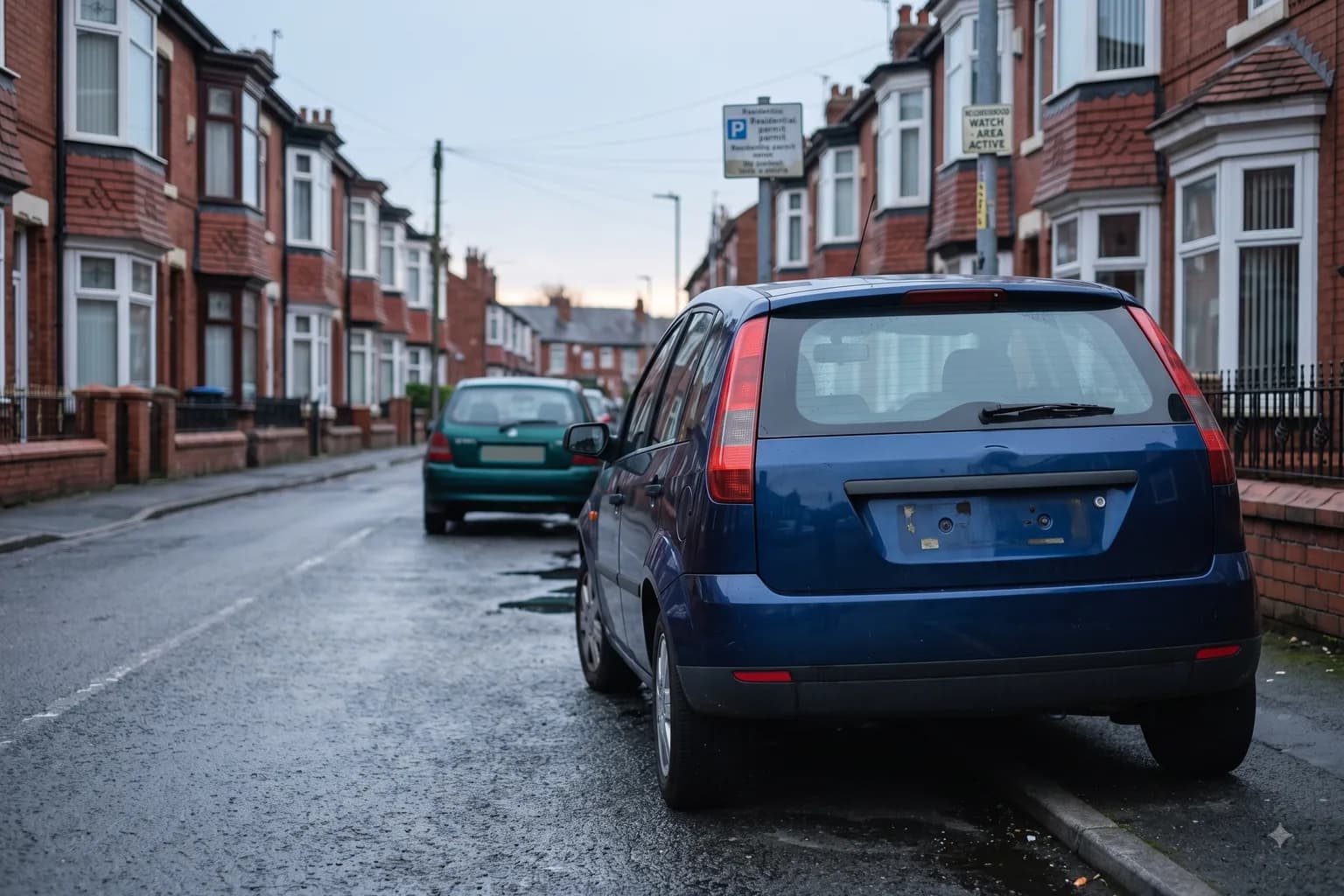
A parking fine arrives for a place you have never been. Then a toll notice follows. That is often the moment drivers start asking how to verify plate authenticity - but by then, the damage may already be moving through enforcement systems, insurer records and police databases.
Number plate fraud is not a minor admin issue. A cloned or unauthorised plate can expose you to penalties, unwanted scrutiny and serious time spent proving your vehicle was not involved. For private motorists, that means stress and cost. For fleets, it can mean operational disruption across multiple vehicles. The right response is not guesswork. It is verification.
Why plate authenticity matters
A genuine number plate is more than a legal display item. It is part of your vehicle's identity. If that identity is copied, altered or reproduced without authorisation, the consequences can spread quickly. Congestion charges, parking notices, speeding penalties and criminal investigations are all capable of attaching themselves to the wrong registration when cloning is in play.
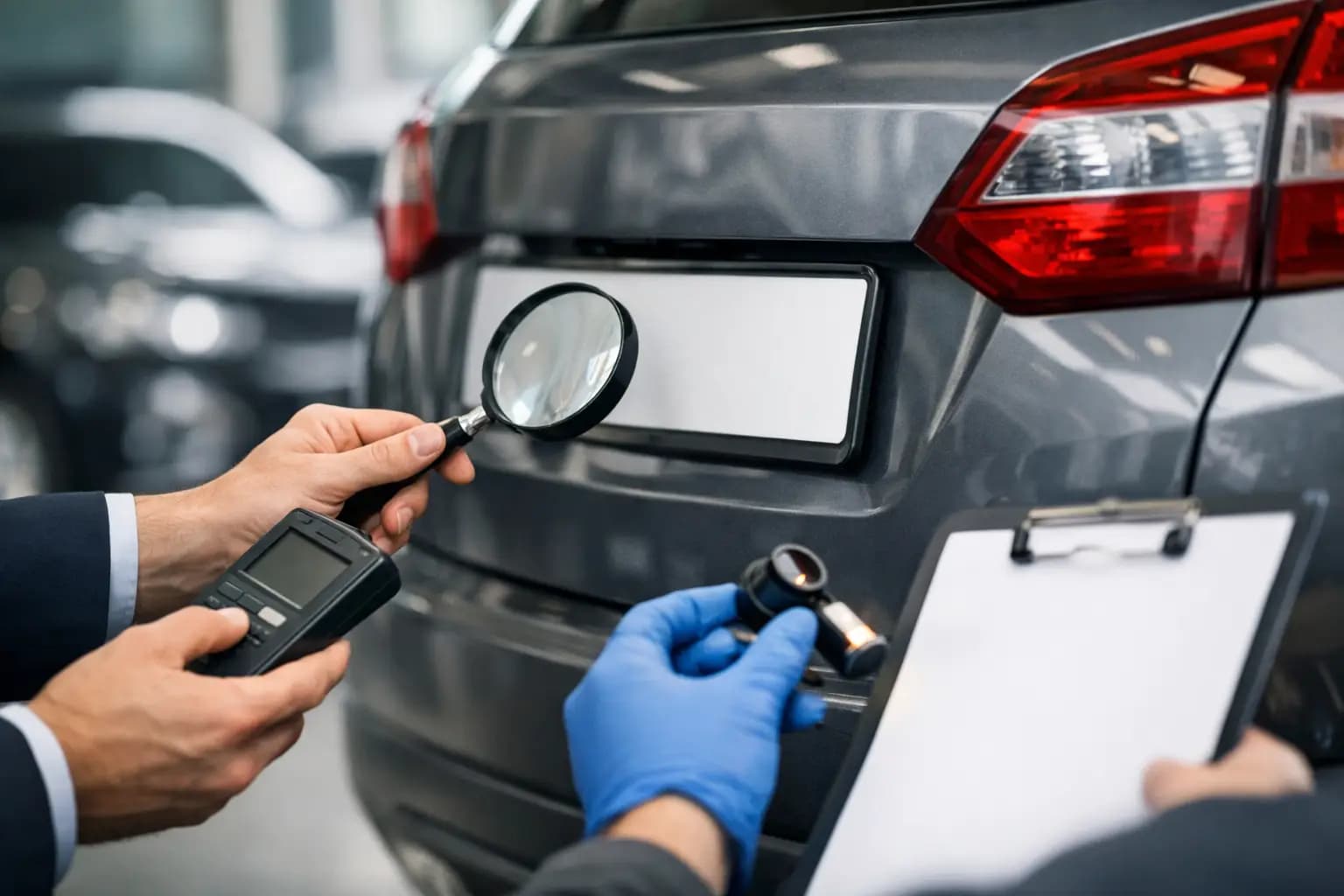
This is why authenticity checks matter at two levels. First, there is the physical plate itself - whether it appears compliant, correctly manufactured and consistent with UK requirements. Second, there is the registration identity behind it - whether the plate is linked to the right vehicle, the right keeper record and any sign of suspicious duplication activity.
Those two checks are not the same. A plate can look legitimate and still be part of a cloning case. Equally, a poorly made novelty plate might be non-compliant without being used fraudulently. Knowing the difference helps you respond properly.
How to verify plate authenticity without relying on appearances
Many drivers start with the obvious signs. Is the spacing correct? Does the font look right? Is the plate damaged, faded or oddly fixed? Those checks are useful, but they are only the first layer.
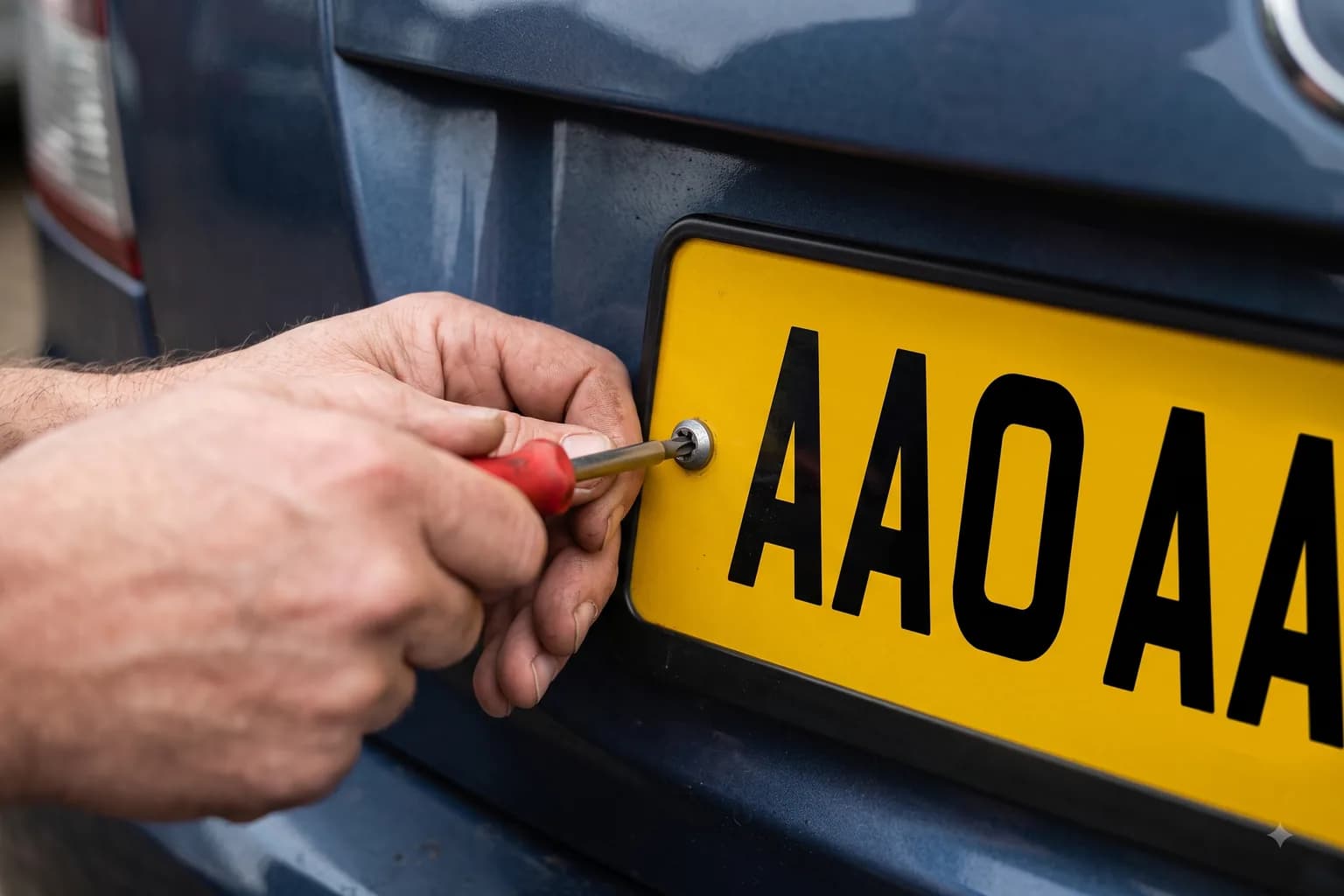
A UK number plate should follow the prescribed format, use the correct typeface and show the supplier details and British Standard marking where required. If any of that is missing, it raises questions about legitimacy. Yet physical compliance alone does not prove the registration has not been duplicated elsewhere.
That is where drivers often get caught out. A cloned plate is usually designed to look convincing. Criminals do not normally choose a plate style that draws attention. They copy a genuine registration and place it on a similar vehicle precisely because it blends in. So if you are trying to work out how to verify plate authenticity, visual inspection is necessary but not sufficient.
Check the registration against the vehicle
The next step is to confirm whether the plate matches the vehicle it is displayed on. If you are checking your own car, make sure your registration details align with the make, model and colour recorded in official vehicle records and insurer documentation. If you are checking a vehicle before purchase, this becomes even more important.
Mismatches are a warning sign. If the plate returns vehicle details that do not correspond with what is in front of you, stop there. That can indicate cloning, false display or a deeper paperwork problem. It does not always mean organised fraud - administrative errors happen - but it absolutely means the plate should not be trusted at face value.
For fleet operators, this check should be routine rather than occasional. The larger the fleet, the easier it is for an anomaly to sit unnoticed until enforcement notices begin to land. Verification works best when it is built into a standard process, not treated as a reaction after the fact.
Signs a number plate may not be authentic
Most suspicious plates do not announce themselves clearly. Still, there are recurring indicators that deserve attention.
One is poor plate construction. If the characters appear misaligned, the reflective background is substandard, or the material quality looks inconsistent with a legal road plate, caution is justified. Another is registration activity that does not fit your vehicle's real-world use. A clean family car should not be generating incidents in multiple locations at impossible times.
There is also the pattern problem. One incorrect notice may be a clerical issue. Several notices, or sightings far from your vehicle's actual location, point to something more serious. The same applies if a plate manufacturer, dealer or fleet manager identifies duplicate production concerns or gaps in plate issue records.
Authenticity is not just about what you can see. It is about whether the registration behaves like a single, controlled identity. If it starts behaving like two vehicles at once, that is the red flag.
How to verify plate authenticity using active monitoring
This is where prevention becomes stronger than replacement. Traditional responses tend to start after fraud has already generated harm. You challenge fines, gather evidence and try to prove your innocence. That process is slow, reactive and often frustrating.
Active monitoring changes the position. Instead of waiting for letters and penalties, a registered plate can be tracked for suspicious duplication signals and status changes. That gives drivers and operators a chance to act earlier, while the issue is still developing.
For anyone serious about how to verify plate authenticity, this is the practical shift that matters most. Verification should not be a one-off glance or a single database check. It should be an ongoing security process built around registration, detection and alerting.
Protect A Plate approaches this through proprietary tech and an encrypted global tracking database, allowing plate status to be checked and suspicious duplication activity to trigger rapid alerts. That matters because speed matters. The earlier a cloning issue is detected, the easier it is to contain the fallout.
What plate verification can and cannot tell you
Verification is powerful, but it is worth being precise about its limits. It can help confirm whether a plate appears compliant, whether the registration matches the expected vehicle profile, and whether suspicious duplication signals are emerging. It can also create an evidence trail showing that you acted responsibly and early.
What it cannot always do instantly is identify the person using a cloned plate or reverse every consequence overnight. If fines or allegations have already entered formal systems, those still need to be challenged properly. Verification strengthens your position, but it does not remove the need for correct reporting and documentation.
That is why the best security posture is layered. Physical checks matter. Record checks matter. Monitoring matters. Alerts matter. Each one closes a gap the others leave open.
When to act immediately
If you receive a notice for an event your vehicle could not have been involved in, treat it as urgent. The same applies if you spot your registration on a similar vehicle, discover repeated location anomalies, or identify any evidence that a plate has been manufactured or supplied outside authorised channels.
Do not wait to see if the problem repeats. Fraud rarely improves with time. Preserve your evidence, document where your vehicle actually was, and start the verification process straight away. For businesses handling multiple registrations, isolate the affected record and review whether other plates could be exposed to the same risk.
There is a practical difference between concern and proof, but both deserve action. You do not need complete certainty before you begin securing your plate identity.
A stronger standard for drivers and plate suppliers
For individual motorists, plate authenticity verification is now part of sensible vehicle security. For fleets and manufacturers, it should be treated as operational control. The old model - issue a plate, assume it is safe, and react only if a problem appears - leaves too much room for misuse.
A more secure standard is straightforward. Register the plate identity properly. Verify that the displayed registration matches the correct vehicle. Monitor for suspicious duplication activity. Use instant alerts to shorten the gap between threat and response.
That approach is not about creating extra admin. It is about keeping control of an asset that can be copied more easily than most drivers realise. If your number plate is your vehicle's public identity, then verifying its authenticity is not optional housekeeping. It is basic protection.
The sooner you treat your plate like a security credential rather than a simple identifier, the less chance fraud has to get ahead of you.