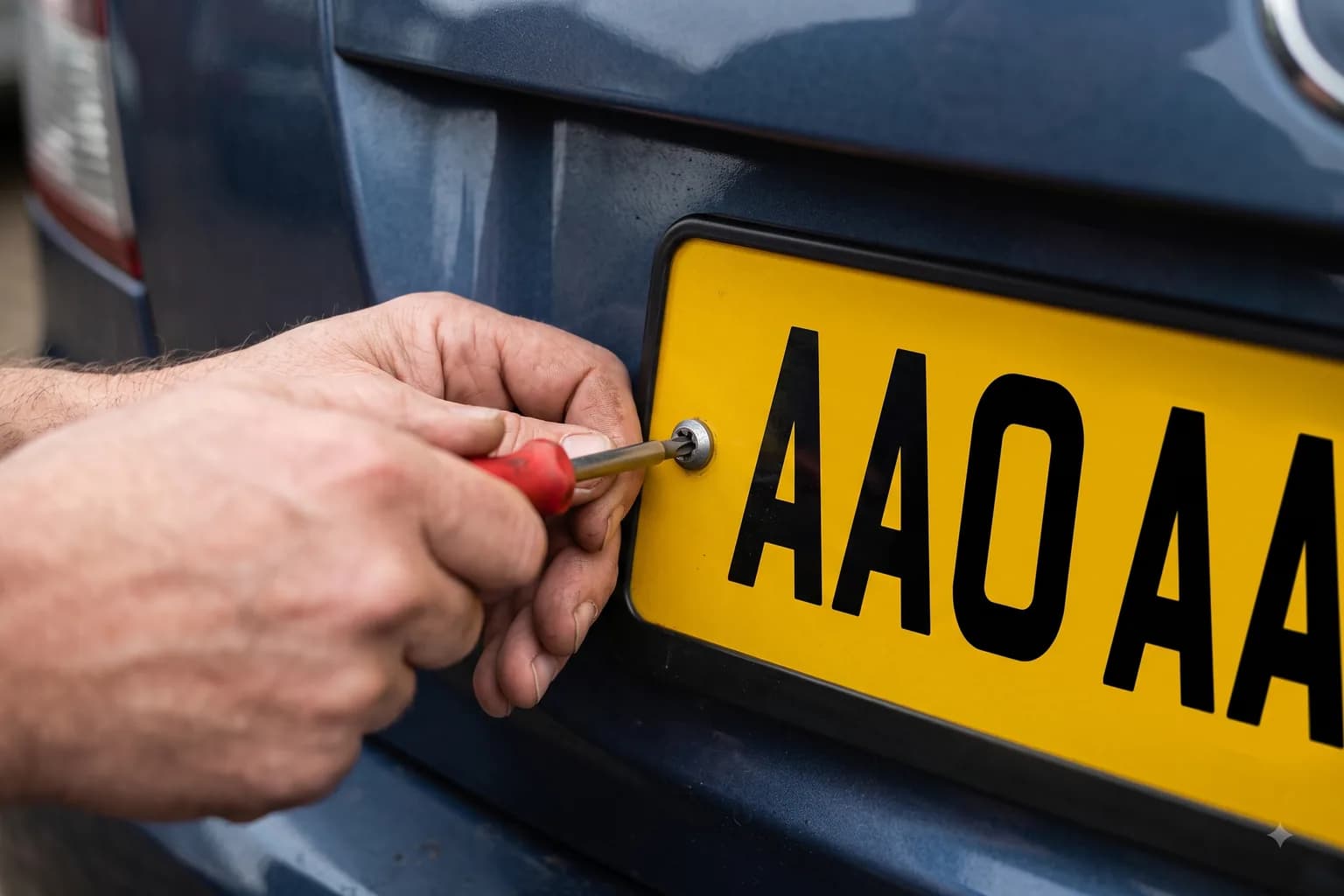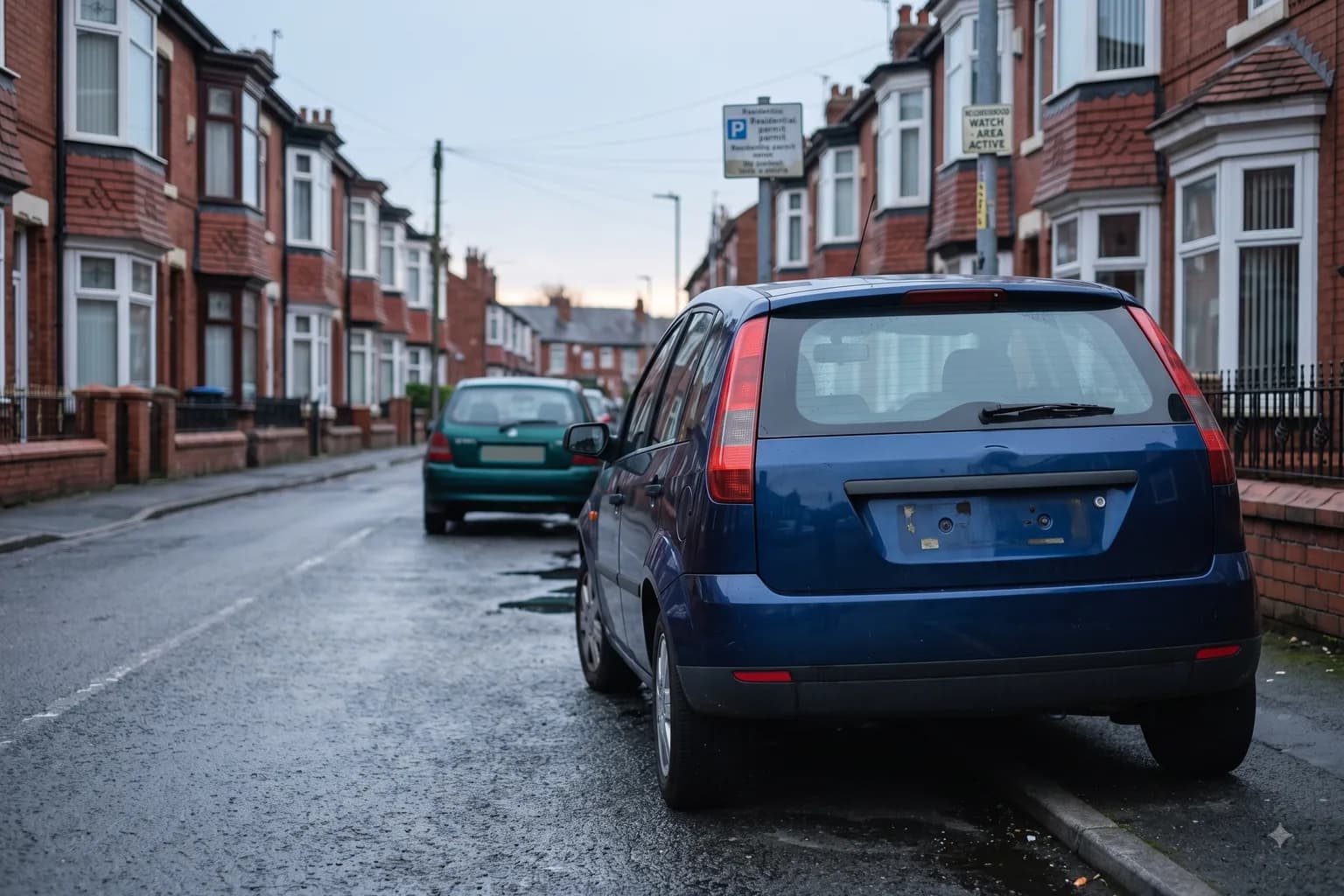
A parking charge for a place you have never visited, a speeding notice from the other end of the country, or a fuel theft allegation can be the first sign that your registration mark is being misused. Knowing how to trace plate duplication gives you a faster route from suspicion to evidence, so you can protect your vehicle identity before incorrect penalties and enforcement action escalate.
Plate duplication is not always the same as plate cloning. A legitimate replacement plate may be produced for the registered keeper through a compliant supplier. Cloning happens when someone displays your registration mark on another vehicle, often to avoid detection while committing motoring offences, evading charges or obtaining fuel. The visible plate is only part of the issue. The real risk is that your vehicle identity is being attached to someone else's activity.
How to Trace Plate Duplication: Start With the Notice
Do not ignore a letter, email or notice simply because the allegation is clearly wrong. Dates, locations and vehicle details can disappear from systems, and response deadlines still apply. Keep the original notice and create a simple record of when it arrived, who sent it and the deadline for challenging it.
Read the evidence carefully. Focus on the date and exact time, the location, the vehicle make, model and colour, and any photographs supplied. A cloned vehicle may use a registration mark identical to yours but differ in body shape, trim, badges, wheels, roof rails, damage or number plate styling. Even a small mismatch can be decisive.
If the image appears to show your vehicle, check whether it could realistically have been there. Your diary, work rota, delivery records, parking receipts, dashcam footage, mobile location history and CCTV from home or work may help establish where the vehicle was at that time. Do not alter files or rely on memory alone. Save original records, screenshots and images with their dates intact.
A single notice can be an error. A pattern of notices from distant locations, particularly at overlapping times, is stronger evidence that a duplicate plate may be in use. Treat repeat incidents as an active security matter, not a series of isolated admin problems.
Build an Evidence File That Stands Up to Scrutiny
A clear evidence file makes it easier for the police, enforcement bodies, insurers and fleet managers to understand the issue quickly. Use one folder, digital or physical, and keep it in date order. Include copies of every notice, correspondence, photographs and reference number.
Take current, well-lit photographs of your vehicle from the front, rear and both sides. Capture distinctive details such as stickers, alloy wheels, dents, accessories, paintwork and any approved plate markings. Photograph the registration plates closely enough to show their condition, lettering style and supplier details where present.
It also helps to record the vehicle identification number, make, model, colour, MOT information and the location where the vehicle is normally kept. For a fleet vehicle, add the driver allocation, telematics data and dispatch records. These details help demonstrate that the vehicle connected to the allegation is not yours.
Avoid publishing a suspected clone image across social media with accusations. It can compromise an investigation, spread incomplete information and create legal risk if the vehicle or driver has been misidentified. Share evidence directly with the relevant authority instead.
Report suspected cloning promptly
Report suspected plate cloning to the police using the appropriate reporting route, particularly where there is evidence of criminal activity, repeat misuse or an immediate risk. Ask for and retain a crime reference number. This reference can support challenges to enforcement notices and discussions with your insurer.
Contact each organisation that has issued a penalty, charge or allegation. Explain that you believe your registration mark has been cloned, provide the crime reference number if available, and send only the evidence needed to show the discrepancy. Request written confirmation that the case is being reviewed or placed on hold while the matter is investigated.
This is not an admission of liability. It is a timely, factual challenge. Keep copies of what you send and note the date, method and any case number. If an organisation rejects your first response, follow its stated appeal process and submit the evidence again in a structured format.
Check the Vehicle Details, Not Just the Registration
A number plate is designed to identify a vehicle, but criminals rely on the fact that many systems initially match only the registration mark. Tracing duplication means looking beyond those characters.
Compare the alleged vehicle against yours in detail. Is the colour precisely the same? Does the vehicle have the same number of doors, wheel design, grille, lights or body style? Is the number plate spaced or styled differently? Does the photo show a different tax disc holder, company livery, tow bar, roof box or window tint?
A clone may be a similar vehicle because that is less likely to attract attention, but it does not need to be identical. A black hatchback displayed as your white saloon is a straightforward distinction. More difficult cases may involve the same make, model and colour. In those circumstances, the exact time and location evidence becomes especially valuable.
If you receive an image from a camera enforcement system, request a clearer copy where the existing image is insufficient to identify key differences. Be specific about what you need to assess, such as the full front or rear view, plate appearance or vehicle markings.
Use Active Monitoring Rather Than Waiting for Another Letter
Traditional responses begin after a fine or enforcement notice arrives. That approach leaves the vehicle owner reacting to damage already done. Active monitoring is designed to identify suspicious duplication activity earlier, creating a record that can support a rapid response.
Protect A Plate uses proprietary tech and an encrypted global tracking database to support plate registration, detection, alerting and verification. Once plate credentials are registered, suspicious activity can be flagged through instant email, SMS or push notifications, giving the keeper or fleet operator a chance to investigate before a situation grows more complicated.
For private motorists, this provides a practical layer of control around an identity that is publicly displayed every day. For fleet operators, monitoring can reduce the time spent untangling notices across multiple vehicles, drivers and routes. The value is not simply receiving an alert. It is having a documented security process ready when a discrepancy appears.
Monitoring does not replace police reporting or a formal appeal. It strengthens your ability to spot patterns, retain a timeline and act with evidence. The sooner a suspected duplicate is identified, the easier it is to separate your legitimate vehicle from the offender's activity.
What to Do if You Are Replacing Plates
If your plates are damaged, faded, stolen or need replacing, use a legitimate, compliant plate supplier and keep the transaction record. A responsible supplier should follow identity and entitlement checks before producing a registration plate. Retain the invoice, date of purchase and any related documentation in your vehicle records.
There can be valid reasons for replacement plates, but a replacement should never create uncertainty about who authorised it. If you are a plate manufacturer, secure registration workflows and traceable production records are essential. They protect customers, support compliance and make it harder for unauthorised duplication to pass unnoticed.
If your plates have been physically stolen, photograph the vehicle and report the theft. Consider whether replacing the registration mark through the relevant official process is appropriate, especially if misuse continues. This can be disruptive and is not always necessary, but it may be considered where the risk remains persistent despite reporting and evidence gathering.
Keep Control of the Timeline
Tracing plate duplication is rarely solved by one phone call. Different organisations may hold different pieces of the picture: a parking operator may have images, the police may have a crime report, and an insurer may need notification if the issue affects your policy or claims history. Your timeline joins those pieces together.
Record every contact: the organisation, date, person or department, reference number, action agreed and next deadline. Follow up in writing after telephone conversations. A concise record is more persuasive than repeated, frustrated explanations.
For business vehicles, nominate one person to manage the case while drivers continue to submit evidence promptly. Central control prevents missed deadlines and inconsistent responses. It also helps identify whether several alleged incidents involve one cloned vehicle or separate attempts to misuse the same registration mark.
The key is to act while the evidence is fresh. A registration mark should identify your vehicle, not expose you to someone else's offences. Protect the records, challenge incorrect allegations quickly and use active detection to keep control of your automotive identity.