A cloned plate can start costing you before you even know it exists. The first sign is often a parking charge, speeding notice or toll demand for a journey you never made. If you are looking for how to stop number plate cloning, the key is not just reacting quickly after fraud happens - it is putting active protection in place before someone copies your registration.
Why number plate cloning keeps happening
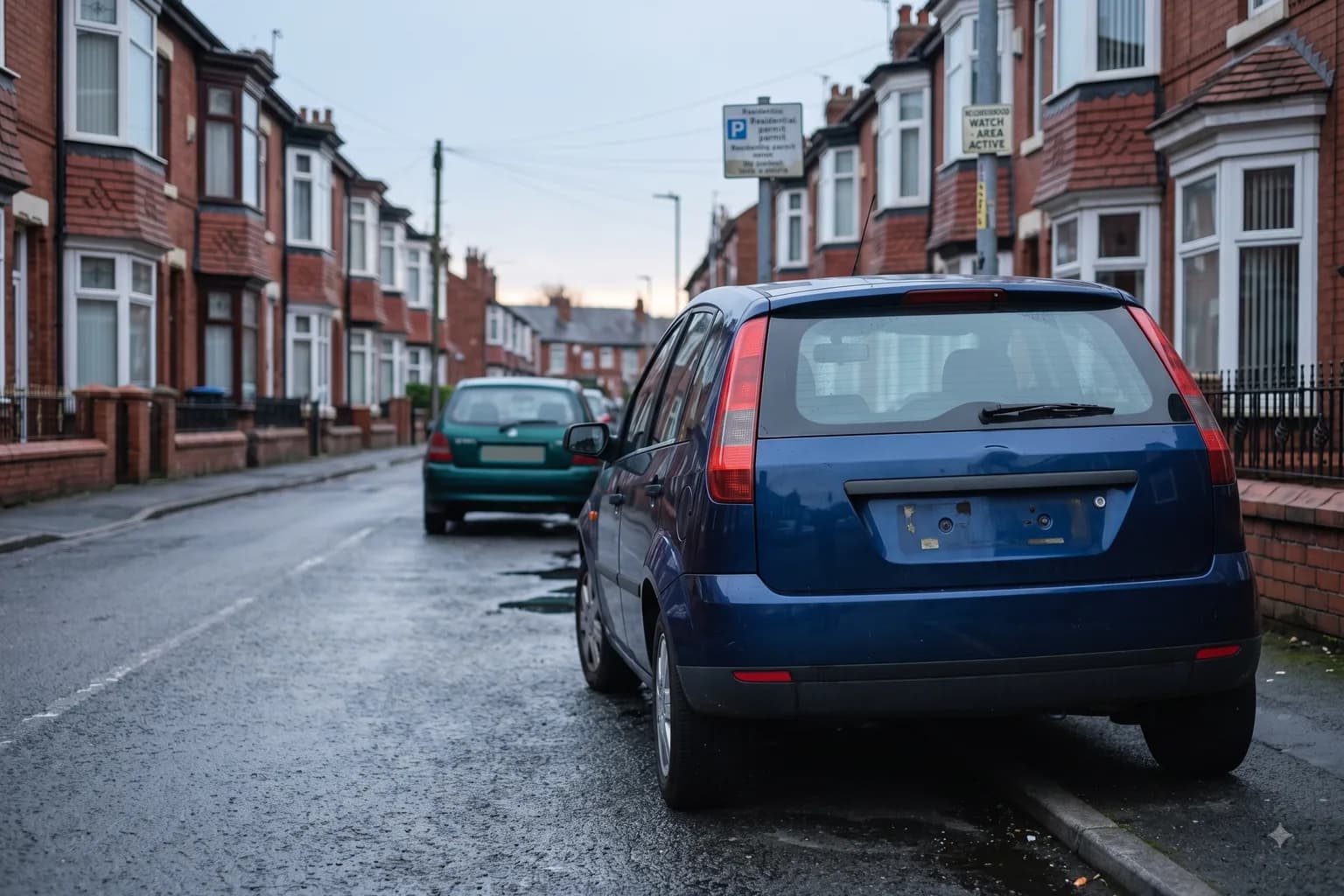
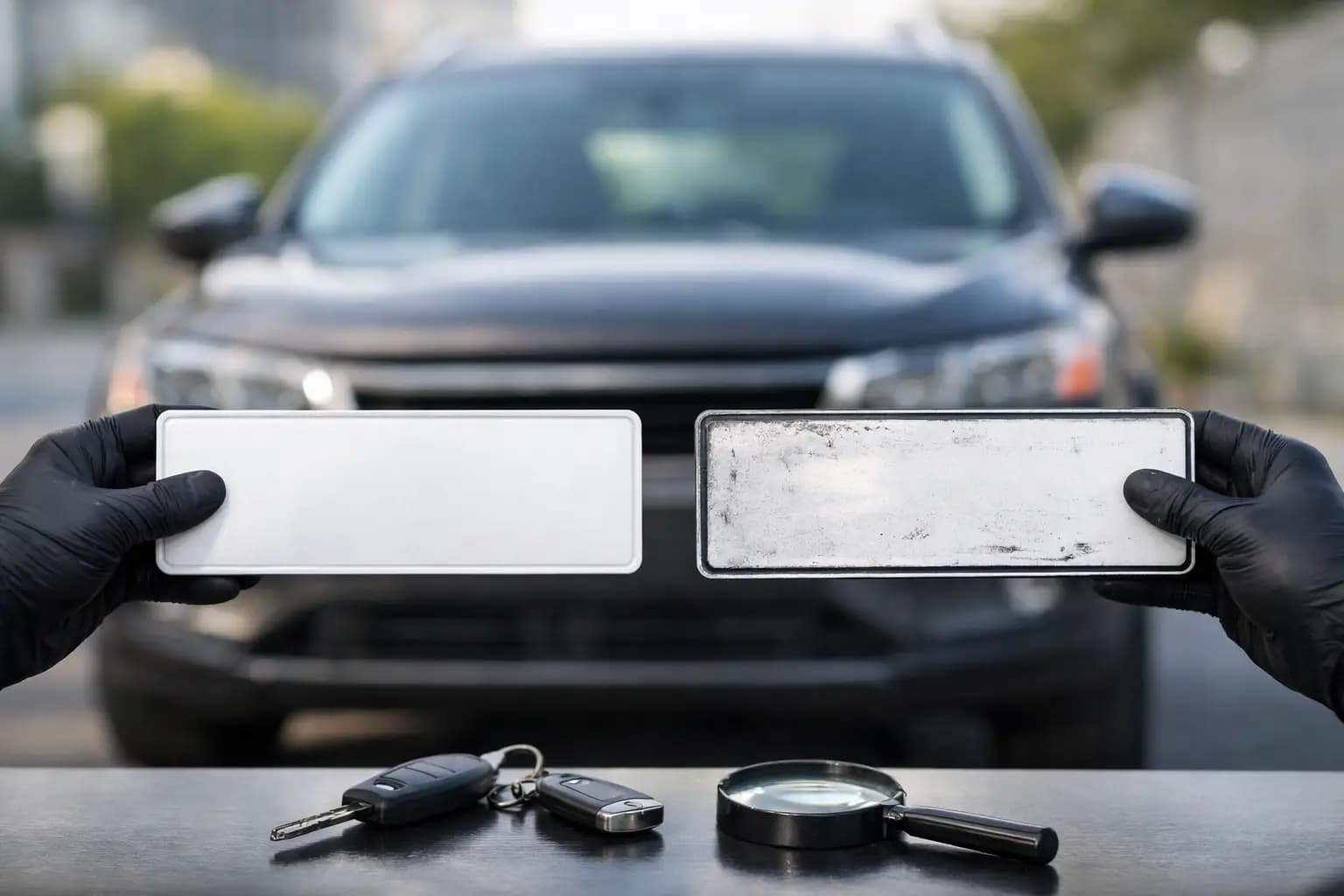
Number plate cloning is simple in principle. A fraudster copies a legitimate registration from a vehicle that looks broadly similar to their own and fits duplicated plates to another car, van or motorbike. From that point on, cameras, enforcement systems and members of the public can mistake their vehicle for yours.
That creates a messy chain of consequences. Private motorists can receive fines, penalty notices and demands for payment. Fleet operators can waste hours proving where a vehicle really was. Businesses can also face reputational damage if cloned plates are linked to fuel theft, dangerous driving or criminal activity.
The reason cloning persists is that standard vehicle records were never designed as a live fraud-prevention layer. Most drivers only discover the problem after enforcement action lands on the doormat. By then, the clone may already have been used multiple times.
How to stop number plate cloning before it starts
If you want to know how to stop number plate cloning in practical terms, the answer is to make your registration harder to duplicate, easier to verify and faster to flag when suspicious activity appears.
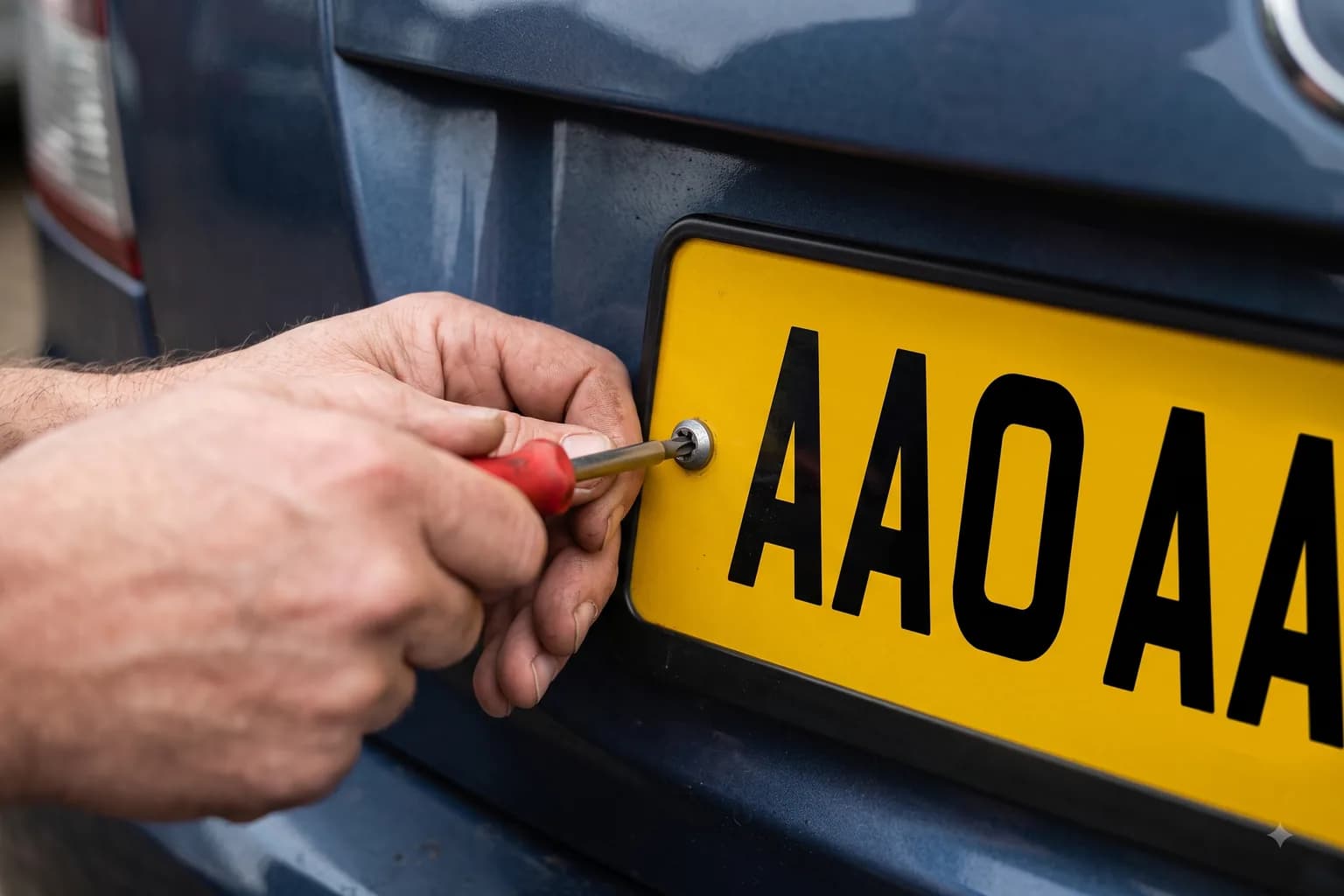
That starts with understanding one uncomfortable truth: there is no single physical product that guarantees your plate will never be copied. Security screws may help prevent theft from the vehicle itself, but cloning does not always involve stealing your actual plate. In many cases, a criminal simply reads the registration and orders a duplicate elsewhere.
That is why prevention needs three layers - secure registration, active detection and instant alerting.
Register your plate details in a secure system
Your number plate is part of your vehicle identity. Treat it that way. A secure registration process creates a trusted record of ownership and status, giving you a reference point if duplication is suspected.
For private drivers, this means having a verified record attached to your registration. For fleets and plate manufacturers, it means tighter control over who creates plates, when they are issued and how records are stored. An encrypted tracking database gives that process structure and traceability.
This matters because when a dispute happens, speed matters. The faster you can show that your plate is registered, monitored and linked to the correct vehicle identity, the stronger your position when challenging fines or suspicious activity.
Use monitoring, not guesswork
Many vehicle owners assume they will spot cloning quickly. In reality, most do not. You are unlikely to know a duplicate exists until an external notice arrives, and even then the incident may be weeks old.
Active monitoring changes that. Instead of waiting for a letter, you place your registration under ongoing watch for suspicious duplication signals. That gives you the chance to act earlier, gather evidence sooner and reduce the window in which a cloned plate can be used unchecked.
This is where a dedicated system is more useful than general admin. A specialist platform built around detection and verification is designed for this exact threat. It does not replace official processes, but it gives you a practical line of defence before matters escalate.
Set up instant alerts
A delayed response gives fraudsters time. Immediate alerts by email, SMS or push notification help close that gap.
The benefit is straightforward. If suspicious activity is detected, you know about it quickly and can start documenting where your vehicle actually was, check for recent notices and report the issue before it snowballs. For commercial operators, that speed can also reduce internal confusion across drivers, routes and depots.
Warning signs your plate may already be cloned
If you have not yet put protection in place, there are still signals worth taking seriously. The obvious one is receiving a penalty, parking charge or speeding notice for a place you have never been. Another is repeated enforcement correspondence that does not match your vehicle’s movements.
Less obvious signs include failed plate verification, strange questions from insurers, or reports from members of the public about your vehicle being seen somewhere it was not. Fleet managers may spot inconsistencies in mileage, route history or time records that do not line up with camera-based claims.
One notice could be an admin error. A pattern is different. If events start repeating, treat it as a security issue rather than a paperwork annoyance.
What to do if you think your plate has been cloned
First, do not ignore it and do not assume it will sort itself out. Start building a clean timeline immediately. Record where your vehicle was on the date and time in question. Keep dashcam footage if available, parking receipts, job sheets, GPS logs and any other proof of location.
Next, contact the issuing authority or enforcement body and dispute the notice using factual evidence. Be concise and specific. The aim is to show that your vehicle could not have been at the reported location.
You should also report the suspected cloning to the police and inform the DVLA where relevant. If your insurer needs to be notified under your policy terms, do that promptly. For fleets, make sure all internal stakeholders know the registration may be compromised so no one accidentally confirms incorrect activity.
Then deal with the wider risk, not just the individual fine. If one cloned use has happened, more may follow. This is the point at which active plate monitoring becomes especially valuable, because the problem is no longer theoretical.
Physical security helps, but it is not enough
Drivers often ask whether anti-tamper screws, plate covers or secure fittings will stop cloning. These measures can help prevent direct removal or tampering with the plate attached to your vehicle. They are sensible, especially if your vehicle is left in public places for long periods.
But physical security alone does not solve duplication fraud. A criminal does not need your plate in hand to clone your identity. They only need your registration details and access to an unauthorised duplication route.
That is the trade-off many motorists miss. Physical deterrents are useful at vehicle level, but cloning is really an identity problem. If your registration can be copied and used elsewhere without detection, your exposure remains.
Why active protection matters for fleets and trade users
For single vehicle owners, cloned plates are stressful and time-consuming. For fleets, they become operational. A single cloned registration can trigger repeated admin disputes, delay payments, disrupt driver records and create uncertainty around compliance.
Plate manufacturers and automotive trade stakeholders face a different risk. Weak registration workflows and poor record control make duplication easier to hide. That is why secure, auditable processes matter across the supply chain, not just at driver level.
A platform-based approach works well here because it centralises registration, monitoring and status checking in one system. That gives businesses clearer oversight and faster verification when questions arise.
A stronger approach to how to stop number plate cloning
The most effective answer to how to stop number plate cloning is not a single product on a shelf. It is a security model built around prevention, detection and response.
Register the plate properly. Monitor it continuously. Set alerts so suspicious activity reaches you immediately. Keep your records clean and accessible. If you operate multiple vehicles, make sure your staff know what cloning looks like and how to escalate it.
That is the shift from passive ownership to active protection. Instead of waiting for fines to prove something has gone wrong, you create a verifiable trail around the registration itself.
For drivers and operators who want a specialist solution, Protect A Plate applies that model through proprietary tech and an encrypted global tracking database designed to detect suspicious duplication activity and trigger rapid alerts.
A number plate is more than a legal identifier. It is part of your vehicle’s security footprint. The sooner you treat it that way, the less chance a fraudster gets to use your identity as cover.