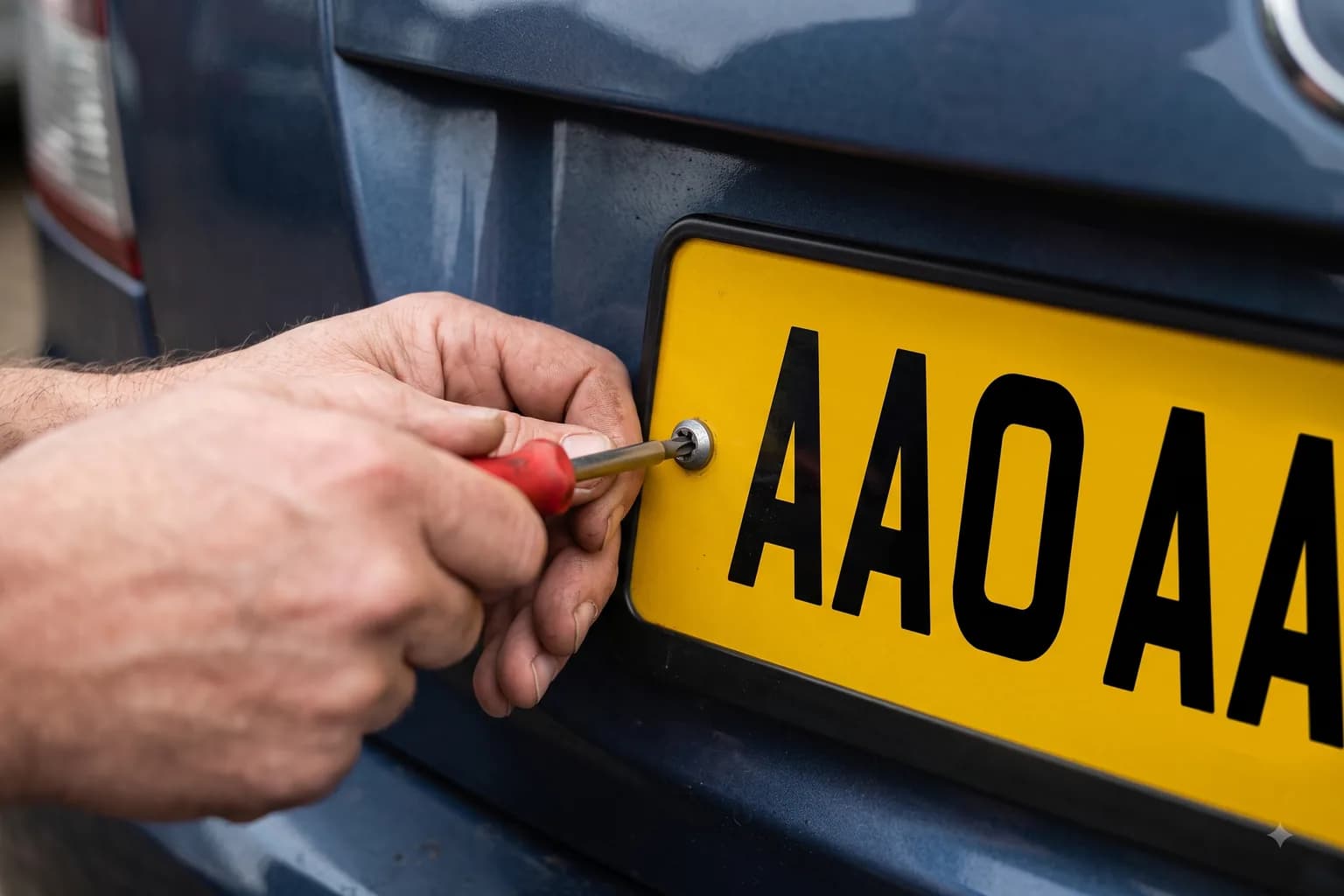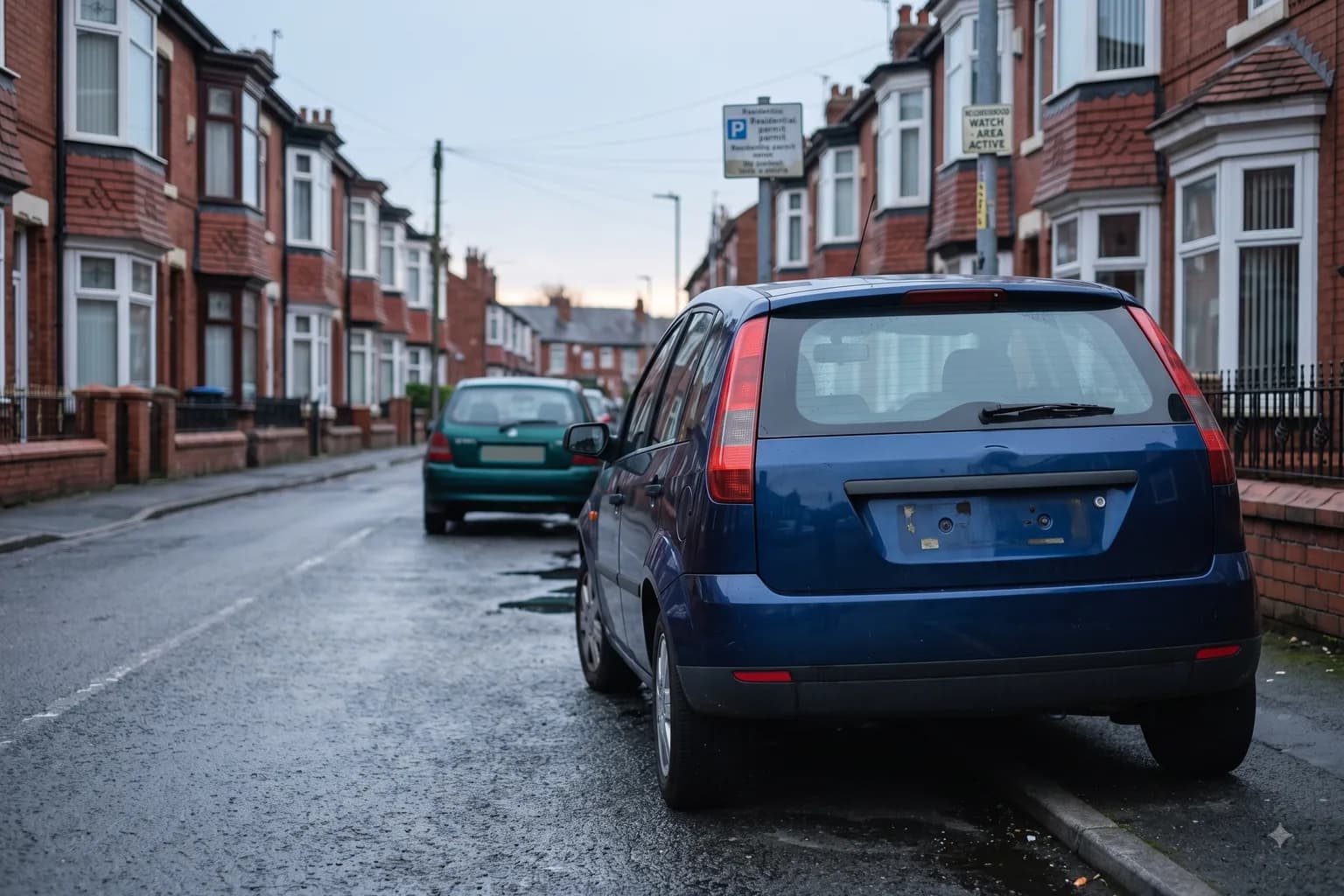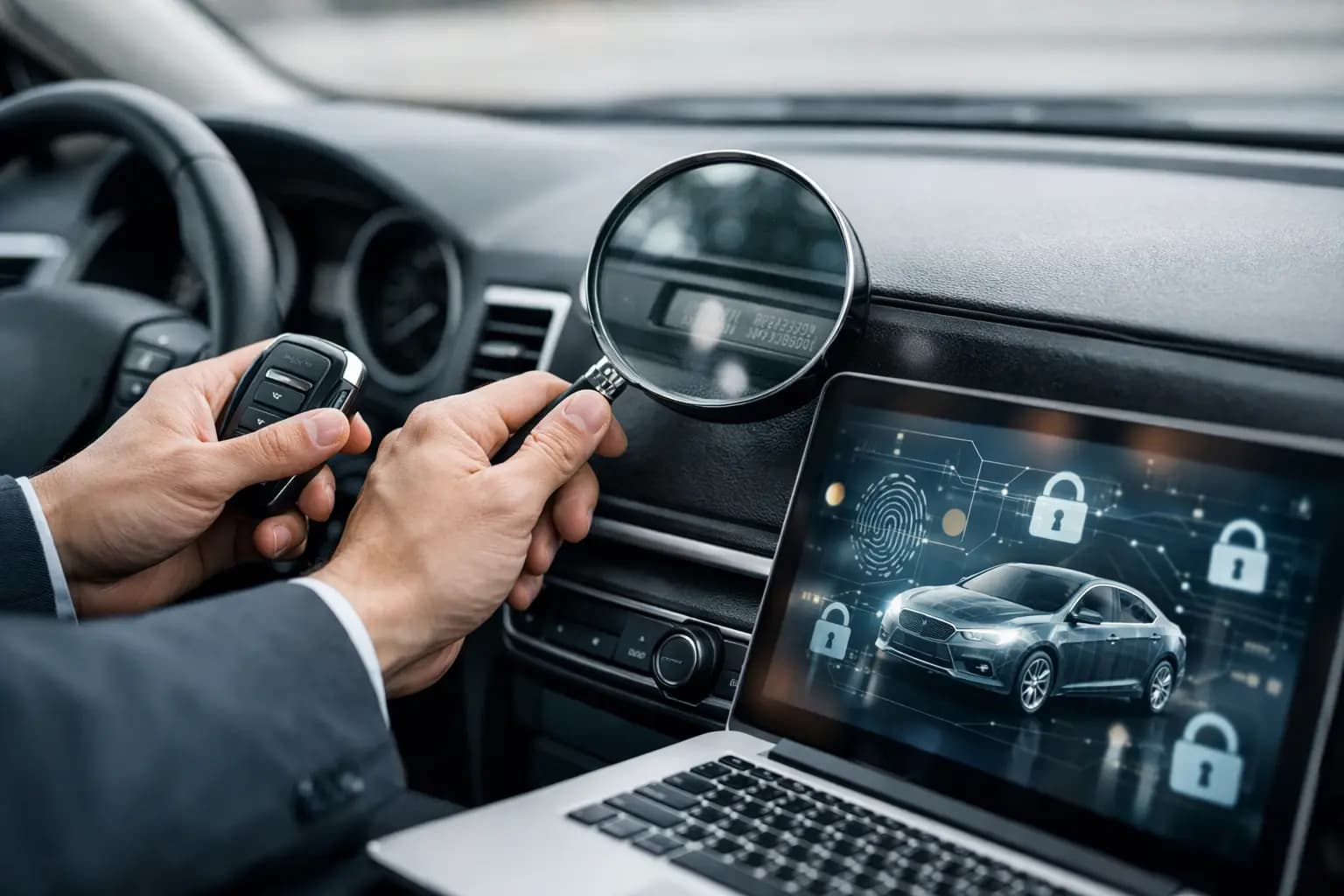
A cloned number plate can trigger a chain of problems before most drivers even realise anything is wrong. Parking penalties, congestion charges, speeding notices and police attention often land with the legitimate keeper first. That is why understanding how to secure vehicle identity is no longer a niche concern. It is a practical step for any UK driver who wants control over their vehicle’s legal and financial exposure.
Why vehicle identity is now a security issue
Vehicle identity used to feel straightforward. You had a registration number, V5C details and physical plates on the car. For many motorists, that still seems like enough. The problem is that fraud has become faster, cheaper and easier to scale, especially when criminals can duplicate a plate and attach it to another vehicle within hours.
Once that happens, the damage is rarely limited to inconvenience. A cloned identity can lead to enforcement letters, insurance complications and time-consuming disputes with authorities or private operators. For fleet managers, the impact can spread across multiple vehicles and create serious administrative pressure. What looks like a simple registration mark is actually a live identity asset, and it needs active protection.
The key shift is this: replacement after fraud is reactive. Security before fraud is preventative. That difference matters.
How to secure vehicle identity from the start
If you want to know how to secure vehicle identity properly, begin with the basics, but do not stop there. Physical ownership records are still necessary, yet they are only one layer. Real protection comes from combining accurate registration, controlled plate creation, detection capability and rapid alerting.
Start by making sure all core vehicle records are accurate and current. The registration mark, keeper details and plate documentation should match exactly. Any inconsistency creates friction later if you need to challenge fines or prove misuse. Keep evidence of lawful plate purchase and any manufacturer records where available. If your plate is ever cloned, clean documentation helps establish your position quickly.
Next, think about exposure. Number plates are visible by design. You cannot hide them, but you can reduce the chance of unchecked duplication by using a system that records and verifies legitimate plate identity. This matters because the greatest weakness in standard ownership is not visibility itself. It is the lack of active monitoring once a plate is in circulation.
Registration alone is not enough
Many drivers assume the DVLA record and legal plate supply process will protect them. Those systems are essential, but they are not designed to give you immediate warning if your identity is being copied and used elsewhere. There is a gap between official registration and real-world misuse.
That gap is where most fraud problems begin. A criminal does not need to take your car to exploit its identity. They only need your registration. Once a duplicate plate is made and fitted to another vehicle, you are left responding to the fallout unless there is a way to detect suspicious duplication activity early.
This is why passive ownership is no longer enough for security-conscious motorists. You need visibility, not just paperwork.
The role of number plate protection in securing identity
For most UK vehicles, the number plate is the public face of the vehicle’s identity. If that identity is copied, the consequences can be immediate. Securing the plate means securing the identity attached to it.
A proper protection system should do more than confirm that a plate exists. It should register the plate’s credentials in an encrypted tracking environment, support verification and monitor for signs that the same identity is being reproduced or misused. That moves security from a static record into an active defence model.
This is where technology changes the outcome. With proprietary tech built around registration, detection and alerting, a driver or fleet operator gains the one thing traditional ownership processes do not provide: early warning. If suspicious duplication occurs, speed matters. The sooner you know, the sooner you can act before notices, penalties or wider fraud build up.
Detection changes the balance
Most people only discover plate cloning after an official letter arrives. By then, you are already on the back foot, trying to prove that your vehicle was not present at a location or involved in an offence. That can be resolved, but it is disruptive and often slow.
Detection changes the balance because it gives you a chance to respond at the point of risk rather than after the damage has spread. If a system flags unusual duplication patterns or status issues tied to your registration, you can begin documenting, reporting and challenging the matter immediately.
For private owners, that can mean avoiding weeks of confusion and repeated correspondence. For fleets, it can prevent one cloned plate from becoming a recurring compliance and cost problem across multiple routes, drivers or sites. Security is not only about stopping every threat outright. It is also about reducing the time between misuse and response.
Why instant alerts matter
Alerts are not a minor feature. They are the operational core of effective vehicle identity protection. Without alerts, monitoring becomes passive data collection. With alerts, it becomes action.
Email, SMS and push notifications each have a place depending on the user. A private motorist may want a straightforward mobile alert. A fleet manager may need notifications routed into a wider compliance workflow. The right method depends on how quickly a user can respond and how formal the evidence trail needs to be.
What matters most is certainty. If suspicious activity is detected, the keeper should know immediately and know what to do next. Delayed awareness is where fraud becomes expensive.
A practical approach for drivers and fleets
There is no single tactic that secures identity on its own. The strongest approach layers prevention and verification.
For individual drivers, that means keeping registration and ownership records tidy, buying plates through legitimate channels and using active monitoring rather than assuming fraud will be obvious when it happens. If your vehicle is used daily for commuting, school runs or business travel, a cloned identity can create disruption very quickly because your genuine movements will need to be separated from the fraudulent ones.
For fleet operators, the stakes are higher because scale increases exposure. More vehicles mean more registrations in public view and more opportunities for duplication. A centralised system that tracks plate status, supports verification and issues instant alerts is usually the more sensible route than trying to handle incidents one by one. It reduces admin pressure and gives the business a clearer audit trail.
Plate manufacturers also have a role. Secure registration workflows and better visibility over lawful plate creation help limit weak points in the supply chain. Prevention works best when it starts before the plate reaches the road.
What good protection looks like
When assessing any solution for how to secure vehicle identity, look for control, traceability and speed. Control means the plate identity is registered and managed in a secure environment. Traceability means there is a clear record that supports verification if a dispute arises. Speed means suspicious activity triggers an immediate alert rather than waiting for a third party to report it.
A searchable plate status tool can also be valuable, especially where verification is needed across different users in the supply chain. That type of visibility supports trust because it helps confirm whether a plate’s status is clear, questionable or under review.
The trade-off is that active protection requires participation. You need to register, maintain accurate information and respond when alerted. But that is a reasonable exchange for reducing the risk of fines, legal hassle and identity misuse attached to your vehicle.
Protect A Plate was built around this exact principle: proactive defence instead of waiting for the problem to arrive in the post.
The real question is how exposed you are willing to be
Most drivers do not think about vehicle identity until something goes wrong. By then, the process is slower, more stressful and more expensive than it needed to be. Securing your vehicle identity is not about adding unnecessary complexity. It is about treating your registration for what it is - a valuable identifier that can be copied, misused and turned against you if left unprotected.
The smartest response is simple. Register accurately, protect the plate, monitor for duplication and act fast when something looks wrong. If your vehicle identity matters after fraud, it matters before fraud too.