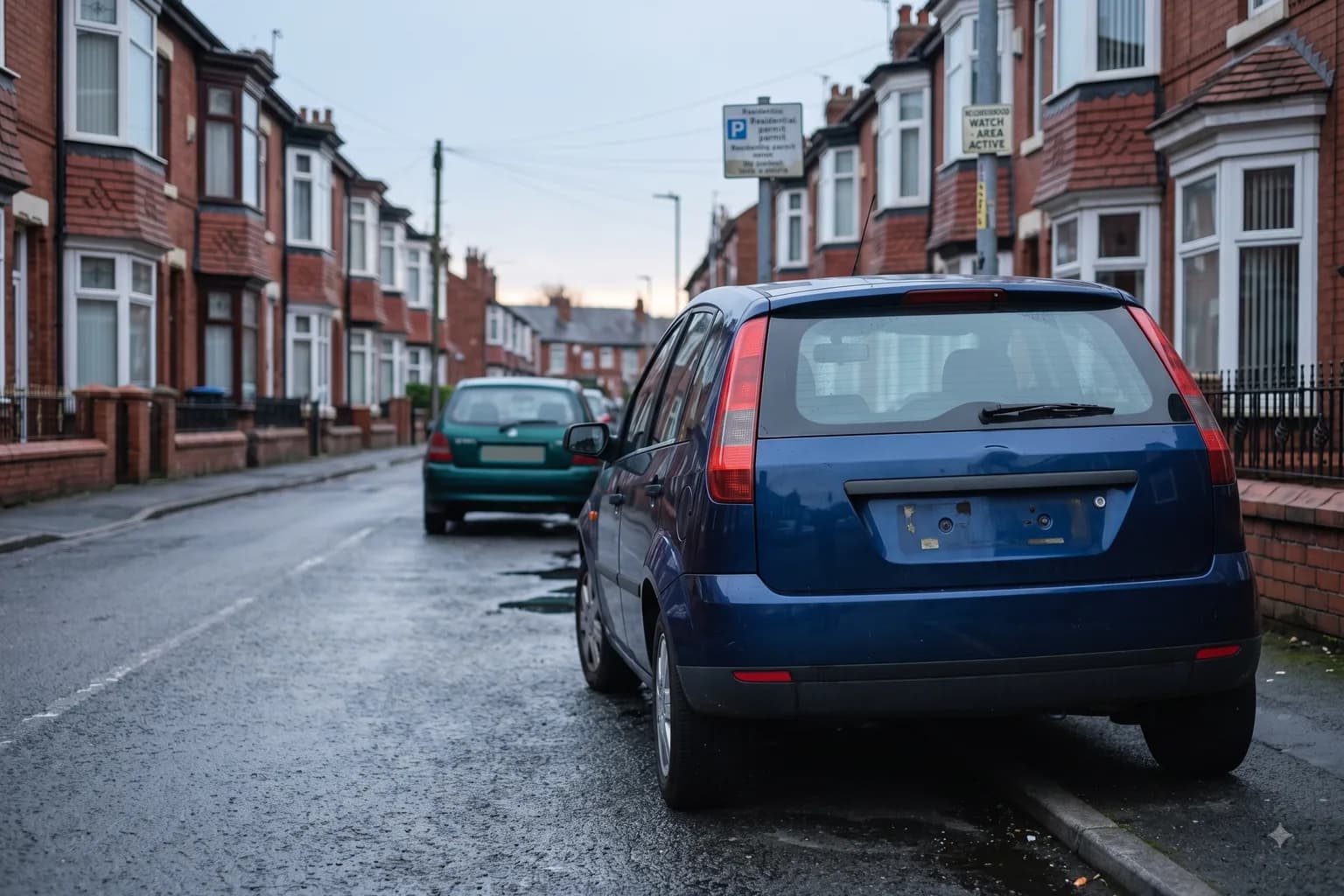
A cloned number plate rarely starts on the road. It starts with weak control over registration credentials - the data, documents and verification steps that prove a plate belongs to the right vehicle and the right keeper. If those credentials are exposed, copied or handled carelessly, fraudsters get a head start and legitimate drivers are left dealing with fines, disputes and reputational damage.
What registration credentials actually include
When people ask how to secure registration credentials, they often think only about passwords or account logins. In practice, the risk is wider. Registration credentials can include vehicle registration details, proof of entitlement, keeper information, plate issue records, manufacturer checks, account access credentials and any verification data used to approve or track a plate.
That matters because number plate fraud is not usually caused by one dramatic breach. More often, it comes from smaller points of failure. A reused password, an unverified request, a document stored in the wrong place or a plate record that cannot be checked quickly can all create an opening.
For private motorists, the issue is personal and immediate. For fleet operators and plate manufacturers, the exposure is larger because one weak process can affect multiple vehicles, drivers or customers at once.
How to secure registration credentials at the point of registration
The first control is simple - collect only what you genuinely need, and verify it properly before anything is approved. If a registration workflow accepts incomplete information or relies on a manual glance rather than a defensible check, fraud becomes much easier to scale.
For vehicle owners, that means treating every registration step as part of your security perimeter. Do not submit sensitive vehicle documents through informal channels, and do not assume every supplier has the same standards. A legitimate registration process should be clear, traceable and structured around verification.
For businesses in the plate supply chain, speed matters, but speed without control creates risk. A fast workflow should still confirm identity, entitlement and plate status before production or activation. If your process cannot show who approved a registration, when it was approved and what evidence was checked, it is too easy for bad data to pass through unnoticed.
Good registration security also depends on consistency. If one team member asks for full verification and another waves through an exception, fraudsters will find the gap. Tight process discipline is not bureaucracy. It is prevention.
Store credentials like high-value identity data
Registration credentials should never be treated as routine admin records. They are identity assets tied to a vehicle, and in the wrong hands they can support duplication, impersonation and false legitimacy.
That means secure storage is non-negotiable. Sensitive records should be held in encrypted systems with controlled access, not scattered across inboxes, shared folders and personal devices. If a member of staff can download, duplicate or forward registration data without oversight, your control is weaker than it looks.
There is a practical balance to strike here. Teams need access to do their jobs, especially in customer service or manufacturing environments where time is critical. But access should be limited by role, not by convenience. A customer support user may need to view registration status, while an administrator may need authority to approve or amend records. Those are not the same level of permission, and they should not be treated as if they are.
Audit trails matter just as much as storage. If credentials are changed, checked or exported, that action should be visible. Silent changes create uncertainty, and uncertainty is where fraud hides.
Protect account access, not just the data itself
One of the most overlooked answers to how to secure registration credentials is this: secure the people and systems that can reach them. Strong encryption is essential, but it does not solve weak sign-ins, shared accounts or poor password practice.
Every account connected to registration systems should use unique passwords and multi-factor authentication. Shared logins should be avoided entirely. If several people use one account, accountability disappears and suspicious activity becomes harder to trace.
This is especially important for fleets and manufacturers. Operational teams often prioritise continuity, so a generic login can seem efficient. In reality, it weakens security and slows incident response. If something goes wrong, you need to know exactly which user accessed which record and what they did with it.
It also helps to review dormant accounts regularly. Former staff, temporary users or legacy admin profiles are common blind spots. They may not look urgent, but they expand your attack surface without adding any value.
Verification must continue after registration
A secure registration event is only the start. Credentials need to remain trustworthy over time, especially where number plate cloning and unauthorised duplication are real risks.
This is where monitoring changes the picture. If your system only stores registration credentials and does nothing else, you are relying on a static record in a dynamic threat environment. Fraudsters do not wait for annual reviews. They exploit delays.
Active detection gives registration data a second purpose. It is no longer just a record of ownership or entitlement. It becomes part of a live security framework that can flag suspicious duplication activity, trigger alerts and support fast verification when concerns arise.
For private drivers, that means fewer nasty surprises arriving by post weeks later. For fleets, it means the ability to spot and contain a wider issue before it affects multiple vehicles. For manufacturers, it strengthens trust in the integrity of the plates connected to your workflow.
Why alerts are critical to credential security
Security is not only about stopping access. It is about shortening the time between a threat emerging and someone taking action. That is why alerting should sit alongside registration and storage, not after them.
If suspicious activity linked to a registration credential is detected, the right person needs to know quickly. Email, SMS and push notifications can all play a role, depending on the urgency and the user. A delayed alert may still be useful for record-keeping, but it is far less effective for prevention.
There is a trade-off here. Too many alerts create fatigue. Too few leave people blind. The answer is not to avoid alerting, but to make it precise. Notifications should be relevant, tied to clear triggers and easy to understand. If an alert arrives, the user should know what happened, why it matters and what to do next.
That clarity is what turns a monitoring platform into a security tool rather than a passive database.
Common mistakes that weaken registration security
Most failures are not caused by advanced techniques. They come from ordinary shortcuts. Sending documents through unsecured channels, storing copies locally, reusing passwords, skipping checks for familiar customers and relying on manual records all make fraud easier.
Another common mistake is assuming fraud will be obvious. It often is not. A cloned plate can look legitimate until enforcement notices, toll charges or customer complaints begin to appear. By then, the damage is already moving.
There is also a tendency to think smaller operators are less likely to be targeted. In reality, weaker controls can make them more attractive. Fraud follows opportunity, not prestige.
A stronger model for plate protection
The most effective approach combines registration, verification, tracking and alerting in one controlled environment. That gives vehicle owners and commercial users a clearer chain of trust from the moment credentials are submitted to the moment suspicious activity is detected.
This is where specialist systems make a difference. Protect A Plate is built around an encrypted global tracking database and a proactive security model designed to detect misuse early, not simply document it after the fact. For drivers and businesses facing the risk of cloning, that shift from passive record-keeping to active monitoring is significant.
If you are deciding how much protection you need, the answer depends on your exposure. A single private vehicle and a nationwide fleet do not face the same operational risk. But both need secure credentials, reliable verification and a way to act quickly if something looks wrong.
The safest assumption is also the most practical one: if your registration credentials can be copied, misused or accessed without clear control, they are not secure enough. Tighten the workflow before fraud tests it for you.