A cloned plate on one vehicle is a problem. A cloned plate across a fleet is an operational risk that spreads fast - fines land on the wrong desk, drivers face questions they cannot answer, and admin teams lose time proving where a vehicle was not. That is why knowing how to protect fleet plates is no longer a minor compliance issue. It is a security requirement.
Fleet operators are attractive targets because their vehicles are visible, frequently on the road and often carry recognisable branding. A criminal does not need to steal a vehicle to cause damage. They only need to duplicate a registration and attach it to another vehicle. From that point, the consequences can include congestion charge notices, parking penalties, fuel theft links, reputational harm and prolonged disputes with enforcement bodies.
Why fleet plates are a bigger target
Private motorists can be hit by plate cloning, but fleets create scale for fraudsters. A branded van parked on a street, a company car in a public car park or a lorry stopped at a service station gives someone easy access to a registration. Once copied, that number plate can be used to mask criminal activity or avoid traceability.
The impact is usually wider than the first notice that arrives. Fleet managers may need to review telematics, driver logs and route records. Finance teams may be drawn into appeals. Drivers can be left anxious and distracted. If multiple vehicles are affected, the disruption compounds quickly.
There is another factor that matters. Many fleets still rely on a reactive model. They only act after a penalty, police contact or customer complaint appears. By then, the plate identity may already have been reused more than once.
How to protect fleet plates with a prevention-first approach
If you want to know how to protect fleet plates properly, the answer starts with a shift in mindset. Physical plate quality matters, but it is not enough on its own. A secure fleet strategy needs three layers working together - verified registration, active detection and instant alerting.
Verified registration creates a clear record of plate credentials tied to the correct vehicle. This matters because any later investigation depends on proving legitimate ownership quickly and cleanly. If your fleet records are inconsistent, incomplete or spread across disconnected systems, response time slows down at the exact moment you need control.
Active detection is what closes the gap between ownership and exposure. A fleet cannot rely on chance discovery. Monitoring for suspicious duplication activity gives operators a way to spot risk before it turns into repeated penalties or a deeper fraud issue.
Instant alerting turns information into action. If a fleet manager or designated administrator is notified as soon as suspicious plate activity is identified, they can isolate the issue, check the vehicle’s actual movements and begin the verification process without delay.
Physical measures still matter - but know their limits
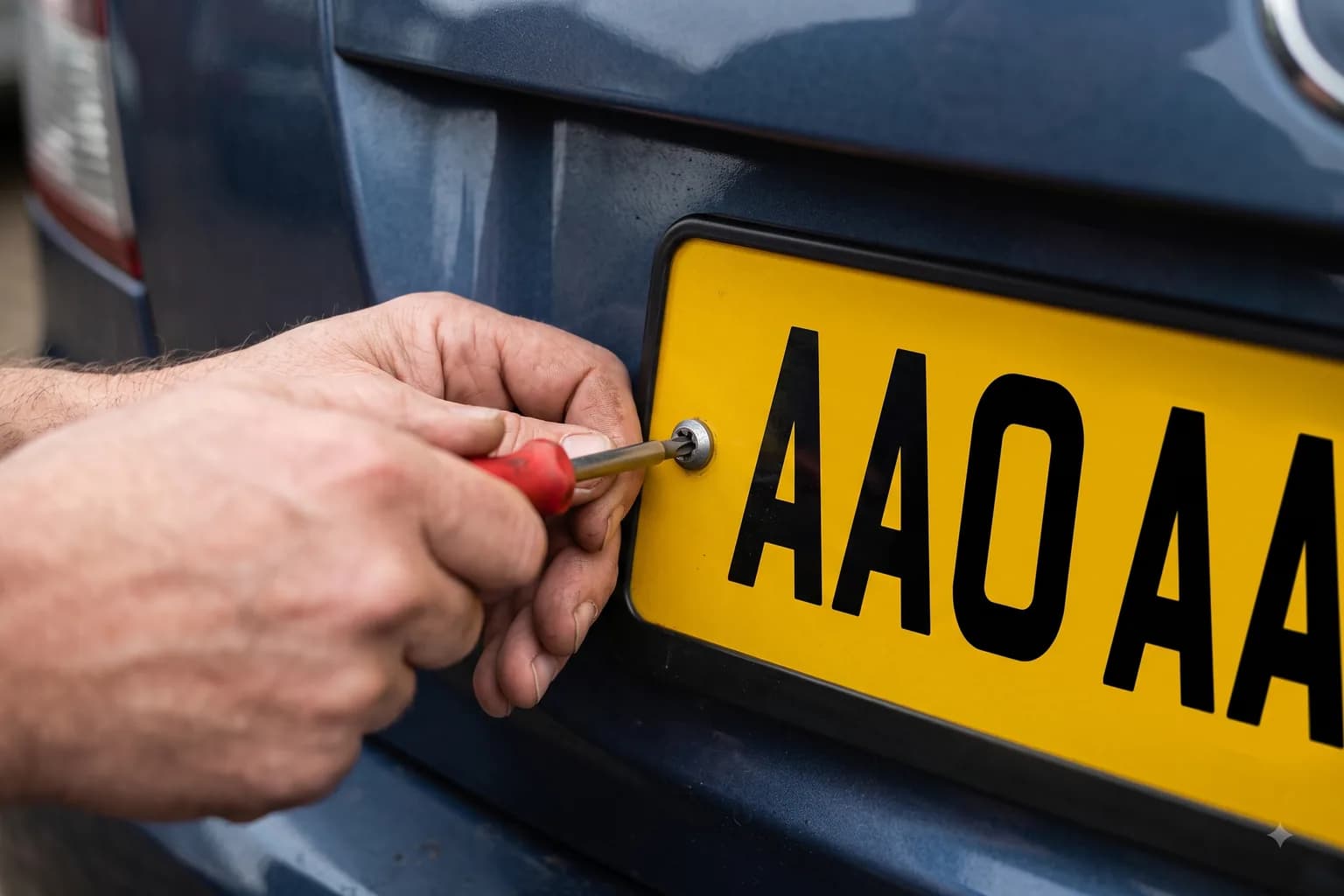
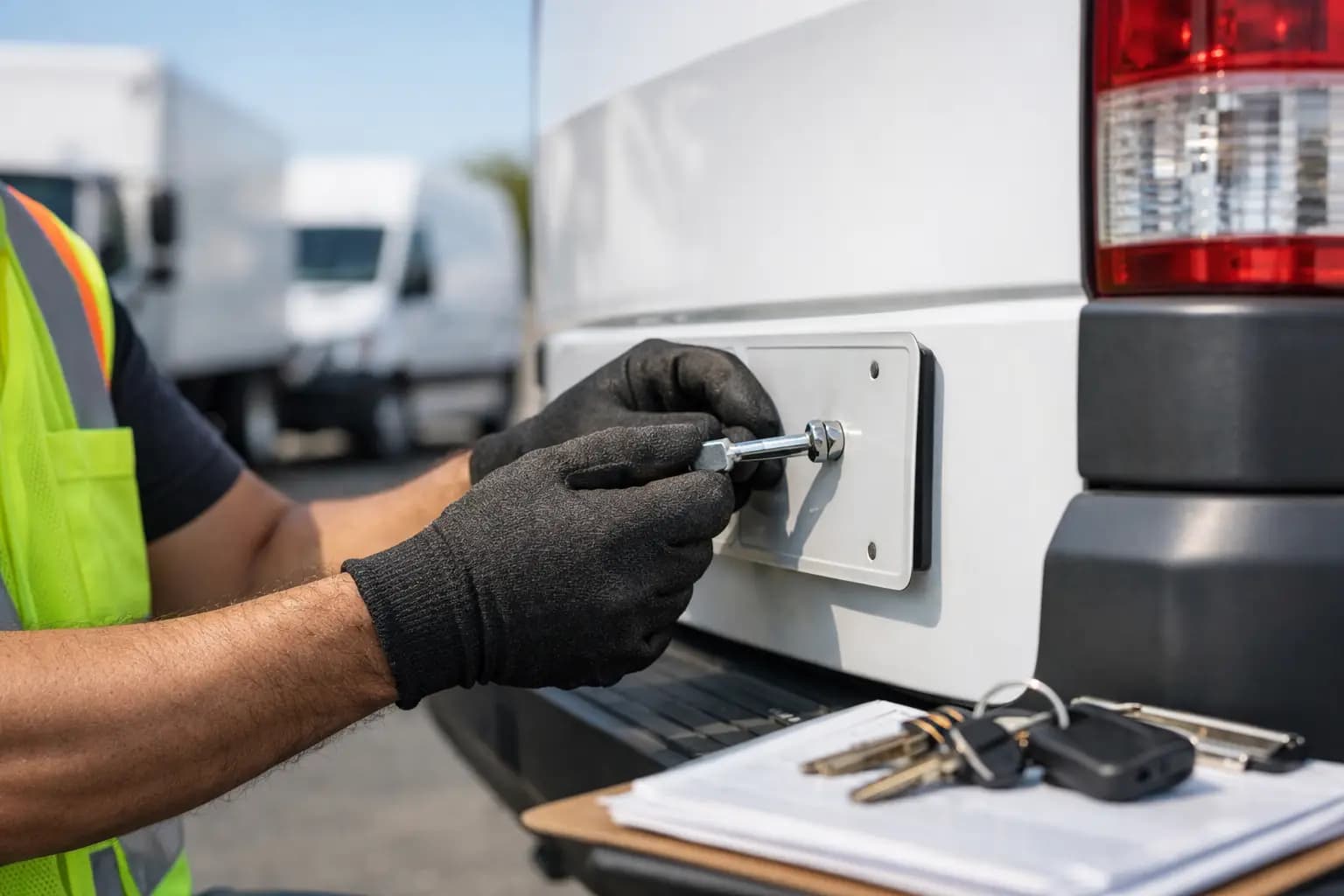
Fleet businesses often start with the visible basics. Tamper-resistant screws, secure fittings and durable plate materials all have value. They can reduce simple theft and make direct plate removal more difficult.
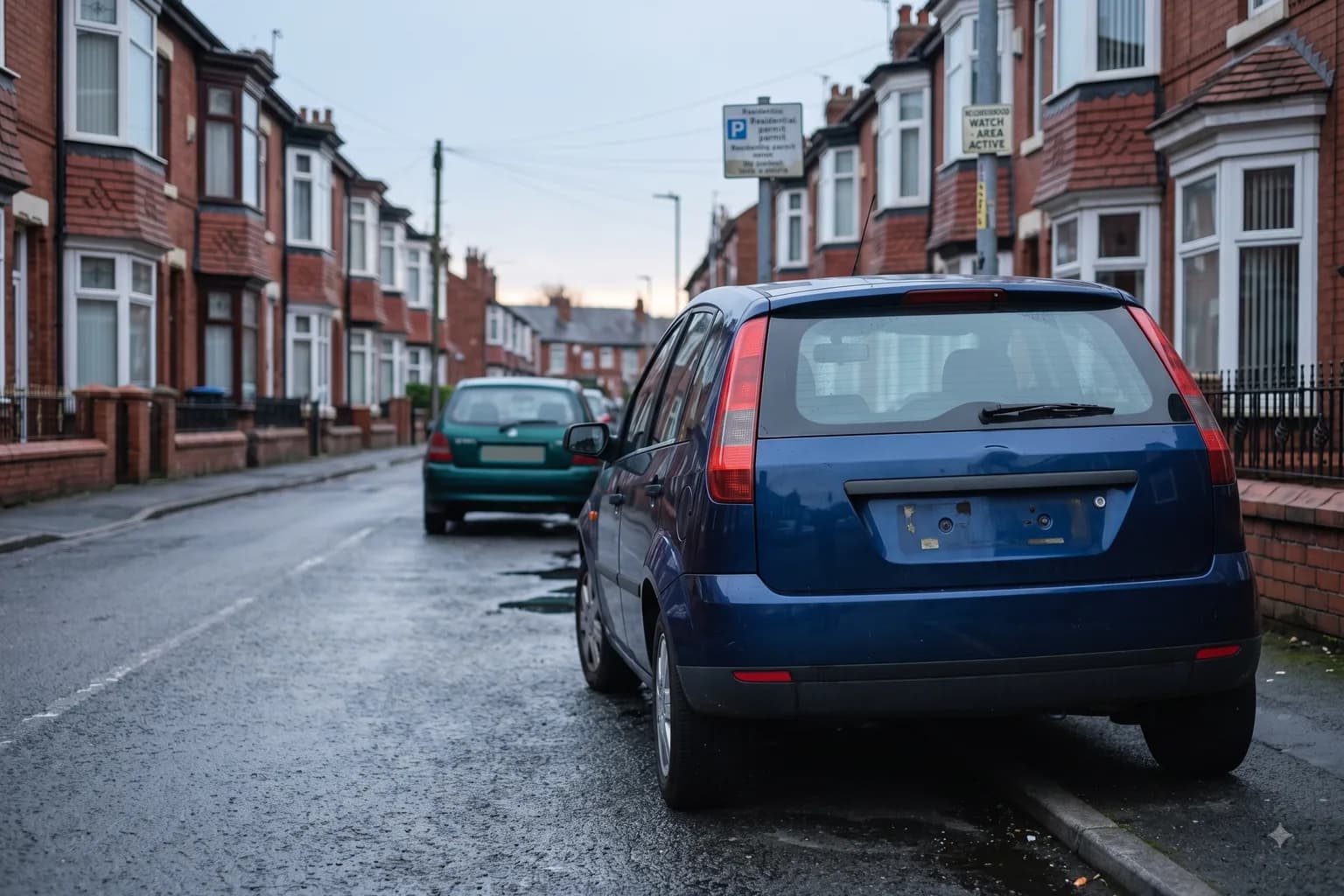
That said, cloning often does not depend on stealing the original plate at all. A registration can be copied from sight, photographed in public or taken from online imagery. In those cases, even a perfectly fitted plate does not stop duplication. It only protects the physical item, not the vehicle identity attached to it.
This is where some fleets get caught out. They invest in tougher hardware and assume the risk has been dealt with. In reality, the security question is broader. You are protecting the registration identity, not just the plastic plate.
Build plate protection into fleet operations
The strongest fleet security systems are the ones that fit day-to-day operations instead of sitting outside them. Plate protection should be treated as part of vehicle onboarding, fleet administration and incident response.
When a new vehicle joins the fleet, the registration details should be entered into a secure, central system immediately. That record should be accurate from day one and linked to the right internal contact points. If a plate is changed, replaced or transferred, the record must be updated without delay.
It also helps to define who receives alerts and who has authority to act. In a small fleet, this may sit with one manager. In a larger operation, responsibilities may need to be split across transport, compliance and admin teams. The key is clarity. If an alert arrives and nobody owns the next step, the value of early detection is lost.
Driver awareness has a role too. Drivers do not need technical training, but they should know what plate cloning looks like and why reporting matters. If a driver mentions repeated fines for routes they never drove, unusual questions from customers or concerns raised by police, that information should be escalated immediately rather than treated as a one-off admin irritation.
Detection speed changes the outcome
The biggest difference between manageable plate fraud and prolonged operational damage is usually time. The earlier a suspicious duplication issue is identified, the easier it is to contain.
Fast detection helps fleets gather the right evidence while records are fresh. Vehicle locations, delivery logs, telematics data and driver schedules are easier to verify when the issue is recent. It also strengthens the fleet’s position when responding to enforcement notices or challenging false claims.
There is a financial dimension as well. Even when fines are overturned, the internal cost of handling them is real. Admin hours, disrupted routes and management time all add up. A prevention-led system reduces those hidden costs because it shortens the path from suspicion to verification.
For larger fleets, speed also protects continuity. One cloned plate can become a repeat issue. If fraudsters believe a fleet is slow to notice or slow to act, that exposure can continue for longer than most operators expect.
What fleet managers should look for in a protection system
Not every security process gives the same level of control. For fleet operators, the useful question is not whether a system sounds secure. It is whether it helps you verify ownership, detect misuse and respond immediately.
A credible protection system should support secure registration of plate credentials, central visibility across vehicles and rapid alerting when suspicious activity appears. It should also make verification straightforward, because during an incident you need confidence, not complexity.
This is especially important for businesses managing mixed fleets. Company cars, vans and lorries do not all carry the same exposure profile. A high-mileage commercial vehicle operating nationally may face a different risk pattern from a locally based pool car. The principle stays the same, but monitoring and internal escalation may need to be tailored to the vehicle type and operating footprint.
Protect A Plate addresses this issue with a security-led model built around registration, detection and alerting. For fleets, that structure matters because it turns plate protection into an active control, not a passive record.
How to protect fleet plates without slowing the business down
Security measures fail when they are too awkward to maintain. Fleet teams already manage servicing, compliance, staffing, routing and cost control. Any plate protection process that adds friction at every step is likely to be skipped under pressure.
The practical answer is to keep the workflow simple but disciplined. Register plates properly. Keep records current. Assign alert recipients. Check suspicious activity quickly. Escalate when evidence does not match the vehicle’s known movements. Those actions are not complicated, but they do need to be consistent.
There is also a balance to strike between central control and local reporting. A national fleet may want one secure administrative view, while branch managers or depot teams still need a way to flag concerns early. The best arrangement depends on fleet size, structure and how vehicles are deployed. What does not change is the need for one trusted source of truth.
The cost of waiting is usually higher than the cost of acting
Many fleets only tighten plate security after a problem has already surfaced. That is understandable, but it is rarely efficient. Once a cloned registration is in circulation, the business is already on the back foot.
Prevention gives you a stronger position. You know the vehicle credentials are recorded correctly. You have a route to detect suspicious duplication. You can act before the issue generates weeks of avoidable admin and uncertainty.
For fleet operators, number plates are not a minor detail fixed to the front and rear of a vehicle. They are part of the vehicle’s working identity. Protect that identity properly, and you protect time, reputation and control at the same time.
The smartest fleet security decisions are often the quiet ones - the systems you put in place before anyone else notices there is a threat at all.