A cloned plate rarely announces itself politely. It usually arrives as a speeding notice, a toll charge, a parking penalty or a police query linked to a journey you never made. If you want to prevent number plate duplication, waiting until that point is already too late. The real priority is to protect your vehicle identity before someone else starts using it.
Number plate duplication is not a minor administrative nuisance. It can trigger fines, enforcement action, insurance complications and long hours spent proving where your vehicle was not. For private motorists, that is stressful and disruptive. For fleet operators, it can become a recurring operational risk affecting multiple vehicles, drivers and compliance records. The right approach is preventative, monitored and built around fast verification.
Why number plate duplication happens
Criminals duplicate registrations because a visible plate is easy to copy and useful for concealing another vehicle's identity. A cloned plate can be used to avoid detection for speeding, fuel theft, parking abuse, toll evasion and more serious offences. In most cases, the genuine keeper has no warning until official correspondence starts arriving.
That is what makes this issue different from many other forms of vehicle-related fraud. You can lock your car, secure your keys and still have your registration misused. The vulnerability is not always the physical vehicle. It is the identity attached to it.
There is also a practical reason the problem persists. Standard ownership records are not designed as live anti-duplication systems. They help establish lawful ownership, but they do not always provide active monitoring, suspicious duplication detection or immediate alerts when something looks wrong. That gap matters.
How to prevent number plate duplication in practice
The most effective way to prevent number plate duplication is to combine secure plate registration, trusted manufacturing processes and active monitoring. No single step removes all risk, but layered protection makes duplication harder to carry out and much easier to spot.
Start with the source. If you need replacement plates, use a legitimate registered supplier that follows the required identity and entitlement checks. Cheap, informal or unverified supply channels create obvious exposure. A plate produced without proper controls is easier to duplicate and harder to trace.
Then move beyond production and focus on registration. A protected plate should sit within a secure system that records its credentials and status in an encrypted database. That gives you something standard paperwork does not - a live reference point for validation. If suspicious activity appears, there is a basis for detection rather than guesswork.
Monitoring is the next step, and it is the one many drivers miss. Prevention is not only about making duplication less convenient. It is also about reducing the time between misuse and response. If a system can identify irregular activity and issue instant alerts by email, SMS or push notification, you gain a critical advantage. The earlier you know, the earlier you can act.
Prevent number plate duplication with better plate security
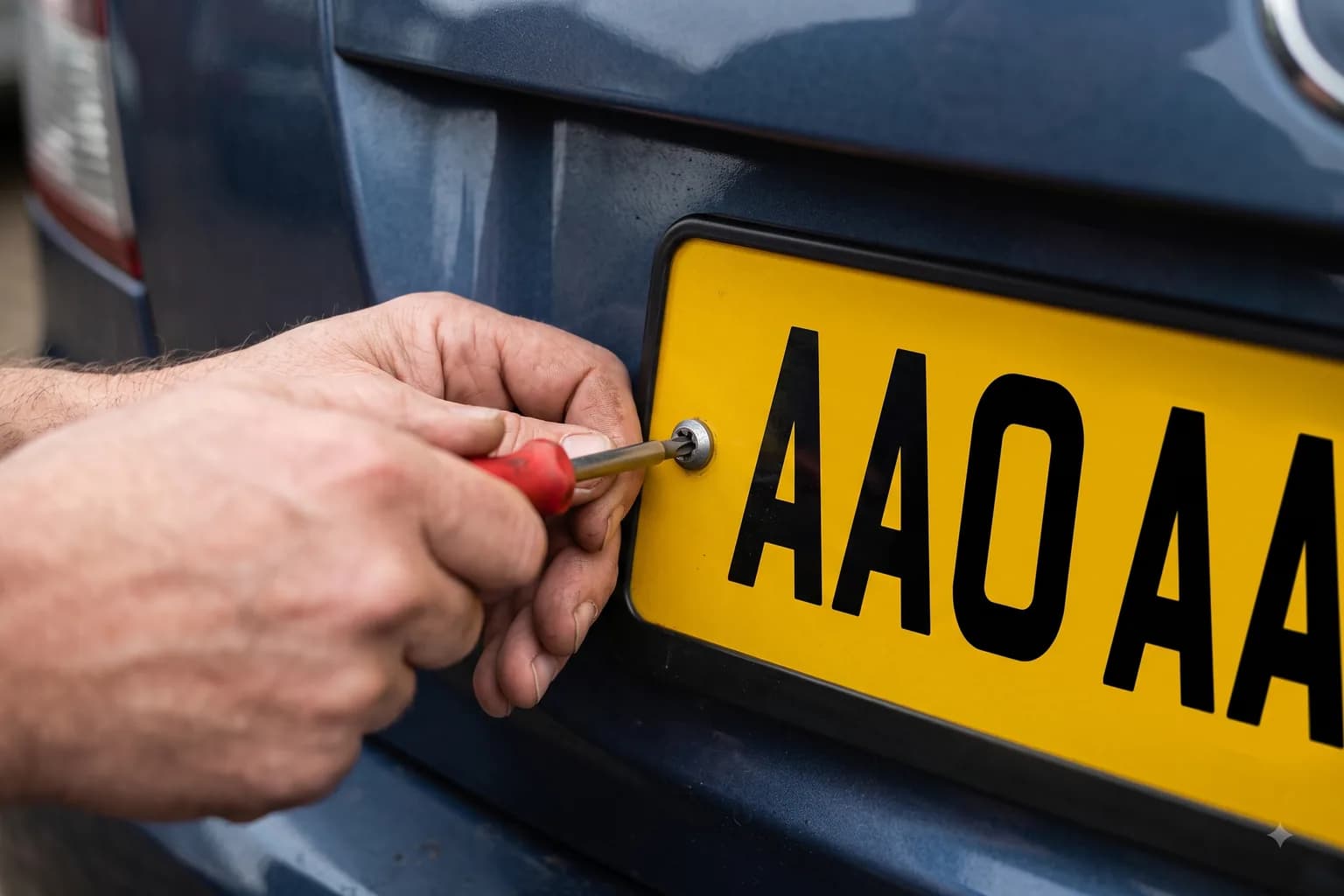
Physical plate security still matters, even though duplication often happens without stealing the original plate. If someone removes your plate, copies it directly or uses it to support further fraud, the problem escalates quickly. Secure fittings, anti-tamper screws and regular visual checks are sensible basics.
That said, physical security has limits. A criminal does not need your actual plate to reproduce your registration. They may only need to see it in public, capture it in a photo or source the details elsewhere. This is why anti-theft fittings should be treated as one layer, not the whole answer.
Drivers sometimes assume that keeping a clean vehicle history will protect them automatically. It helps when disputes arise, but it does not stop misuse. Good evidence matters after the event. Detection matters before it spreads.
The warning signs drivers should not ignore
Cloning often becomes visible through small inconsistencies before it becomes a larger legal headache. A penalty notice from a place you have not visited is the clearest red flag, but it is not the only one. You might notice unexplained toll charges, unfamiliar parking correspondence or questions about vehicle movements that do not match your own records.
For fleet managers, the signs can be even subtler. A driver disputes an incident the business cannot place. A compliance team spots a mismatch between telematics and reported location. A vehicle appears to have been in two places too close together for the journey to be credible. These are not admin oddities to file away for later. They are reasons to verify immediately.
False alarms can happen. Administrative errors, misreads and delayed updates are possible. But that is exactly why rapid verification is so important. The longer uncertainty continues, the more notices, disputes and reputational issues can accumulate.
Why active monitoring changes the risk
Most vehicle owners think about protection as a static decision. You buy a plate, fit it and assume the job is done. That model no longer reflects the threat. Number plate fraud is dynamic, so the defence must be dynamic too.
Active monitoring shifts the response from reactive to proactive. Instead of discovering cloning weeks later through post on the doormat, you can identify suspicious duplication activity when it emerges. That means less time spent untangling false liability and a better chance of stopping repeated misuse.
This is where specialist systems make a clear difference. A platform built around registration, detection, alerting and verification gives motorists and commercial operators more control over plate identity. It creates traceability, supports rapid response and reduces dependence on chance discovery. For drivers who want more than passive record-keeping, that is a meaningful upgrade in protection.
What fleet operators and plate manufacturers need to consider
Private motorists usually focus on personal risk - fines, insurance issues and wasted time. Fleet operators face the same problems at scale. One cloned registration can disrupt internal investigations, client confidence and driver accountability. Several cloned registrations can create a pattern that drains admin resources and exposes wider vulnerabilities.
That is why fleets benefit from central oversight. When registration data, plate status and alerts sit within one controlled system, the business can respond faster and with more confidence. It also becomes easier to separate genuine operational incidents from external misuse.
Plate manufacturers have a different responsibility. Their role in preventing duplication starts at creation and distribution. Secure registration workflows, compliance checks and auditable records are not just process improvements. They are part of the wider defence against unlawful duplication. The stronger the controls at source, the harder it is for fraudulent supply chains to operate unnoticed.
What to do if you suspect your plate has been duplicated
Speed matters. If you believe your registration is being misused, gather your evidence straight away. Keep records showing where your vehicle actually was, including photographs, timestamps, dash cam footage, parking receipts or telematics data where available. If an enforcement notice has arrived, check every detail carefully rather than assuming it is a simple mistake.
You should then begin verification through the relevant channels and ensure the issue is formally recorded. If your plate is protected within a specialist monitoring platform, use that status and alert history to support your case. A clear audit trail strengthens your position and helps establish that the problem is duplication, not denial.
It is also worth reviewing how the exposure happened. If replacement plates were sourced casually, tighten that process. If there is no active monitoring in place, introduce it. If fleet procedures rely on manual checks alone, that may no longer be enough.
For motorists and businesses looking for a more controlled way to prevent number plate duplication, Protect A Plate offers a security-led model built around encrypted registration, suspicious activity detection and instant alerting. That is the difference between hoping for the best and putting protective infrastructure around your vehicle identity.
Vehicle crime has become more administrative, more remote and more difficult to spot with the naked eye. Your registration is part of your vehicle's identity, and it deserves the same level of protection as the vehicle itself.