A cloned registration usually comes to light too late - when a parking charge arrives from a town you have never visited, or a speeding notice lands on your doormat for a vehicle that was parked outside your home. If you are asking how to monitor registration misuse, the real issue is timing. The earlier you detect suspicious duplication, the better your chances of limiting financial loss, enforcement action and prolonged disputes.
Registration misuse is not just an administrative nuisance. It can expose private motorists, fleet operators and plate suppliers to a chain of avoidable problems, from penalty notices and insurance complications to reputational damage and wasted time proving your innocence. Passive checks are no longer enough. Effective monitoring depends on visibility, verification and fast alerting.
What registration misuse actually looks like
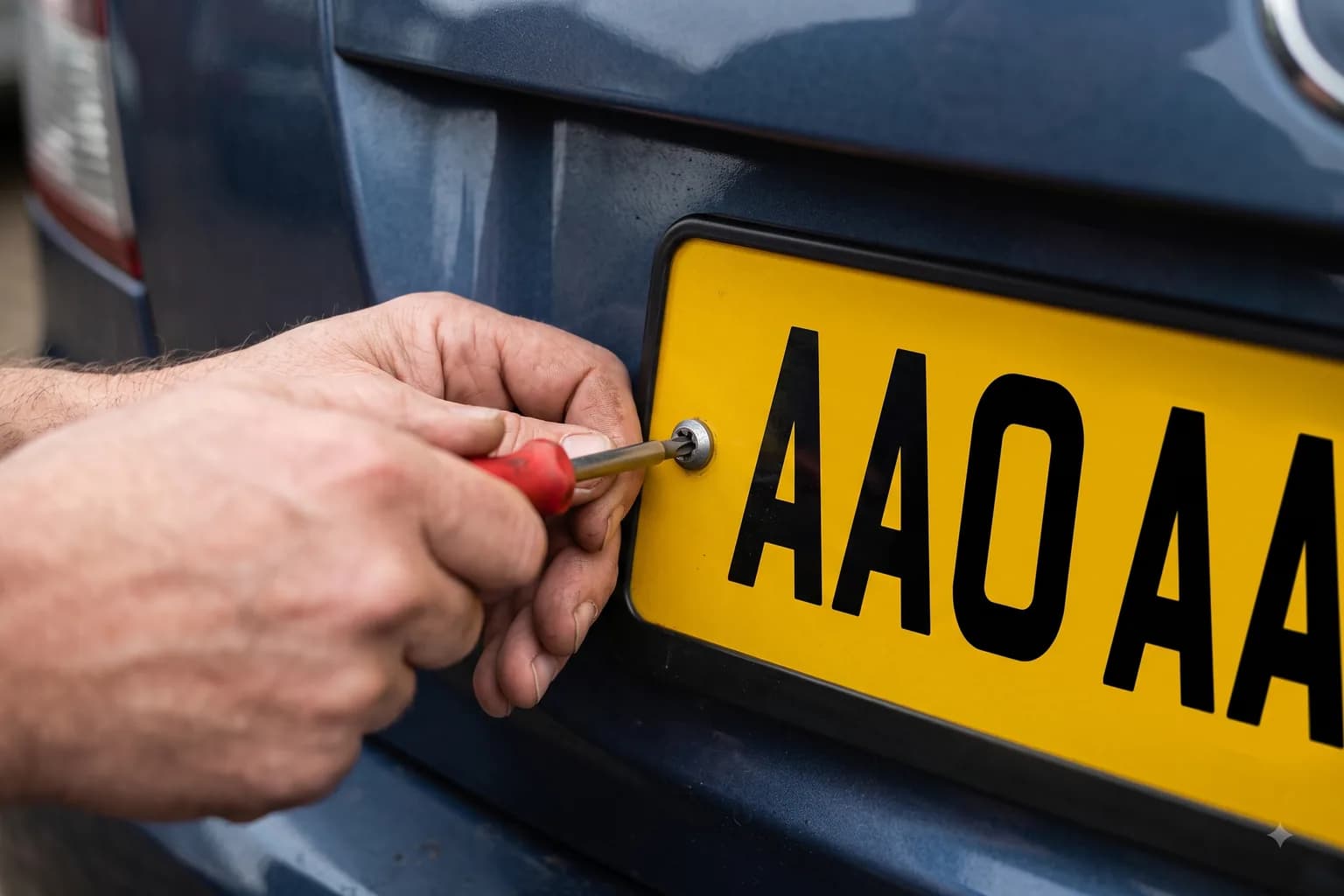
In practical terms, registration misuse happens when your number plate details are copied, reproduced or used without authority. The most obvious example is plate cloning, where a criminal fits a duplicate of your registration to another vehicle. That vehicle may then be used for toll evasion, parking fraud, fuel theft or more serious offences while your identity carries the consequences.
Misuse can also start earlier in the chain. A registration may be duplicated through weak supply controls, poor verification at the point of manufacture, or gaps in how plate records are tracked after issue. For everyday drivers, the first sign is often external enforcement. For manufacturers and commercial stakeholders, the first sign may be a mismatch in production, verification or customer status.
That is why monitoring needs to focus on more than just reacting to fines. You need a way to detect unusual activity around the registration itself.
How to monitor registration misuse before it escalates
The strongest approach is built around three connected functions: registration, detection and alerting. First, the legitimate keeper or authorised party records the plate credentials in a secure system. That creates a verified baseline. Then the registration is monitored for suspicious duplication signals or status conflicts. If a risk event appears, the system generates an alert quickly enough for the keeper to act.
This matters because a registration on its own is just a string of characters. Without a trusted record behind it, there is no easy way to distinguish the lawful plate from an unauthorised copy. Monitoring adds context. It allows the keeper, supplier or administrator to compare claimed use against registered status and detect inconsistencies early.
For private vehicle owners, this means knowing when your plate may have been copied rather than waiting for a notice to arrive weeks later. For fleet operators, it means reducing exposure across multiple vehicles where one cloned plate can create operational disruption. For plate manufacturers, it means tighter control over compliance and a clearer audit trail around issue and verification.
The warning signs worth tracking
If you want to monitor registration misuse properly, start by understanding the signals that often appear before a case becomes serious. One unexplained letter may be an error. Repeated anomalies usually mean something else is going on.
The clearest warning sign is correspondence linked to locations, times or vehicle activity that do not match your actual movements. That includes parking charges, toll notices, bus lane penalties or police enquiries. Another sign is a mismatch between the described vehicle and your own, such as a different make, model or colour. This is especially common in cloning cases because criminals often copy a registration from a similar vehicle but do not always find an exact visual match.
There are also quieter signs. A plate status check that shows an unexpected issue, a manufacturing verification conflict, or unusual queries linked to your registration can all indicate attempted misuse. Commercial users should also watch for duplicate production requests, inconsistent customer records or gaps in plate authorisation workflows.
None of these indicators should be assessed in isolation. Context matters. A single discrepancy may be clerical. A pattern of discrepancies needs immediate attention.
Why manual checking is rarely enough
Many drivers assume they can manage the risk by opening post promptly and keeping hold of their vehicle documents. That helps, but it is not monitoring. It is reaction.
The weakness of manual checking is delay. By the time a notice reaches you, misuse may have been ongoing for days or weeks. The burden is then on you to gather evidence, challenge enforcement and prove the vehicle involved was not yours. That process is slow, frustrating and often disruptive.
Manual methods also miss the wider picture. They do not show whether the registration has been duplicated elsewhere, whether an alert has already been triggered, or whether the plate status has changed in a way that suggests fraud. Without a centralised, searchable system, you are relying on chance.
A more effective model uses proprietary tech to monitor registrations against trusted records and flag suspicious activity in real time. That shifts the process from passive replacement after fraud to proactive prevention and rapid response.
Building a proper monitoring process
A credible monitoring process starts with accurate registration. If the baseline record is incomplete or outdated, alerts become less useful. Private keepers should ensure their vehicle and plate details are recorded correctly and tied to the right contact channels so warnings can be delivered without delay. Fleets need the same discipline at scale, with clear ownership of each registration and current vehicle assignment.
The next step is detection logic. Good monitoring does not simply store information. It actively looks for signs of misuse, duplication and status conflict. That may include verification against authorised records, anomaly detection and searchable status tools that help users confirm whether a plate appears legitimate.
Then comes alerting. Speed matters here. Email is useful, but SMS and push notifications can be more effective when a rapid decision is needed. The right alert should tell you what has happened, why it matters and what action to take next. If a system creates noise without clarity, people ignore it. If it delivers precise warnings, people respond.
Finally, there needs to be a response path. Monitoring without action is only half a defence. Once a suspicious event is identified, the keeper or administrator should be able to verify the issue, document evidence and escalate quickly.
Different users need different levels of monitoring
The phrase how to monitor registration misuse means one thing to a private motorist and something slightly different to a business. The core risk is the same, but the operating model changes.
For an individual driver, the priority is usually early warning and simple verification. You want to know if your plate identity is being misused and you want a clear route to challenge it before fines stack up. Ease of use matters because the system has to work without constant supervision.
For fleet operators, scale changes the equation. Monitoring needs to cover multiple registrations at once, with central oversight and dependable alerts. A cloned plate in a fleet can trigger administrative drag across transport teams, compliance staff and drivers. Fast detection reduces that burden.
For plate manufacturers, the focus extends to secure workflows and issue control. Monitoring should support compliance, validate legitimate plate creation and reduce the chance of unauthorised duplication entering the market through weak verification. In that setting, the registration is not just an asset to protect. It is part of a wider security infrastructure.
What to do when misuse is suspected
When suspicious activity appears, speed and evidence are your strongest assets. Start by confirming whether the event could realistically relate to your vehicle. Check dates, times, locations and any vehicle description provided. If there is a mismatch, record it immediately.
Keep clear evidence of where your vehicle actually was. That might include photographs, receipts, work logs, telematics data or witness confirmation depending on the situation. The aim is to establish a clean timeline. You should also preserve any alerts, notices or status records linked to the suspected misuse.
At this stage, a monitored system becomes especially valuable because it gives structure to the issue. Instead of trying to explain a vague suspicion, you can point to registered credentials, verification records and alert history. That makes it easier to challenge claims and escalate appropriately.
If your registration is part of a dedicated security platform such as Protect A Plate, the process becomes more controlled. The combination of encrypted tracking, suspicious duplication monitoring and instant alerting gives keepers a practical advantage when time matters.
The trade-off to understand
Not every irregularity is fraud, and not every monitoring system works at the same standard. Some users worry about false alarms. Others assume no alert means no risk. Both positions are too simplistic.
A strong monitoring setup balances sensitivity with accuracy. If it flags everything, users stop paying attention. If it is too conservative, real misuse can slip through. That is why trusted registration data, intelligent detection and clear verification matter more than headline features.
It also depends on your exposure. A driver covering low annual mileage may still be cloned. A high-visibility fleet may face greater administrative risk simply because it has more registrations in circulation. Plate suppliers face a different type of exposure again, tied to process integrity and compliance.
The sensible approach is not to wait until your circumstances feel serious enough. Registration misuse is easiest to contain when detection happens early and the response is immediate.
Your number plate is part of your vehicle's identity. Treating it as a static detail leaves too much to chance. Monitor it like an asset, verify it like a credential and respond to anomalies before someone else's actions become your problem.