A parking charge in a town you have not visited. A speeding notice for a road you have never driven. A call from police asking about a vehicle that is not yours. For many UK motorists, that is the moment they start asking how to detect plate misuse. By then, the damage may already be spreading across enforcement records, toll systems and public reports.
Plate misuse is not always obvious at first. It can start quietly, with a cloned registration fitted to another vehicle, a duplicate plate produced without proper authority, or your registration used to conceal criminal or anti-social driving. The risk is not just inconvenience. It can mean fines, insurance complications, reputational harm and time lost proving that your vehicle was not involved.
What plate misuse actually looks like
Most drivers think of plate fraud as a single issue, but there are several forms of misuse. The most common is cloning, where criminals copy a legitimate registration and place it on another vehicle, often one of a similar make, model or colour. That makes the false plate harder to spot in camera evidence and witness reports.
There is also unauthorised duplication, where plates are produced outside compliant channels and attached to vehicles without the registered keeper's knowledge. In some cases, misuse is linked to avoiding congestion charges, tolls, parking enforcement or fuel theft. In more serious cases, it can be tied to wider criminal activity because a copied plate gives a vehicle a false identity.
That is why early detection matters. The earlier misuse is identified, the easier it is to challenge notices, flag suspicious activity and build a record that supports your case.
How to detect plate misuse before it escalates
The first sign is often inconsistency. If anything linked to your registration does not match your real vehicle use, treat it as a security event, not a paperwork issue.
Start with your post, texts and emails. Unexpected penalty charge notices, speeding allegations, clean air zone charges or parking demands are obvious red flags. If the date, time or location does not align with where your vehicle was, you may be looking at cloned plate activity.
You should also pay attention to subtler warning signs. A sudden insurance query, questions from a finance provider, failed vehicle checks, or reports from other people who have seen "your" vehicle somewhere unfamiliar can all point to misuse. Fleet operators should be particularly alert to anomalies across multiple drivers and routes, because false matches are often spotted first in mileage discrepancies or unexplained enforcement notices.
Key warning signs drivers should not ignore
The clearest pattern is repeated contradiction. One isolated admin error can happen. Several mismatches tied to your registration usually mean something else is going on.
Watch for notices from areas you have not visited, especially if they arrive close together. Watch for references to a vehicle description that only partly matches your own. A cloned plate is often placed on a vehicle with a similar profile, but details such as trim level, body type or wheel design may differ. If CCTV stills, ANPR records or enforcement photos show differences, that matters.
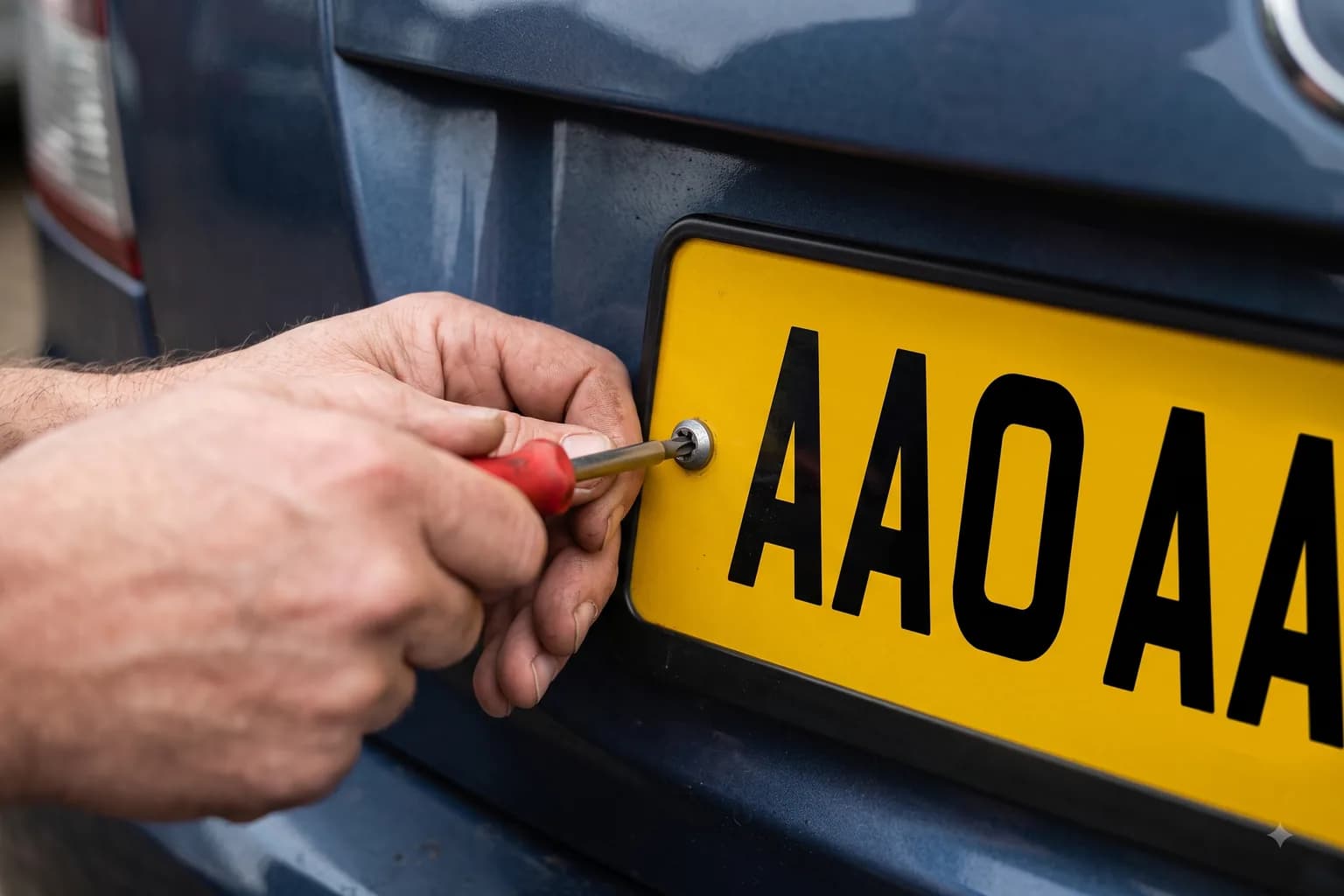
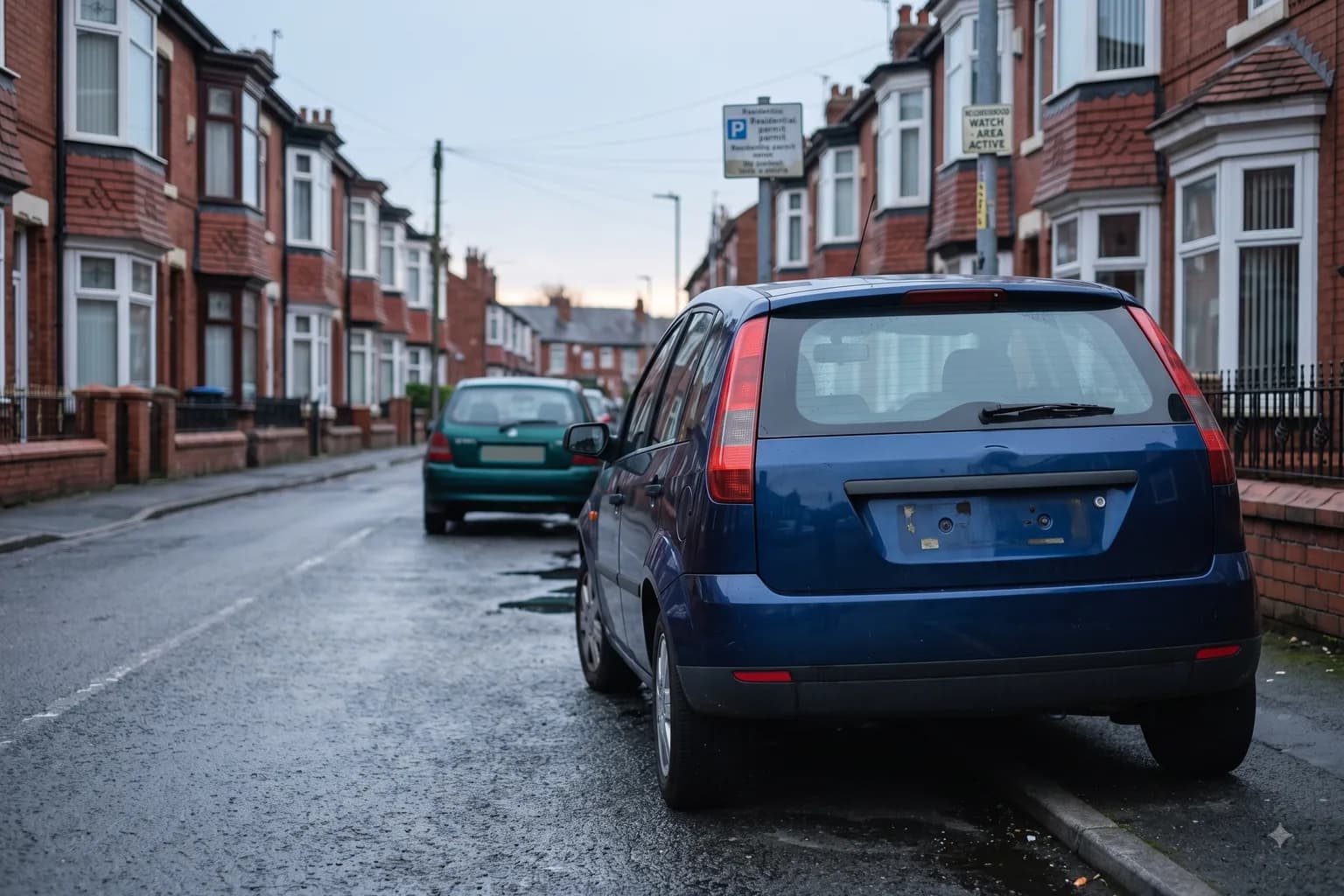
You should also check the physical plate on your own vehicle. If plates have been tampered with, swapped or replaced after theft or vandalism, that can create confusion around authenticity. Commercial operators should inspect fleet vehicles routinely, because a missing or altered plate on one vehicle can be a sign of broader misuse elsewhere.
Check your plate status against real-world activity
If you want a practical answer to how to detect plate misuse, compare three things: your vehicle, your movements and any external records attached to the registration.
Your vehicle details should be consistent across every document and image. Make, model, colour and distinguishing features should match. Your travel history should also support any claim made against the registration. If you have delivery logs, work schedules, dash cam footage, telematics data, parking receipts or location history, keep them. They can quickly establish that your vehicle was somewhere else.
This is where active monitoring changes the picture. Instead of waiting for a letter to arrive weeks later, a plate protection system can track suspicious duplication activity and trigger instant alerts. That moves detection from reactive defence to proactive control. For motorists and fleets alike, that time difference matters.
Why visual matches are not enough
A common mistake is assuming there is no issue because another vehicle "looks different enough" to be dismissed. In reality, criminals often choose near matches on purpose. If your car is a grey Ford Focus, they may clone the plate onto another grey Ford Focus. From a camera, witness statement or low-resolution image, that can be enough to create confusion.
That is why evidence needs to go beyond basic appearance. Registration misuse is an identity issue. The key question is not whether the other vehicle resembles yours. It is whether your verified plate credentials, known location and authorised registration history support the activity being attributed to you.
Technology-led verification helps here. A secure registration and tracking system can create a stronger baseline for what is genuine and what is not. That makes it easier to identify suspicious duplication patterns rather than relying on memory, guesswork or delayed paperwork.
What to do the moment you suspect misuse
Speed matters. If you suspect your plate has been cloned or duplicated, start recording everything immediately. Save every notice, screenshot every message and keep dates in order. If you receive photos linked to the alleged incident, review them carefully for differences in vehicle shape, badges, stickers, damage marks or accessories.
Next, document your own vehicle clearly. Take current photos from the front, rear and sides, including close images of the number plates and any identifying features. If you run a fleet, record unit numbers, mileage and driver allocation for the relevant dates. This creates an evidence pack you can use when responding to enforcement bodies, police or insurers.
You should also report the issue quickly through the correct channels and monitor the registration for further suspicious activity. The longer misuse continues without formal challenge, the more records can accumulate against the plate.
How detection works best in practice
Effective detection is not one action. It is a chain: registration, verification, monitoring and alerting. If any one of those stages is missing, misuse can remain hidden until the consequences surface.
Registration establishes a trusted record for the plate and vehicle. Verification helps confirm whether a plate presented in the market is genuine and properly linked. Monitoring looks for duplication signals, suspicious matches or irregular use patterns. Alerting closes the gap by notifying the keeper as soon as risk appears, rather than leaving them to discover it through enforcement action weeks later.
That is the difference between passive ownership and active protection. Replacing plates after fraud has happened does not undo the fines, admin burden or reputational damage already attached to your registration. Early detection gives you a chance to contain the problem before it multiplies.
A note for fleet operators and plate manufacturers
For fleets, plate misuse is not just a driver problem. It is an operational and compliance risk. One cloned registration can generate false charges, disrupt route audits and consume hours of management time. Larger fleets need a centralised view of plate status, rapid alerting and a reliable way to verify legitimacy across vehicles.
For plate manufacturers, secure workflows matter just as much. Unauthorised duplication often begins where control is weak. A compliant, traceable registration process helps reduce fraudulent production and strengthens confidence across the supply chain. When manufacturers, vehicle owners and security systems work from the same trusted data, misuse becomes harder to hide.
The real test is whether you can act early
The best answer to how to detect plate misuse is not just spotting a bad letter after it lands on the doormat. It is building visibility around your registration before fraud turns into enforcement, cost and disruption. That means noticing inconsistencies early, checking evidence carefully and using technology that can detect suspicious duplication in real time.
Protect A Plate is built around that principle - register, detect and alert. For drivers who want control over their vehicle identity, the goal is simple: know quickly, verify confidently and act before someone else's vehicle starts leaving a trail under your registration.
If something about your plate activity does not add up, trust that instinct and check it straight away. Plate misuse rarely improves with time, but early action often limits the damage.