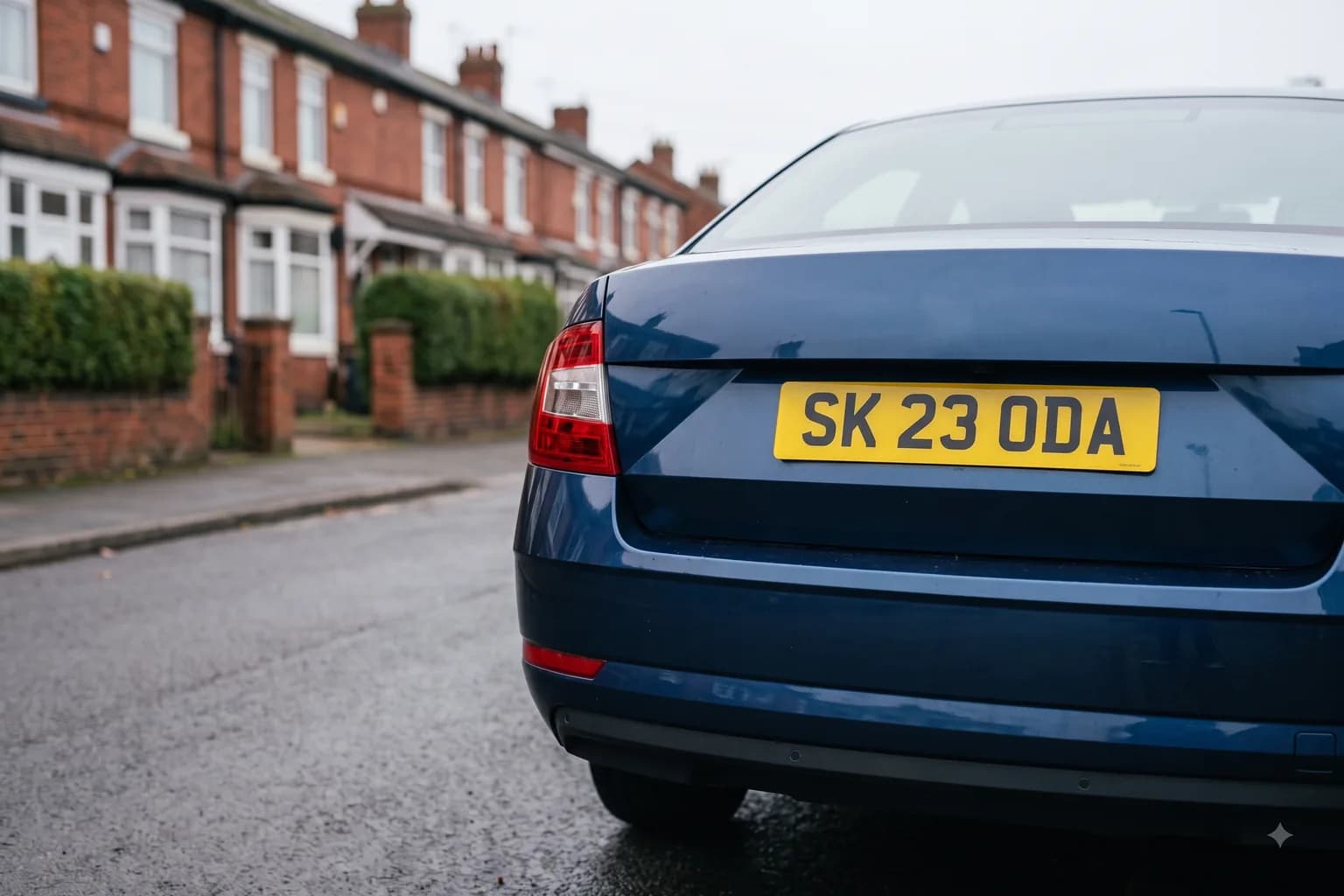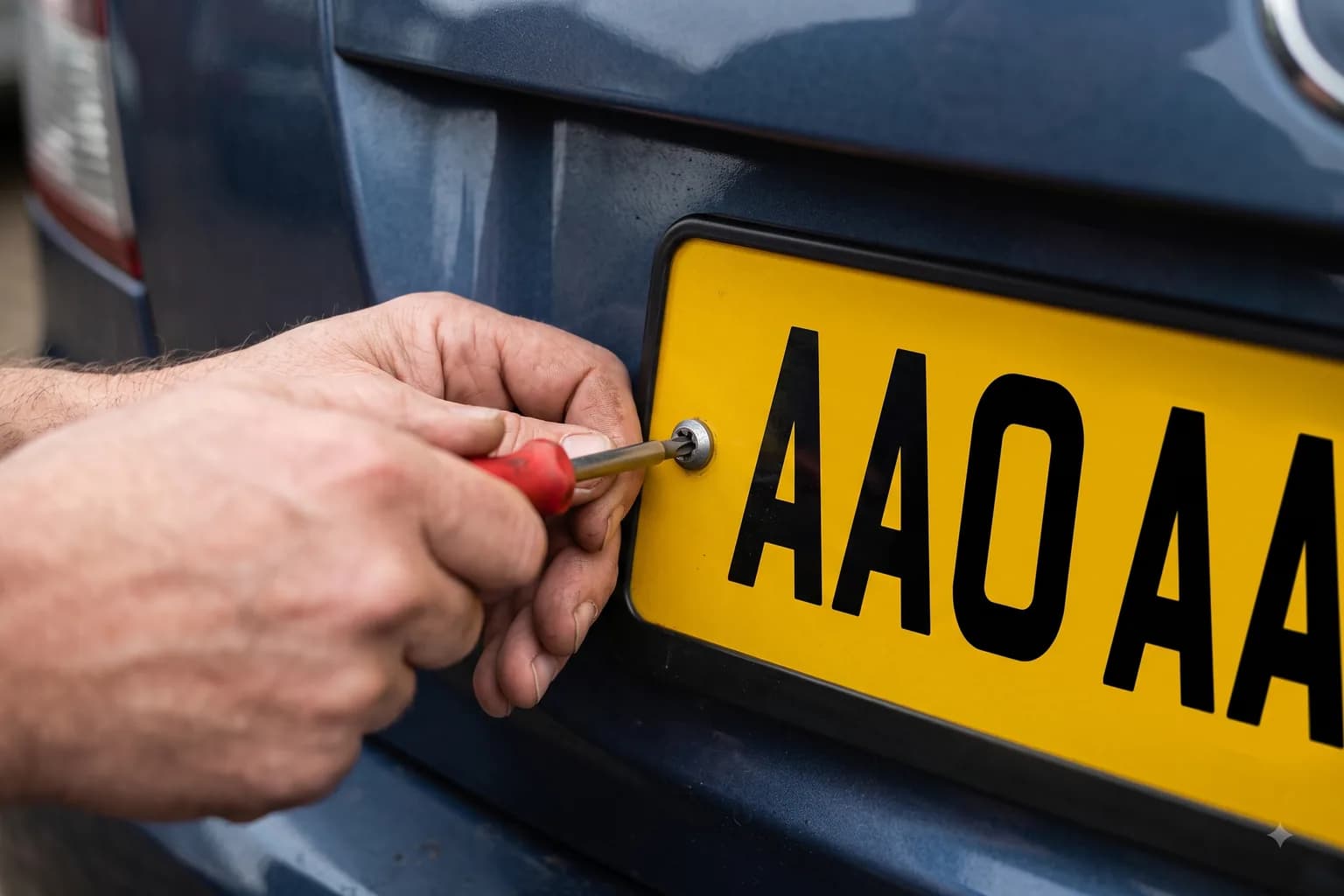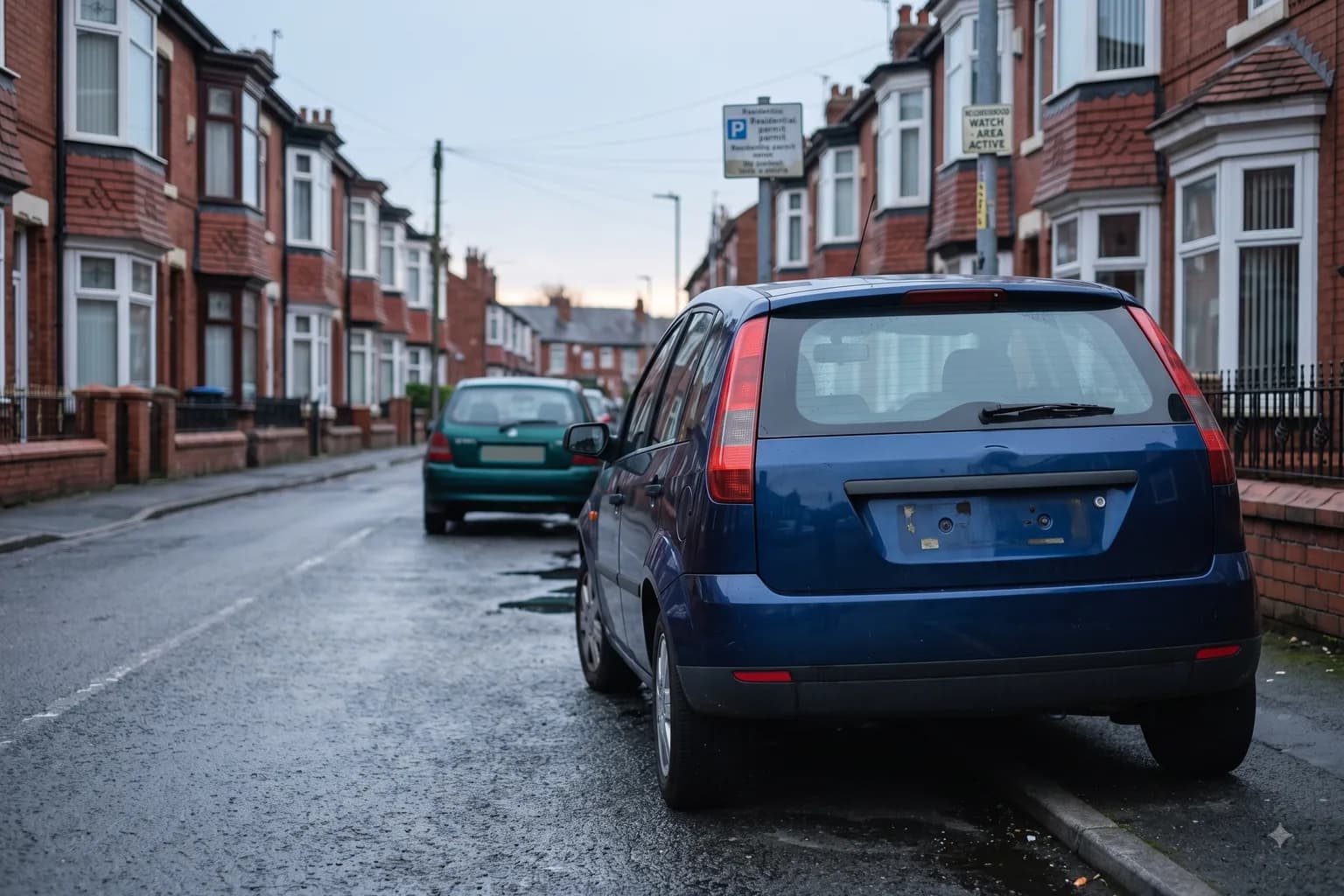
The first sign is often a letter that makes no sense - a parking charge from a town you have not visited, a toll notice for a road you did not use, or police contact about a vehicle linked to your registration. If you need to know how to challenge cloning evidence, speed matters. The longer cloned number plate activity goes unchallenged, the more likely it is to trigger fines, enforcement action, insurance complications and repeated suspicion against your vehicle.
Number plate cloning is not a minor admin error. It is identity misuse tied to your vehicle, your record and potentially your finances. Challenging it properly means doing more than saying, "That was not me." You need to show why the evidence against you is unreliable, incomplete or linked to a different vehicle using your registration.
What counts as cloning evidence
Cloning evidence usually starts with a record created by someone else. That might be ANPR data, CCTV, parking enforcement images, toll system captures or witness reports. On paper, these systems can look decisive because they identify a registration mark. In reality, a registration alone is not proof that your vehicle was present.
That distinction matters. A cloned plate case often turns on whether the authority, operator or investigator can prove the vehicle itself matches yours, rather than simply matching the registration displayed. If the evidence only shows a number plate and not the full identifying characteristics of the vehicle, there is room to challenge it.
How to challenge cloning evidence without weakening your case
The strongest approach is factual, organised and immediate. Emotion is understandable, especially if you are facing repeated notices, but a clean evidence trail is what gets results.
Start by checking every detail on the allegation. Look at the date, time, location, vehicle make, model, colour and any visible features in the images. A cloned plate case often reveals itself through inconsistency. The registration may be yours, but the vehicle may have a different body shape, trim level, wheel design, badge placement or damage pattern.
Then check your own records for the same time period. If your car was parked at home, in a workplace car park, at a garage or in another part of the country, gather proof now. Phone location data, dash cam footage, service invoices, fuel receipts, parking records and witness confirmation can all help establish that your vehicle was elsewhere.
Do not alter or tidy up evidence after the fact. Keep originals where possible. Timestamped material carries more weight than a recreated explanation days later.
The evidence that usually makes the biggest difference
When people ask how to challenge cloning evidence, they often focus only on the notice itself. The better tactic is to build a comparison between the offending vehicle and your genuine one.
Photograph your vehicle clearly from the front, rear and both sides. Include close shots of distinguishing details such as dealer stickers, custom trims, roof bars, dents, missing badges or unique marks. If your car has manufacturer-specific features that differ from the vehicle shown in the allegation, highlight them. Small visual differences often become the deciding factor.
Your V5C, MOT history, service records and insurance details can also support your case, especially when they confirm your vehicle specification. If the evidence against you shows a hatchback and your registered vehicle is a saloon, or the image shows the wrong colour, that is not a minor discrepancy. It goes to the reliability of the allegation.
For fleet operators, the standard should be even tighter. Vehicle allocation logs, telematics, depot exit records and driver schedules can quickly establish whether the cloned sighting is impossible. A disciplined paper trail shortens disputes and protects your wider fleet from repeated targeting.
Where authorities and operators get it wrong
Not every notice based on a cloned plate is issued carelessly, but many are issued on incomplete assumptions. Automated systems are designed to detect registrations quickly. They are not always designed to verify identity beyond that first match.
This is where a challenge becomes necessary. If an operator relies on a blurred image, partial image set or registration-only record, ask whether they have verified the vehicle beyond the plate. If they cannot show matching vehicle characteristics, their evidence may be too weak to sustain the claim.
It also depends on the quality of the imagery. Night-time captures, glare, rain, dirt and low resolution can all affect accuracy. If the plate image is clear but the vehicle image is not, the evidence may support that a registration was displayed, but not that your vehicle was the one displaying it.
How to present your challenge clearly
A strong challenge is direct and structured. State that you believe your registration has been cloned and that you dispute liability. Identify the specific reasons: wrong vehicle type, wrong colour, mismatched features, impossible location, or proof that your vehicle was elsewhere.
Set out the timeline in plain terms. Refer to each piece of supporting evidence and keep copies of everything you send. If you have reported the matter to the police, include the crime reference number. If the DVLA or another relevant body has been informed, note that too.
Avoid vague wording. Do not simply say the evidence is unfair. Explain exactly why it is unreliable. For example, if the image shows a vehicle without your car's distinctive rear spoiler or with a different wheel pattern, say so. Specificity strengthens credibility.
How to challenge cloning evidence when the proof seems convincing
Some cloned plate cases are harder because the offending vehicle is the same make, model and colour as yours. Criminals do this deliberately to avoid immediate detection. In those cases, the challenge shifts from broad mismatch to fine detail and movement evidence.
Look closer at plate spacing, screw positions, dealer markings, tax disc holders on older vehicles, stickers, tow bars, window tints and wear patterns. Then combine that with location proof. If you can show your vehicle was in Manchester at 10:00 and the alleged offence occurred in Bristol at 10:15, the challenge becomes far stronger regardless of visual similarity.
This is also where proactive monitoring becomes valuable. A security-led system that registers your plate credentials and tracks suspicious duplication activity gives you a faster route to detection. Instead of waiting for a fine to arrive, you have a better chance of identifying misuse early and building a cleaner evidence trail from the start.
Reporting matters as much as disputing
Challenging the immediate allegation is only one part of the response. You also need to report the cloning itself so that future incidents are less likely to be treated as isolated disputes.
Police reporting creates an official record. That record can help when dealing with repeated notices or when explaining why your registration appears in places your vehicle has never been. It does not automatically stop every future problem, but it gives your challenge more authority.
If you are a business with multiple vehicles, internal reporting is just as important. Drivers, transport managers and administrators should know the signs of plate misuse and how to escalate it quickly. Delay creates duplication - more notices, more administration and more operational risk.
Prevention strengthens future challenges
The uncomfortable reality is that once a plate has been cloned, it may be used repeatedly. That is why prevention and detection are not separate from the question of how to challenge cloning evidence. They improve your position the next time your registration is misused.
A registered and monitored plate has a stronger defensive framework around it. Encrypted tracking, verification records and instant alerts help establish that the plate is being watched, that suspicious activity is taken seriously and that incidents are being identified in real time. For private motorists and fleet operators alike, that means less guesswork and faster action.
Protect A Plate is built around that principle - register, detect and alert. The goal is not to wait until a cloned plate has caused financial or legal damage, but to establish control early and respond with evidence that stands up under scrutiny.
When to escalate
If a parking operator, toll authority or other issuer rejects your challenge without properly addressing the cloning points, escalate through the formal dispute route available to you. The key is to keep the argument focused on evidence quality, vehicle mismatch and documented proof of your genuine vehicle's whereabouts.
If the issue becomes repeated or starts affecting insurance, finance or police contact, treat it as an ongoing vehicle identity threat rather than a one-off notice. At that stage, a fragmented response is rarely enough. You need consistent records, centralised evidence and a clear reporting history.
The best time to prepare for a cloned plate dispute is before the next letter drops through the post. If your number plate is part of your vehicle's identity, protect it like one.