A cloned registration rarely announces itself politely. It tends to arrive as a speeding notice for a journey you never made, a parking charge from a town you have not visited, or police attention linked to a vehicle that is not yours. That is exactly why registration misuse detection matters. It gives vehicle owners and plate suppliers a way to spot suspicious duplication early, before misuse turns into cost, disruption and reputational damage.
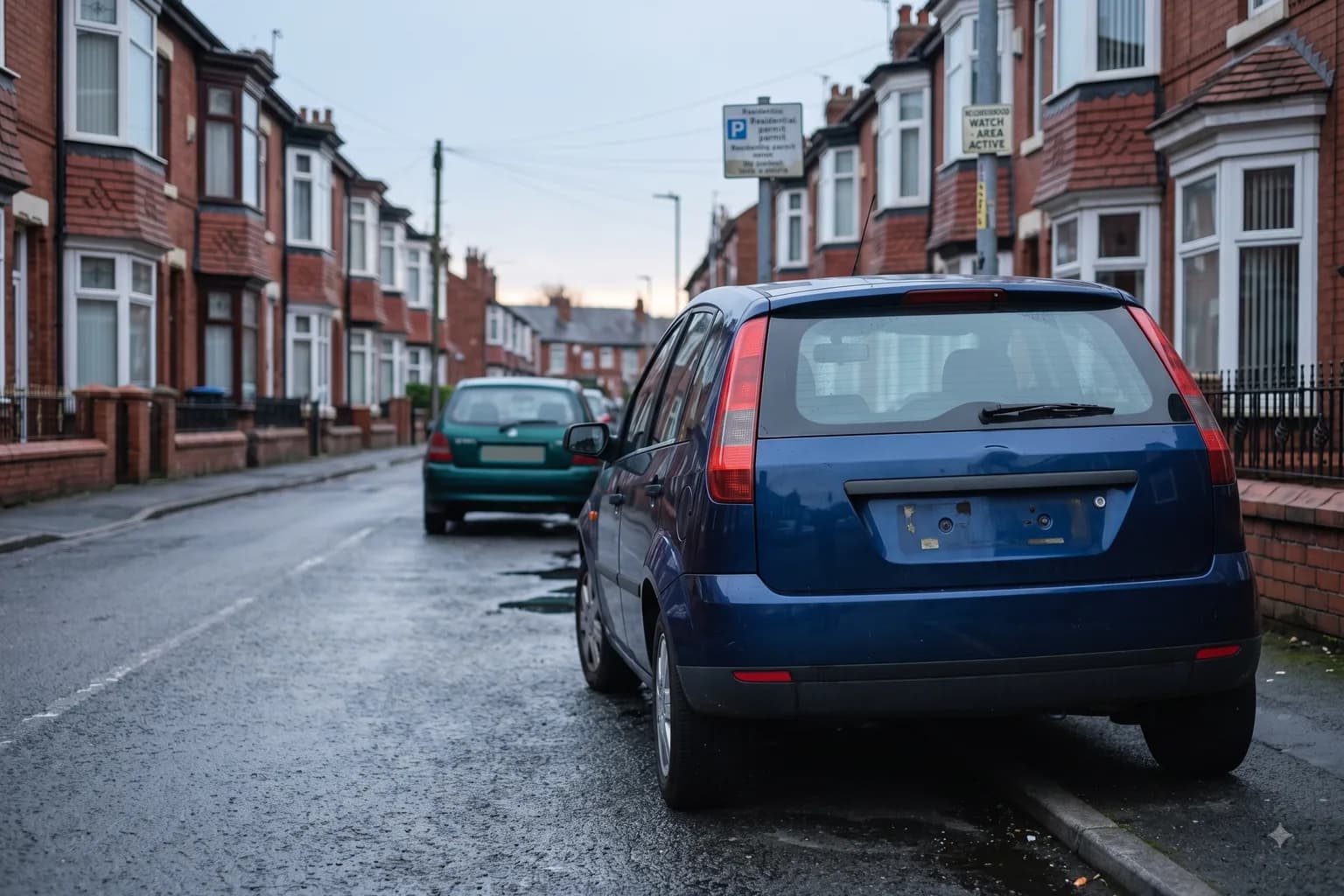
For most motorists, the problem starts long before they realise it. A criminal copies a legitimate registration, fixes it to another vehicle and uses that false identity to avoid accountability. The genuine keeper then inherits the fallout. By the time letters land on the doormat, the fraud may already be active across multiple locations.
What registration misuse detection is really doing
At its core, registration misuse detection monitors signs that a vehicle identity is being used in a way that does not match the legitimate plate record. That might mean duplicate plate production, suspicious registration activity, or use patterns that suggest cloning rather than normal travel.
This is not just a database check and it is not the same as replacing a number plate after a problem has already happened. Effective detection is proactive. It starts with a verified registration record, secures key plate credentials in an encrypted tracking environment, and then watches for signals that the registration may have been copied, recreated or used unlawfully.
That distinction matters. Reactive systems deal with the aftermath. Detection-led systems are designed to raise concern while there is still time to act.
Why cloned plate fraud is difficult to spot without active monitoring
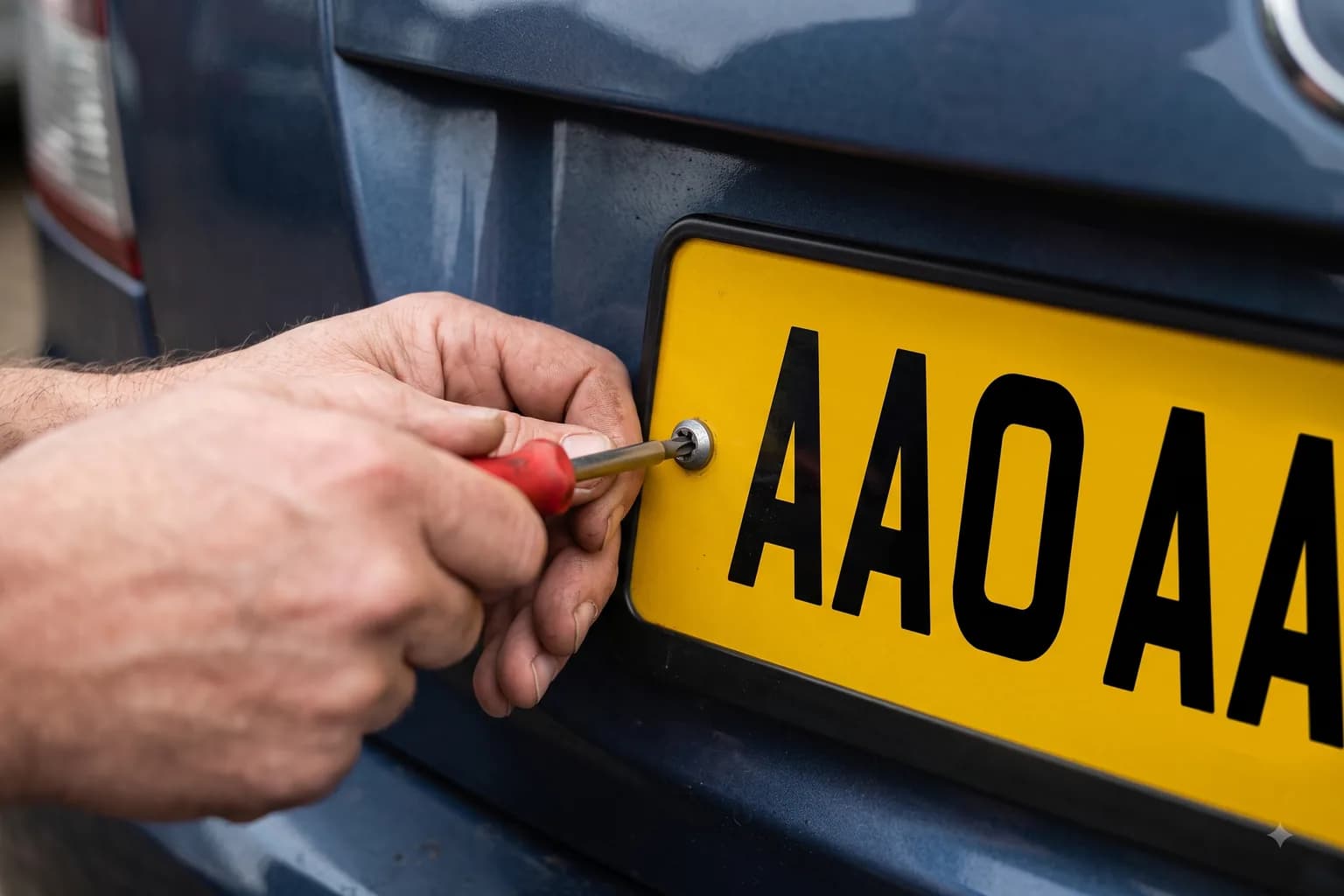
Number plate cloning works because registrations are public by design. Anyone can see them in a car park, at a petrol station or on the road. Once copied, that registration can be attached to a similar make and model to reduce the chance of immediate challenge.
Without monitoring, the genuine owner usually has no reason to suspect misuse until an external authority makes contact. Even then, proving you were not responsible can be slow and frustrating. You may need to contest fines, explain vehicle movements, provide supporting evidence and deal with repeated correspondence.
For fleet operators, the impact can spread further. One cloned registration can create administrative drag across compliance, insurance, driver records and customer trust. For plate manufacturers, weak controls around registration and production can expose the business to avoidable risk.
How registration misuse detection works in practice
A credible system follows a clear chain - registration, detection and alerting.
First, the legitimate plate and its associated credentials are registered into a secure system. This establishes a trusted reference point. The quality of that first step is critical, because poor source data creates false confidence. If registration is inaccurate or incomplete, detection becomes less reliable.
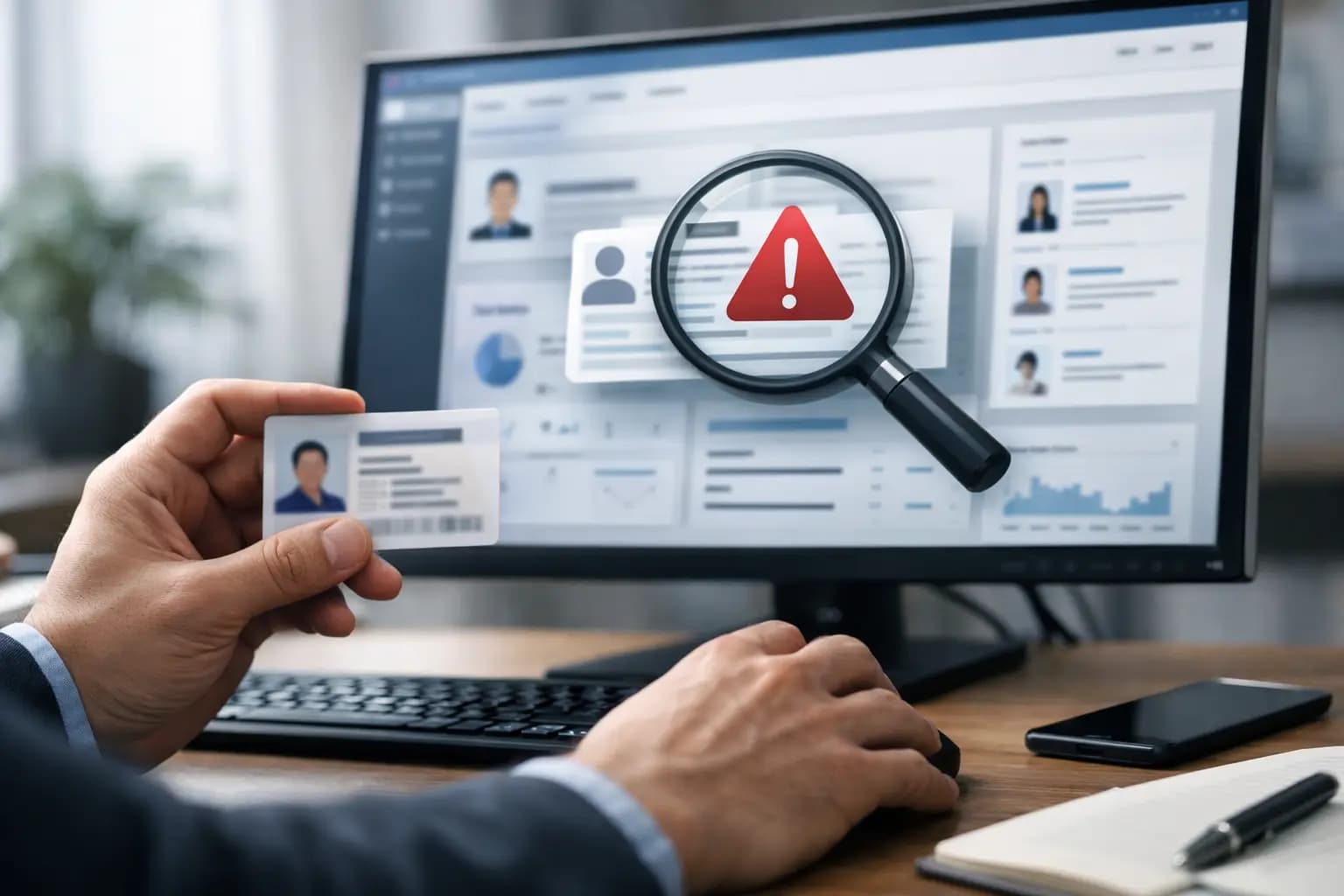
Next comes monitoring. This is where proprietary tech and data logic are used to identify activity that looks inconsistent with genuine ownership or lawful plate supply. Depending on the system, that can include duplication attempts, unusual verification events, conflicting plate signals or indicators that a registration has entered the wrong workflow.
Then comes alerting. If suspicious activity is identified, the registered user can be notified quickly by email, SMS or push notification. Speed is not a nice extra here. It is the difference between containing risk early and allowing misuse to continue unchecked.
The strongest platforms also support verification, so the status of a registration can be checked and challenged through a centralised process rather than vague guesswork.
The signals that often point to misuse
There is no single sign that proves a plate has been cloned, and that is where nuance matters. A suspicious event may be innocent, administrative or genuinely fraudulent. Good detection does not treat every anomaly as a crime. It flags patterns that need review.
A sudden mismatch between known registration data and plate activity is one warning sign. Duplicate plate production requests can be another. Repeated checks against a registration with no legitimate reason may also indicate that someone is preparing to misuse that identity.
Context matters. A private owner with a single vehicle has a different risk profile from a business managing vans across multiple regions. A manufacturer issuing lawful replacement plates has different operational needs again. That is why registration misuse detection should be built around verification as well as alerts. The aim is to separate normal activity from threat activity quickly and accurately.
Why speed changes the outcome
When cloned plate fraud goes unnoticed, the genuine vehicle identity can be used for weeks or months. During that time, the keeper may face parking charges, toll notices, speeding allegations and association with more serious offending. The longer the delay, the harder the trail becomes to manage.
Fast detection changes that sequence. Instead of discovering the problem through enforcement action, the owner can respond when suspicious duplication or misuse indicators first appear. That early window allows time to document concerns, confirm legitimate plate status and reduce the chance of prolonged fraud.
For businesses, faster alerting also improves control. Security teams can investigate promptly, support affected drivers and maintain a clear record of response. That lowers friction internally and strengthens evidence externally.
Registration misuse detection for private motorists
For individual vehicle owners, the value is simple. You are protecting the identity attached to your vehicle before somebody else exploits it. Most people do not think about their registration as a security asset until it is abused, but it functions exactly that way. It links your vehicle to legal responsibility, financial exposure and public records.
The practical benefit is not just fraud awareness. It is reduced uncertainty. If a suspicious event occurs, you know sooner. If your registration status needs to be checked, there is a process. If a plate has been flagged, you are not relying on chance to find out.
That reassurance matters because cloned plate incidents are not merely inconvenient. They can consume time, affect confidence and create avoidable stress for entirely innocent drivers.
Why fleets and plate manufacturers need a different approach
Commercial users face broader exposure. A fleet may have dozens or hundreds of registrations in circulation, which increases the attack surface. One misuse event can become a recurring operational issue if it is not identified early. Registration misuse detection gives fleet operators a way to apply central oversight to a distributed risk.
Plate manufacturers have a different responsibility. They sit at a critical point in the supply chain, where secure registration workflows and verification controls can either reduce misuse or leave gaps for fraudsters to exploit. For them, detection is not only about protecting end users. It is also about maintaining compliance, protecting business integrity and strengthening confidence in lawful plate production.
This is where a platform model becomes especially useful. When customers, administrators and manufacturers work within a single security-led environment, accountability is clearer and suspicious activity is easier to trace.
What a strong detection system should include
Not every monitoring service offers the same level of control. Some tools provide basic notification but little verification support. Others collect data without giving users a clear action path. That creates noise rather than protection.
A strong system should combine secure registration, encrypted record management, active detection and instant alerting. It should also make plate status visible through a searchable process that supports quick validation. If an issue is raised, users need enough clarity to understand what may have happened and what to do next.
There is a trade-off here. Highly sensitive systems may generate more alerts, while less sensitive systems may miss early signals. The best approach is not maximum alarm at all times. It is calibrated detection that prioritises meaningful events and supports informed response.
Prevention is stronger than replacement
Once a cloned plate has caused damage, replacing paperwork or disputing fines is only part of the clean-up. Time has already been lost. Trust may already be affected. In some cases, the registration has been used in a way that creates serious legal concern.
That is why prevention deserves more attention than replacement. Protect A Plate is built around that principle - register the plate, detect suspicious misuse and issue rapid alerts before the problem escalates. It is a security model designed for control, not a customer service process built around aftermath.
Vehicle identity fraud is not going away. The practical question for motorists and commercial stakeholders is whether they want to hear about misuse from an enforcement notice, or from a detection system designed to spot it first. The better choice is the one that gives you time to act while the problem is still containable.